
 English
 Français
 Deutsch
 Nederlands
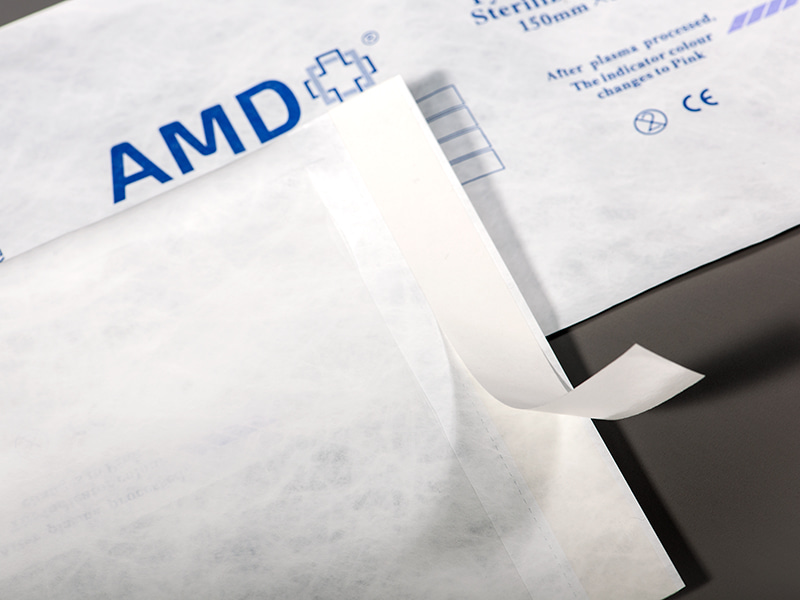
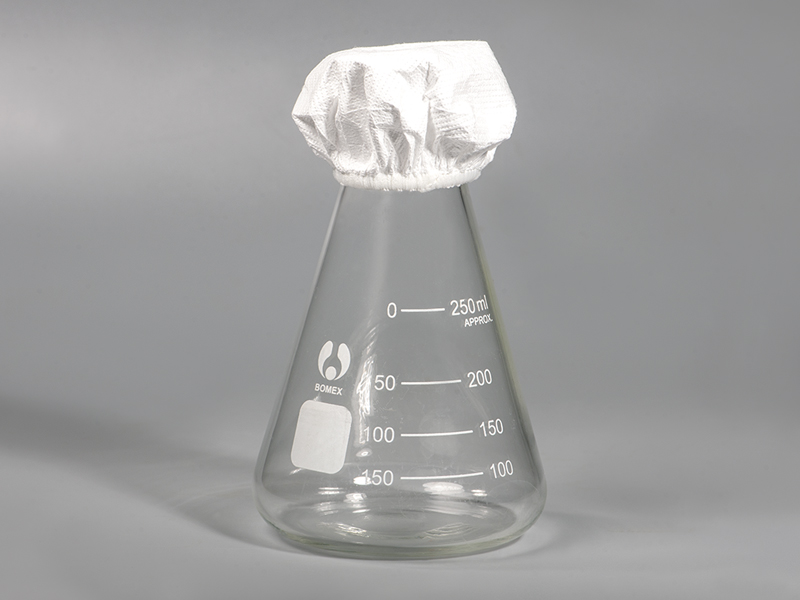
As industries re-evaluate personal protective solutions, products that balance comfort and functional design attract attention. Hopeway Amd's Tyvek breathing cover has surfaced in professional circles as a practical choice for many applications where a combination of light shielding and wearability matters.
Content
- 1 What the product is and why it matters
- 2 Design and material characteristics
- 3 Comfort and wearability: why users notice the difference
- 4 Practical performance without overstatement
- 5 Breathability and moisture management
- 6 Durability and handling considerations
- 7 Typical use cases across industries
- 8 Quality control and manufacturing confidence
- 9 Environmental and end-of-life perspective
- 10 How to select the right protective layer for your operation
- 11 Practical tips for users and supervisors
- 12 Comparing options: when this type of cover makes sense
- 13 Procurement and lifecycle economics
- 14 Real-world feedback and continuous improvement
- 15 Final considerations
What the product is and why it matters
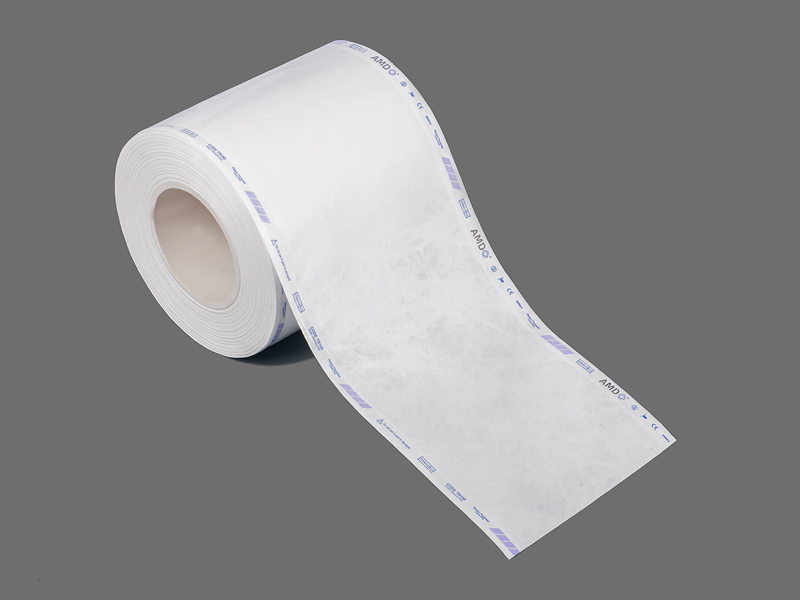
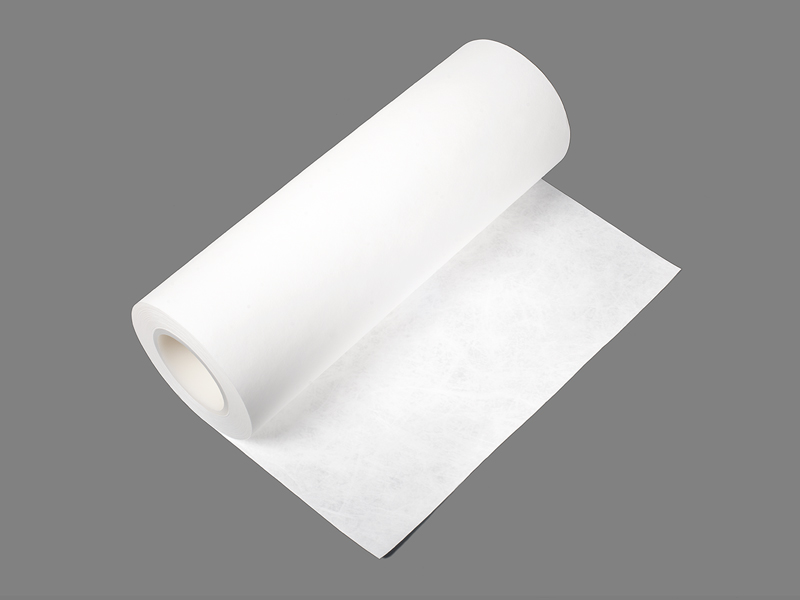
At its core, the item is a protective covering fabricated from a spunbound polyethylene material commonly known for a favorable strength-to-weight ratio. The garment style is intended to serve as a barrier between the wearer and particulate-laden environments while preserving air flow and reducing heat build-up. The company positions the item for sectors that require temporary or routine barrier protection, including maintenance, light manufacturing, laboratory support and controlled-clean tasks.
Rather than promoting absolute claims about contamination elimination, the product is presented as one component within a broader safety strategy — a wearable layer intended to complement other controls such as ventilation, housekeeping and task-specific safeguards.
Design and material characteristics
Hopeway Amd's solution uses a nonwoven sheet that's engineered to be thin and tear resistant. That construction aims to achieve two practical outcomes: minimizing the load on the wearer and maintaining a reasonable service life during typical single-shift tasks. The fabric's structure balances tensile strength with pliability so that it can drape or conform without excessive stiffness, which helps with fit and range of motion.
Seams and closures on the cover are designed to be unobtrusive and to permit rapid donning and doffing. Elastic or adjustable fastenings are commonly used to accommodate varying head sizes and hairstyles, allowing the garment to remain in place without the need for constant adjustment.
Importantly for suppliers and purchasing agents, the material choice supports consistent manufacturing and straightforward quality control, because nonwoven production methods are well-established and scalable.
Comfort and wearability: why users notice the difference
User comfort often determines whether a protective product is worn correctly and consistently. The Tyvek-style material is lightweight and does not cling to skin in the same way that some laminates do, which can reduce the sensation of overheating during routine tasks. The cover's breathability helps with moisture wicking — sweat evaporates more readily than through impermeable films — so wearers report fewer interruptions to remove or adjust the garment.
The low bulk of the design also reduces interference with helmets, goggles or communication headsets, an important consideration in construction, utilities and long-shift operations. Because mobility is preserved, workers can maintain productivity without feeling constrained by their protective layer.
Practical performance without overstatement
When assessing protective equipment, clarity is key. Rather than promising absolute protection, it is more useful to consider performance in terms of appropriate fit for purpose. The cover provides a physical barrier to dust and dry particulates encountered in many light-industrial and maintenance tasks. Its resistance to abrasion and tearing extends practical wear time under ordinary handling conditions.
For situations involving light splashes or incidental contact with non-corrosive fluids, the material offers a level of fluid resistance relative to its weight, which can be valuable during spill response or cleaning tasks. It is not intended as a standalone solution for high-pressure fluid exposure or for environments that require certified liquid-impermeable performance; in such cases, users should pair it with task-specific garments or consult technical guidance.
Breathability and moisture management
One of the principal advantages that readers often ask about is the balance between barrier function and air exchange. The cover's nonwoven structure permits movement of air and water vapor, which helps regulate microclimate next to the skin. In practical terms, this characteristic can reduce wearer fatigue and the likelihood of moisture-related skin irritation during extended periods of use.
Because the design encourages evaporation, it also lessens condensation inside respiratory masks or face coverings worn concurrently, improving visibility and comfort for people wearing both layers.
Durability and handling considerations
Durability for this type of product should be considered in the context of intended service life. The material resists small tears and punctures encountered in everyday tasks, and the garment sustains normal donning and doffing cycles without rapid degradation. Its low mass reduces strain on seams and closure points, helping the item maintain its shape during transport, storage and repeated handling in supply rooms.
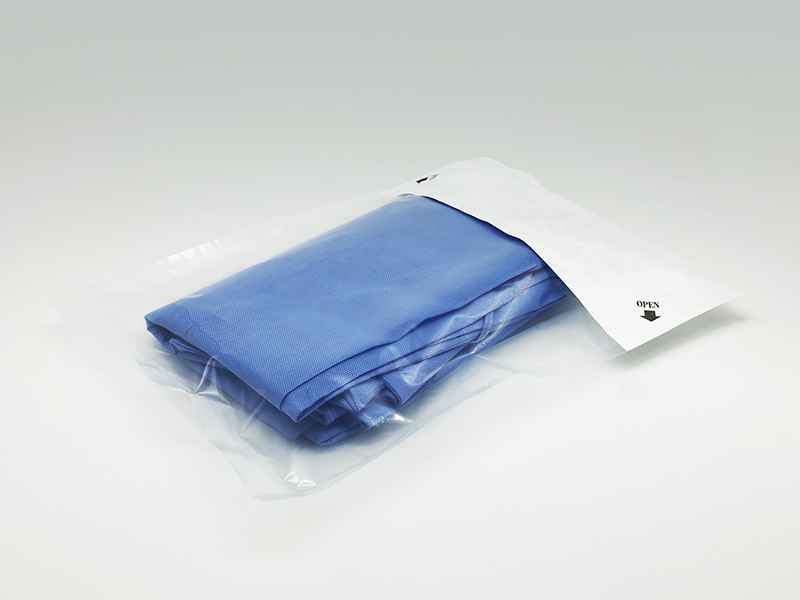
Storage and logistics benefit from compact packing: the garments fold to a small volume and can be distributed in bulk without excessive freight cost. That convenience is helpful for firms that maintain rotating stock for multiple job sites.
Typical use cases across industries
- Facility maintenance and janitorial work: useful where dust control and light splash protection are needed for short-duration tasks.
- Construction subtrades: suitable for cleanup, finishing and tasks that create airborne dust but do not require heavy liquid protection.
- Laboratory support and non-sterile sample handling: a practical outer layer for technicians moving between spaces, minimizing transfer of non-hazardous particulates.
- Light manufacturing and assembly: helpful in lines where contaminants must be limited but operators still require full range of motion.
- Field service and inspections: compact packing and quick application make the cover a reasonable choice for mobile teams.
These scenarios highlight the product's role as part of layered controls rather than a sole protective device.
Quality control and manufacturing confidence
Products made from nonwoven polyethylene are produced via stable, reproducible processes. For procurement professionals, that means predictable batch quality and relatively straightforward incoming inspection. Hopeway Amd appears to emphasize consistent finishing and seam integrity, which reduces the incidence of defects during initial use.
Buyers should still request and review quality documentation and inspection records to match their internal standards. Sampling from production runs and periodic audits of handling and storage can ensure performance aligns with expectations.
Environmental and end-of-life perspective
Sustainability is increasingly important for procurement decisions. Compared to heavier multilayer garments, the lightweight nature of the cover reduces material consumption per unit. At end of life, disposal pathways depend on the environment in which the product was used. For typical dry particulate tasks, standard waste streams are appropriate. In settings where contamination with hazardous substances is possible, local regulations and facility protocols will dictate handling and disposal.
Some organizations opt for centralized collection and energy-recovery disposal to align with broader sustainability goals. When environmental impact is a priority, purchasers can engage suppliers in dialogue about recyclable packaging or take-back programs that minimize landfill volume.
How to select the right protective layer for your operation
Selecting the correct item is less about brand and more about matching attributes to task demands. Consider the following checklist when evaluating the Hopeway Amd breathing cover or comparable offerings:
- Task hazard assessment: identify the nature and intensity of particulate or splash exposure.
- Duration of wear: determine whether single-use or limited re-use is acceptable.
- Compatibility: ensure the cover works with other PPE such as respirators, helmets and eye protection.
- Comfort requirements: evaluate breathability and fit for long shifts.
- Regulatory and disposal needs: confirm that handling and waste practices match local rules.
- Supply chain stability: distribution resilience.
Using a short trial period in actual working conditions often yields the clearest insight into whether a given item meets expectations.
Practical tips for users and supervisors
- Fit check: ensure elastic or adjustable parts are correctly positioned so the cover does not impede sightlines or movement.
- Layering wisely: combine with task-appropriate gloves and eye protection; the outer layer should not replace task-specific equipment.
- Storage: keep packs dry and away from direct sunlight to preserve material integrity.
- Disposal: follow facility policy to prevent cross-contamination and to meet environmental obligations.
- Training: brief staff on correct donning and doffing to reduce contamination transfer during removal.
These operational steps help translate product features into reliable performance in the field.
Comparing options: when this type of cover makes sense
Decision makers often weigh nonwoven covers against woven garments, laminated suits and reusable textiles. The nonwoven cover is advantageous when low weight, packability and breathability are priorities and when tasks do not require heavy liquid protection or sustained chemical resistance. Woven or laminated solutions may be chosen for highly abrasive tasks or when certified impermeability is needed. Reusable textiles can be economical for controlled laundering programs, while disposable options are sometimes preferred for contamination management and logistics simplicity.
Procurement and lifecycle economics
Economics are not solely about unit price. Consider total cost of ownership, which includes storage, handling, training, disposal and the impact of user comfort on productivity. Lightweight, easy-to-use garments can reduce lost time from heat stress and repeated adjustments. Compact packaging lowers freight costs and simplifies inventory. When organizations quantify these operational elements, the value proposition becomes clearer.
Real-world feedback and continuous improvement
End-user feedback is valuable. In trials, staff often highlight subtle issues such as seam placement or interaction with radios and harnesses. Responsible suppliers document these lessons and iterate on designs. Purchasers should establish feedback loops so procurement choices evolve with on-the-ground needs.
Final considerations
Hopeway Amd's Tyvek breathing cover represents a purposeful balance between barrier function and user comfort. It is engineered for everyday industrial and support tasks where lightweight protection, breathability and ease of use are priorities. The product is effective when integrated into a broader safety strategy that includes engineering controls, administrative measures and complementing personal protective items.
Rather than promising absolute protection, this kind of cover offers practical, mission-aligned attributes: modest resistance to particulates and incidental fluids, low thermal load, and straightforward logistics. These qualities make it a credible candidate for organizations seeking to improve worker compliance and comfort without introducing cumbersome equipment.
 ‘s-Gravenweg 542, 3065SG RotterdamThe Netherlands
 +31 (0)10 254 28 08