
 English
 Français
 Deutsch
 Nederlands
In modern healthcare and laboratory environments, packaging is more than a wrapper — it is the final safeguard between a sterilized instrument and the moment it touches a patient.
Content
- 1 A concise product snapshot
- 2 Why packaging choice matters in practice
- 3 Practical advantages that teams appreciate
- 4 Benefits framed as everyday outcomes
- 5 A balanced view: considerations before switching
- 6 Quick comparison table: benefits versus practical checks
- 7 Use cases and departmental fit
- 8 Purchasing and implementation tips
- 9 How vendors support clinical adoption
A concise product snapshot
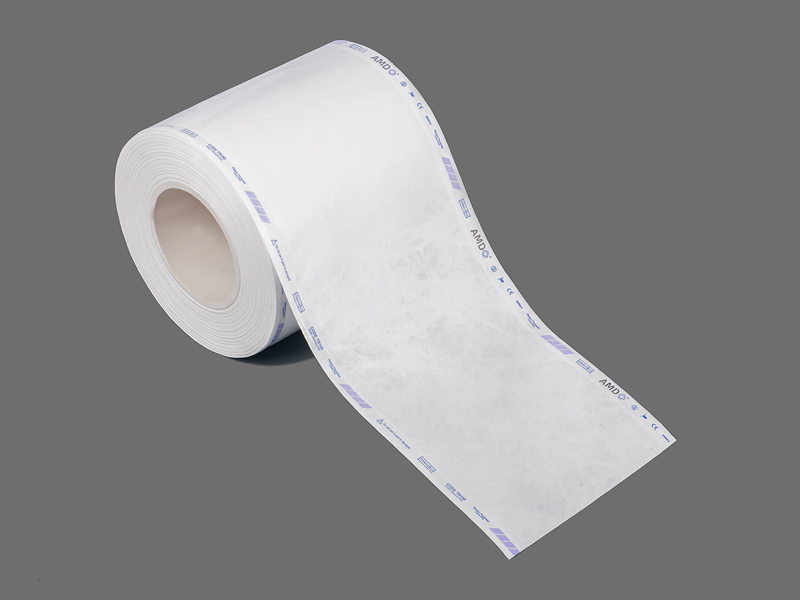
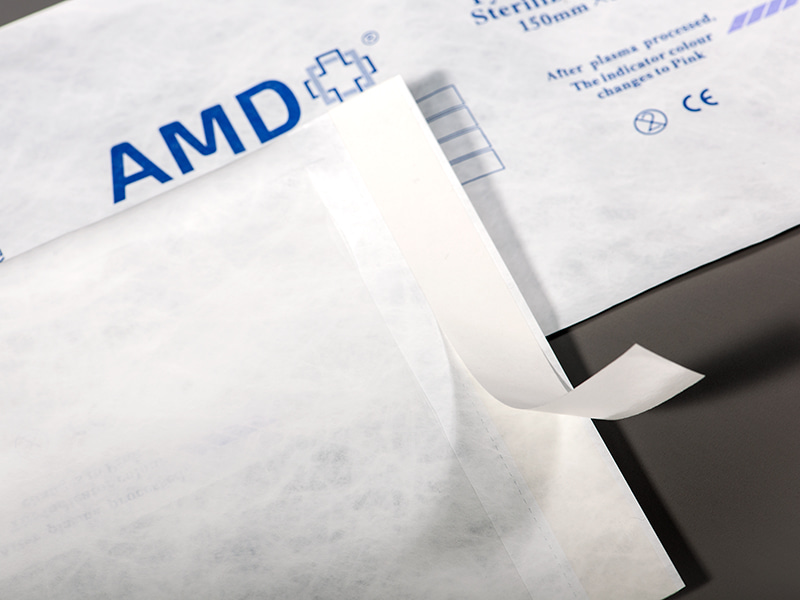
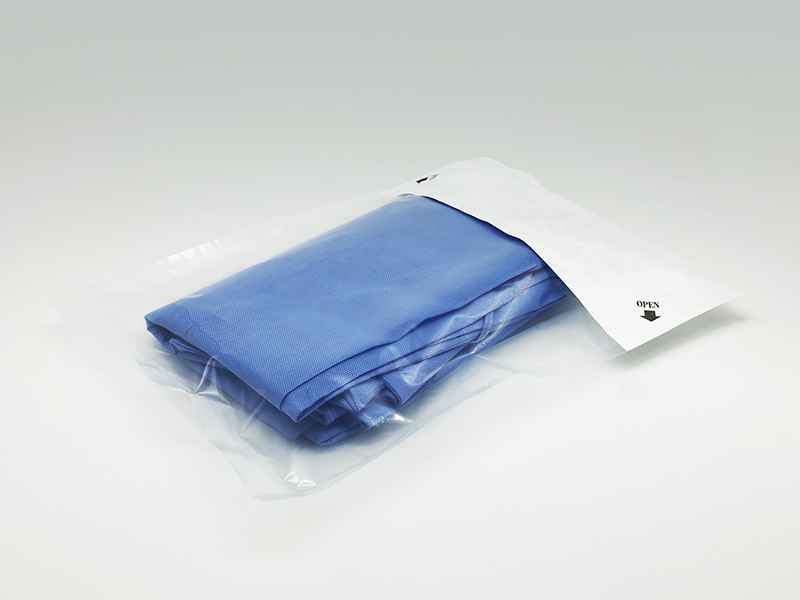
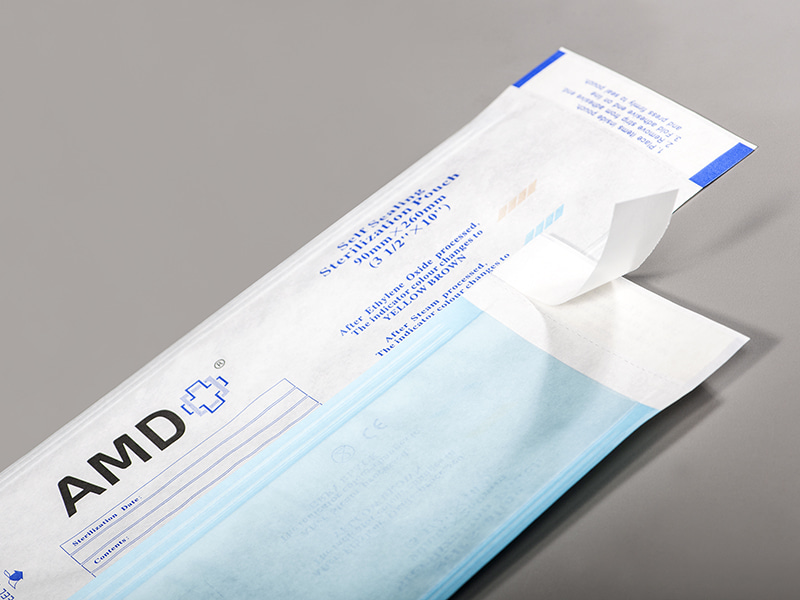
Self-sealing sterilization pouches are single-use sterile barrier packages that incorporate a built-in adhesive closure. They are intended to be loaded with instruments, sealed by hand, and processed through routine sterilization cycles, then stored until use. Hopeway AMD presents a family of such pouches alongside other sterilization products and maintains public information about its offerings and corporate credentials.
Why packaging choice matters in practice
At glance a pouch looks simple. In day-to-day practice, however, several small features compound into meaningful differences:
- Sterile barrier reliability. A package that sustains an intact barrier through sterilization, handling, and storage reduces the chance of contamination prior to use.
- Workflow friction. When a product reduces steps — for example, by avoiding the need for heat-sealing equipment — teams gain speed and consistency.
- Traceability and inspection. Clear film windows and printed indicator marks help staff verify contents and sterilization status quickly.
- Regulatory and purchasing peace of mind. Suppliers that operate under recognized quality systems and publish compliance information ease procurement and auditing processes.
Hopeway AMD's public materials position its self-sealing pouches within these real-world priorities, noting design choices that aim to balance protection, usability, and compatibility with common sterilization methods.
Practical advantages that teams appreciate
Below are common, pragmatic reasons users consider moving to a self-sealing pouch design from Hopeway AMD or a similar supplier. Each point links practice to daily benefit rather than to unverified marketing claims.
Saves preparation time and reduces equipment dependency
Because the pouch contains an adhesive closure, staff can seal packs without accessing a heat sealer. In high-throughput settings or in field clinics where equipment is limited, this can free staff time and reduce bottlenecks. Multiple independent seal lines and clear opening direction markings also help reduce sealing errors during busy shifts.
Supports inspection and inventory control
A transparent film side enables quick visual confirmation of instrument type and cleanliness before release, which can speed checks and reduce handling. Where traceability is required, consistent marking and the option for external labeling simplify record keeping.
Intuitive for multi-discipline teams
Dental practices, outpatient clinics, and specialty labs often rely on cross-trained staff. A package that is simple to prepare and open with chevron-shaped or clearly directed peel zones reduces training time and variability between operators.
Compatible with common sterilization methods
Modern self-sealing packs are manufactured to be compatible with routine sterilization cycles used in many facilities. This makes them a practical fit for departments that rotate items through steam, ethylene oxide, or other validated processes. Suppliers often document which methods the pouches are intended for, which helps clinical engineers and infection control teams validate use.
Supplier quality and compliance matter
Choosing a supplier that openly references recognized quality systems and standards simplifies vendor evaluation and reduces administrative friction during audits. Hopeway AMD publishes company information and product pages that address standards and product families, which many buyers find useful during procurement.
Benefits framed as everyday outcomes
Instead of abstract claims, think in terms of outcomes teams actually measure:
- Fewer interrupted procedures because packs arrive intact and clearly marked.
- Faster turnaround in sterilization preparation areas during peak periods.
- Simpler onboarding of new staff thanks to easy-to-use closures and visible contents.
- Streamlined audits when supplier documentation and product labeling are well aligned with regulatory expectations.
These outcomes represent the practical value that packaging contributes to patient care and operational flow. Many suppliers' technical materials and industry articles emphasize similar operational payoffs when discussing self-sealing pouch designs.
A balanced view: considerations before switching
No single packaging choice is universally optimal. Here are considerations to weigh before changing a standard operating procedure:
- Instrument shape and sharp edges. Packages must resist puncture or abrasion during handling. If instruments are irregular or have sharp points, choose a pouch and handling practice that anticipate those risks. Hopeway AMD offers multiple product formats, and awareness of material choices can guide selection.
- Storage environment. Humidity, stacking, and transport practices affect shelf integrity. Ensure storage protocols match the chosen package's intended use.
- Validation and local protocol alignment. Any packaging change should be validated internally so that sterilization cycles, biological indicators, and existing documentation remain appropriate.
- Waste handling and sustainability. Single-use pouches create predictable waste streams; organizations may want to compare procurement, disposal, and recycling practices across suppliers.
Quick comparison table: benefits versus practical checks
| What you want | What to confirm before change |
| Faster prep and no heat sealer | Confirm adhesive closure performance in your environment |
| Clear contents inspection | Confirm adhesive closure performance in your environment |
| Audit-friendly supply | Review supplier's compliance statements and documentation |
| Versatility across departments | Trial with representative instruments from each unit |
Use cases and departmental fit
- Dental clinics: Quick, single-instrument packs for handpieces or mirrors fit well with self-sealing formats because of rapid prep and small storage needs.
- Ambulatory surgery centers: When throughput is steady, the elimination of sealing machines for certain items can simplify layout and maintenance.
- Small laboratories and point-of-care units: Field teams and satellite units benefit from portability and reduced equipment requirements.
- Device manufacturers and contract sterilizers: Self-sealing options can be useful for small device samples or kits that must be sterilized and returned quickly.
Hopeway AMD's materials frame their product family to serve a range of clinical and industrial sterilization needs, which helps decision makers match a format to a use case.
Purchasing and implementation tips
- Run a pilot. Select a representative set of instruments and trial pouches across the intended sterilization cycles. Focus on seal integrity, peelability, and the staff's subjective ease of use.
- Document results. Capture cycle parameters, visual inspection outcomes, and any deviations for your sterilization record.
- Train consistently. A brief, focused training session on correct loading, sealing, and opening technique reduces variability and returns immediate benefits.
- Coordinate with procurement. The supplier's ability to supply alternate formats if needs shift.
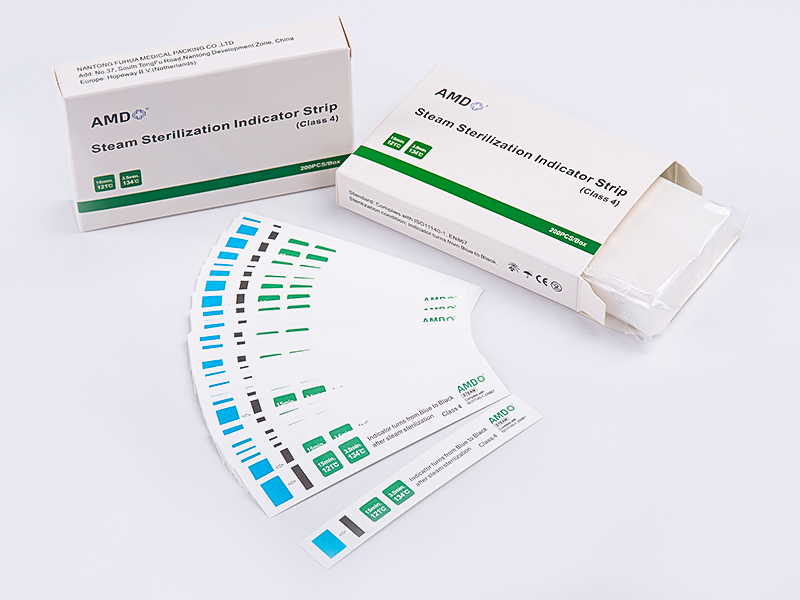
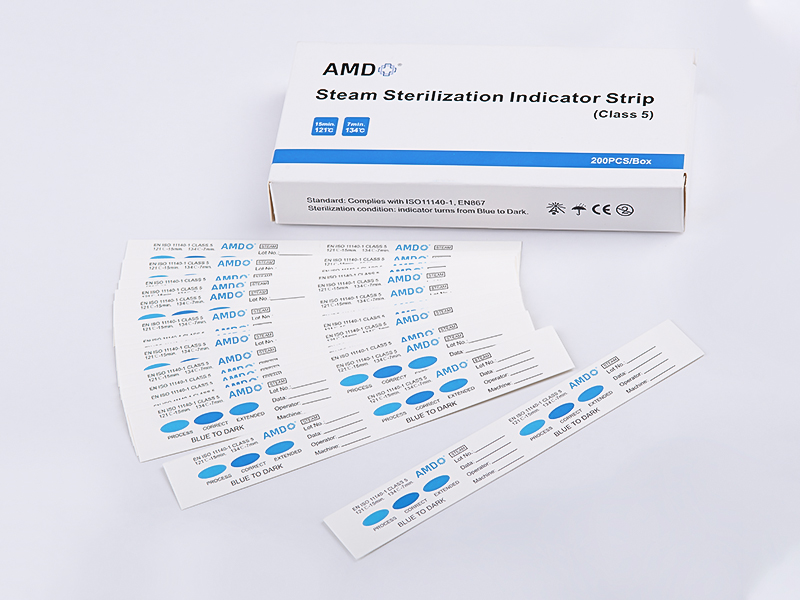
- Cross-check labeling and indicators. Make sure the package accommodates your labeling workflow and that sterilization indicators are visible and understood by staff. Hopeway AMD's product information notes options for visible indicators in its product family.
How vendors support clinical adoption
Suppliers who publish clear product descriptions, compliance notes, and usage guidance remove guesswork during evaluation. Hopeway AMD maintains product pages and industry news that describe pouch types, compatibility with sterilization methods, and product families — resources that procurement and sterile processing teams often consult during selection. Using those materials as part of a formal vendor assessment can shorten procurement cycles.
The right sterilization pouch is one that fits the instruments, streamlines the staff's routine, meets the facility's validation needs, and arrives with supplier documentation that supports audits. For teams valuing a self-sealing format because it reduces prep steps and simplifies operations, Hopeway AMD's self-sealing pouch family is presented as an option worth evaluating. Their publicly available product pages and company information provide starting points for technical teams and procurement officers to plan trials and gather documentation.


 ‘s-Gravenweg 542, 3065SG RotterdamThe Netherlands
 +31 (0)10 254 28 08