
 English
 Français
 Deutsch
 Nederlands
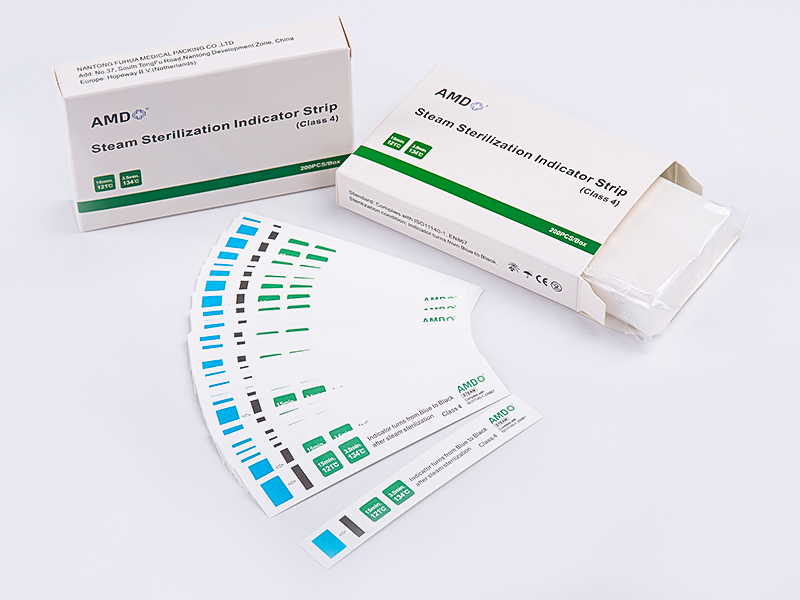
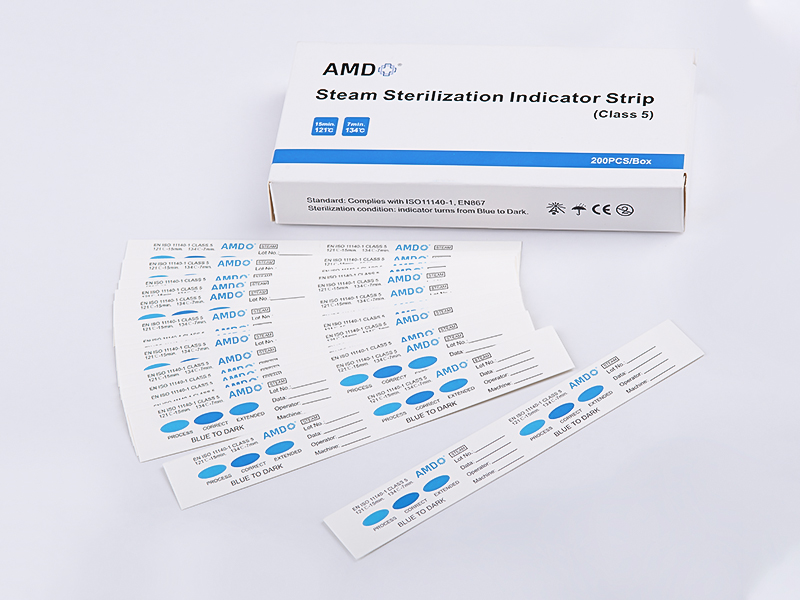
In an era where strict infection control and traceable quality systems are not optional, simple tools that confirm sterilization can have an outsized impact. Steam indicator strips tape — and specifically the Hopeway Amd Steam Indicator Strips Tape — are designed to make sterilization monitoring more intuitive, auditable, and workflow-friendly.
Content
- 1 Why visual indicators matter in steam sterilization
- 2 Practical advantages for routine workflows
- 3 Auditability and record-keeping
- 4 Adherence to industry norms and expectations
- 5 Safety and risk mitigation
- 6 User experience and ergonomics
- 7 Environmental and disposal considerations
- 8 Cost implications and operational efficiency
- 9 Use cases across industries
- 10 Selecting the right indicator for your workflow
- 11 Training and standard operating procedures
- 12 Integration with quality systems
- 13 Common concerns and misconceptions
- 14 Real-world examples of effective use
- 15 Frequently asked questions
- 16 Implementation checklist
Why visual indicators matter in steam sterilization
Steam sterilization is widely used in healthcare, laboratories, and certain industrial settings because of its ability to inactivate microorganisms under controlled moisture and heat. However, machinery cycles are complex; temperature, exposure time, pressure, and load composition all influence outcomes. Visual indicators act as frontline verification: they provide immediate, human-readable signs that a sterilizing parameter has been reached during a cycle. For busy teams, a clear color change on a strip or tape is faster and less error-prone than checking device logs alone.
Rather than replacing routine mechanical and biological monitoring, indicator strips and tapes add a layer of situational awareness. They help personnel rapidly sort processed items from those still pending reprocessing, reducing the risk of premature use and contributing to safer operations overall.
Practical advantages for routine workflows
- Immediate feedback : Indicator tape provides an instant visual cue as to whether a sterilization condition was achieved. Staff can quickly scan trays, packs, or instrument cases and see which items passed the visual check and which may need further attention.
- Simplified sorting and handling : In high-throughput environments, speed and clarity matter. Adhesive-backed strips or tape make it easier to label wrapped sets, packaging seams, or instrument pouches so that post-process sorting becomes more efficient and less likely to rely on memory.
- Reduced human error : Clear, consistent color transitions are designed to be readily distinguishable. This lowers the chance of misinterpretation compared with ambiguous markings or handwritten notes. When combined with standard operating procedures, visual indicators support consistent staff actions and handoffs.
- Compatibility with different packaging formats : Indicator tape can be applied across a range of container types: wrapped trays, pouches, peelable bags, and rigid cases. This flexibility helps facilities standardize their monitoring approach across diverse instruments and supplies.
| Aspect | Industry Relevance | Practical Value in Daily Use |
|---|---|---|
| Visual Identification | Supports clear differentiation between processed and unprocessed items | Allows staff to recognize sterilized packages at a glance during handling and storage |
| Workflow Efficiency | Aligns with fast-paced environments requiring quick verification | Helps reduce sorting time after sterilization cycles |
| Process Awareness | Complements mechanical and biological monitoring methods | Provides immediate visual feedback without complex interpretation |
| Application Flexibility | Suitable for various packaging and wrapping formats | Can be applied to trays, pouches, or wrapped instrument sets |
Auditability and record-keeping
While visual cues are useful, many organizations must maintain documentation for accreditation, quality assurance, and legal compliance. Indicator strips and tape contribute to traceability in several ways:
- Photographic records: Staff can photograph color-changed indicators as part of an audit trail.
- Batch control: Applying strips consistently to particular loads enables linkage between the physical items and sterilizer run records.
- Quick verification during inspections: Surveyors and auditors can easily verify whether routine checks are in place by reviewing visual indicators on processed items.
When used alongside machine logs and periodic biological testing, this kind of tape helps establish a layered, defensible approach to sterilization validation.
Adherence to industry norms and expectations
Choosing a visible indicator method supports compliance-minded teams. Many guidelines emphasize multi-parameter monitoring and redundancy: mechanical records, chemical indicators, and biological indicators each play distinct roles. Adhesive indicator strips fit into the chemical indicator tier: they are intended to detect whether certain sterilization conditions have been achieved in a given cycle. Using such tape as part of a broader monitoring strategy aligns with best-practice frameworks and helps meet routine inspection expectations.
Safety and risk mitigation
By offering immediate feedback, indicator tape reduces point-of-use risk. For example, an instrument tray that retains an unchanged indicator is flagged for reprocessing before it reaches a clinician. This prevents accidental use of items that may not have been adequately exposed to sterilizing conditions.
A few operational practices enhance safety benefits:
- Place indicators in the challenging location within a load to get a realistic signal of exposure.
- Train staff to treat unchanged indicators as a nonconformance and to follow defined retesting procedures.
- Integrate indicator checks into the routine workflow, such as during unpacking and setup, so that noncompliant items are caught early.
User experience and ergonomics
Product design choices matter for adoption. Tapes and strips that are easy to apply, read, and remove are more likely to be used consistently. Ergonomic details that facilities appreciate include strong adhesion that withstands handling, clear contrast between pre- and post-exposure states, and a format that fits common package sizes. When indicator materials are intuitive, they reduce the cognitive load on staff and encourage compliance with monitoring protocols.
Environmental and disposal considerations
Sustainability is an increasing concern in procurement decisions. Many modern indicators are manufactured with attention to minimizing waste or using recyclable components where feasible. Facilities should consider the environmental profile of consumables as part of procurement discussions, balancing single-use necessity against recycling or waste-reduction programs. Proper disposal procedures for used indicator tape should be incorporated into waste management policies, keeping in mind local regulations and facility practices.
Cost implications and operational efficiency
Indicator tape represents an operational expense, but its value often shows up in reduced rework, fewer process errors, and improved staff efficiency. Some economic benefits include:
- Lower cycle repeats: Early detection of insufficient exposure limits downstream reprocessing.
- Faster throughput: Clear visual markers enable quicker identification of ready-to-use items, which can speed turnaround in high-demand areas.
- Simplified training: Straightforward visual checks can shorten training time compared with more complex verification methods.
Procurement teams should evaluate total cost of ownership: per-unit price, storage needs, ease of application, and the potential to reduce costly mistakes.
Use cases across industries
Although common in healthcare, steam indicator tape finds application in many settings:
- Hospitals and surgical centers: Ensuring packs and instruments are visibly marked after sterilization.
- Dental clinics: Monitoring small instrument sets and pouches.
- Veterinary practices: Providing practical verification for mixed instrumentation.
- Laboratories: Marking consumables and equipment that require steam sterilization.
- Manufacturing and research facilities: Verifying decontamination of components or tools where steam processes are used.
Each setting has distinct workflow demands; choosing the right indicator format helps facilities meet those needs.
Selecting the right indicator for your workflow
When evaluating adhesive indicator options, consider these non-technical criteria:
- Readability: Is the end-state clearly distinguishable from the starting state?
- Format: Does the product come in strip, tape, or label forms that fit your packaging?
- Adhesion: Will it remain affixed during processing and handling without leaving problematic residue?
- Shelf life and storage: Are storage conditions compatible with your facility inventory practices?
- Regulatory confidence: Does the supplier provide proper product information and guidance for intended use?
Involving frontline staff in selection trials helps ensure the chosen option integrates smoothly into daily routines.
Training and standard operating procedures
Introducing a new indicator tape is more than a procurement decision. Effective adoption relies on clear procedures and staff education. A rollout plan typically includes:
- Written protocols that specify placement, interpretation, and actions for noncompliant indicators.
- Practical demonstrations for technicians and clinical staff.
- Inclusion of indicator checks in routine checklists.
- A reporting mechanism for deviations, allowing for corrective actions and continuous improvement.
Clear documentation reduces variation in practice and supports consistent quality outcomes.
Integration with quality systems
Indicator strips and tape are effective when used in a system that includes mechanical monitoring, scheduled biological testing, and periodic audits. Linking visible indicators to a facility's quality management system facilitates trend analysis, root cause investigations, and corrective measures when deviations occur. For example, recurring indicator failures associated with a particular sterilizer or load type can prompt targeted maintenance or process adjustments.
Common concerns and misconceptions
- "Visual indicators are a complete test of sterility."
Chemical indicators are valuable, but they do not replace biological indicators or routine device maintenance. They are one part of a layered monitoring strategy.
- "All indicator tapes are the same."
Not all products offer the same clarity, adhesion, or suitability for different packaging. Facilities benefit from side-by-side comparisons before wide adoption.
- "Indicator tape adds unnecessary cost."
While consumables entail expense, the cost must be weighed against the potential for reduced errors, improved throughput, and strengthened audit readiness.
Real-world examples of effective use
In many facilities, indicator tape is used as a visual checkpoint at multiple steps: immediately after sterilization, before storage, and again prior to clinical use. Combining tape with barcode systems or simple photographic logging enhances traceability without heavy investment in new machinery. Teams that integrate visual indicators into SOPs often report smoother shift handovers and fewer last-minute reprocessing events.
Frequently asked questions
How is indicator tape different from integrated indicators?
Indicator tapes are typically external or surface indicators that change upon exposure to specific sterilization conditions. Integrated indicators are placed inside a package and may respond to additional parameters. Both have roles in a comprehensive verification strategy.
Can color change be misread?
If contrast is poor or lighting conditions are suboptimal, interpretation may be challenging. Choosing a product with a distinct, unambiguous transition and training staff to check in consistent lighting reduces misreads.
Should every package have a strip?
Many facilities apply indicators consistently to all packages to maintain uniformity. Policies may vary by risk level and type of load.
Implementation checklist
- Pilot indicator tape on representative loads before full rollout.
- Update SOPs to specify placement and interpretation rules.
- Train staff and include indicator checks in daily routines.
- Set up documentation protocols for traceability.
- Monitor usage trends and gather feedback for continuous improvement.
Adhesive steam indicator strips and tape play an important role in modern sterilization practice by delivering fast, visible verification that complements instrument logs and biological testing. When chosen thoughtfully and integrated into sound procedures, these materials support safer workflows, clearer audit trails, and more efficient operations. For facilities aiming to strengthen their sterilization monitoring without overcomplicating processes, a practical, user-friendly visual indicator can be a meaningful component of a layered quality approach.








 ‘s-Gravenweg 542, 3065SG RotterdamThe Netherlands
 +31 (0)10 254 28 08