
 English
 Français
 Deutsch
 Nederlands
Content
- 1 Tyvek Header Bag in Medical Sterilization Packaging: Core Advantages of the Material
- 2 A Material Created for Controlled Packaging Environments
- 3 Breathability and Barrier Performance Working Together
- 4 Durability That Supports Daily Handling
- 5 A Clean Surface for Medical Presentation
- 6 Flexible Design Options for Different Product Needs
- 7 Supporting Sterilization and Storage Requirements
- 8 Medical Device Packaging Needs More Than Containment
- 9 Why Tyvek Is Considered in Sterile Applications
- 10 Common Use Cases Across Medical Device Packaging
- 11 A Final Note on Packaging Direction
Tyvek Header Bag in Medical Sterilization Packaging: Core Advantages of the Material
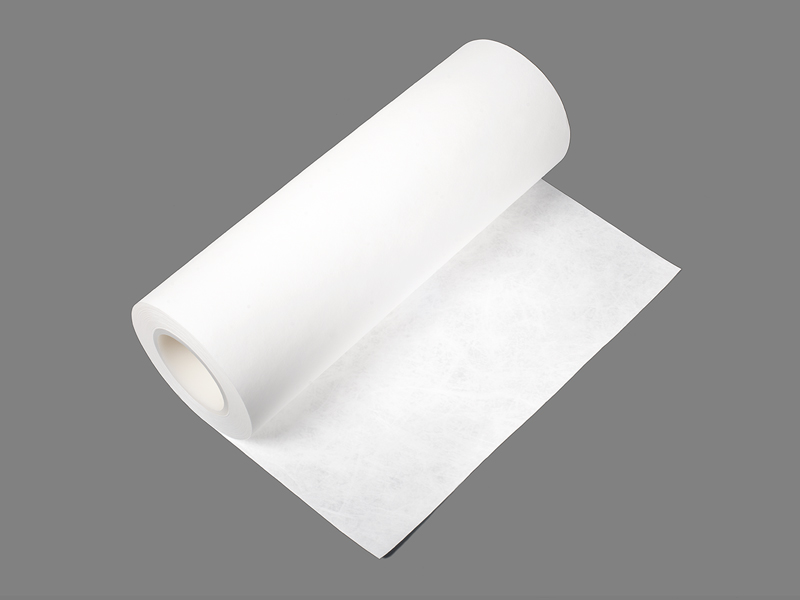
Medical sterilization packaging sits at the intersection of protection, handling, storage, and clinical readiness. In this setting, packaging is not only a container. It is part of the pathway that helps maintain the condition of a medical device from preparation to use. For manufacturers, distributors, and healthcare supply teams, the choice of packaging material shapes how a product moves through sealing, sterilization, transport, and storage.
A packaging format built around Tyvek has gained attention because it addresses several practical needs at once. It supports sterilization workflows, provides a useful balance between breathability and barrier performance, and offers a durable surface for handling and presentation. These qualities make it relevant for medical device companies that need packaging decisions to fit real production conditions rather than idealized assumptions.
A Material Created for Controlled Packaging Environments
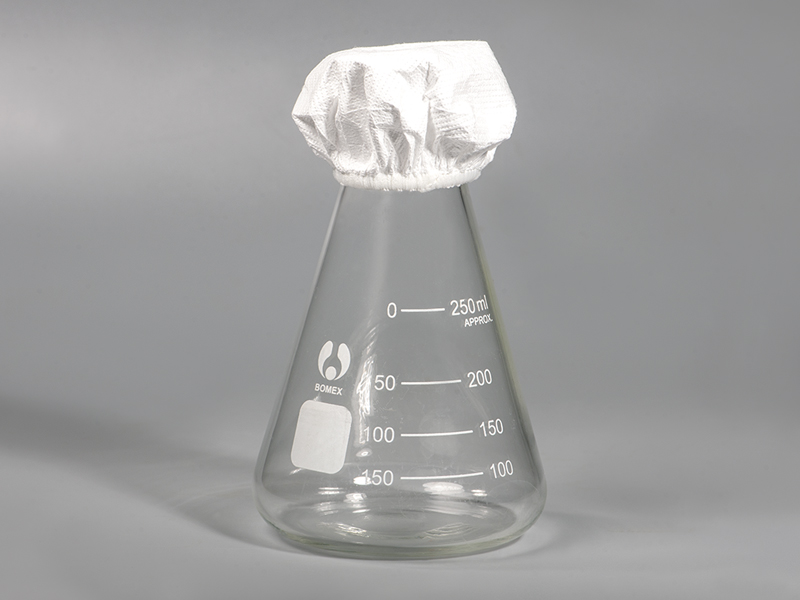
Medical sterilization packaging must do more than look clean or feel sturdy. It must support a process in which sterilizing agents can enter when needed and then allow the package to hold its sealed condition afterward. This is where Tyvek has an important role. Its structure is designed to allow gas passage during suitable sterilization methods while helping create a barrier after processing.
That balance matters because a package that blocks process flow can create complications, while a package that is too open can compromise protection. In practical packaging design, the material needs to work with the process, not against it. Tyvek serves that purpose in a way that is useful for pouches, lids, and header-style package formats used across the medical supply chain.
For this reason, manufacturers often evaluate the material not as a decorative choice, but as a functional component. Its value comes from how it performs in sealing, sterilizing, storing, and opening, all within the same packaging cycle.
| Feature | Description | Application Scenario |
|---|---|---|
| Breathability | Allows controlled air permeability | Sterilization processes |
| Material Stability | Maintains structure under handling | Medical packaging environments |
| Sealing Compatibility | Works with various sealing methods | Heat sealing or self-sealing usage |
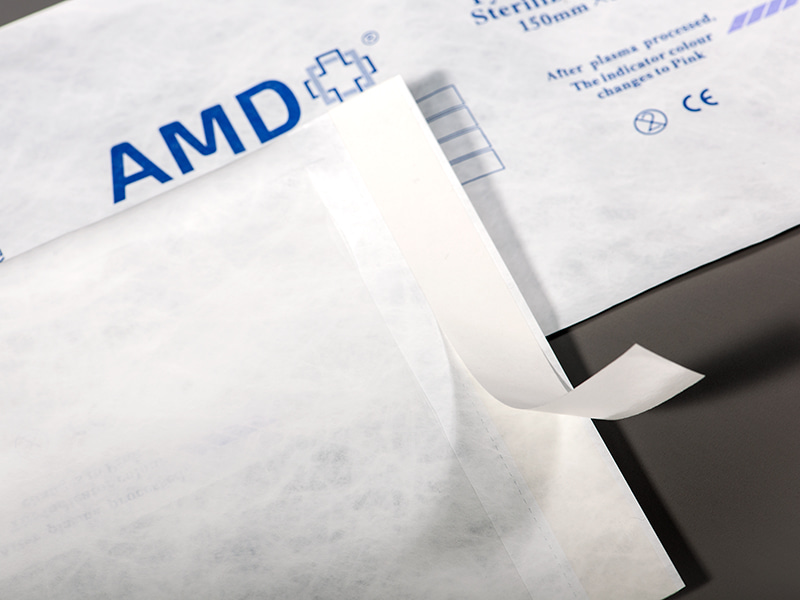
| Clean Opening | Reduces particle release when opened | Sterile medical workflows |
| Flexible Design Options | Adapts to different packaging requirements | Diverse medical device packaging |
Breathability and Barrier Performance Working Together
One of the main strengths of Tyvek in sterilization packaging is the way it combines breathability with protective properties. In sterilization workflows that rely on gas exchange, the package material needs to permit the sterilant to reach the contents. After the process is complete, the same material must continue to support product protection during storage and handling.
This dual role is not easy to achieve. Materials that are too dense may resist the process. Materials that are too fragile may not hold up during movement or storage. Tyvek offers a practical middle ground that helps packaging designers build formats suited to medical device use.
The material's structure also supports a clean separation between the sterile interior and the external environment when the sealing system is properly designed. That is a key reason it is used in packaging intended for instruments, disposable components, and other items that require controlled presentation before use.
Durability That Supports Daily Handling
Medical packaging passes through many hands and many stages. It may be sealed at the production site, packed into cartons, transported through distribution channels, stored in a warehouse, delivered to a clinical location, and handled again during preparation. At each stage, packaging faces pressure, bending, friction, and contact with other surfaces.
Tyvek is often selected because it can tolerate handling better than some more fragile packaging materials. In medical logistics, this is important. A package that remains intact through movement and storage can help reduce the need for rework, repacking, or disposal caused by avoidable damage.
This durability also supports operational efficiency. When a package holds its form and seal more reliably, there is less interruption in workflow. That is valuable in both high-volume production settings and smaller specialty runs where consistency matters.
A Clean Surface for Medical Presentation
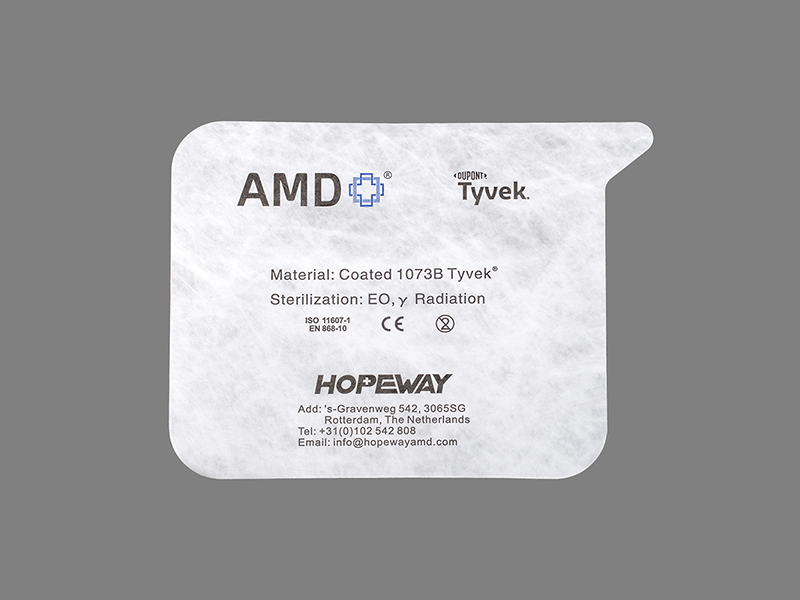
In healthcare packaging, appearance is not just about aesthetics. A clean, professional surface can support inspection, labeling, and product identification. Tyvek provides a neat visual finish that works well with printing, coding, and packaging information. This makes it suitable for applications where traceability and clarity are part of the packaging system.
The opening experience also matters. For medical staff, packaging should open in a controlled way that helps preserve the condition of the item inside and supports efficient use. Tyvek-based structures are often chosen because they can be integrated into package formats that are designed for organized opening and handling.
This is one reason the material is used in products intended for clinical environments where a clear, orderly presentation is expected. The packaging must not only protect the device, but also help the user interact with it in a practical way.
Flexible Design Options for Different Product Needs
Medical devices vary widely in shape, size, and sensitivity. Some are rigid. Some are delicate. Some need a compact format, while others require more room for secure placement. Packaging materials need to support these differences without creating unnecessary complexity.
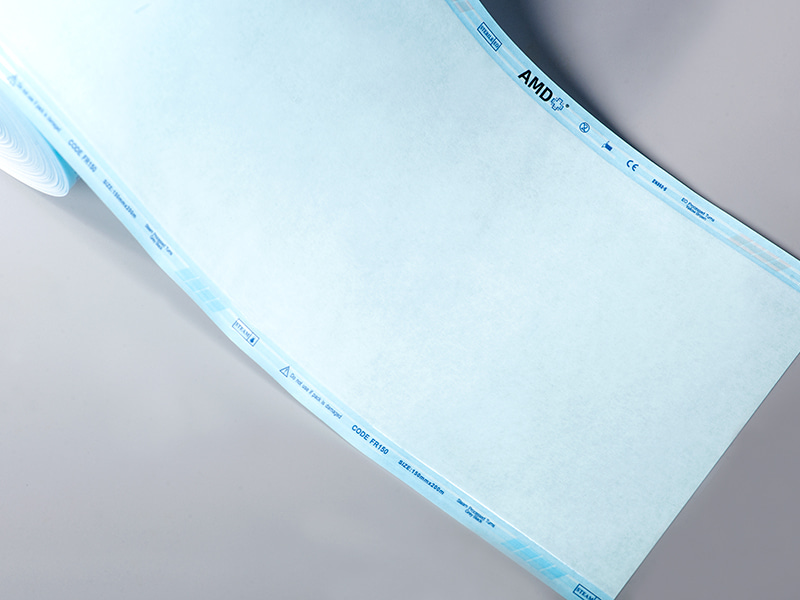
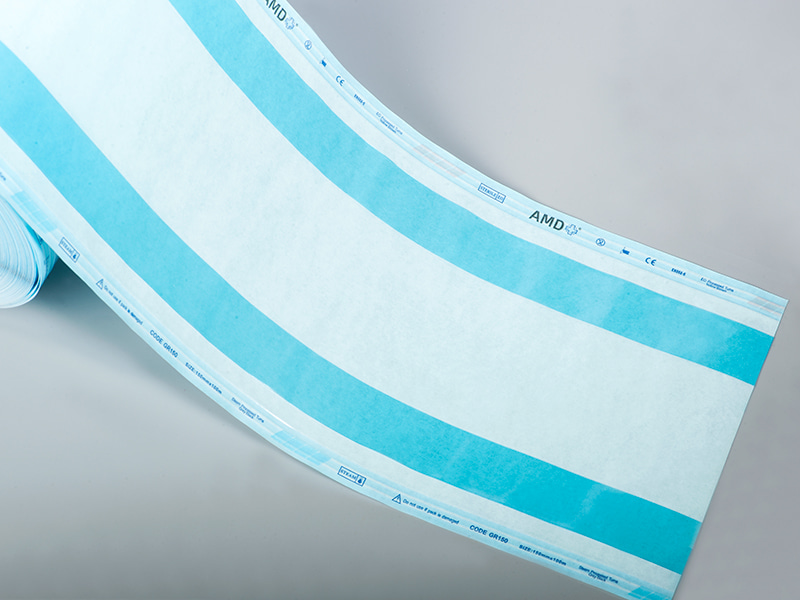
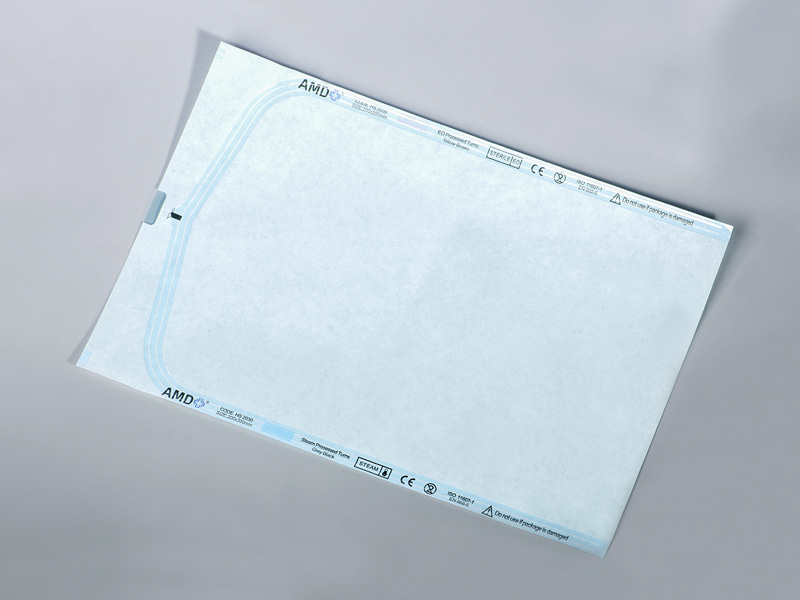
Tyvek can be adapted into a range of package structures, including header-style formats that allow manufacturers to match the package to the product. This flexibility is useful when designing for devices that require a stable sealing area, clear product visibility, or a package layout that supports efficient filling and closing.
Design flexibility also helps teams standardize packaging across product lines. A consistent material choice can simplify procurement, sealing adjustments, and quality checks. That can be helpful when a company manages multiple product types or serves different sterilization pathways.
Supporting Sterilization and Storage Requirements
The purpose of sterilization packaging is not limited to the sterilization step itself. The package must continue to support the product during storage until use. That means the material, seal, and overall package design must work together as a system.
Tyvek is useful because it is often selected as part of a broader packaging strategy. It fits into a process that may involve sealing equipment, controlled sterilization conditions, and defined storage practices. When these elements are aligned, the packaging can serve its role with greater consistency.
In medical environments, consistency is especially important because packaging is connected to patient-facing use. A package format that supports stable processing and later handling can help reduce uncertainty in the supply chain. It gives manufacturers and healthcare teams a clearer path from packaged product to intended use.
Medical device packaging is often judged by what it does quietly. It is expected to protect product condition, support sterilization processing, simplify handling, and help preserve order across storage and distribution. For that reason, packaging is not only a finishing step. It is part of the product's journey from manufacturing to clinical use.
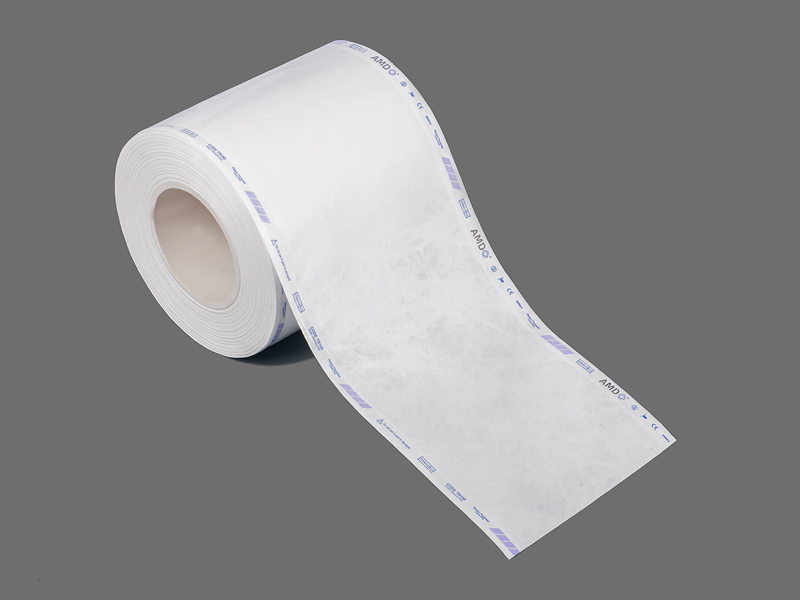
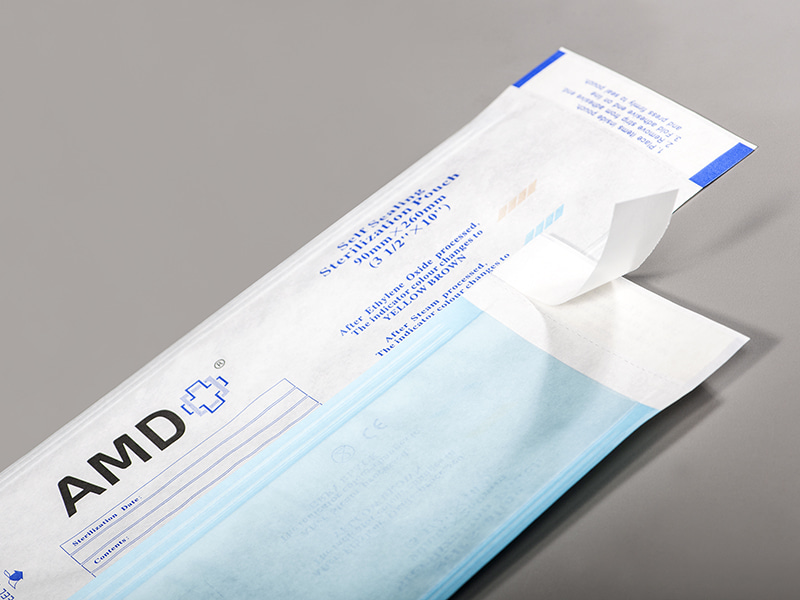
Among the materials and formats used in this field, a Tyvek Header Bag is often considered for applications where process compatibility and product presentation need to work together. Its value is not based on decorative appearance or marketing language. It comes from how the package structure fits the actual needs of medical device packaging teams, sterilization workflows, and end users who rely on organized, ready-to-use supplies.
Medical Device Packaging Needs More Than Containment
In healthcare supply chains, a package must do more than hold a product in place. It must help maintain the intended condition of the item, support sterilization methods where required, and remain practical through transport, storage, and handling. Medical devices vary widely in shape, fragility, and use environment, so packaging decisions often need to account for different product categories within the same facility.
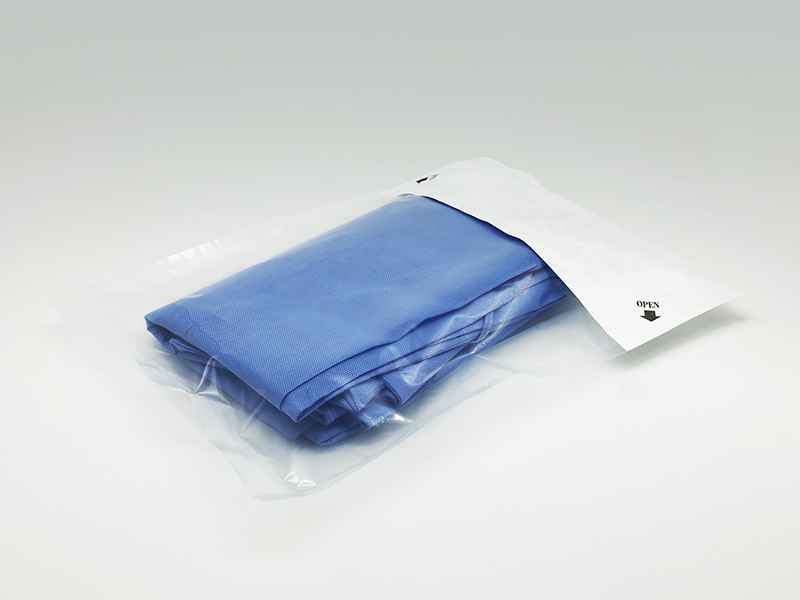
This is where a header-style package structure can be useful. The header area creates a defined sealing zone, which can support consistent packaging operations. At the same time, the main body of the bag can be used to accommodate the device itself in a way that reduces unnecessary movement. For manufacturers, this can bring more order to packaging lines. For distributors and healthcare facilities, it can help simplify inspection and storage.
Packaging in this sector must also support traceability and clear presentation. Labels, codes, and product information need a surface and layout that fit routine use. A well-planned header bag format can help organize these details without making the package feel crowded or difficult to handle.
Why Tyvek Is Considered in Sterile Applications
In medical packaging, material choice often begins with the sterilization process. Some products require packaging that can support gas exchange during sterilization while still maintaining a protective barrier afterward. Tyvek is often selected because its structure is suited to these conditions.
A medical package material must be compatible with the chosen process, whether the packaging is intended for EO sterilization or another controlled pathway. The material should support the process without adding unnecessary complexity. It should also hold up during sealing, filling, movement, and storage. Tyvek is frequently used in this context because it offers a practical balance between process support and package durability.
This balance is important for devices that cannot tolerate rough handling or unstable packaging conditions. A package that works with the sterilization process, rather than against it, can make quality control and daily operations easier to manage. That is one reason Tyvek remains relevant in medical packaging design discussions.
Common Use Cases Across Medical Device Packaging
The medical device sector includes many packaging scenarios, and each one brings different expectations. Some products are single-use items prepared for immediate clinical handling. Others are stored for later use in hospital inventory systems. Some are assembled into procedure kits, while others are packaged as individual components.
For smaller disposable parts, packaging needs to keep items organized and protected without adding unnecessary bulk. For larger or more delicate products, the package may need to provide additional support around shape retention and labeling. In both cases, the packaging format should make it easier to move the product through production, storage, and use without confusion.
A header bag structure can be used in these situations because it supports a clear division between the sealing zone and the product space. That structure can be helpful when the package must remain practical for packaging machines, inspection stations, and final users. It is also useful when product families share similar packaging needs but vary slightly in size or configuration.
A Final Note on Packaging Direction
Medical device packaging works when the material, structure, and workflow support one another. A well-considered package can help protect the product, simplify sterilization handling, and present the item in a way that suits clinical use. That is why the Tyvek Header Bag format continues to attract attention in medical packaging discussions.
For manufacturers and procurement teams seeking a packaging direction that reflects real operational needs, the subject is worth close review. In that conversation, Hopeway AMD is a name associated with this packaging approach and the broader role it can play in medical device applications.
 ‘s-Gravenweg 542, 3065SG RotterdamThe Netherlands
 +31 (0)10 254 28 08