
 English
 Français
 Deutsch
 Nederlands
Content
- 1 Understanding the Role of Sterilization Packaging
- 2 What a Self-Sealing Format Brings to Daily Work
- 3 Where Heat-Sealed Packaging Fits
- 4 Comparing Cost in a Clinic Context
- 5 Typical Use Scenarios
- 6 A Practical Answer to a Daily Clinical Need
- 7 Why the Design Supports Everyday Workflow
- 8 Product Features That Matter to Professional Users
- 9 A Measured Choice for Professional Settings
Understanding the Role of Sterilization Packaging
In a clinic, sterilization packaging is more than a container for instruments. It is part of the daily workflow, the organization of the treatment area, and the way teams handle preparation before a procedure. A pouch must support clear handling, protect contents during storage, and fit smoothly into the way staff already work. When a clinic compares a self-sealing format with a heat-sealed format, the decision is rarely about appearance alone. It is about routine, space, staffing, and the level of control the clinic wants in its packaging process.
Different clinics manage different volumes of instruments, and they also organize their work in different ways. Some rely on fast preparation across several rooms. Others use a centralized sterilization area with a fixed process. Because of this, the right packaging method is usually the one that adapts to the clinic rather than asking the clinic to adapt to it.
What a Self-Sealing Format Brings to Daily Work
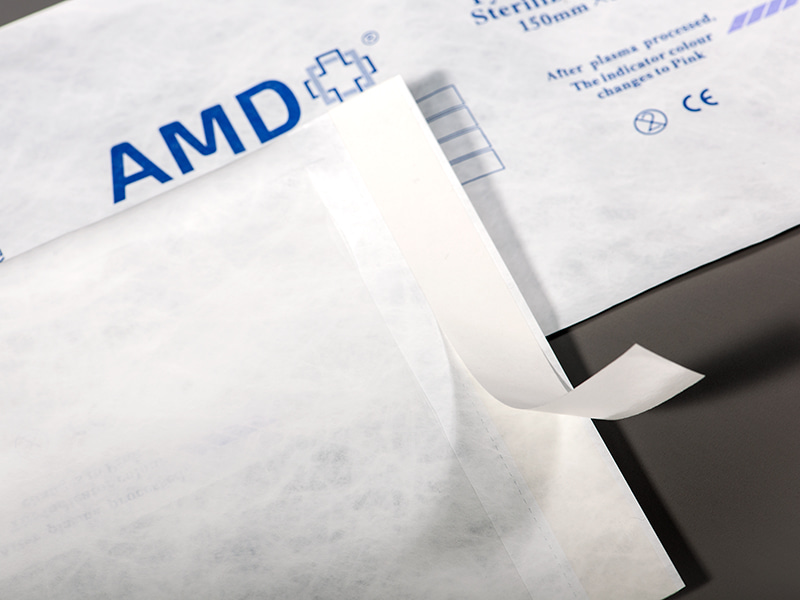
A self-sealing pouch is often selected for its simple handling. The closure step is built into the product, so staff do not need a separate sealing machine to complete the packaging process. For clinics that want to keep the setup straightforward, that can be a useful advantage.
This format is often convenient in smaller practices, satellite rooms, mobile settings, or service areas where a large sealing station would take up too much space. It can also support clinics that package instruments in smaller batches throughout the day. When the process needs to stay flexible, a self-sealing format can help reduce the number of steps between cleaning and storage.
Another point in its favor is staff accessibility. A simpler packaging routine may be easier to introduce to new team members, especially in workplaces where several people share sterilization duties. When the process does not depend on a machine for every closure, the workflow can feel less dependent on one fixed station.
Still, convenience has its limits. A self-sealing format may not suit every clinic operation. Some teams prefer a more structured system, especially when they want a dedicated packaging area and a fixed routine for every instrument. In those cases, a machine-based process may feel more orderly.
Where Heat-Sealed Packaging Fits
Heat-sealed packaging is built around a sealing device, which adds one more step to the process but also creates a more defined workstation. Clinics that already have a sterilization room or a central preparation area often appreciate that structure. Once the machine is in place, staff can follow the same routine each time, which may help keep packaging habits consistent across the team.
This format can be useful when a clinic handles a regular stream of instruments and wants packaging to be part of a larger system. It may also help in practices that prefer a more controlled setup for training, workflow division, and inventory handling. Instead of sealing each pouch by hand in different locations, the clinic can direct all packaging through one area.
That said, a heat-sealed process does require equipment, space, and familiarity with machine operation. For clinics that are just starting out, or for teams working in smaller or changing environments, the added device can feel less flexible. The process is still practical, but it asks for a more fixed arrangement.
| Comparison Aspect | Self-Sealing Sterilization Pouch | Heat-Sealed Sterilization Pouch |
|---|---|---|
| Sealing Method | Built-in adhesive strip | Requires heat sealing machine |
| Equipment Needed | No additional equipment | Sealing device required |
| Workflow Style | Flexible, decentralized | Structured, centralized |
| Ease of Use | Simple, quick to learn | Requires training |
| Space Requirement | Minimal | Dedicated workspace needed |
Comparing Cost in a Clinic Context
When clinics think about cost, the discussion is usually broader than the product itself. It includes equipment, maintenance, time, training, and how much complexity the team is willing to manage in the sterilization area.
A self-sealing option may reduce the need to purchase and maintain a sealing machine. That can matter for clinics with a limited setup budget or for practices that do not want to build a more elaborate packaging station. It may also simplify operational planning, since fewer devices can mean fewer points of upkeep.
A heat-sealed option, by contrast, involves a device and a more formal workstation. Some clinics accept that because the process becomes part of a more organized routine. In a larger practice, the added equipment may be a reasonable tradeoff if the team values a fixed packaging flow and consistent handling.
The better choice is not always the one with the smallest initial expense. It is the one that fits the clinic's working pattern without creating unnecessary friction. A lower-cost setup can still become inconvenient if it slows the team down or creates confusion in daily use. At the same time, a more structured setup may be worth the effort if it supports a cleaner division of tasks.
Typical Use Scenarios
Some clinics need packaging that can move with the work. In those environments, a self-sealing format may be easier to manage. It can fit small treatment rooms, temporary service areas, or practices where the instrument flow is not always the same from hour to hour. It is also useful when the clinic wants to keep the sterilization area compact and uncomplicated.
Other clinics are built around a dedicated packaging station. In those spaces, heat-sealed packaging can align better with the overall structure of the workflow. If the team already uses a central room for cleaning, packaging, and storage, a sealing machine may fit naturally into that arrangement. The process becomes part of a fixed routine rather than a flexible one.
The choice may also depend on staff roles. In places where several people share packaging duties, a simpler format may reduce variation in handling. In clinics with a more specialized sterilization workflow, a machine-based method may fit the division of responsibilities more closely.
A Practical Answer to a Daily Clinical Need
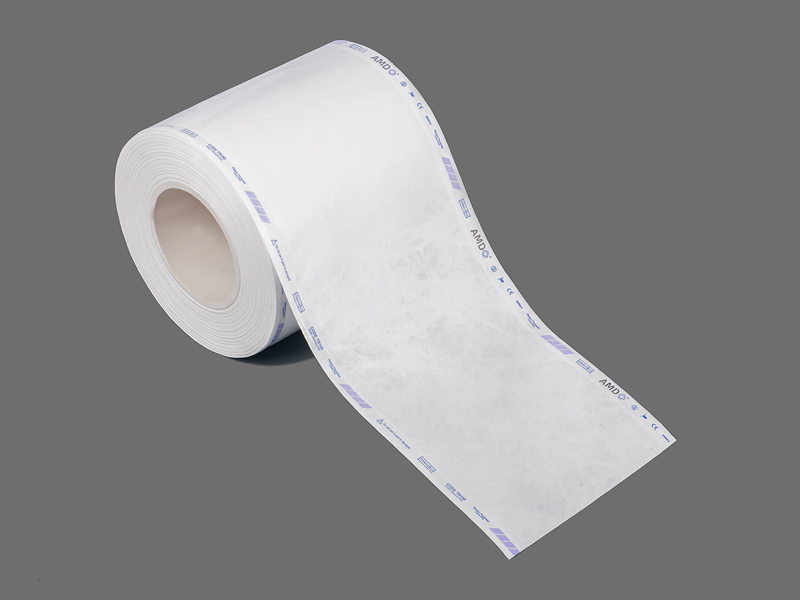
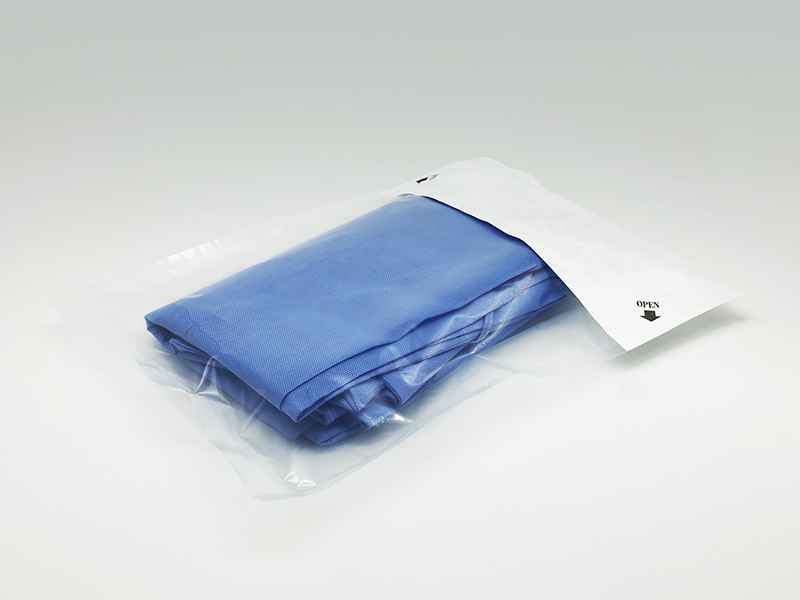
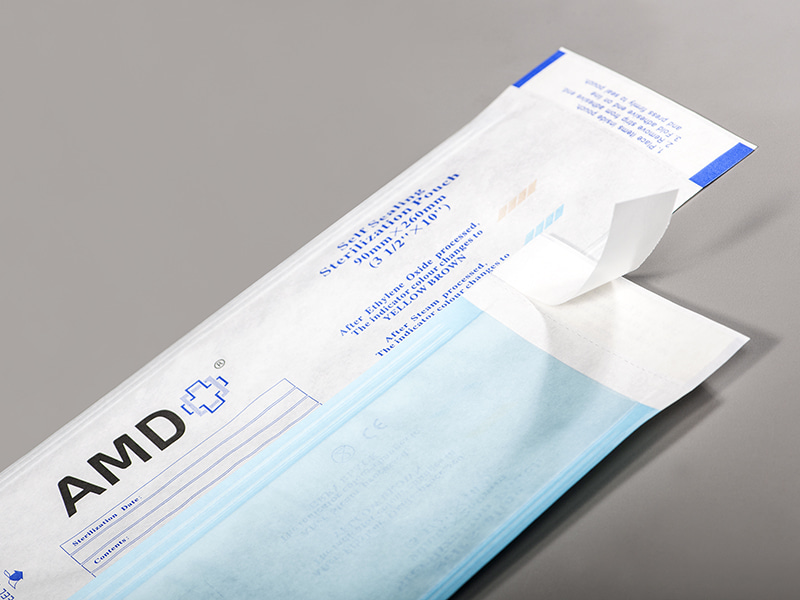
In professional environments, packaging is not a secondary detail. It is part of the routine that supports instrument handling, storage order, and preparation before use. When a clinic, dental office, laboratory, or other care setting looks for a packaging format that can fit into daily work without adding unnecessary complexity, the decision often comes down to practicality. That is one reason many institutions pay attention to a Self Sealing Sterilization Pouch. It offers a straightforward way to prepare instruments, close the package, and move through the sterilization workflow with less dependence on extra equipment.
For professional teams, a packaging choice is not evaluated only by appearance. It is judged by how it fits the rhythm of the workday. Some departments need a process that can be handled at a small station. Others need a method that allows different staff members to work with clarity and consistency. In both cases, packaging should support the process instead of slowing it down. That is where this format gains attention: it matches a real operating need rather than asking the clinic to reorganize everything around it.
Another reason for its appeal is the balance it can provide between simplicity and order. In a busy clinical environment, staff often manage many tasks at once. A packaging method that feels easy to understand, easy to apply, and easy to repeat can reduce friction in the sterilization area. That kind of operational ease is one of the main reasons professional institutions continue to consider it.
Why the Design Supports Everyday Workflow
One of the main advantages of this packaging style is the built-in closure structure. Instead of relying on a separate sealing unit, staff can complete the packaging step within the pouch itself. That can be useful in settings where space is limited, where equipment needs to be kept to a minimum, or where the workflow moves between multiple treatment rooms.
A simpler process can make a meaningful difference in a professional setting. When the packaging step is direct, staff can focus on the correctness of the procedure rather than the setup of the equipment. This can be especially helpful in clinics that handle instruments in smaller batches throughout the day. The process stays manageable, and the packaging area remains easier to organize.
The design can also support different staffing patterns. In some institutions, a few trained team members handle all sterilization tasks. In others, several people may rotate through the same role. A packaging format with a simple operating step can reduce variation between users. That matters because predictable handling is often easier to maintain when the procedure itself is uncomplicated.
Product Features That Matter to Professional Users
When professionals evaluate sterilization packaging, they usually focus on a small set of practical features. Closure integrity, material handling, visibility of contents, and compatibility with routine use are all part of the discussion. A pouch that addresses these points can become part of a dependable daily system.
One important feature is ease of handling. Staff need packaging that opens clearly, folds or closes without confusion, and allows instruments to be prepared in a controlled way. If the process feels awkward, it can interrupt the pace of the sterilization area. A well-designed self-closing structure helps reduce that problem by keeping the process direct.
Another point is storage organization. Professional institutions often need packaged instruments to remain orderly until the next step in the workflow. Packaging should support neat stacking, labeling, and movement from one area to another. A format that is easy to manage in storage can help the team maintain a more organized supply flow.
A Measured Choice for Professional Settings
The growing interest in this type of packaging reflects a larger shift in many institutions. Teams are looking for solutions that make work more manageable without adding avoidable complexity. They want packaging that fits daily use, supports orderly procedures, and remains easy to introduce across different settings.
That is the main reason this format continues to attract professional attention. It offers a practical balance: a simple structure, a manageable workflow, and a design that can fit clinics of different sizes and layouts. For institutions that value consistency in routine and clarity in handling, those qualities can matter more than anything else.
In the end, the choice comes back to fit. When sterilization packaging aligns with the way a professional team actually works, it becomes easier to keep the process organized and steady. That is why many institutions are giving this option a closer look.

 ‘s-Gravenweg 542, 3065SG RotterdamThe Netherlands
 +31 (0)10 254 28 08