
 English
 Français
 Deutsch
 Nederlands
In a dental clinic, sterilization is not only a clinical task. It is part of daily workflow, staff coordination, patient confidence, and equipment care. When instruments move through multiple hands and multiple treatment rooms, the storage and protection of cleaned tools becomes a practical concern. The way instruments are packaged before sterilization can influence how smoothly the entire process moves from the treatment chair to the sterile storage area.
A well-organized packaging routine helps staff reduce confusion, keep instruments grouped by use, and maintain a consistent sequence in the sterilization area. For clinics that manage many instrument sets each day, the packaging method should support clear labeling, simple handling, and stable sealing. It should also fit the clinic's routine without creating extra steps that slow the team down.
This is where product selection becomes a management decision as much as a technical one. A packaging solution is not just a supply item sitting on a shelf. It is part of the clinic's infection control workflow, part of the inventory system, and part of the way a practice protects its tools before and after sterilization. A thoughtful choice can help staff work with more order and less friction.
Content
- 1 Why Packaging Matters in Daily Dental Practice
- 2 Understanding the Role of Sterilization Packaging in Dental Clinics
- 3 Building a Reliable Sterilization Routine
- 4 Choosing Packaging That Fits the Clinic Environment
- 5 How to Use a Self-Sealing Design in a Dental Setting
- 6 Supporting Infection Control Through Organized Handling
- 7 Improving Clinic Management Through Clear Supply Systems
- 8 Practical Habits That Help Staff Work Smoothly
- 9 How Better Packaging Supports Patient Confidence
Why Packaging Matters in Daily Dental Practice
Dental instruments pass through repeated cycles of cleaning, inspection, packaging, sterilization, storage, and use. Each stage depends on the stage before it. If packaging is unclear, uneven, or difficult to close, the next stage becomes harder. That can create extra handling, more interruptions, and less consistency across the team.
In a busy practice, staff often manage instruments for hygiene, restoration, surgery, examination, and maintenance. Some instruments are delicate, while others are frequently used and must be turned over quickly. Packaging helps keep these groups organized. It also gives each set a defined place in the workflow so that instruments are easier to track during preparation and use.
Packaging also supports clinic communication. When a sealed package is prepared in a repeatable way, any trained team member can understand what is inside, when it was prepared, and where it belongs in the rotation. This matters in multi-chair practices where staff members may change shifts or work across rooms. A consistent method lowers the risk of procedural confusion and helps the clinic stay orderly.
Understanding the Role of Sterilization Packaging in Dental Clinics
The Connection Between Sterilization and Daily Operations
Dental instruments are reused across multiple patients, making sterilization a continuous and structured process rather than a one-time task. Proper packaging plays a key role in:
- Maintaining sterility after autoclaving
- Allowing clear identification of processed instruments
- Supporting organized storage and retrieval
- Reducing the risk of cross-contamination
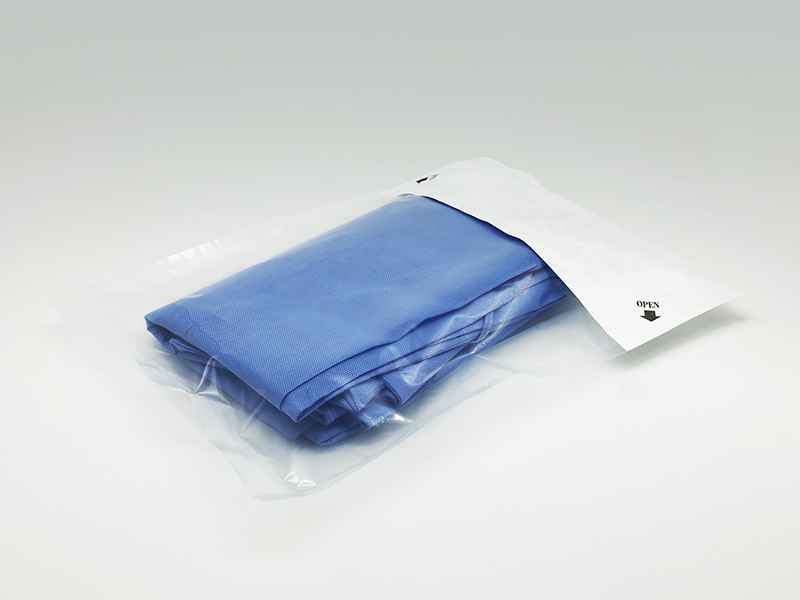
Sterilization pouches act as a protective barrier that helps ensure instruments remain in a controlled state until use.
Building a Reliable Sterilization Routine
A workable sterilization routine starts long before the packaging stage. Instruments should be cleaned and inspected carefully, with attention to residue, damage, and readiness for the next step. Once the set is prepared, the packaging stage should be straightforward enough that staff can follow it with confidence.
The packing area should be arranged so that the team can move in a clear sequence. Clean instruments should be placed in their correct sets, packaging materials should be stored neatly, and sealing should be done in a way that leaves little room for uncertainty. When packaging is handled in a repeatable way, the clinic can maintain a steadier rhythm during the day.
A strong routine also depends on staff habits. Training should focus on consistency rather than improvisation. Team members should understand how to place instruments inside the pouch, how to close it evenly, and how to avoid overfilling. They should also know how to check the package before sterilization so that the contents are arranged safely and the closure is secure.
When a clinic treats packaging as part of the workflow rather than an afterthought, the overall process becomes easier to manage. The result is a cleaner handoff from one step to the next, with less need to revisit the same package multiple times.
Choosing Packaging That Fits the Clinic Environment
Dental clinics have different needs depending on their size, patient flow, and treatment mix. A small practice may need packaging that supports flexibility and simple storage. A larger clinic may need packaging that fits a more structured inventory process and a wider range of instrument sets. In both cases, the packaging should align with the clinic's normal habits.
Material behavior is important. Staff need packaging that is easy to handle, easy to inspect, and suitable for regular clinical use. The package should close without unnecessary strain and remain manageable during the sterilization cycle and storage period. If the packaging is difficult to use, staff may develop workarounds that reduce consistency.
Size choice also matters. Packages should match the instrument set rather than force instruments into a space that is too small or too loose. A proper fit helps keep the set organized and helps staff prepare each pack with less adjustment. When the packaging matches the clinical purpose, the workflow tends to feel more natural.
For purchasing teams, packaging selection is also linked to storage planning and supply management. Items that fit well into shelving, drawer systems, and packaging stations can simplify restocking. A clinic that chooses supplies with a clear routine in mind often finds it easier to maintain order across the sterilization area.
How to Use a Self-Sealing Design in a Dental Setting
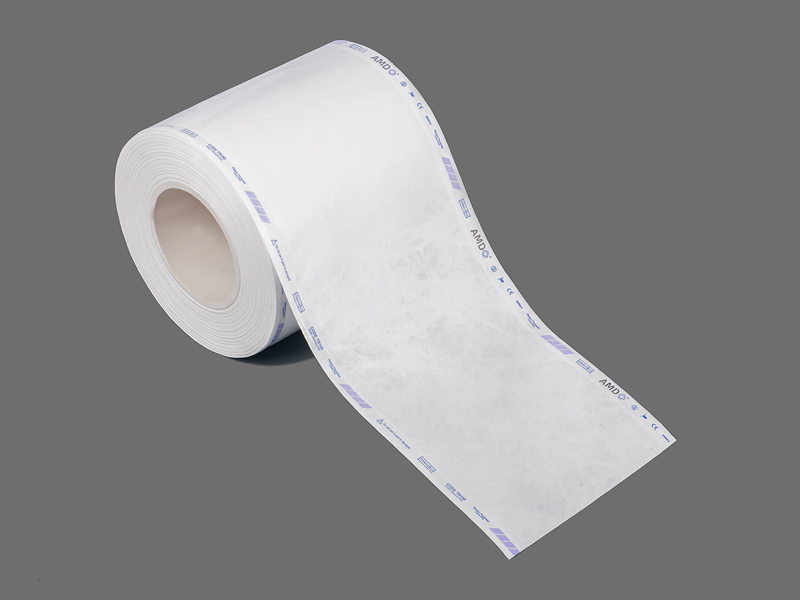
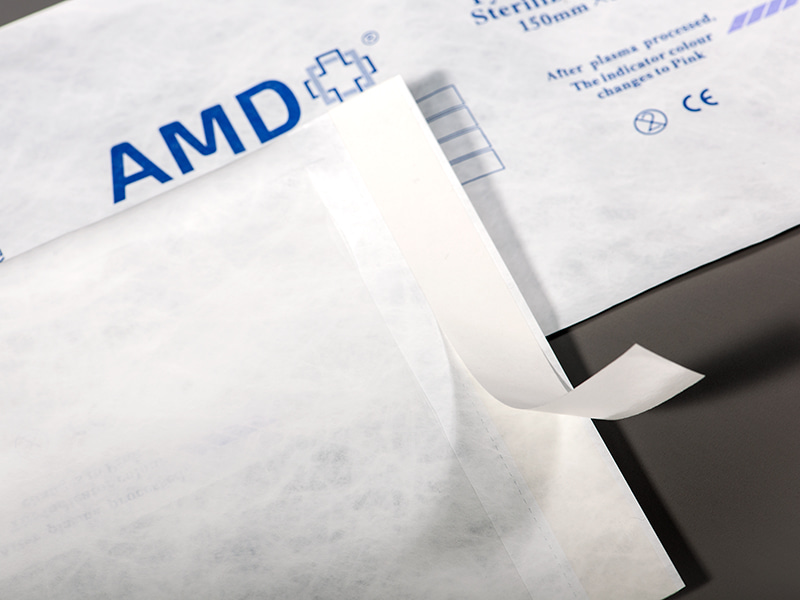
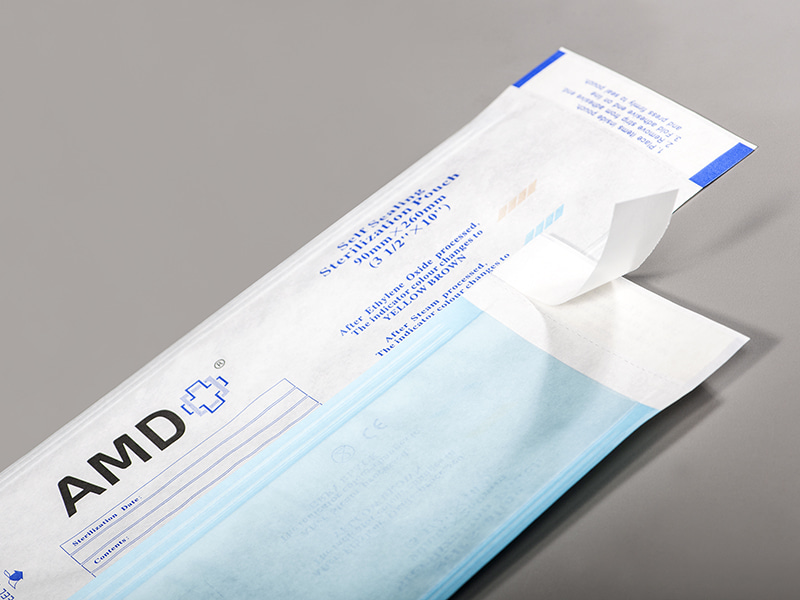
The use of a Self Sealing Sterilization Pouch should be built around clear steps and careful handling. The goal is not speed alone, but a steady and predictable process that supports the clinic's sterilization routine. Staff should begin by confirming that the instruments are ready, clean, and correctly arranged for the intended procedure set.
Once the instruments are placed inside, the closure should be made evenly, without twisting or forcing the edges. A clean seal helps the package remain stable during handling and storage. Staff should avoid rushed movements that may distort the pouch or make the package harder to read later. A consistent folding and closing habit can help the entire team work with fewer errors.
It is also useful to establish a standard check before the package moves on. The team should confirm the contents, the closure, and the general appearance of the pack. If a package looks uneven or incomplete, it should be corrected before sterilization. That small habit can save time later and reduce the need for rework.
In clinics where different staff members share sterilization duties, simple routines are valuable. A packaging design that does not require special tools or complicated steps can be easier to train and easier to repeat. Over time, that kind of structure can support smoother clinic operations.
| Step | Process Stage | Key Actions | Purpose in Clinic Workflow |
|---|---|---|---|
| 1 | Instrument Preparation | Clean, inspect, and group instruments | Ensure readiness before packaging |
| 2 | Pouch Selection | Choose appropriate size and type | Match instruments with proper packaging |
| 3 | Instrument Placement | Arrange tools neatly inside the pouch | Maintain order and avoid damage |
| 4 | Sealing | Close pouch evenly and securely | Support stable handling and storage |
| 5 | Pre-Sterilization Check | Verify contents and sealing condition | Reduce need for reprocessing |
| 6 | Sterilization Process | Place pouches into sterilization equipment | Complete sterilization cycle |
| 7 | Storage | Store sealed pouches in designated areas | Keep instruments organized |
| 8 | Clinical Use | Open pouch at point of use | Maintain workflow efficiency |
Supporting Infection Control Through Organized Handling
Infection control is not only about sterilization itself. It is also about how instruments are handled before and after sterilization. Packaging creates a bridge between those stages. A well-managed package helps protect instruments from unnecessary contact and gives staff a cleaner way to move sets through the clinic.
Once instruments have been prepared, they should be placed into packages in a way that keeps the contents orderly. The package should then move through sterilization and storage with minimal disturbance. If the clinic keeps packages organized by treatment type or room assignment, staff can retrieve them more easily when needed.
Good handling also reduces avoidable touchpoints. Each time a package is opened, moved, or rechecked, the process becomes more complex. By creating a clear packaging routine, the clinic can simplify the journey from preparation to use. That helps keep the workflow calm and easier to supervise.
Packaging is also useful for traceability within the clinic's internal system. Even without relying on complicated processes, a consistent package format can help staff understand what has been prepared and where it belongs. That practical clarity supports everyday infection control practices.
Improving Clinic Management Through Clear Supply Systems
Sterilization packaging is part of clinic management because it affects how staff allocate time, supplies, and attention. A practice that keeps its packaging routine organized can often manage the sterilization area with less stress. Instruments are easier to prepare, supplies are easier to restock, and staff spend less time searching for what they need.
A clear system also helps when the clinic welcomes new staff. Training becomes simpler when packaging steps are consistent and easy to demonstrate. New team members can learn the sequence more quickly when the process is built around repeatable habits. That lowers dependence on informal instruction and helps the clinic maintain stable standards.
Inventory planning benefits as well. When packaging materials are stored in a defined place and used according to a clear schedule, the team can monitor usage more naturally. Restocking becomes part of a routine instead of a last-minute response. This kind of organization supports smoother operations across the clinic, especially during busy periods.
The same logic applies to room turnover. If instruments are prepared in a predictable format, the handoff between treatment rooms and sterilization staff becomes easier to coordinate. Clear packaging practices can therefore contribute to both patient flow and staff efficiency.
Practical Habits That Help Staff Work Smoothly
A clinic does not need a complicated system to improve its sterilization workflow. Often, the useful changes are the ones that make daily tasks more consistent. One helpful habit is assigning a fixed place for packaging supplies so staff are not moving around the room to gather materials. Another is standardizing the sequence used to prepare each instrument set.
It also helps to keep the packaging area tidy and uncluttered. When surfaces are clear, staff can work with more attention and fewer interruptions. A clean workspace supports better handling and makes it easier to notice when something is not ready.
Another useful habit is reviewing the packaging process as part of team meetings or internal training. Staff can discuss what causes delays, where confusion happens, and how the routine can be made clearer. These small adjustments often have a greater effect than large process changes.
A clinic that values consistency will usually find that its packaging workflow becomes more manageable over time. Instead of treating every package as a separate task, the team begins to follow a familiar pattern. That pattern supports speed, order, and clarity in daily work.
How Better Packaging Supports Patient Confidence
Patients may not see every step of the sterilization process, but they notice the result in the professionalism of the clinic. Organized instrument handling, clean preparation areas, and steady routines all contribute to a sense of trust. When the clinical environment feels controlled and orderly, patients are more likely to feel at ease.
A neat packaging system sends a quiet message about the practice. It suggests that the team pays attention to detail and manages its workflow with care. That impression can matter in a setting where patients are already sensitive about cleanliness, safety, and professionalism.
The appearance of the sterilization area is part of this experience as well. A clinic that keeps its tools, supplies, and packaging workflow in order is often easier for staff to present confidently. Even when patients do not ask about sterilization directly, they often notice the calm structure behind the scenes.
In this sense, packaging is both a technical and a service-related choice. It supports the practical work of the clinic while also contributing to the patient's overall view of the practice.
For dental clinics, a well-planned sterilization routine is a working system that supports safety, organization, and daily efficiency. Packaging plays a central role in that system because it connects the cleaning stage, the sterilization stage, and the storage stage. When staff use a clear and repeatable method, the workflow becomes easier to manage and easier to train.
A clinic that chooses supplies with consistency in mind can improve handling, reduce confusion, and support smoother room turnover. The goal is not to add complexity, but to create a dependable structure that fits the real pace of dental practice. With clear habits, careful preparation, and a practical approach to supply selection, the sterilization area can become a more controlled part of the clinic's daily operations.
In modern dental management, small process decisions often shape the quality of the whole system. Packaging is one of those decisions, and when handled thoughtfully, it can support both staff efficiency and a more organized clinical environment.

 ‘s-Gravenweg 542, 3065SG RotterdamThe Netherlands
 +31 (0)10 254 28 08