
 English
 Français
 Deutsch
 Nederlands
When teams evaluate protective packaging and single-use covers for clinical, laboratory, or industrial settings, choices usually hinge on a handful of practical questions: does the material support needed processing steps, will it maintain a clean barrier while allowing required gas exchange, and how will it behave on the workfloor over a full shift?
Content
- 1 What the product line says about materials and intended use
- 2 A quick primer on Tyvek and why it is commonly chosen
- 3 How “breathable” is defined in this context — and what it does not mean
- 4 Practical advantages that buyers commonly weigh
- 5 Design details that influence real-world performance
- 6 Where the product fits in common workflows
- 7 A short procurement checklist
- 8 Common misconceptions and things to avoid
What the product line says about materials and intended use
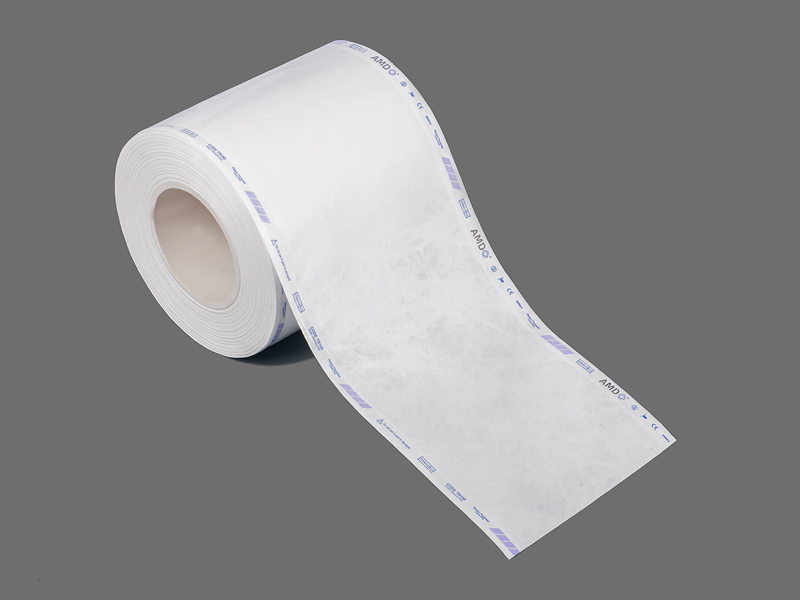
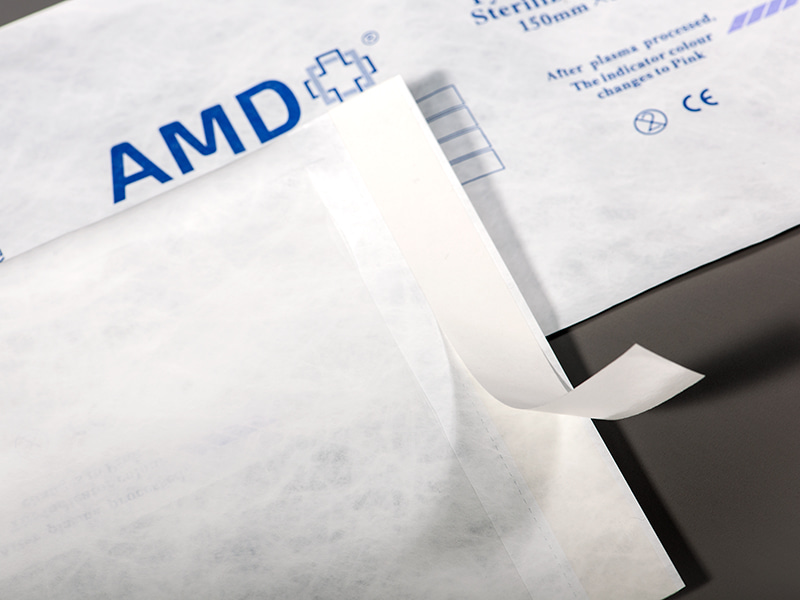
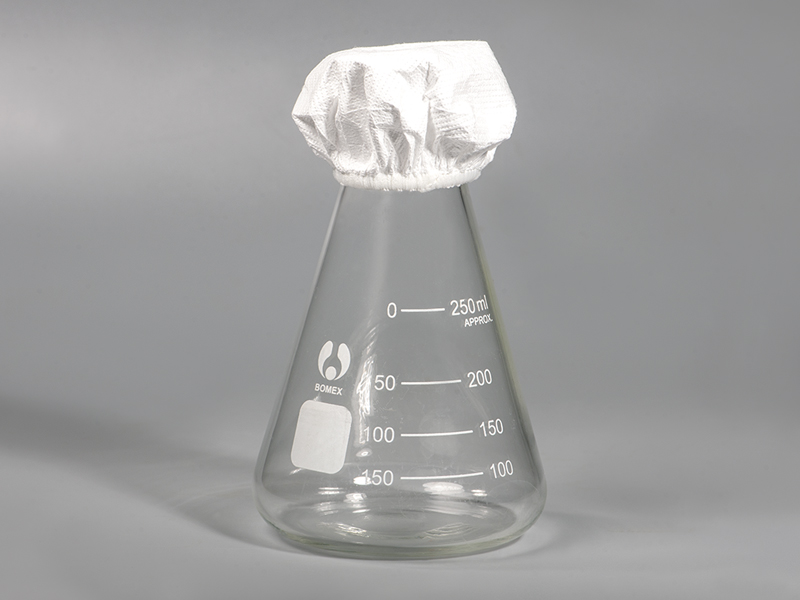
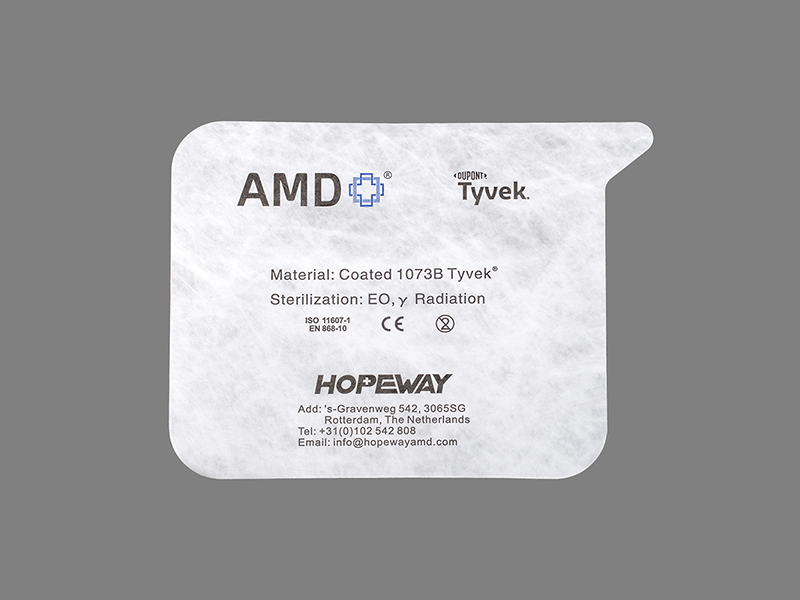
According to Hopeway Amd's published information, the breathing cover is manufactured from a Tyvek variant intended for sterile-process contexts and is described in relation to recognized cleanroom and medical-device packaging standards. That positioning explains why organizations that must preserve aseptic conditions often consider this type of flexible packaging rather than a generic film or paper alternative. Readers should confirm which Tyvek grade is being supplied for their order and request the supplier's statements about intended sterilization compatibility before committing to a large purchase.
A quick primer on Tyvek and why it is commonly chosen
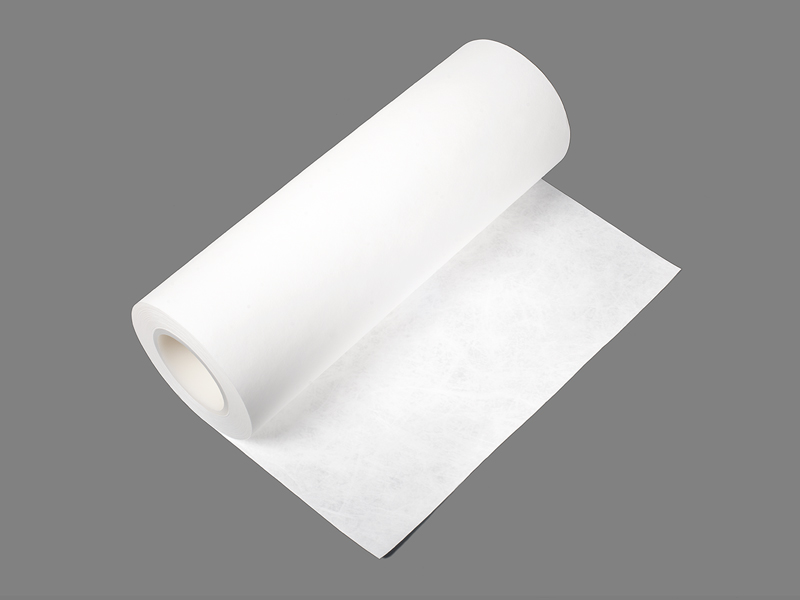
Tyvek is a family of spunbonded polyolefin nonwoven materials that is widely used in medical packaging and related applications because it offers a particular mix of tear resistance, low particle release, and permeability characteristics that can be engineered for sterilization processes. The brand owner's technical materials explain that different Tyvek grades are optimized for various healthcare needs—from high mechanical strength to options meant for in-process pharmaceutical protection—so selecting the correct grade is essential to match the process requirements. In short, the raw material's established industrial use is one reason organizations include Tyvek-based covers in their options list.
How “breathable” is defined in this context — and what it does not mean
In packaging and protective cover vocabulary, “breathable” typically refers to controlled transmission of sterilizing gases and to water vapor permeability rather than to filtration of airborne particles for respiratory protection. That distinction matters: unless a product is specifically tested and certified as respiratory protection, it should not be used in place of respirators or masks intended for personal respiratory protection. Instead, breathable covers are often selected for tasks such as protecting cleanroom components, allowing sterilant penetration during validated sterilization cycles, or reducing condensation while maintaining a barrier to particulate transfer.
Practical advantages that buyers commonly weigh
When a facility compares options, several practical factors shape the decision. For a Tyvek-based breathing cover supplied by a specialist like Hopeway Amd, these include:
- Sterilization compatibility: the material family and the specific grade determine whether steam, ethylene oxide, radiation or other sterilization methods are acceptable; buyers should ask for documented compatibility.
- Physical durability: nonwoven polyolefin fabrics are designed to resist tearing and puncture relative to many paper-based replacements, making them more reliable during repeated handling.
- Controlled moisture handling: for some processes, managing moisture and avoiding condensation on items is as important as maintaining a microbial barrier; breathable substrates can help.
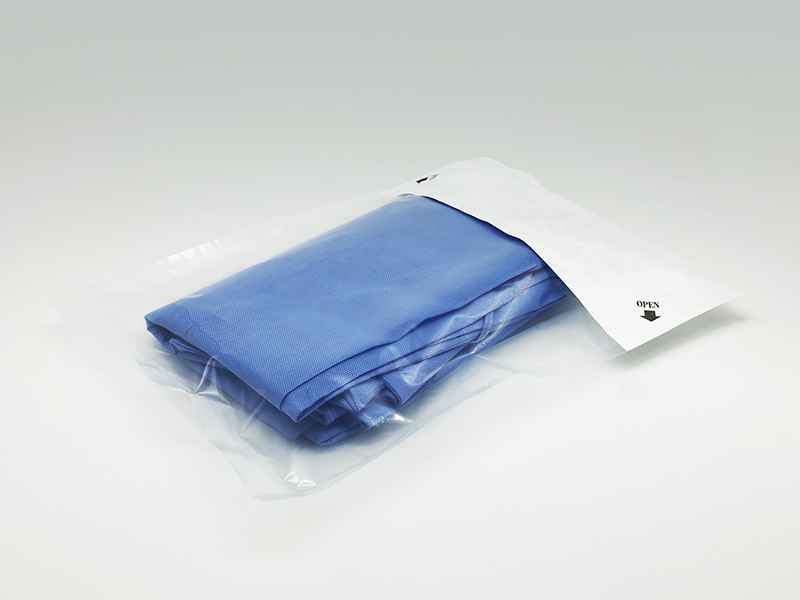
- Ease of handling and packaging: single-unit packaging and consistent pack geometry can reduce contamination risk during use and speed preparation steps.
Design details that influence real-world performance
Material alone does not determine outcome. The overall design—seam construction, closures, size range, and packaging format—affects how reliably the cover works in practice. For example, welded or taped seams typically reduce liquid ingress compared with stitched seams; elastic or overlapping closures can reduce the risk of small gaps during handling. Facilities should verify sample units under representative conditions to evaluate issues such as donning speed, fit variability across body types (if relevant), and whether seams or closures interfere with routine tasks.
Where the product fits in common workflows
Below are typical scenarios in which a Tyvek-based breathable cover may offer value; this helps buyers place the item in their protective plans rather than treating it as a universal solution.
- Cleanroom equipment protection: wraps for instruments and accessories where sterilant access is needed yet particulate intrusion must remain low.
- Transport and handling of sterile components: when items move between controlled zones a durable, breathable cover reduces contamination risk.
- Short-duration protective layering: in settings where a lightweight, single-use barrier suffices and extended wear comfort is important.
Documentation and verification to request from suppliers
Regulatory compliance and sound procurement practice depend on traceable documentation. Before awarding a contract, ask the vendor for:
- A clear statement of intended uses and explicit exclusions (for example, not for use as a respirator).
- Third-party test reports for key parameters relevant to the application: microbial barrier, particulate penetration, seam integrity, and sterilization compatibility.
- Manufacturing traceability: lot numbers, conversion site, and quality management references.
- Packaging and storage conditions with shelf-life guidance.
- Sustainability and disposal information to support total cost calculations.
Sustainability, disposal, and total cost of ownership (TCO)
Industrial and healthcare purchasers increasingly account for waste handling in lifecycle cost models. Single-use breathable covers reduce laundering and reprocessing costs but generate solid waste streams that facilities must manage. Options to reduce downstream impact include choosing products with minimal material mixing for simpler disposal, working with suppliers who disclose post-consumer packaging content, or exploring take-back schemes if available. These factors should be part of an apples-to-apples TCO review that includes training, storage, and waste handling costs.
Field testing and the value of staged rollouts
Laboratory data and sales literature are essential, but they do not always reveal human factors or fit issues. A short pilot—run under the same conditions staff will experience—can surface problems such as seam irritation, cuff slippage, or unexpected interference with common tasks. Gathering structured feedback during a pilot permits quick adjustments (size mix, seam choice, pack format) before a wide implementation.
Training and risk communication
Even straightforward covers require correct handling. Donning and doffing mistakes are a common source of contamination events in many workflows. Provide pictorial instructions with each pack, brief hands-on practice for relevant teams, and clear messaging about the product's limits—especially around respiratory protection and chemical resistance—so staff know when other PPE is required.
A short procurement checklist
| Item to verify | Why it matters |
| Intended use statement | Prevents misuse outside validated conditions. |
| Sterilization compatibility | Ensures material will accept the sterilization method in your process. |
| Third-party test reports | Confirms lab performance claims under accredited testing. |
| Traceability and lot numbering | Supports quality management and recall handling. |
| Packaging and shelf-life | Affects storage planning and wastage risk. |
| Disposal guidance | Influences total lifecycle costs and compliance. |
Common misconceptions and things to avoid
Several mistaken assumptions recur in purchasing discussions:
- Treating breathable covers as personal respirators: these products are designed for packaging and light barriers, not for replacing certified respiratory devices.
- Assuming all Tyvek grades are interchangeable: different grades are formulated for distinct uses, so verify the exact grade and its intended processing methods.
- Believing thicker always equals better: heavier materials may reduce comfort and increase heat retention, lowering compliance in long shifts. Test for wearability as well as barrier performance.
A breathable cover constructed from an engineered nonwoven such as Tyvek can offer a useful balance of permeability and barrier properties for applications that require sterilization access, particulate control and easier handling. Hopeway Amd positions its Tyvek-based option within this space; however, successful adoption depends on matching the right grade to the right workflow, verifying documented performance, and confirming that staff handling and disposal systems are in place. By focusing on documented evidence, pilot testing, and lifecycle costs, organizations can make an informed choice that meets operational and regulatory needs without overstated claims.
 ‘s-Gravenweg 542, 3065SG RotterdamThe Netherlands
 +31 (0)10 254 28 08