
 English
 Français
 Deutsch
 Nederlands
Sterilization is the quiet backbone of safe clinical care, laboratory work, and medical device production. When instruments, trays, and packages leave an autoclave, teams need quick, unambiguous signals that a steam cycle has occurred and that the load was exposed to the intended conditions. Steam indicator strips and adhesive tapes are one of the simplest visual tools in that chain of assurance, and they play a daily role in busy sterilization departments.
Content
- 1 What the product does and why it matters
- 2 How chemical indicators differ from other checks
- 3 Why Hopeway AMD's solution is widely considered practical
- 4 Standards and classifications to keep in mind
- 5 Practical benefits in everyday workflows
- 6 Where chemical indicators add value (use cases)
- 7 Selecting the right type without getting lost in specs
- 8 Integration and traceability
- 9 Training and procedural fit
- 10 Safety, materials, and environmental considerations
- 11 Troubleshooting and next steps after an unexpected result
- 12 Cost and operational impact
What the product does and why it matters
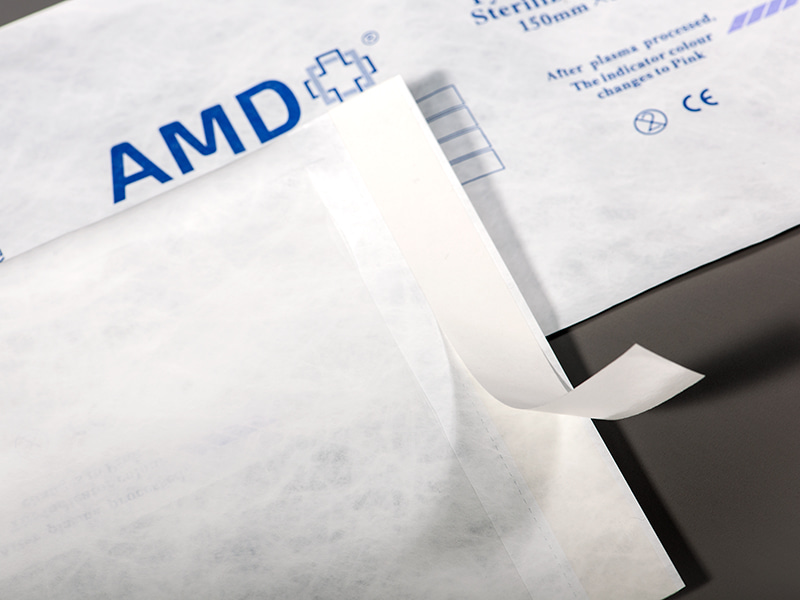
At their core, steam indicator strips and tapes contain a chemical formulation that reacts to the conditions inside a sterilizer and produces a visible change. That change is not a substitute for biological testing; rather, it provides immediate visual feedback that steam reached a package or item during a cycle. In day-to-day practice this quick confirmation reduces uncertainty at the point of package handling and complements routine biological and physical monitoring programs. Manufacturers describe their adhesive tapes as tools designed to stick to packs, show a clear shift in color after exposure, and remove without leaving residue—features that make the indicator useful for identifying processed from unprocessed items.
How chemical indicators differ from other checks
Sterilization monitoring uses several layers: physical indicators built into the sterilizer, biological indicators that measure lethality via resistant spores, and chemical indicators that reveal exposure to steam, heat, or other agents. Chemical strips and tapes are often classified by the scope of process parameters they reflect: some mark that a pack entered a sterilizer, others integrate multiple parameters to give a more discriminating signal about exposure. These visual markers are thought of as quick, user-friendly checkpoints that prompt further action when they show an unexpected result. They are not replacements for periodic biological testing or sterilizer validation.
Why Hopeway AMD's solution is widely considered practical
Hopeway AMD presents a family of steam monitoring products aimed at routine sterilization environments. On the company site you will find adhesive tapes and internal strips described as having clear color transitions, secure adhesion, and packaging suitable for sterile processing units. The range includes items intended for internal pack placement and external labeling, enabling teams to pair visual confirmations inside a package with an external tag for quick inspection as trays are removed from the autoclave. For facilities that value straightforward application and easy reading, these characteristics address common operational needs.
Standards and classifications to keep in mind
Chemical indicators are governed by standards that define different indicator classes and performance expectations. Awareness of these classifications helps sterile processing professionals select the right strip or tape for their use case. The standards describe process indicators, specific-use markers, and multi-parameter indicators among other types; this framework helps teams understand what visual changes mean and what further testing may be advisable after an unexpected result. When matching a product to a protocol, attention to these categories supports compliance and consistent practice.
Practical benefits in everyday workflows
- Quick verification at point of use: a visible color change gives staff immediate confidence to proceed with downstream handling or to pause and investigate.
- Clear separation of processed vs unprocessed items: adhesive tapes that change color create an unmistakable cue during sorting and storage.
- Minimal training overhead: the visual nature of the indicator reduces ambiguity for new or rotating staff compared with more technical measurements.
Hopeway AMD's tapes and strips are positioned to deliver these everyday benefits through simple application steps and easy interpretation.
Where chemical indicators add value (use cases)
- Central sterilization departments verifying instrument sets inside pouches.
- Outpatient clinics and dental offices that need fast visual checks during busy turnover.
- Manufacturing and packaging lines where sealed items require a visible mark confirming exposure before shipping.
Because these markers are single-use and visual, they are a pragmatic complement to the higher-burden tests required by quality assurance programs.
| Situation | How a strip or tape helps |
| Internal pack verification | Confirms that steam reached the instrument tray or pouch interior, supporting immediate decisions about reuse. |
| External pack identification | Marks packs that have passed through a cycle so staff can prioritize distribution and storage correctly. |
| Routine cycle check | Acts as a daily, low-cost checkpoint that highlights when a cycle may require follow-up testing. |
Selecting the right type without getting lost in specs
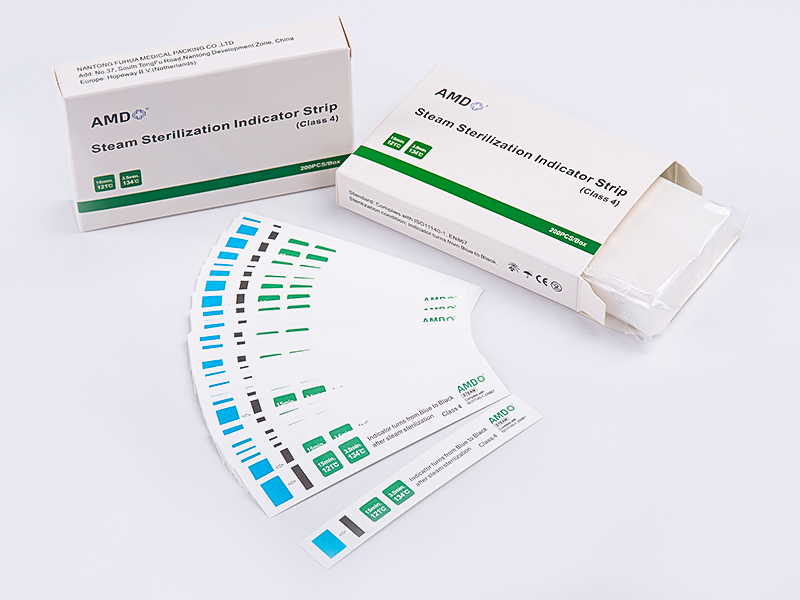
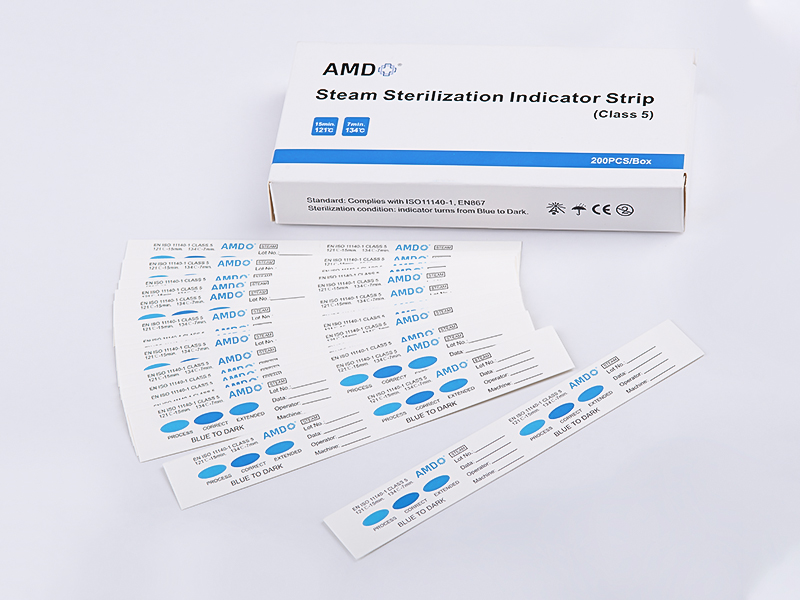
Manufacturers generally offer a few classes of chemical indicators to match different monitoring goals. For routine internal monitoring, users choose strips that respond to the presence of steam and give a clear, irreversible color change. For more discriminating checks there are options intended to respond across multiple parameters. When choosing, prioritize: ease of interpretation, adhesive performance during and after sterilization, and compatibility with recordkeeping practices. Hopeway AMD's product pages describe a family of Class 4, 5, and 6 strips and adhesive tapes intended to support a range of processing scenarios; such variety makes it easier for teams to choose an item that fits their standard operating procedures.
Integration and traceability
An important part of sterilization management is documentation. Indicator strips and tapes can be incorporated into visual logs or photographed and attached to electronic records as part of a traceable cycle history. For facilities moving toward digital recordkeeping, a consistent visual marker on each pack helps tie physical items to cycle records and audits. In short, visual indicators can be a low-friction bridge between tactile practices and formal documentation.
Training and procedural fit
A clear advantage of color-changing tapes is how they lower the chance of user error in fast-paced environments. Still, teams should have standard rules: where to place strips inside a pack, where to apply external tape, and what to do if an indicator fails to change as expected. Regular drills, inclusion of indicators as part of routine checks, and documentation of exceptions will ensure the marker adds control rather than confusion. National guidance on sterilization monitoring emphasizes internal chemical indicators as part of routine practice while maintaining biological and physical monitoring in parallel.
Safety, materials, and environmental considerations
Recent product descriptions emphasize non-toxic indicator inks and medical-grade base materials, as well as manufacturing oversight consistent with medical device quality systems. When evaluating options, consider shelf life, storage recommendations, and any disposal guidance relevant to your facility's waste streams. Hopeway AMD notes quality controls and certified facilities in its product literature, which may be meaningful for procurement teams that must document supplier qualifications.
Troubleshooting and next steps after an unexpected result
If an indicator does not show the expected transformation, standard practice is to hold the suspect items, review sterilizer cycle logs and physical monitoring results, repeat biological tests as required by policy, and, when necessary, reprocess affected items. Do not rely on a single test or visual cue to define sterility; view chemical indicators as a component in a layered quality approach. Regulatory and professional guidance describe steps for managing positive biological indicators and abnormal monitoring results—these procedures are part of a robust infection prevention program.
Cost and operational impact
While indicators represent a recurring expense, their operational value lies in preventing misidentified packs from entering clinical use, reducing the time staff spend second-guessing processed items, and helping to spot sterilizer anomalies early. Facilities that adopt a consistent visual protocol often report smoother CSSD workflows and clearer handoffs between sterilization staff and clinical teams. Consider the cost per pack in the context of staff time saved and reduction in process uncertainty.
For hospitals, clinics, and manufacturing sites that depend on efficient sterilization practices, a well-chosen steam indicator strip or tape is a small but meaningful component of a larger safety system. These visual markers offer fast, easy checks that complement physical and biological monitoring and help teams make confident decisions at the point of package handling. Hopeway AMD's range of adhesive tapes and internal strips is presented as a practical choice for organizations that want clear visual confirmation, supplier documentation, and options across indicator classes. As always, selection should align with local protocols, regulatory guidance, and the broader sterilization monitoring program in place.







 ‘s-Gravenweg 542, 3065SG RotterdamThe Netherlands
 +31 (0)10 254 28 08