
 English
 Français
 Deutsch
 Nederlands
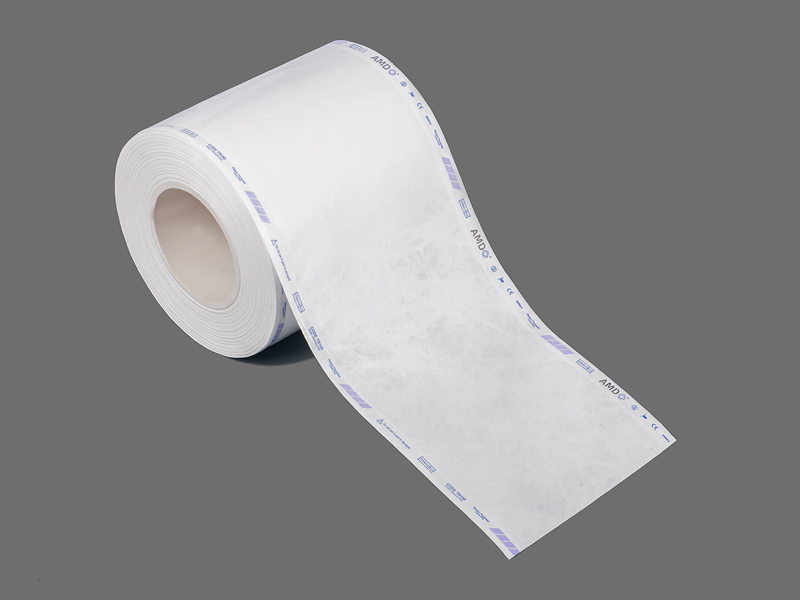
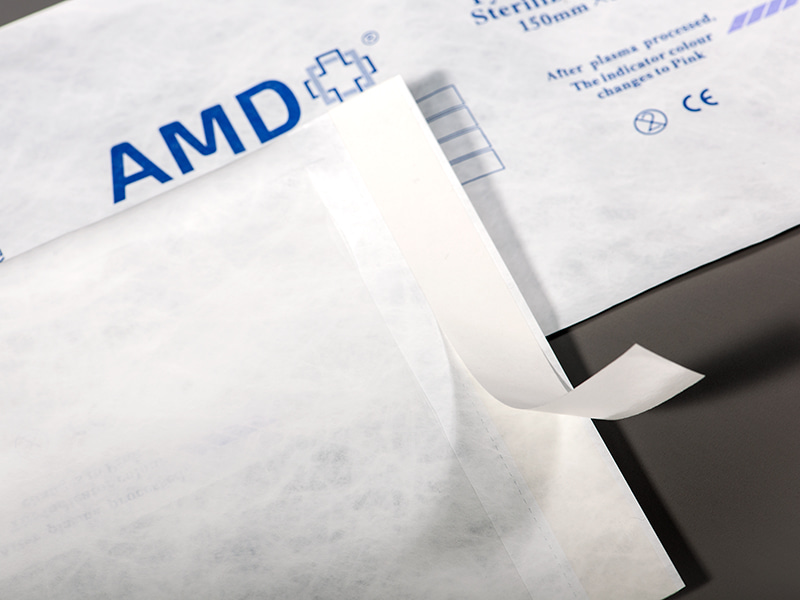
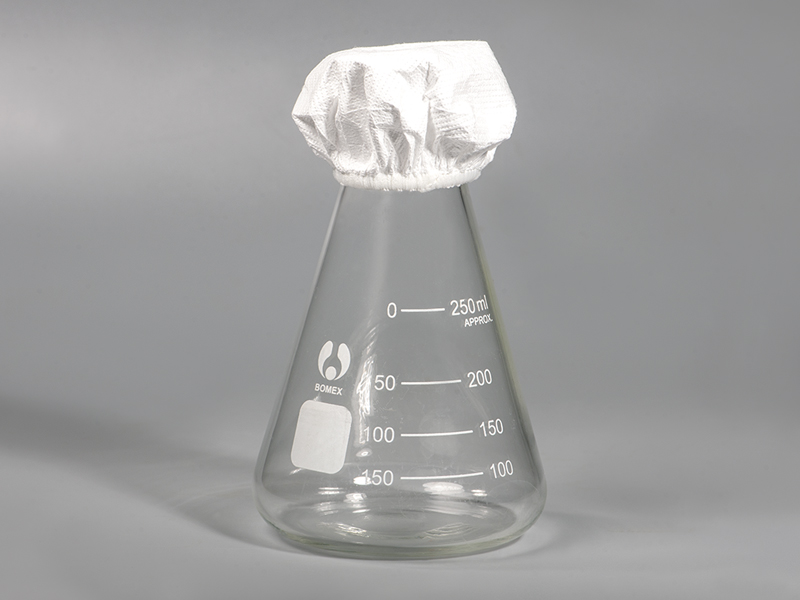
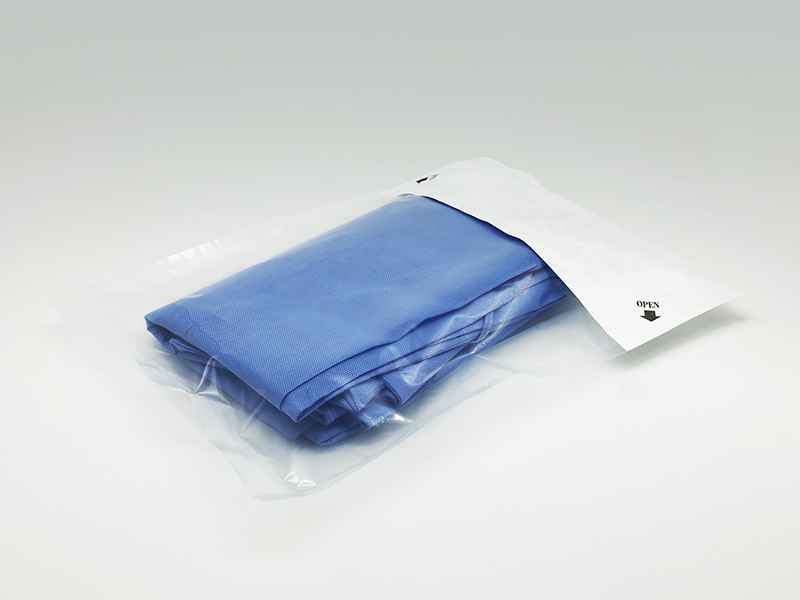
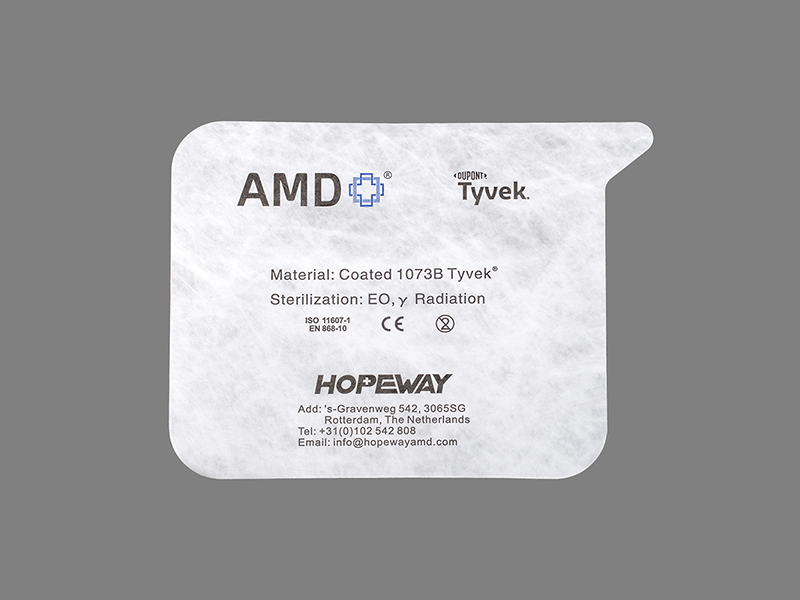
In a healthcare ecosystem that demands consistent protection, predictable performance, and smooth logistics, protective coverings have moved from simple disposables to carefully engineered components of infection prevention systems. The Hopeway AMD Tyvek Breathing Cover has entered this conversation as a solution positioned for use where barrier properties, wearer acceptability, and operational fit matter. Market context: where protective covers fit today
Over recent years, healthcare and laboratory settings have increased attention on single-use protective products that combine consistent manufacturing with traceable quality. Supply consistency, regulatory alignment, and compatibility with established sterilization or handling processes are now central selection criteria. Meanwhile, practical concerns such as wearer comfort, packaging efficiency, and storage footprint play an influential role in day-to-day adoption.
Manufacturers that aim to succeed in this environment must balance material performance with production reliability and supply resilience. The Hopeway AMD Tyvek Breathing Cover is designed to engage with that balance: it presents as a barrier product intended for environments where controlled contamination risk and personnel comfort are equally important.
Content
- 1 What the product promises
- 2 Material choice and manufacturing approach
- 3 Integration into sterilization and kit workflows
- 4 End-user experience: comfort and usability
- 5 Use-case scenarios
- 6 Environmental and lifecycle considerations
- 7 Supply chain resilience and availability
- 8 Real-world validation: trials and performance monitoring
- 9 Training and implementation tips
- 10 Cost considerations beyond unit price
- 11 Frequently asked questions (brief)
What the product promises
- Barrier consistency: uniformity of the protective layer across production batches, helping facilities rely on repeatable performance in routine use.
- Breathability and microclimate management: the interaction between wearer perspiration, heat dissipation, and the material's ability to permit moisture vapor transmission without compromising the protective barrier.
- Compatibility with handling and sterilization protocols: how well the material integrates with existing sterilization practices and packaging workflows used by sterilization departments and manufacturers of medical kits.
- Ergonomics and fit: design choices that affect how the cover conforms without hindering breathing apparatus or other protective gear.
- Operational supply features: packaging format, labeling clarity, and storage efficiency that influence procurement, stock rotation, and bedside usability.
Material choice and manufacturing approach
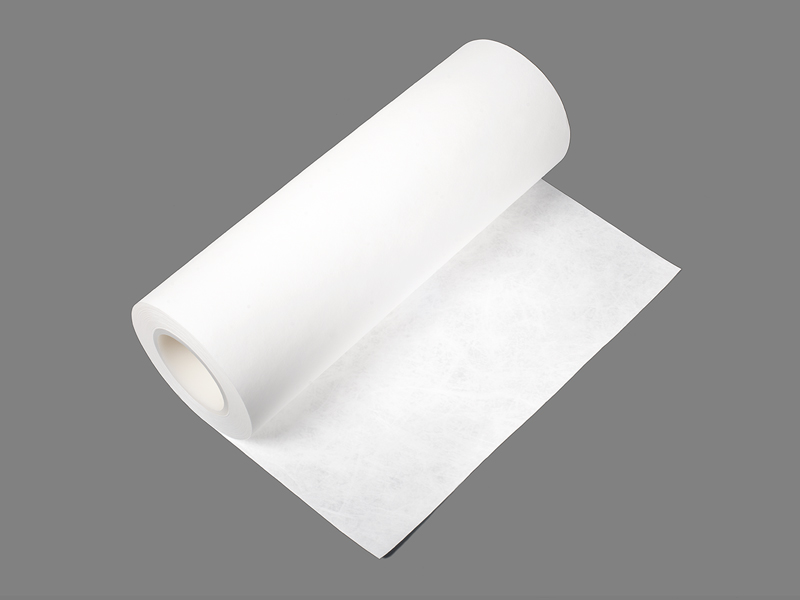
The "Tyvek" name signals a nonwoven material family known for an unusual combination of properties: a barrier against particulates and fluids when designed into protective garments, along with a relatively light feel compared with some heavier alternatives. Hopeway AMD's breathing cover leverages this class of material to deliver a product intended for routine use in healthcare, laboratory, and controlled-environment manufacturing.
Key manufacturing aspects that matter to buyers include:
- Quality assurance: consistent inspection and testing during production reduce variation and improve predictability at point of use.
- Batch traceability: labeling and documentation that accompany supply batches simplify recall processes and internal audits.
- Contamination control in production: clean-room or controlled production environments minimize contamination risk during manufacture, which is important for sterile packaging integration.
While design decisions do not substitute for local validation and fit testing, they do determine whether a protective cover will be accepted by frontline teams.
Integration into sterilization and kit workflows
One of the pragmatic questions for sterile processing and central supply teams concerns how a protective cover interacts with existing sterilization and assembly processes. Useful attributes to evaluate include:
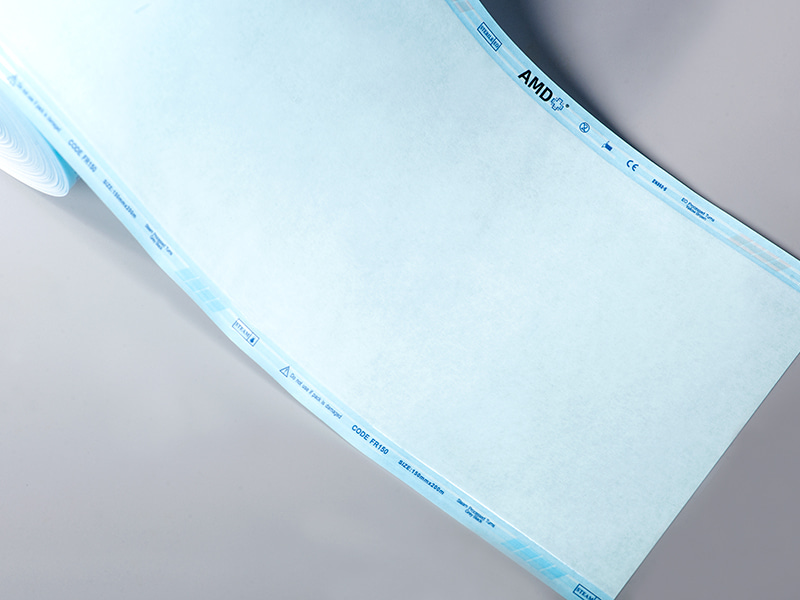
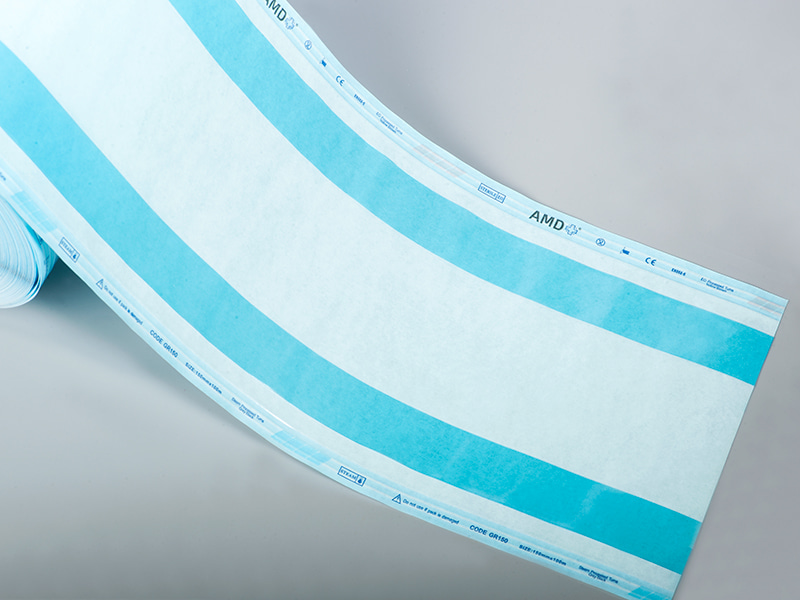
- Packaging format: options that simplify inclusion in sterile instrument trays or procedural kits reduce handling time.
- Handling robustness: covers that resist unintentional tearing during kit assembly or transport minimize waste.
- Storage efficiency: compact, clearly labeled packaging contributes to inventory management and shelf organization.
Selecting a cover that integrates into current workflows reduces training overhead and speeds operational adoption. Hopeway AMD's packaging choices reflect attention to these practical needs, helping teams incorporate the covers into established assembly lines and sterilization cycles with minimal disruption.
End-user experience: comfort and usability
Frontline acceptance is essential. Products that interfere with breathing devices, obscure vision, or cause heat stress will be rejected regardless of laboratory performance. Decision criteria that affect user acceptance include:
- Fit and movement allowance: design that accommodates head movement, eyeglasses, and other personal protective equipment without bunching.
- Perceived breathability: how the wearer experiences airflow and heat during extended procedures.
- Ease of donning and doffing: simple attachment mechanisms and clear orientation cues reduce handling errors.
Hopeway AMD's Tyvek-based cover emphasizes a balance between protection and wearability. Clinical teams evaluating new covers should conduct short trials under typical use conditions to gather subjective feedback from staff while monitoring objective handling outcomes.
Use-case scenarios
The role of a breathing cover varies by setting. Below are representative contexts where facilities may consider this product:
- Surgical preparation and sterile field protection: as part of a layered approach to prevent contamination in operating suites and procedure rooms.
- Cleanroom and manufacturing environments: where particulate control around the respiratory zone complements environmental filtration.
- Laboratory procedures: when manipulating non-volatile materials that require a barrier but also depend on dexterity and visibility.
- Point-of-care testing and bedside procedures: where rapid access combined with disposable convenience helps maintain hygiene.
Each scenario demands local assessment and compatibility checks with other gear used in those workflows.
Environmental and lifecycle considerations
Concerns about waste and circularity are growing in procurement discussions. While single-use products simplify infection control, their environmental footprint is an important factor for institutional sustainability plans. Procurement teams typically explore:
- Material recovery and recyclability: whether the product or its packaging is recyclable through local programs.
- Waste minimization strategies: use of compact packaging and supply practices that help reduce unused items.
- Supplier sustainability reporting: transparency around manufacturing energy, waste, and supply chain practices.
Hopeway AMD publishes information intended to assist customers in understanding material composition and packaging choices. Buyers should consult local waste management services to determine appropriate disposal or recycling pathways.
Supply chain resilience and availability
Reliable access to protective supplies is a strategic priority. When evaluating a supplier, organizations commonly examine:
- Production capacity and redundancy: whether multiple facilities or contingency plans exist to manage demand fluctuations.
- Logistics times: transparent delivery timelines and clear order fulfilment processes ease inventory planning.
- Customer support and technical assistance: responsive communication channels that support procurement and clinical teams when questions arise.
Hopeway AMD's supply model aims to provide predictable availability while offering ordering flexibility for different facility sizes.
Real-world validation: trials and performance monitoring
Before committing to long-term procurement, many institutions adopt a staged approach: pilot evaluation, staff feedback, and short-term performance metrics. Typical metrics include:
- User acceptance rate: proportion of staff who prefer the new cover after trials.
- Packaging failure incidents: number of damaged units during receipt or handling.
- Operational fit: time required to include the cover in existing kits or workflows.
By documenting outcomes from real-world trials, teams can compare alternatives on practical grounds rather than marketing descriptors.
Training and implementation tips
Successful adoption depends on thoughtful rollout. Recommended steps include:
- Orientation session: brief demonstrations for frontline staff showing correct application and removal.
- Short pilot period: trial in a subset of departments to collect feedback and surface any compatibility issues.
- Feedback loop: structured forms or quick surveys to capture wearer comfort, handling issues, and process impacts.
- Stocking strategy: staggered replenishment to avoid sudden inventory changes and to allow time for staff adjustment.
A phased implementation reduces disruption and builds confidence among users.
Cost considerations beyond unit price
Evaluating protective products should account for total cost of ownership. Factors that influence financial outcomes include:
- Reduction in handling errors: products that are easier to use can lower waste and rework.
- Integration with kits: covers that fit easily into preassembled kits may reduce assembly time.
- Storage and transport efficiency: compact packaging can reduce warehousing costs.
Procurement professionals often create scenario-based cost models that reflect these operational realities, rather than relying solely on unit price comparisons.
Frequently asked questions (brief)
- Is laboratory validation required before use? Institutions typically perform local validation to confirm compatibility with procedures and equipment.
- Does the cover require special disposal? Disposal guidelines depend on local regulations and whether the product has been exposed to regulated biological material.
- Can the cover be used with different respiratory devices? Compatibility should be verified during trials, especially with powered or fixed-fit breathing apparatus.
Choosing a breathing cover involves more than material selection; it requires assessing how the product fits into a complex system of clinical practice, sterilization protocols, procurement logistics, and user comfort. The Hopeway AMD Tyvek Breathing Cover is presented as an option designed to address several of these domains simultaneously: consistent barrier properties, practical packaging, and attention to wearer experience.
For clinical and procurement teams, the reliable approach is a structured evaluation that moves from documentation review to small-scale trials and finally to monitored deployment. This pathway ensures that the selected product supports both safety objectives and operational needs, while minimizing disruption in everyday clinical and manufacturing activities.
 ‘s-Gravenweg 542, 3065SG RotterdamThe Netherlands
 +31 (0)10 254 28 08