
 English
 Français
 Deutsch
 Nederlands
In healthcare and laboratory settings, sterilization is not optional — it's essential. Among the many tools that help technicians and clinicians verify the effectiveness of sterilization cycles, chemical indicators play a quiet but critical role.
Content
- 1 What the product is and why it matters
- 2 Key features and technical strengths
- 3 Applications across clinical settings
- 4 How to use the strips (best practices)
- 5 Interpreting results and limitations
- 6 Compliance and quality assurance
- 7 Storage, packaging, and environmental considerations
- 8 Choosing the right strips for your facility
What the product is and why it matters
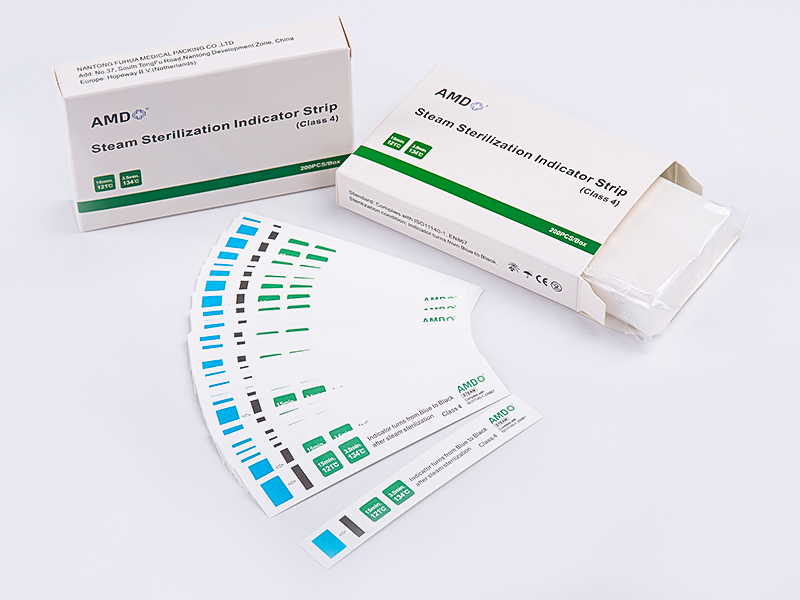
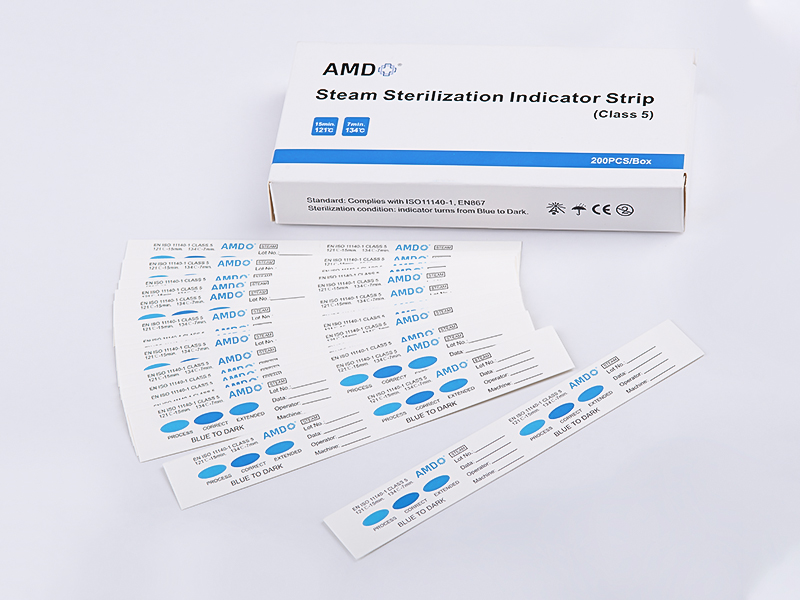
Plasma sterilization uses low-temperature hydrogen peroxide plasma to inactivate microorganisms, making it suitable for heat- and moisture-sensitive devices. To confirm that each sterilization cycle has reached the required conditions (time, temperature, and sterilant exposure), facilities rely on biological and chemical indicators. The tape discussed here is a chemical indicator in strip form, engineered specifically for plasma processes. It provides a clear, visual signal when the cycle parameters have been met, allowing quick pass/fail checks at the point of use.
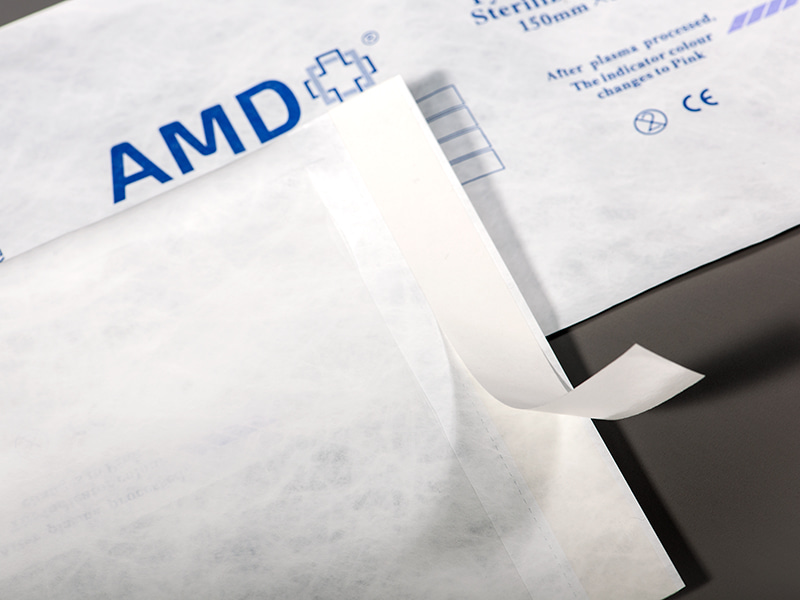
What sets this type of tape apart is its format and usability: it is self-adhesive, available in strips that can be affixed directly to packs, pouches, or trays, and gives a straightforward color-change readout. For busy sterile processing departments, that simplicity translates to reduced human error, faster throughput, and improved auditability.
Key features and technical strengths
Reliable chemical indicators share several qualities: sensitivity to the sterilant, reproducible response under validated conditions, and a stable baseline that resists false positives or negatives. This indicator strip was designed around those principles:
- Plasma-specific chemistry: The reactive zone on the strip responds to hydrogen peroxide and plasma exposure at thresholds aligned with validated sterilization cycles. This specificity reduces the risk of an ambiguous result when compared to indicators meant for other modalities.
- High-contrast color change: The visual endpoint is formulated for stark contrast — easy for technicians to interpret without magnification or prolonged inspection. That's especially helpful in hectic clinical environments.
- Self-adhesive backing: The strips adhere securely to sterile packaging without affecting barrier integrity, so they stay in place through handling, transport, and storage until the pack is opened.
- Compact, strip format: Compared to individual tabs or labels, strips are versatile and can be positioned across seams or inside packs to demonstrate internal sterilant penetration.
- Shelf-stable construction: Packaged to maintain activity over shelf life, the strips tolerate normal storage conditions and remain ready-to-use when needed.
| Category | Description |
| Sterilization Method | Designed for hydrogen peroxide plasma low-temperature sterilization |
| Indicator Response | High-contrast color change upon achieving required exposure conditions |
| Format | Self-adhesive strip suitable for external and internal placement |
| Primary Use | Routine monitoring of sterilization cycles for heat-sensitive instruments |
| Typical Environments | Hospitals, clinics, dental offices, laboratories, and vet facilities |
Applications across clinical settings
Because of their low-temperature chemistry and strip format, these indicators are ideal for many applications:
- Hospitals and ambulatory surgical centers: For wrapped instrument sets, delicate endoscopes, and heat-sensitive components.
- Dental clinics and specialty practices: Where compact instrument sets require routine sterilization and rapid cycle verification.
- Veterinary clinics: For small-animal surgical packs and instruments that cannot tolerate high heat.
- Medical device manufacturers and reprocessing vendors: As part of internal quality control during device processing and validation studies.
- Research laboratories: For decontamination of sensitive labware and biological safety equipment.
The strip can be placed both on external surfaces and inside packages, giving a layered approach to verification: external strips confirm exposure to the chamber environment while internal placement helps verify penetration into the pack interior.
How to use the strips (best practices)
To get consistent results, follow standardized procedures:
- Affix before sterilization: Attach the strip to a location that will be exposed to the sterilant stream but won't interfere with packaging integrity — for example, across a fold or seam or adjacent to the item being sterilized.
- Place internal indicators where needed: For challenging loads, position an internal strip near the difficult-to-sterilize item. This ensures verification of sterilant penetration, not just chamber exposure.
- Run validated cycles: Use the tape with sterilization cycles that have been validated for the load and device type.
- Inspect immediately after cycle completion: The color change is designed to be stable once the appropriate exposure is reached. Compare against the control/reference color provided by the manufacturer.
- Record and retain evidence: For compliance and traceability, note the strip outcome in the sterilization log, along with load number, operator, and cycle parameters.
- Dispose after use: These are single-use chemical indicators. Remove and discard them according to facility waste protocols after recording the outcome.
Interpreting results and limitations
A clear color shift indicates that the chemical marker has been exposed to adequate sterilant concentration and time; however, users must understand the distinction between chemical and biological verification:
- Chemical indicators (CIs): Quickly demonstrate that key parameters were achieved and are ideal for routine checks and load segregation.
- Biological indicators (BIs): Contain live spores and are the definitive test of sterilization lethality. They remain the gold standard for periodic validation and troubleshooting.
Use chemical strips for everyday process control and immediate decisions about release or reprocessing. When a chemical indicator fails or yields an unexpected result, do not release the load — treat it as a potential cycle failure and proceed with investigation and reprocessing. Also, be mindful that chemical indicators do not measure every possible cycle variable; they must be used as part of a broader quality assurance program that includes mechanical and biological monitoring.
Compliance and quality assurance
Sterile processing departments are governed by standards and guidelines that emphasize documentation, routine monitoring, and staff competency. Integrating chemical indicator strips into the quality system helps satisfy routine monitoring requirements:
- Routine monitoring: Use one or more strips in each load to demonstrate process performance.
- Audit trails: Record strip outcomes to support internal audits and external inspections.
- Training aid: Clear visual endpoints make these strips useful for operator training and competency assessments.
When selecting indicators, prioritize products that include manufacturing lot numbers, clear usage instructions, and reference colors to assist with consistent interpretation. Compatibility with the sterilizer make/model and the validated cycle parameters should be confirmed during product selection.
Storage, packaging, and environmental considerations
Proper handling extends shelf life and maintains reliability:
- Store in a cool, dry place: Avoid excessive heat and humidity that can degrade reactive chemistries.
- Keep sealed until use: Use only unbroken, intact packaging to ensure indicator integrity.
- Follow expiration dates: Discard strips beyond their labeled shelf life to prevent compromised performance.
From a sustainability perspective, manufacturers are increasingly attentive to packaging waste. While single-use chemical indicators generate minimal per-item waste, consider bulk formats and responsible disposal policies to reduce environmental impact without compromising safety.
Choosing the right strips for your facility
When evaluating indicator strips, compare them across several axes:
- Specificity for sterilization modality: Ensure the chemistry matches hydrogen peroxide plasma rather than other sterilants.
- Clarity of endpoint: Look for a high-contrast, unambiguous color change.
- Form factor and adhesion: Confirm the strip size and adhesive properties suit your packs and instruments.
- Regulatory and quality documentation: Prefer products with clear technical data, lot traceability, and manufacturer support for validation queries.
- Cost-effectiveness: Balance per-strip price with the value of reliable, fast verification — preventing reprocessing and reducing downtime has tangible savings.
In modern sterile processing, reliable, easy-to-read monitoring tools are indispensable. A well-designed chemical indicator strip tailored for low-temperature plasma sterilization brings speed and confidence to daily operations: quick visual checks, straightforward placement, and alignment with validated cycles. While chemical indicators don't replace biological monitoring for validation, they are an efficient front-line control that supports safety, traceability, and workflow efficiency.
For facilities that process heat-sensitive instruments, selecting a product with plasma-specific chemistry, strong adhesion, and a clear color endpoint simplifies routine monitoring and helps maintain high standards of patient and staff safety. Use these strips as part of a layered quality assurance program and your sterile processing team will be better equipped to ensure every instrument leaving the department meets the sterilization expectations your patients depend on.





 ‘s-Gravenweg 542, 3065SG RotterdamThe Netherlands
 +31 (0)10 254 28 08