
 English
 Français
 Deutsch
 Nederlands
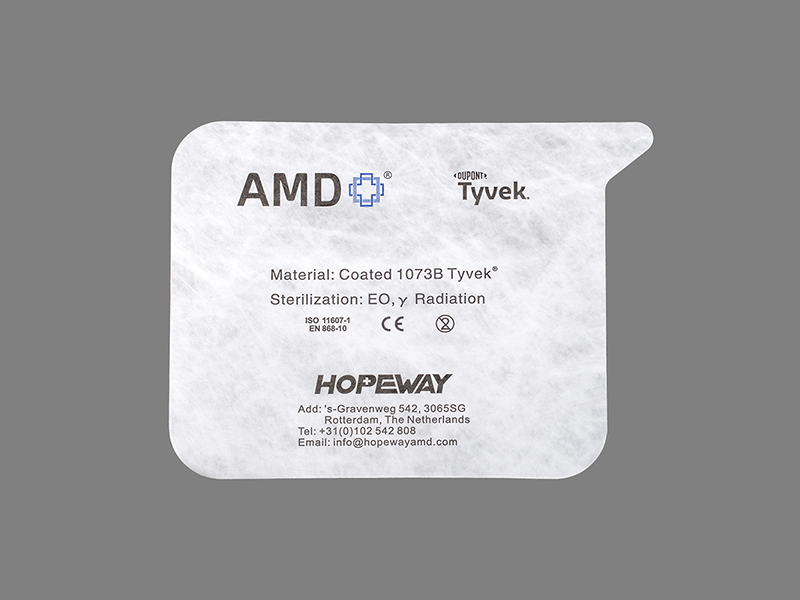
In modern healthcare, packaging is far more than a wrapper. It is a critical component of clinical safety, logistics efficiency, and environmental stewardship. A product line like Hopeway AMD brings these concerns into sharp relief: designers and manufacturers must balance sterility assurance, user convenience, regulatory compliance, and lifecycle impact. One recurrent material choice that addresses many of these needs is the synthetic, nonwoven polymer popularly referred to as Tyvek — a material that has become a staple in sterile barrier systems.
Content
- 1 Why packaging matters in medical contexts
- 2 The appeal of advanced nonwoven barriers
- 3 Design considerations for clinical usability
- 4 Sterilization compatibility and barrier performance
- 5 Sustainability and end-of-life thinking
- 6 Regulatory and documentation demands
- 7 Innovations in patient-centered packaging
- 8 Balancing cost, quality, and supply realities
- 9 Designing for care, not just containment
Why packaging matters in medical contexts
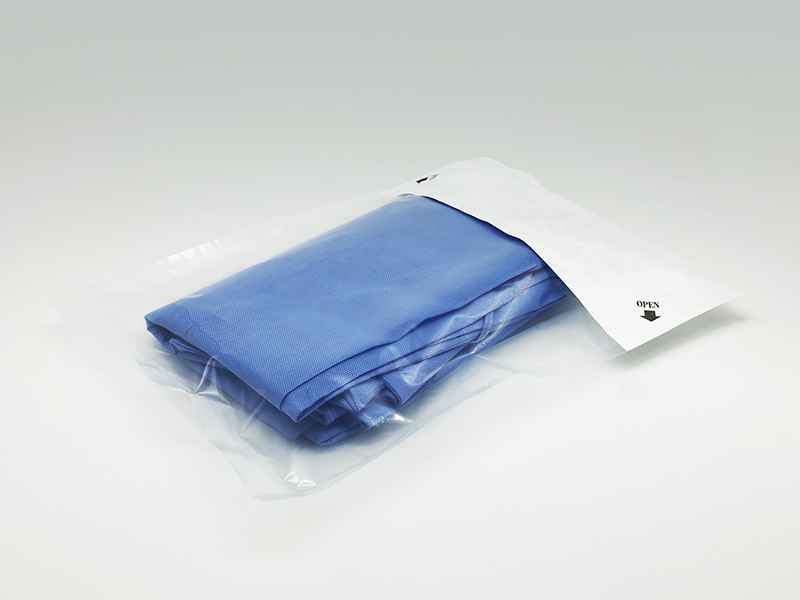
Consider the journey of a sterile device: it travels from supplier to storage, to transport within a facility, and finally to the operating room where a single breach in sterility can compromise patient outcomes. Packaging must therefore achieve several simultaneous goals: maintain sterility under varied environmental stress, permit aseptic presentation or easy opening at the point of use, protect against particulate contamination or moisture, and be compatible with sterilization methods such as steam, ethylene oxide, or radiation. Beyond functionality, packaging design influences inventory management, operator time, and waste streams. When these dimensions are harmonized, the result is fewer infections, quicker procedures, and lower total cost of care.
The appeal of advanced nonwoven barriers
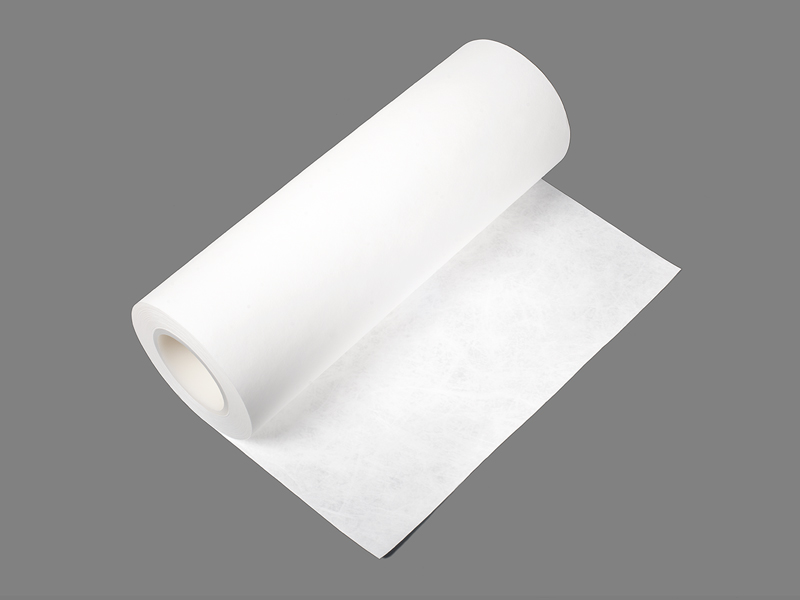
Nonwoven polymeric materials deliver a unique combination of barrier performance and handling characteristics. Their fiber structure can be engineered to provide microbial resistance while still allowing gas permeability — a crucial property for sterilization processes that require the penetration of sterilants and the escape of byproducts. At the same time, these sheets typically weigh less than traditional paperboard or film-based systems, reducing shipping costs and handling complexity.
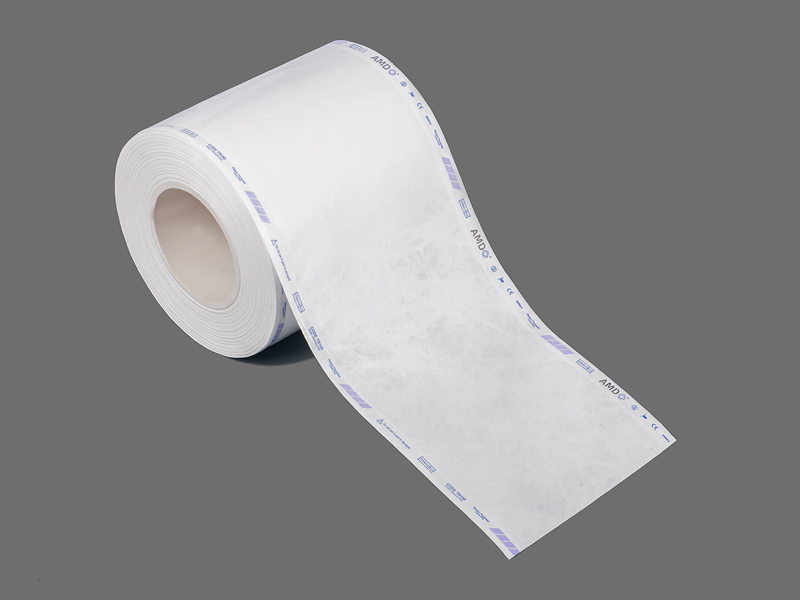
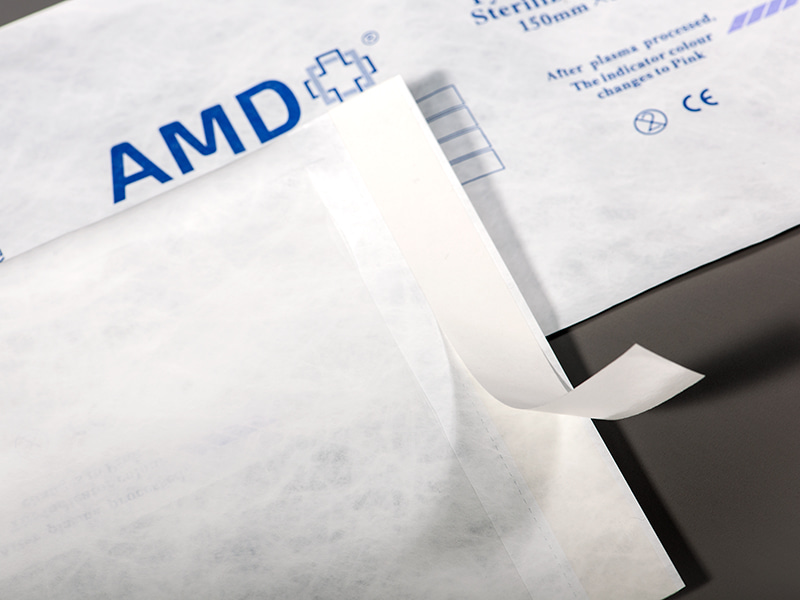
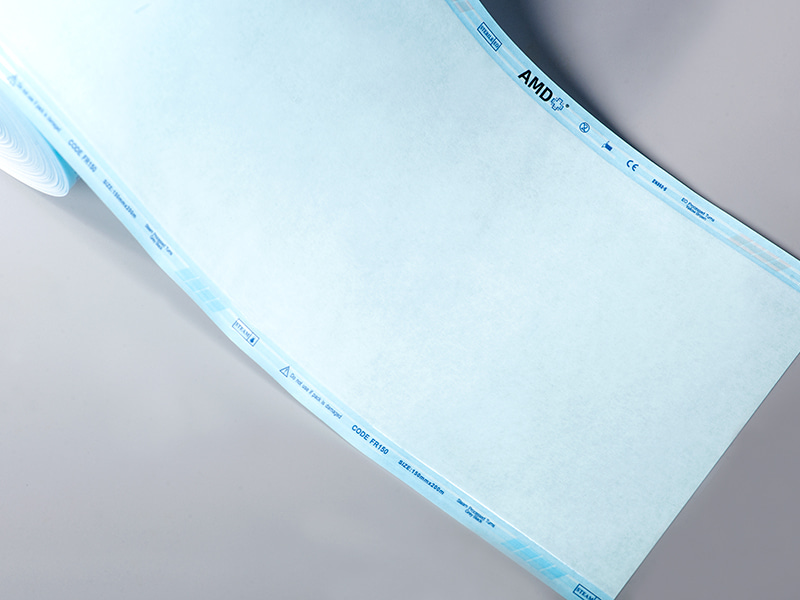
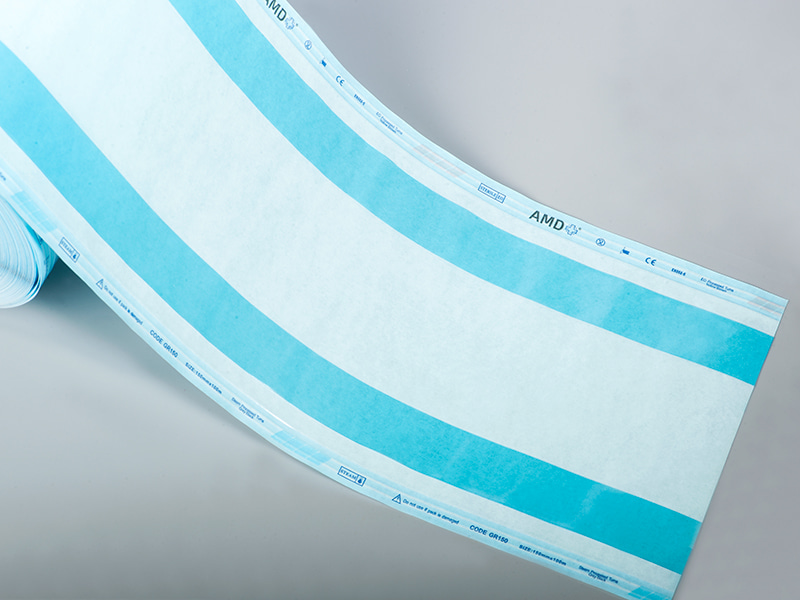
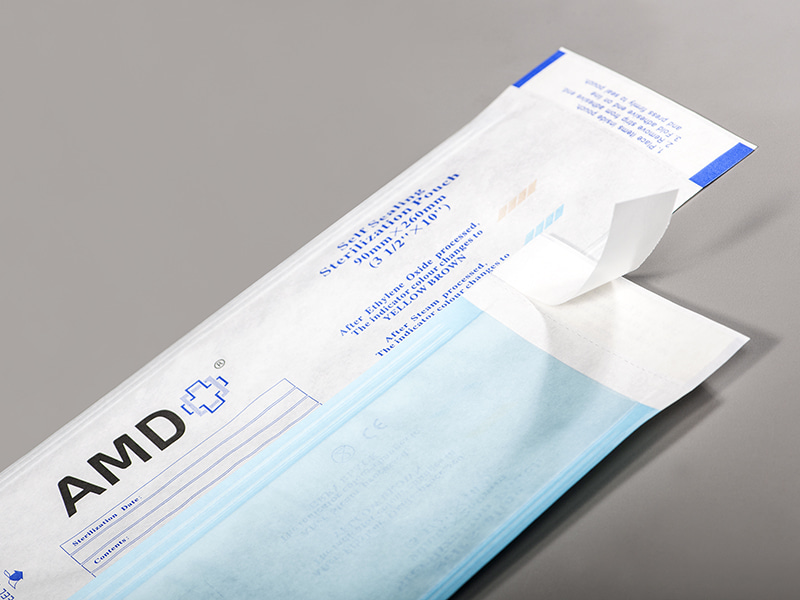
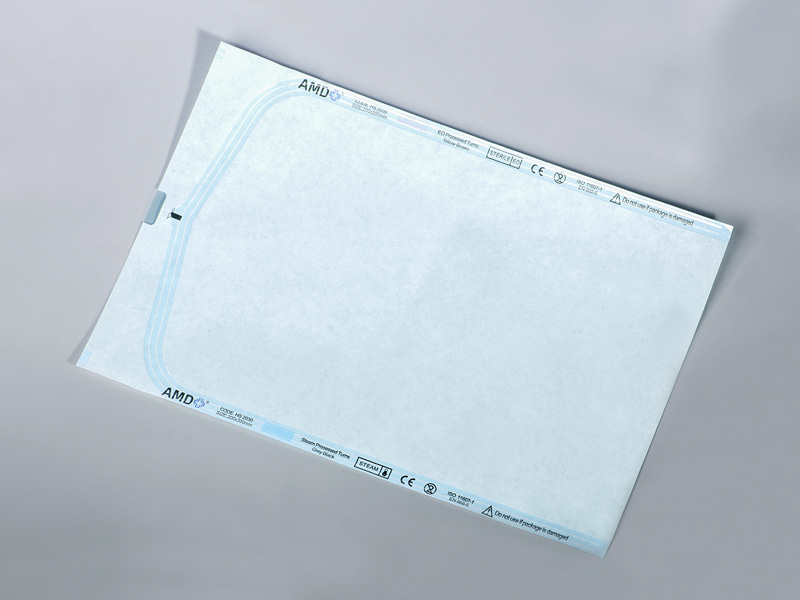
One well-known application of this approach is the use of a high-density, spun-bonded polyethylene sheet as the primary sterile barrier. When used thoughtfully — combined with peelable film seals, clear windows for inspection, and reinforced seams — these materials enable packaging solutions that are robust during transport yet simple for clinicians to open without contaminating the contents.
| Topic | Key Points | Benefits | Examples |
|---|---|---|---|
| Medical Packaging | Sterility, device protection | Reduces infection risk | Surgical instruments, disposable devices |
| Nonwoven Material | Breathable, high-density fibers | Supports sterilization, lightweight | Steam, EO, radiation sterilization |
| Usability Design | Easy peel, orientation indicators | Minimizes errors, improves efficiency | Hopeway AMD packaging |
| Sterilization | Multi-method compatible | Ensures device safety | OR and lab instruments |
Design considerations for clinical usability
A clinical team under time pressure needs packaging that is unambiguous: a single, intuitive peel, clear orientation cues, and an ability to present the device aseptically once opened. Ergonomic features — like textured tabs, color-contrasting peel lines, or offset scoring — improve performance in high-stress conditions. Packaging should also accommodate the procedural environment: for example, devices that must remain sterile while being partially exposed (for intraoperative insertion) can benefit from reclosable or drape-like packaging that preserves sterility during staged use.
For product families such as those in the Hopeway AMD range, modular packaging formats are valuable: a common outer pouch size, with internal stabilization inserts tailored to each device, simplifies storage and training while preserving device-specific protections. That approach also makes it easier to scale manufacturing and reduce tooling complexity.
Sterilization compatibility and barrier performance
Choosing materials that are compatible with multiple sterilization modalities increases flexibility for both manufacturer and end user. Nonwoven polymeric sheets typically tolerate ethylene oxide and radiation sterilization, and some formulations are engineered for short-duration steam cycles. The packaging system must ensure that the sterilant can exchange freely with the interior and that the barrier will not degrade or outgas substances that could affect device function.
Barrier testing is fundamental: microbial challenge tests, water vapor transmission rates, and peel-strength analyses all provide evidence that a package will perform under expected use conditions. In addition, real-world tests — shipping simulations, drop tests, and extended storage trials — reveal vulnerabilities that lab tests alone may miss. For manufacturers, a robust quality-management framework that ties design inputs to verification outcomes is essential for both patient safety and regulatory compliance.
Sustainability and end-of-life thinking
Healthcare generates considerable packaging waste, and attention to lifecycle impacts is becoming a competitive differentiator. Nonwoven polymer materials often pose recycling challenges in mixed-waste streams, so designers need to think upstream: minimize excess material, avoid multicompound laminates that are hard to separate, and consider takeback programs or biodegradable alternatives where feasible. Lightweighting — reducing material without sacrificing barrier integrity — lowers carbon footprint from transport and disposal. Equally important is clear labeling that instructs clinical staff how to segregate packaging for recycling where local systems exist.
For brands and product lines, articulating a sustainability strategy — from raw material sourcing to end-of-life pathways — builds trust with health systems that face both environmental and budgetary pressures.
Regulatory and documentation demands
Medical packaging does not exist in a vacuum: it must meet regional and international standards for sterility assurance, labeling, and materials safety. Comprehensive technical documentation includes material declarations, sterilization validation reports, and performance testing records. Traceability features — batch codes, barcodes, and serialization — also facilitate recalls, inventory control, and compliance with increasingly digital supply chains. For integrated product suites like those under Hopeway AMD, maintaining consistent documentation across devices and packaging variants simplifies audits and customer adoption.
Innovations in patient-centered packaging
Beyond technical performance, packaging design can contribute to better clinical experiences. For example, intuitive labeling reduces cognitive load on staff; clear windows allow quick device verification without breaking sterility; and color-coding streamlines selection in busy supply rooms. Minimalist inner packaging reduces handling steps during procedures, while tamper-evident seals support infection-prevention protocols.
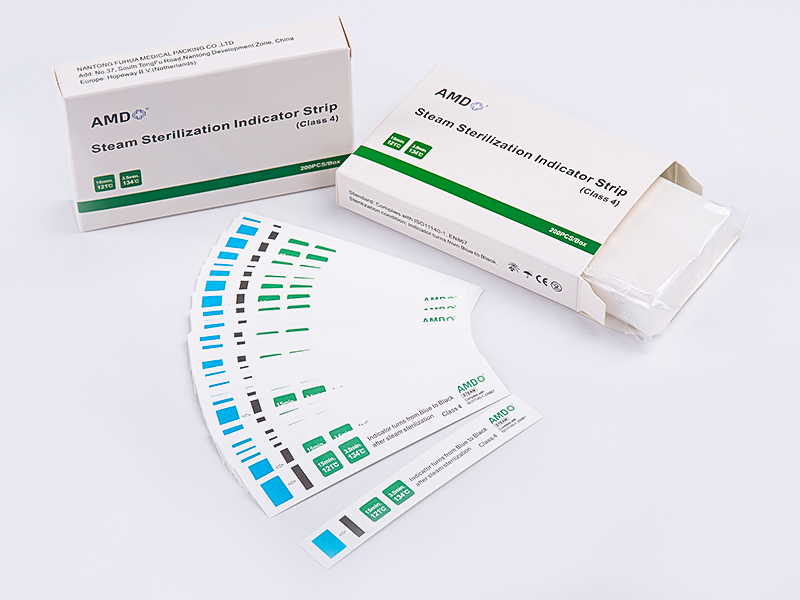
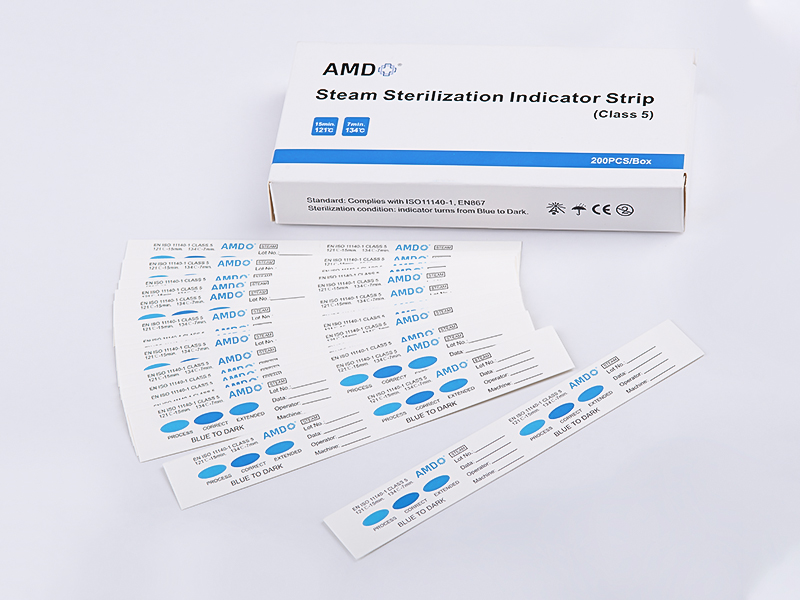
Emerging possibilities include smart labels that indicate sterilization status through irreversible visual cues, or QR codes that link to digital IFUs (instructions for use) and lot histories — enabling clinicians to pull up device instructions on-demand and reducing paper waste.
Balancing cost, quality, and supply realities
Healthcare purchasers often balance upfront cost against total cost of ownership. Packaging choices influence both. A less expensive outer pouch that saves cents per unit might increase damage rates in transit, adding the hidden costs of rework and replacement. Conversely, higher quality barrier materials and user-friendly designs can reduce procedure delays and improve staff productivity. For manufacturers, supply-chain resilience is also critical: materials must be available in consistent quality, and alternate sources validated to avoid disruptions.
Designing for care, not just containment
Effective medical packaging performs many quiet but essential functions: it shields, signals, and supports clinical work. When a product line thoughtfully combines proven materials with user-centered design, sterilization compatibility, and sustainable thinking, it becomes more than a container — it becomes part of a safer, more efficient care pathway. The careful application of advanced nonwoven barriers and ergonomic features demonstrates how material science and human factors come together to serve both patients and providers.
In the end, the packaging solutions are those that are nearly invisible in their operation: they arrive intact, open cleanly, and let clinicians focus on care instead of containment. That is the standard toward which every medical packaging innovation should aim.
 ‘s-Gravenweg 542, 3065SG RotterdamThe Netherlands
 +31 (0)10 254 28 08