
 English
 Français
 Deutsch
 Nederlands
In healthcare facilities, laboratories, and manufacturing environments, confirming that sterilization cycles have worked correctly remains a daily priority. One simple yet widely trusted tool for this task is steam indicator strips tape. This adhesive product combines sealing functions with visual confirmation, helping teams verify exposure to autoclave conditions without opening packages.
Content
- 1 Core Function in Daily Workflows
- 2 How the Indicator Chemistry Works
- 3 Common Settings and Real-World Examples
- 4 Regulatory Context and Documentation Needs
- 5 Storage and Handling Considerations
- 6 Evolution of Design Features
- 7 Frequently Asked Questions from Users
- 8 Integration with Broader Monitoring Programs
- 9 Global Availability and Supply Chain Notes
- 10 Training and Competency Assessment
- 11 Looking Ahead
Core Function in Daily Workflows
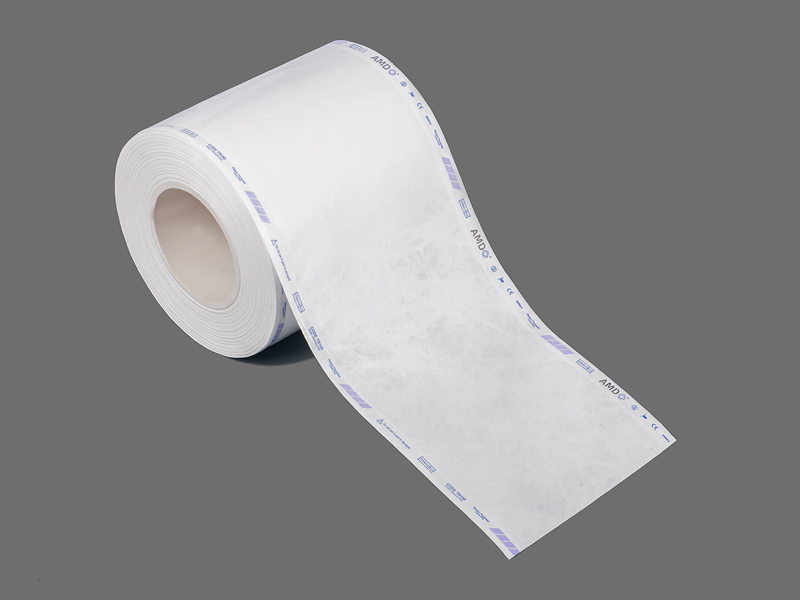
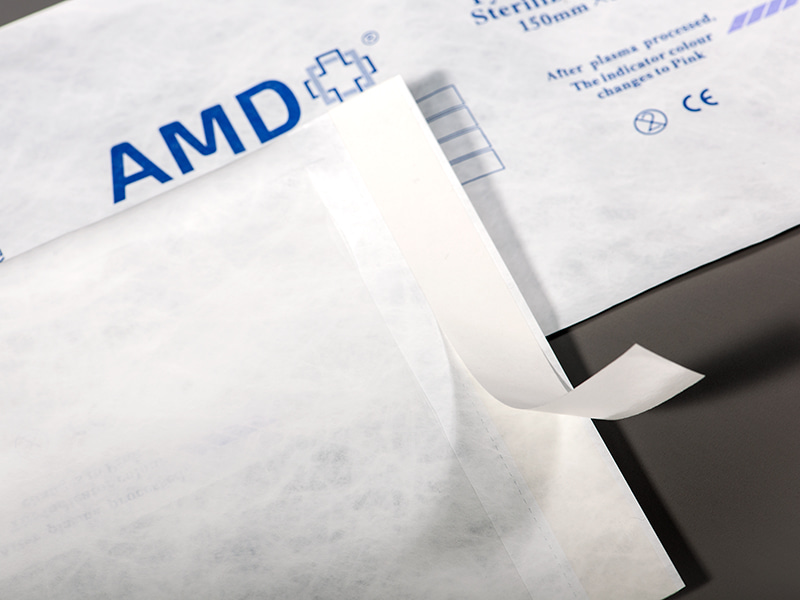
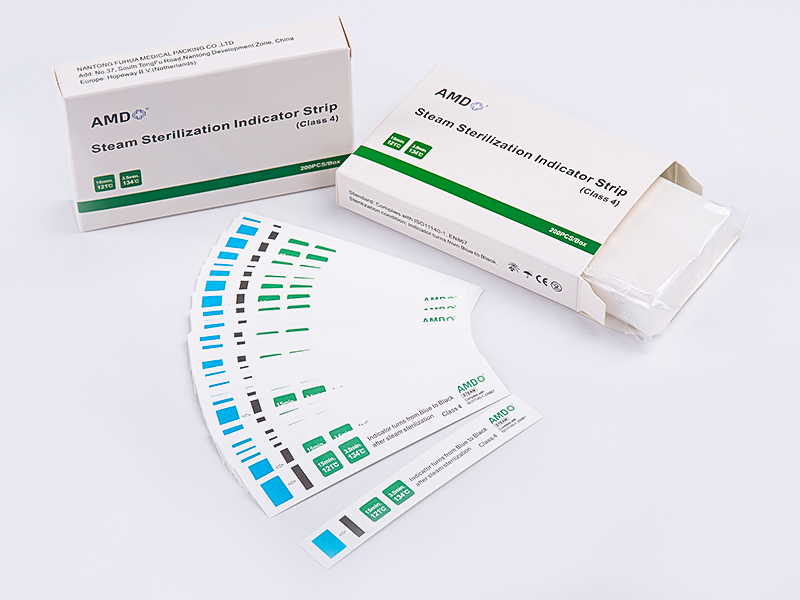
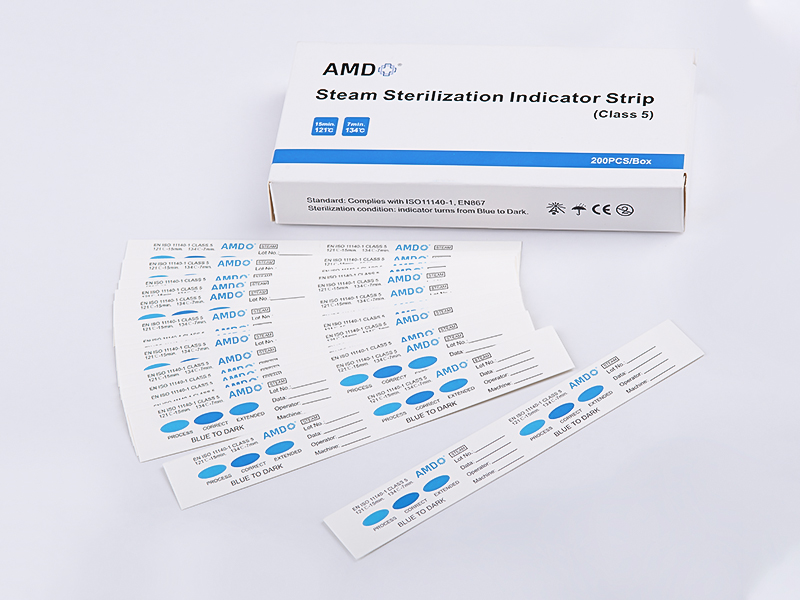
Steam indicator strips tape consists of a pressure-sensitive backing coated with a chemical layer that reacts to moist heat. When applied to pouches, wraps, or instrument trays before they enter an autoclave, the tape holds materials together while the indicator ink undergoes a visible color shift during the cycle. Staff can then perform a quick external check to see whether the required conditions were present. This immediate feedback complements internal monitors and biological tests, creating layers of assurance in sterilization protocols.
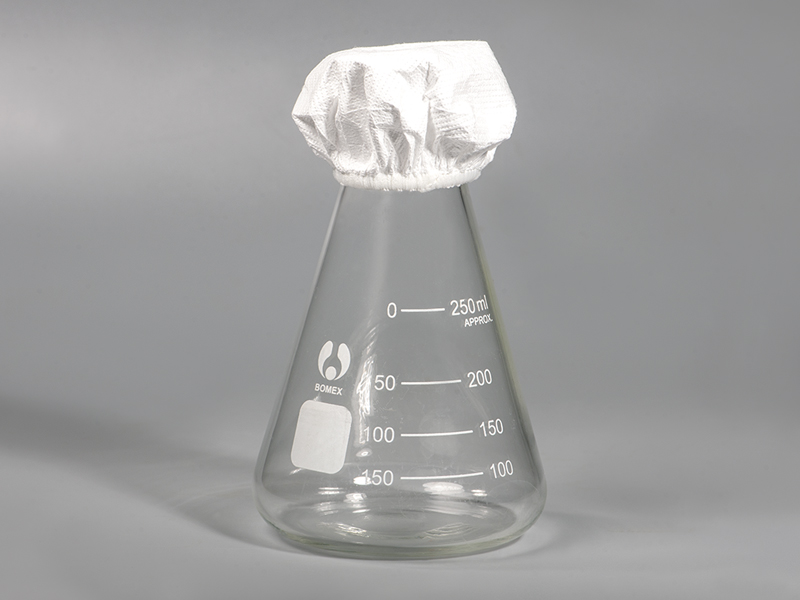
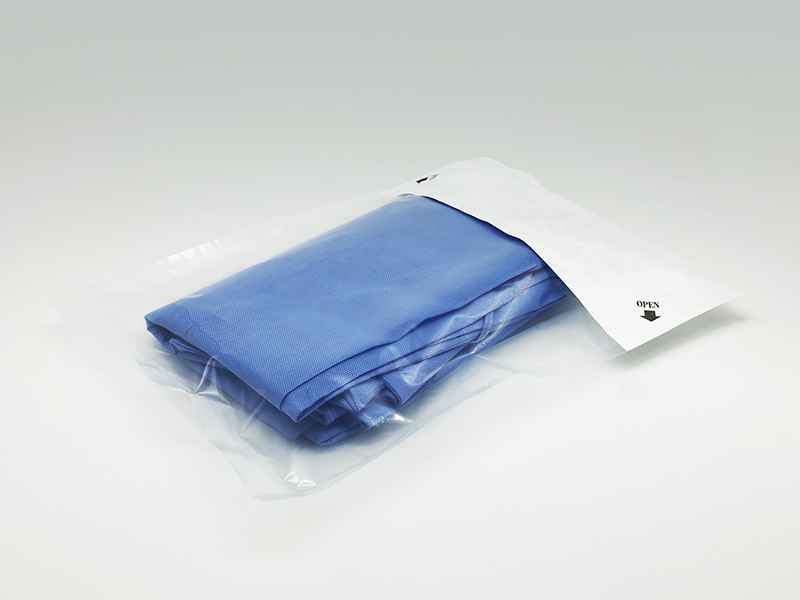
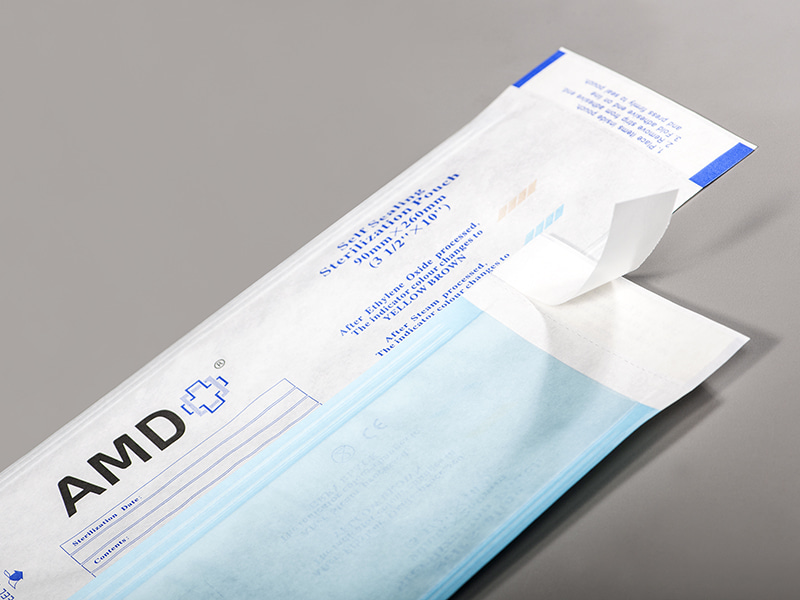
Many facilities use the tape on surgical packs, dental instruments, laboratory glassware, and pharmaceutical containers. In central sterile services departments, technicians often place a strip across the closure of each wrap. After processing, a clear color change tells the team the pack can move forward to storage or the operating room. The same principle applies in veterinary clinics, tattoo studios, and research centers that rely on steam autoclaves.
How the Indicator Chemistry Works
The color-changing mechanism depends on heat-sensitive compounds printed in diagonal lines or patterns. Steam penetrates the package and triggers a reaction in the ink, moving it from an initial shade to a distinct final tone. Proper interpretation requires comparing the result against reference examples provided by the manufacturer. Training sessions usually include hands-on exercises so that every team member recognizes acceptable versus questionable outcomes.
Unlike mechanical recorders or digital printouts, this method needs no electricity or additional equipment. It serves as a straightforward process indicator—often classified as Type 1 under international standards—confirming that the outside of the pack experienced steam contact.
Common Settings and Real-World Examples
- Operating theaters: Surgeons receive trays sealed with indicator tape; circulating nurses glance at the color before opening.
- Dental practices: Handpieces and burs return from sterilization wrapped in pouches bearing a visible mark of completion.
- Pharmaceutical filling lines: Pouches containing stoppers or vials carry external confirmation before entering cleanrooms.
- Microbiology labs: Media bottles and pipette tips gain an extra layer of confidence through taped closures.
These routine uses show how a small strip integrates into larger quality systems without adding complexity.
Regulatory Context and Documentation Needs
Health authorities and standardization bodies encourage the use of process indicators on every sterilized load. Facilities that follow ISO 13485 or similar frameworks routinely record indicator results in logbooks or electronic systems. During audits, inspectors look for consistent application and correct interpretation. Clear documentation demonstrates that staff paid attention to each cycle.
Hopeway Amd includes guidance materials on its website to help customers meet these expectations. The company lists compatibility information for common wrap materials and autoclave types, making selection straightforward for purchasing departments.
Storage and Handling Considerations
Like any chemical-based product, steam indicator tape performs reliably when kept in cool, dry conditions away from direct sunlight. Boxes usually carry printed expiry information. Rotating stock and checking dates before use prevent unexpected performance issues. Some teams mark opening dates on partially used rolls to maintain traceability.
Evolution of Design Features
Over time, manufacturers have adjusted backing materials and adhesive formulas to improve performance with modern non-woven wraps and heavier instrument sets. Diagonal printed lines, “ACCEPT/REJECT” wording, and fade-resistant inks are now common refinements that aid quick reading under different lighting conditions.
Some newer versions incorporate lead-free formulations and latex-free adhesives to address environmental and allergy concerns. Recyclable backing options have also appeared as facilities work toward greener waste streams.
Frequently Asked Questions from Users
New staff members often ask the same practical questions:
- Can the tape be written on with permanent marker? Yes, accept standard marking pens for lot numbers or dates.
- What if the color change looks partial? Treat it as a failed cycle and reprocess the load.
- Does tape replace biological indicators? No—it provides an external check while biological tests confirm sterility.
Clear answers to these points reduce confusion and support consistent practice.
Integration with Broader Monitoring Programs
Smart facilities combine multiple verification methods:
- Daily air-removal tests (Bowie-Dick type)
- Chemical indicators on every pack
- Biological indicators in test packs
- Mechanical parameter printouts from the autoclave
Steam indicator strips tape fits naturally into this layered approach, offering a visible step that anyone on the team can understand at a glance.
Global Availability and Supply Chain Notes
Medical supply distributors worldwide stock various brands of steam indicator tape. Hopeway Amd maintains an online catalog that allows hospitals and clinics to review product images and basic specifications before ordering. Fast-moving items like these rarely face long backorders, helping departments avoid workflow interruptions.
Training and Competency Assessment
Accreditation surveyors often ask to see evidence that personnel understand indicator interpretation. Many departments keep a laminated reference card near the autoclave area showing acceptable color changes. Annual competency checklists typically include a practical demonstration with sample tapes.
Looking Ahead
As autoclave technology advances and facilities adopt more digital record-keeping, the role of visible chemical indicators remains steady. Their simplicity, low cost, and universal recognition ensure continued use alongside newer monitoring tools. For teams that process hundreds of packs each day, that quick visual confirmation stays valuable.
In short, steam indicator strips tape serves as a practical bridge between complex sterilization science and everyday clinical needs. Its presence on a sealed pack offers quiet reassurance that patient safety steps were followed. Resources available through suppliers such as Hopeway Amd help teams choose suitable products and stay informed about proper application techniques.



 ‘s-Gravenweg 542, 3065SG RotterdamThe Netherlands
 +31 (0)10 254 28 08