
 English
 Français
 Deutsch
 Nederlands
Medical packaging has moved beyond being a simple outer layer for instruments. In hospitals, dental offices, and laboratory environments, it now supports daily workflow, storage discipline, and infection control practices that depend on consistency. Among the packaging formats that continue to gain attention, sterilization flat rolls hold a steady place because they can be adapted to different instrument sizes and processing routines. At the same time, self sealing formats remain part of the discussion as many facilities compare closure methods, handling steps, and overall practicality. In this context, Hopeway AMD represents a product direction focused on structure, usability, and routine compatibility.
Content
- 1 The Expanding Use of Flat Rolls in Medical Packaging
- 2 Why Flat Rolls Fit Hospitals, Dental Offices, and Laboratories
- 3 Flat Rolls and Self Sealing Formats: A Practical Comparison
- 4 Core Characteristics That Shape Product Use
- 5 Infection Control and the Role of Packaging
- 6 Choosing a Packaging Path That Fits Real Workflows
The Expanding Use of Flat Rolls in Medical Packaging
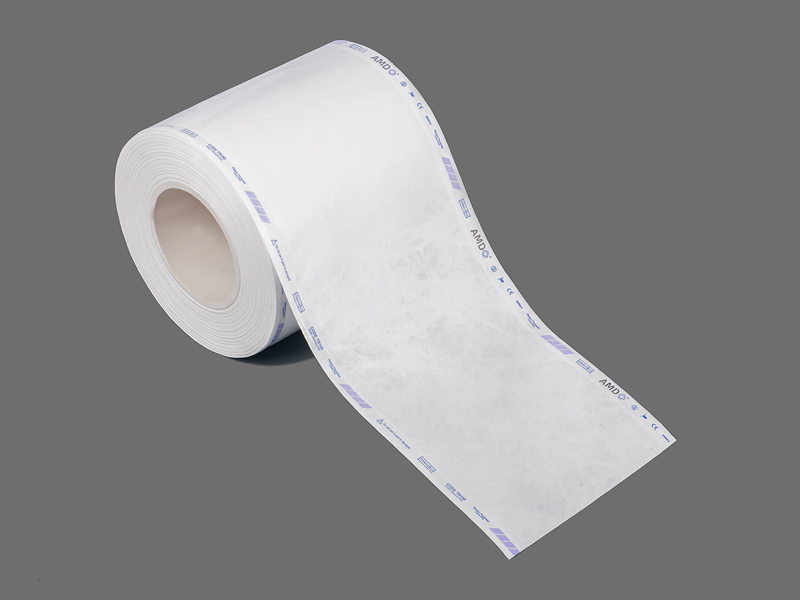
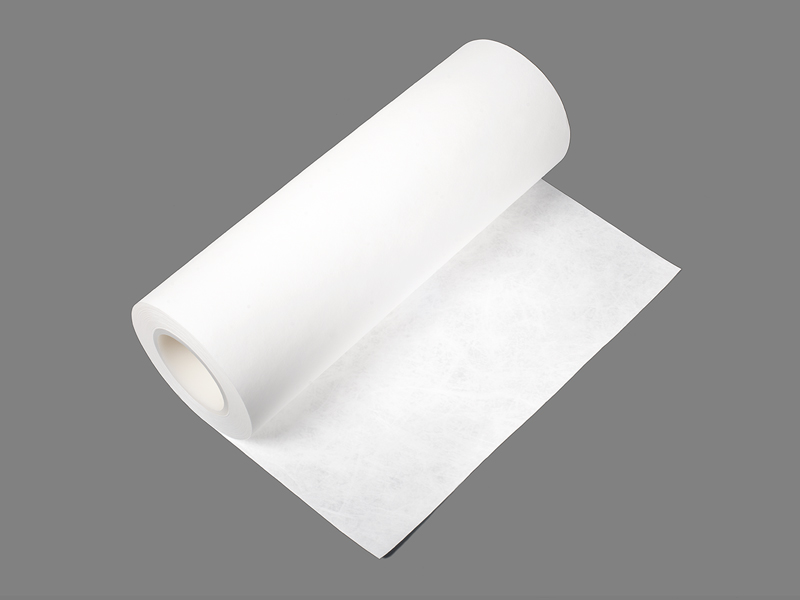
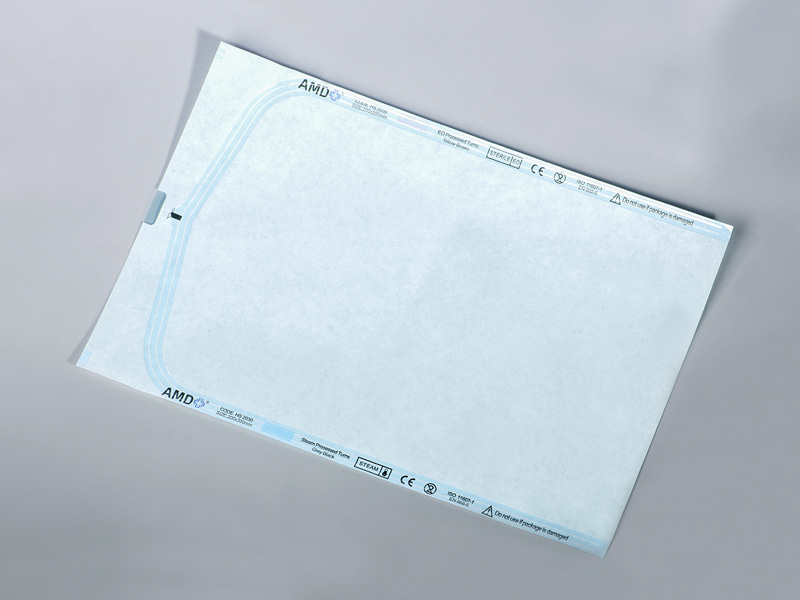
Sterilization flat rolls are often selected when facilities need packaging that can be cut to length and adapted to different item shapes. This flexibility makes them relevant in environments where instrument sets are not uniform and where preparation tasks change throughout the day. Hospitals may use them for a wide range of tools, dental clinics may rely on them for items that require clean organization, and laboratories may use them for instruments that need controlled handling after processing.
One reason flat rolls continue to attract attention is their adaptability. A single roll format can serve different packaging needs without requiring separate stock for every item size. For teams that manage mixed instrument collections, this can simplify inventory planning and help reduce unnecessary packaging variation. When the packaging can be sized according to the item, staff may find it easier to organize processing steps in a way that matches the actual workload.
Flat rolls also fit into the broader development of medical packaging, where practical handling matters as much as material structure. Facilities are often looking for packaging that supports daily routines without creating extra complexity. A roll format can be integrated into an existing sealing and sterilization process with relative ease, which is one reason it remains widely used across care settings.
As packaging expectations continue to evolve, the direction of development appears to focus on consistency, compatibility, and process clarity. Medical teams want packaging that works with routine sterilization practices and supports proper storage afterward. Flat rolls remain relevant because they can serve this purpose while also offering a degree of flexibility that fixed-size formats cannot always provide.
Why Flat Rolls Fit Hospitals, Dental Offices, and Laboratories
In hospitals, instrument processing is often part of a larger and more structured flow. Packaging must support orderly preparation, traceability, and storage. Flat rolls can be useful here because they allow staff to form packs that match the item size and the required workflow. This reduces the need to force different items into a limited number of packaging choices.
Dental settings bring another set of needs. Instrument turnover can be frequent, and instrument sets may vary from one treatment area to another. In this kind of environment, a packaging format that can be trimmed to the needed length can help staff prepare items in a clean and organized way. It also supports the routine pace of work, where convenience and consistency are both important.
Laboratories often place strong emphasis on controlled handling. Instruments and tools may be processed, stored, and used in a way that requires clear preparation steps. Flat rolls can support those steps because they allow the user to create packages that match the dimensions of the item and the storage method. This kind of adaptability can be useful when different tools require different packaging lengths or levels of enclosure.
Across all these settings, the value of flat rolls is tied to daily operations. They are not chosen only for one special case. They are chosen because they can fit varied conditions without forcing the workflow to change too much. That is a practical advantage in medical environments where time, organization, and material use all matter.
Flat Rolls and Self Sealing Formats: A Practical Comparison
When facilities compare flat rolls with self sealing formats, the discussion usually centers on workflow, cost planning, and flexibility. Each format has a place, and the right choice depends on how the facility prepares instruments and how often the packaging process repeats.
Flat rolls are often selected when users want more control over package size. The roll can be cut to a chosen length, which gives staff room to match the packaging to the item. This can be useful for irregularly sized tools or for teams that prefer to manage their own sealing process from start to finish. In many cases, the roll format supports a more customized approach to packaging preparation.
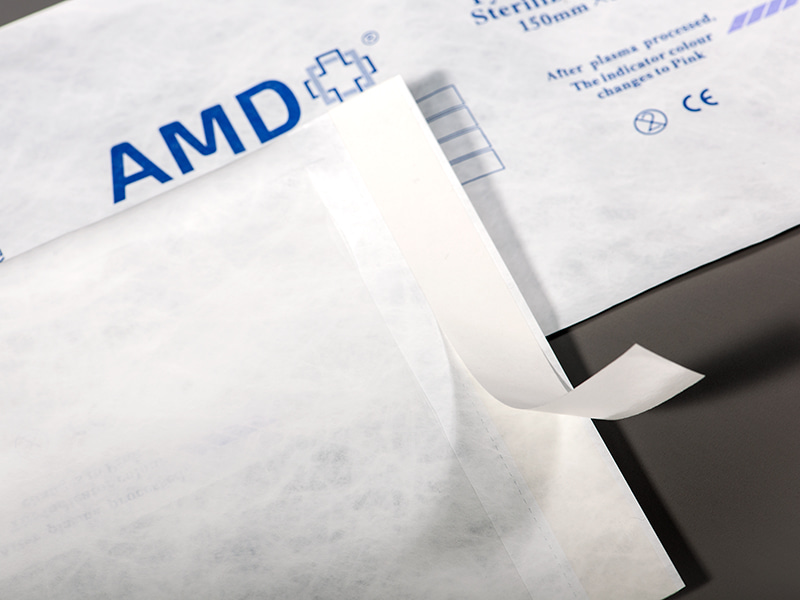
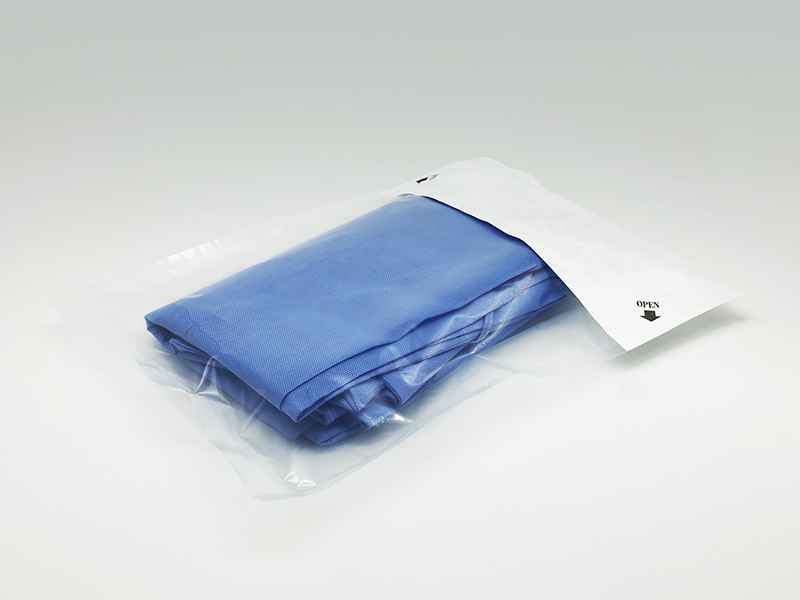
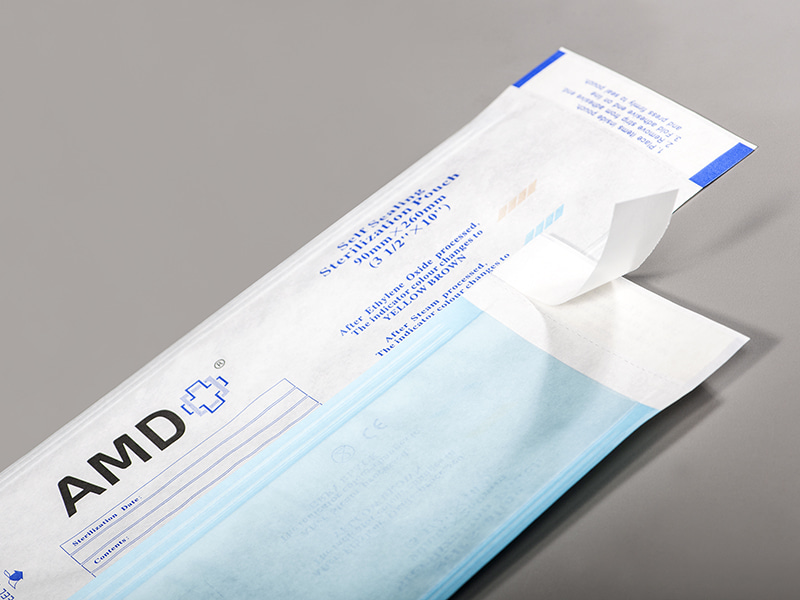
Self sealing formats, by contrast, are often chosen for direct closure without separate sealing equipment. That can be helpful in settings where simplicity matters or where packaging tasks need to move quickly. The closure step is built into the pouch structure, which can reduce the number of actions required during preparation. For some facilities, this is a clear advantage in routine use.
From a cost perspective, the question is rarely about a single feature alone. A facility may consider the packaging material itself, the need for sealing equipment, staff familiarity, and the number of steps involved in daily preparation. Flat rolls may fit well where one sealing setup serves many package sizes. Self sealing pouches may fit well where ease of use and direct closure matter more than customization.
Flexibility also differs between the two formats. Flat rolls offer length adjustment and can be shaped around different items. Self sealing formats offer process simplicity and can fit into compact workflows. Neither approach is universally better for every setting. The stronger choice is the one that matches the actual operating conditions of the clinic, hospital, or laboratory.
For decision makers, the comparison often comes down to routine use. If the facility processes a broad range of instrument sizes and prefers packaging that can be formed on demand, flat rolls may be the more fitting solution. If the facility prioritizes closure convenience and straightforward handling, self sealing pouches may be more suitable. In practice, some organizations use both formats in different departments because each serves a different need.
| Packaging Format | Main Feature | Typical Advantage | Suited For |
|---|---|---|---|
| Sterilization Flat Rolls | Can be cut to custom lengths | Flexible packaging for different instrument sizes | Hospitals, laboratories, dental clinics with varied tools |
| Self Sealing Pouches | Built-in closure strip | No separate sealing equipment needed | Small clinics, outpatient centers, compact workspaces |
| Pre-Cut Sterilization Pouches | Fixed-size packaging | Fast preparation for common instrument sets | Facilities with repetitive daily packaging routines |
| Heat Seal Pouches | Requires separate sealing machine | Strong sealing consistency for high-volume use | Central sterilization departments and large hospitals |
Core Characteristics That Shape Product Use
Product design matters because medical packaging is used in environments where handling needs to remain steady and predictable. A flat roll is not simply a sheet of material in continuous form. It is a packaging option shaped by material choice, sealing compatibility, and the need to support sterilization routines without unnecessary complications.
Material structure is one of the considerations. The packaging must be able to support the sterilization process while still holding its shape in storage and handling. It should be suitable for routine processing and should maintain a clear boundary around the packaged item. In medical work, packaging that behaves consistently helps staff keep their procedures organized.
Structure is another important part of the design logic. Flat rolls are made to be adapted at the point of use, which means the format itself must remain easy to work with. Staff need to be able to measure, cut, seal, and prepare the package without confusion. The value of the design is often seen in how smoothly it fits into daily processing rather than in any single feature.
Adaptability also plays a major role. Different facilities may process different item types, and the packaging should be able to support that variety. A format that can be adjusted to item size gives teams more room to organize their work. It can also reduce waste from using packaging that is larger than needed, while helping staff maintain better order in storage areas.
The logic behind product design in this category is practical. It aims to support sterilization, storage, and handling in a way that aligns with real work conditions. The packaging should not ask the user to change a dependable routine unless there is a clear reason to do so. In that sense, design is tied closely to operational fit.
Infection Control and the Role of Packaging
Infection control depends on more than cleaning and sterilization alone. Once an item has been processed, it still needs protection during storage, transport, and use. Packaging serves as the barrier that helps preserve the prepared condition of the item until it is needed. That role makes packaging a key part of the broader infection control process.
If packaging is not chosen carefully, the condition of the processed instrument may be harder to maintain. A good packaging routine supports clarity, handling discipline, and proper storage. It gives staff a way to keep instruments separated from the surrounding environment after sterilization. This is one reason medical packaging is treated as part of the process rather than as an optional extra.
Flat rolls contribute to this process by allowing instruments to be enclosed in a format that matches their size and use. When the package is appropriately formed and sealed, it can support safer handling through storage and distribution. In this way, packaging becomes part of the structure that helps a facility maintain control over its instrument flow.
The infection control value of packaging is also linked to consistency. When staff use a format that they understand and can apply regularly, the risk of irregular handling may be reduced. This is especially useful in busy medical environments where multiple people may participate in the preparation process. A clear packaging routine helps the whole team work within the same standard.
For hospitals, dental offices, and laboratories, this consistency can support both operational discipline and patient-facing care. The packaging itself does not replace other infection control measures, but it helps maintain the condition of the processed items that those measures produce. That makes it a quiet but important part of the system.
Choosing a Packaging Path That Fits Real Workflows
Choosing between flat rolls and self sealing formats is often less about abstract preference and more about how the facility actually works. The right packaging should match the types of instruments being processed, the number of handling steps the team can support, and the equipment already available in the space.
A facility with varied instrument sizes may value the length control that flat rolls provide. A facility with a streamlined packaging routine may place more weight on closure simplicity. Neither situation is unusual. They reflect different operational models, and packaging should be selected accordingly.
It is also useful to consider staff training and repeatability. A packaging format that is easy to understand can help keep routines steady across different shifts. When packaging practices are stable, the facility can maintain clearer organization in processing and storage. That is important in any setting where instrument readiness matters.
The future of medical packaging will likely continue moving toward formats that support practical work without adding unnecessary complexity. Flat rolls are part of that future because they offer a flexible way to prepare items in many kinds of environments. Self sealing formats remain part of the conversation because they answer a different set of needs. Together, they show how medical packaging is becoming more closely aligned with real workflow demands.
Hopeway AMD is positioned within this discussion as a name associated with the ongoing development of sterilization packaging. Its role is not only in product supply, but also in the broader movement toward packaging solutions that support organized handling, adaptable use, and daily infection control routines.
Medical packaging continues to evolve as hospitals, dental clinics, and laboratories look for solutions that fit modern workflow demands. Flat rolls remain relevant because they give users flexibility, fit a wide range of instrument sizes, and support practical sterilization routines. Self sealing formats remain important because they simplify closure and can make daily preparation easier in certain environments.
The comparison between these two formats is not about replacing one with the other. It is about matching the packaging method to the setting, the workload, and the handling pattern of the facility. When the choice is made with those needs in mind, packaging becomes a useful part of the clinical process rather than a separate concern.
As medical packaging continues to change, the enduring solutions will be the ones that support order, fit routine use, and help maintain the prepared condition of instruments after sterilization. That practical direction is where current packaging development is heading, and it is likely to remain important across many healthcare settings.



 ‘s-Gravenweg 542, 3065SG RotterdamThe Netherlands
 +31 (0)10 254 28 08