
 English
 Français
 Deutsch
 Nederlands
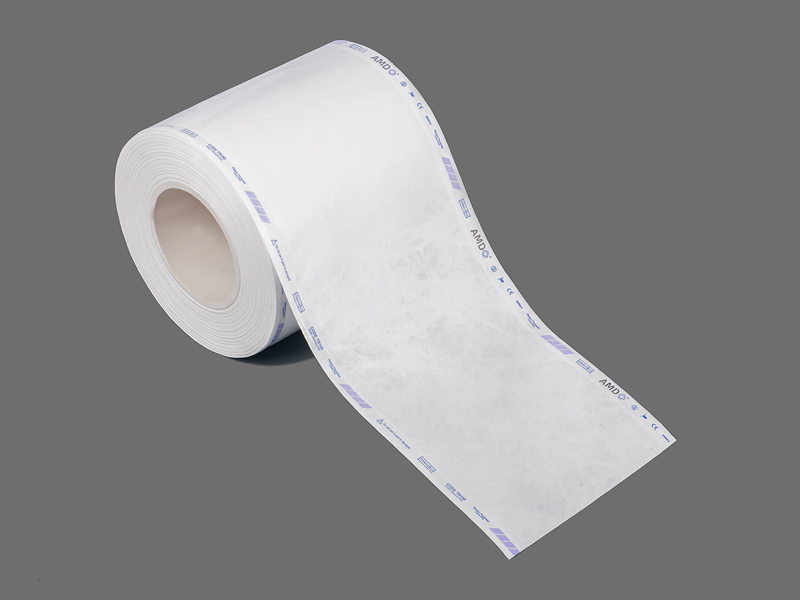
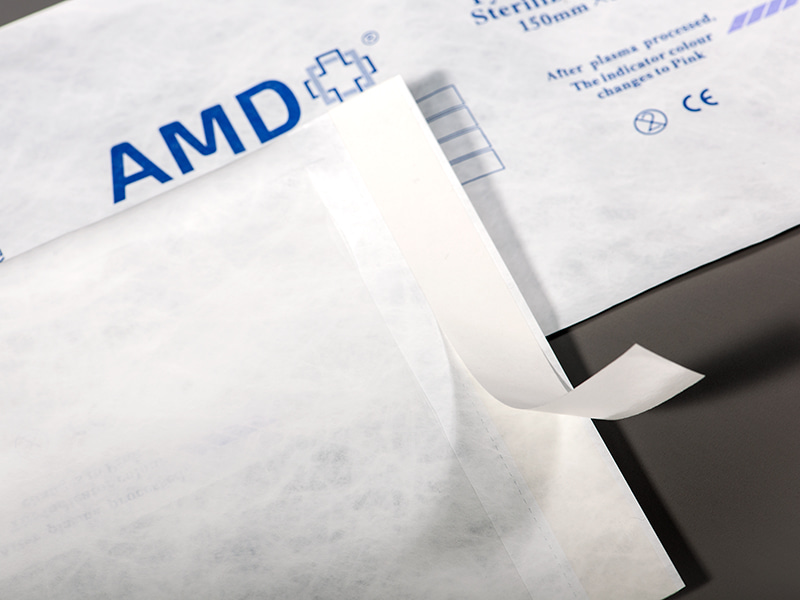
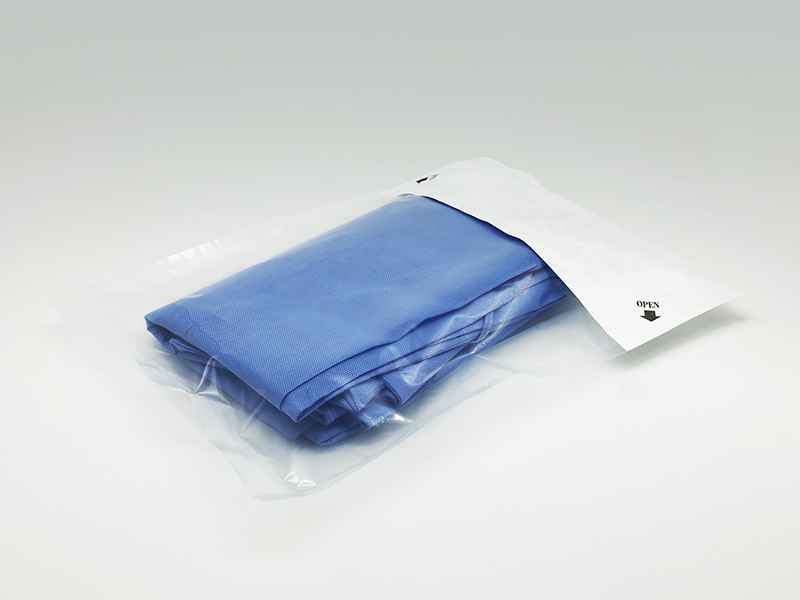
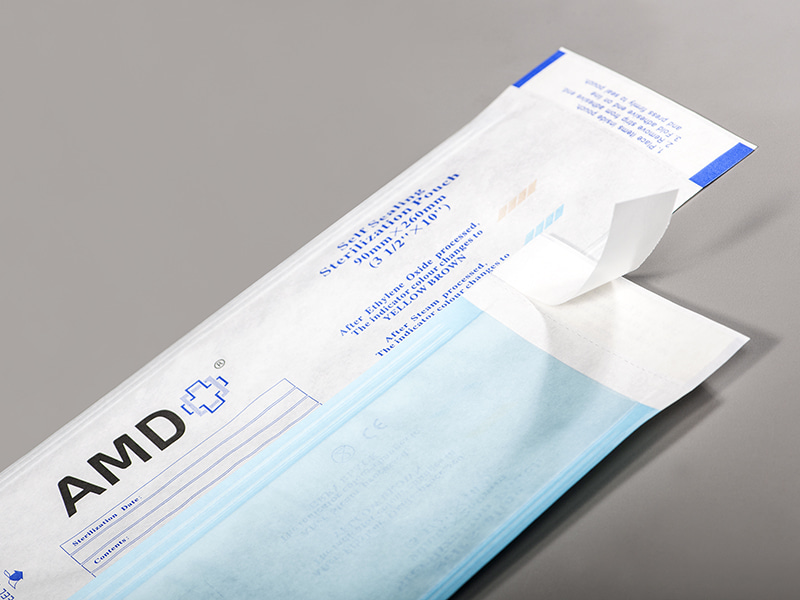
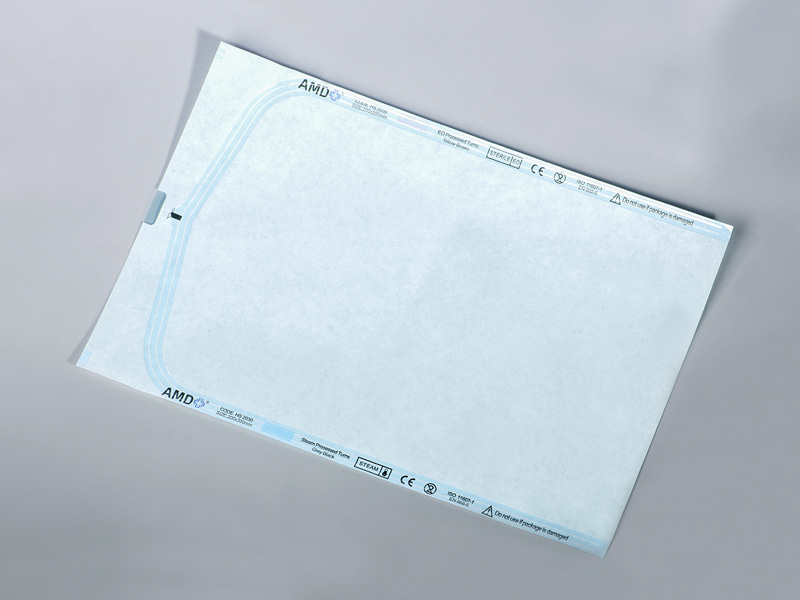
In healthcare, packaging is more than a container. It is part of the pathway that helps protect instruments between processing and point of use. As expectations around infection control, workflow efficiency, and storage discipline continue to change, packaging formats have also continued to develop. Among the options used in clinics, laboratories, and related medical settings, the Sterilization Self Sealing Pouch from Hopeway AMD reflects a direction that many facilities now value: simple handling, clear process flow, and packaging that fits routine sterilization work without adding unnecessary steps.
Content
- 1 The Development Path of Sterilization Packaging
- 2 Why Self Sealing Designs Matter in Daily Practice
- 3 Common Use Scenarios in Clinics and Laboratories
- 4 Infection Control Starts with Reliable Packaging
- 5 The Shift from Traditional Methods to Self Sealing Formats
- 6 Future Directions in Medical Sterilization Packaging
- 7 A Practical View of Packaging Value
The Development Path of Sterilization Packaging
Sterilization packaging has moved through several stages. Earlier formats often relied on basic wrapping methods or packaging that required separate sealing equipment. These solutions served an important purpose, but they also created extra steps in busy environments. Staff had to manage sealing tools, confirm closure quality, and keep packaging routines consistent across different users and shifts.
As clinical operations became more structured, packaging began to shift toward designs that reduced handling complexity. The goal was not only to contain instruments, but also to support a more orderly sterilization process. Self sealing formats emerged within this context. They fit the needs of locations that process instruments regularly and want a packaging method that can be used with limited setup.
This development reflects a broader trend in medical packaging: the movement from manual, equipment-dependent packaging toward formats that support repeatable handling. Facilities now look for packaging that can work within existing sterilization routines, while also helping staff save time during preparation. In this sense, self sealing pouches are part of a practical change in the field rather than a temporary preference.
The future direction of sterilization packaging is likely to remain centered on usability, process clarity, and compatibility with established infection control procedures. Packaging may continue to evolve in material structure, closure design, and label integration, but its core purpose will remain the same: help preserve the prepared condition of instruments until use.
Why Self Sealing Designs Matter in Daily Practice
Self sealing design has become widely discussed because it addresses a common operational need: simple closure without additional sealing equipment. In many settings. When packaging steps are reduced, staff can move through preparation in a more direct way. That can be useful in clinics with steady turnover, laboratories with frequent instrument handling, and smaller practices where space and equipment availability may be limited.
A self sealing pouch also supports a more consistent workflow. Because the closure process is built into the packaging, users do not need to depend on a separate machine for every sealed pack. This can make the process easier to organize across teams. It also lowers the risk of uneven sealing caused by unfamiliar equipment settings or rushed manual work.
Another practical advantage is storage convenience. In many facilities, packaging materials need to be easy to handle, stack, identify, and prepare in sequence. Self sealing pouches can fit into those routines without requiring major process changes. They are often selected for everyday instrument preparation where simplicity is important and staff need a packaging option that aligns with regular sterilization habits.
The appeal of this design is not based on novelty. It comes from the way it fits real work conditions. Packaging that saves time in preparation, reduces steps in closure, and remains easy to incorporate into routine processing can be a sensible choice for facilities that value organization and consistency.
Common Use Scenarios in Clinics and Laboratories
The use of sterilization pouches is not limited to one department or one type of facility. They are found in dental clinics, outpatient treatment rooms, laboratories, beauty-related medical environments, and other settings where instruments must be prepared in advance and handled with care.
In clinics, instrument turnover often needs to be smooth. Staff may prepare sets for examinations, minor procedures, or follow-up care. A self sealing format can support this kind of work because it is straightforward to use during preparation and can help keep instrument packs organized before sterilization and storage.
In laboratories, packaging may be used for tools that require controlled handling after cleaning and sterilization. The packaging method must be practical enough for frequent use, while still fitting with the facility's internal standards. Self sealing pouches are often suitable for such settings because they provide a clear process without requiring complex closure tools.
In smaller practices, the value of simple packaging becomes even more visible. When a team is compact and tasks are shared, a packaging solution that is easy to understand helps reduce confusion. Staff can prepare items in a uniform way, maintain cleaner storage habits, and keep processing routines moving at a steady pace.
It is also common for facilities to choose packaging based on the type of instruments being processed, the frequency of use, and the available storage method. That is why self sealing formats are often discussed alongside workflow planning rather than only as standalone packaging products. They belong to the wider system of preparation, sterilization, storage, and use.
| Medical Setting | Typical Use of Self Sealing Pouches | Main Benefit |
|---|---|---|
| Dental Clinics | Packaging dental tools and small instrument kits | Helps maintain organized instrument turnover |
| Outpatient Clinics | Preparing tools for examinations and minor procedures | Supports faster daily workflow |
| Laboratories | Packaging sterilized handling tools and equipment | Simplifies repeated preparation tasks |
| Beauty and Aesthetic Medical Centers | Protecting treatment instruments before use | Improves storage and presentation consistency |
Infection Control Starts with Reliable Packaging
Infection control is not limited to disinfection or sterilization alone. It also depends on how items are protected after processing. If packaging is poorly chosen or handled incorrectly, the prepared condition of instruments may be compromised before use. That is why packaging remains an important part of the infection control chain.
A sterilization package helps create a barrier between the processed instrument and the surrounding environment. This barrier matters during storage, transport, and handling. It helps support the idea that once an item has been properly processed, it should remain in a controlled condition until it is needed.
This is one reason medical packaging is treated as part of a procedure rather than as a final afterthought. The packaging step connects cleaning, sterilization, storage, and point-of-use handling. When that connection is weak, the overall process becomes harder to manage. When it is clear and consistent, staff can work with greater confidence in the routine they follow.
Infection control also depends on traceability and visual organization. Packaging that allows for practical labeling and easier identification can support storage discipline. Facilities often need to know when an item was prepared, how it was packaged, and where it belongs in the storage area. While packaging alone does not determine infection control outcomes, it plays a steady supporting role in maintaining order.
For this reason, many healthcare teams consider packaging an operational safeguard. It is part of the normal structure that helps prevent unnecessary exposure after sterilization. In daily practice, that role is often quiet, but it remains important.
The Shift from Traditional Methods to Self Sealing Formats
Traditional packaging methods often required more equipment or more manual steps. In some cases, they were well suited to larger processing areas with established machinery and dedicated staff. However, as more facilities sought flexibility, there was a clear need for packaging that could do more with less setup.
Self sealing formats answered that need by simplifying closure. Instead of relying on a separate sealing tool, the pouch design itself supports the closure process. This does not replace the need for correct cleaning, loading, sterilization, or storage. Rather, it reduces the number of steps between instrument preparation and sealed packaging.
That shift matters because many clinics and laboratories now operate under tighter time management and space constraints. Packaging that fits easily into existing routines can reduce friction in the workday. It can also help standardize handling across different users, which is useful in facilities where several staff members may prepare instruments at different times.
The move toward simpler packaging is part of a larger medical operations trend: reducing unnecessary complexity while preserving process discipline. In that context, self sealing designs are not just convenient. They are a response to real workflow needs.
Future Directions in Medical Sterilization Packaging
The next stage of sterilization packaging will likely continue to focus on practical improvements. One direction is material refinement. Facilities need packaging that supports routine handling, sterilization compatibility, and storage stability. As expectations continue to grow, materials may become more carefully matched to specific use conditions.
Another direction is clearer process support. Packaging may increasingly be designed to assist staff in organizing sterilization steps, identifying contents, and keeping records aligned with internal procedures. In medical environments, clarity often matters as much as convenience.
A third direction is adaptability. Different facilities have different needs, and packaging that can fit a range of routine uses is often more useful than packaging built for one narrow case. This applies to clinics, laboratories, and other care settings that handle instruments at different frequencies and volumes.
The broader trend is not toward unnecessary complexity. It is toward packaging that supports safe, orderly, and workable processes. Medical teams are likely to continue choosing solutions that fit that direction because they align with real daily demands.
A Practical View of Packaging Value
When discussing sterilization packaging, it helps to keep the focus on function. The value of a pouch is not only in its appearance or format. It is in how it helps support the workflow of preparation, sterilization, storage, and use. A good packaging routine reduces uncertainty, keeps handling organized, and gives staff a dependable way to protect processed items.
Self sealing designs have gained attention because they speak to those practical needs. They are simple to integrate, easy to understand, and suitable for a range of environments where instrument management matters. For clinics and laboratories that want packaging aligned with routine work rather than additional equipment dependence, they offer a sensible path.
At the same time, the importance of infection control remains central. Packaging is one of the quiet structures that support safe care. When chosen carefully and used properly, it helps maintain the condition of sterilized instruments and supports the order that healthcare work depends on.
As medical packaging continues to develop, the useful solutions will likely be those that balance simplicity, consistency, and operational fit. That is the direction many facilities are already moving toward, and it is likely to remain relevant as clinical workflows continue to evolve.

 ‘s-Gravenweg 542, 3065SG RotterdamThe Netherlands
 +31 (0)10 254 28 08