
 English
 Français
 Deutsch
 Nederlands
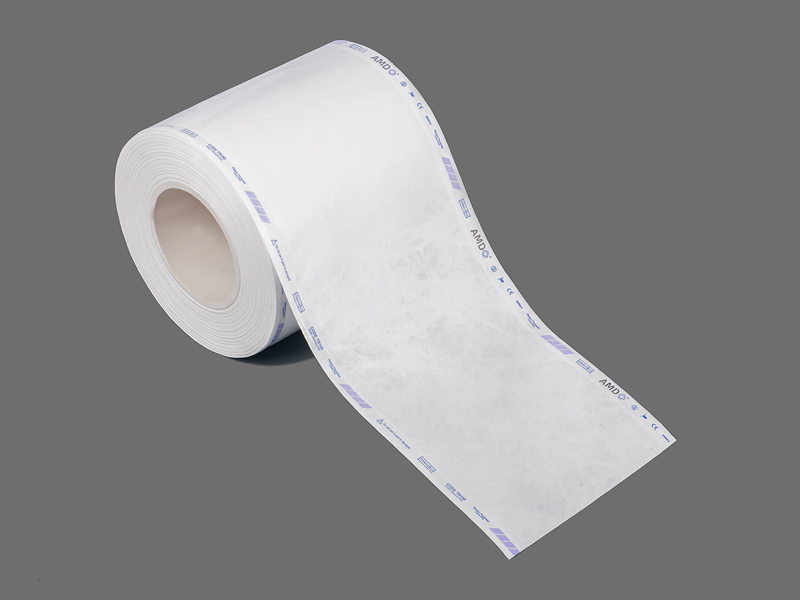
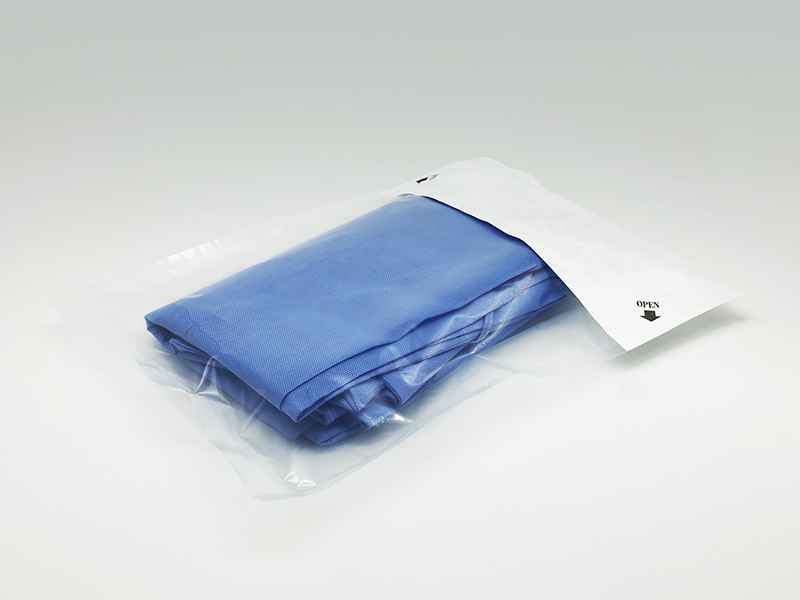
Medical instrument reprocessing depends as much on appropriate packaging as it does on the sterilization cycle itself. Packaging serves several practical functions: it protects processed items from contamination after sterilization, it permits sterilant penetration during the process, and it supports clear labeling and traceability. In recent years, variants of roll-type sterile packaging that incorporate antimicrobial material design have become available alongside conventional wraps and rolls.
Content
- 1 Material and structural differences
- 2 Behavior during sterilization
- 3 Handling, sealing and packaging workflow
- 4 Material characteristics and handling
- 5 Compatibility with sterilization processes
- 6 Risk mitigation within a systems approach
- 7 Operational efficiency and user experience
- 8 Material behavior and barrier function
- 9 Sterilization compatibility and validation
Material and structural differences
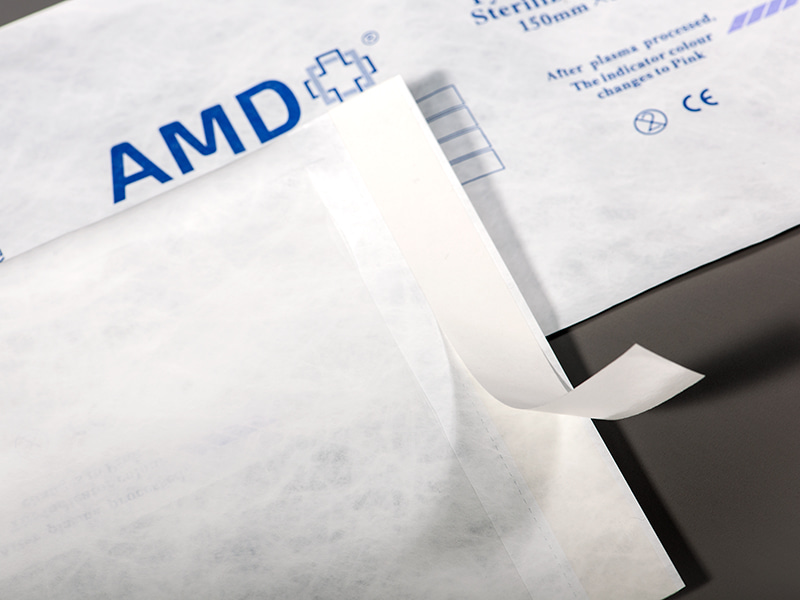
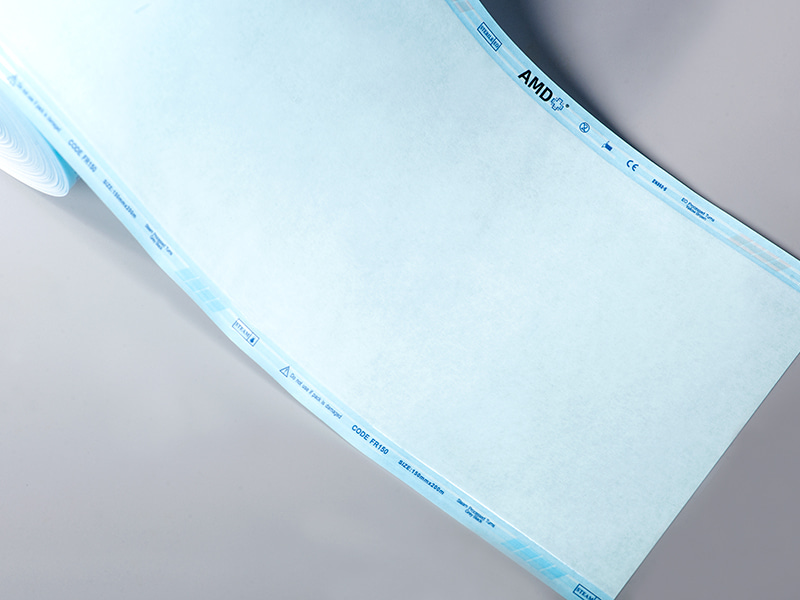
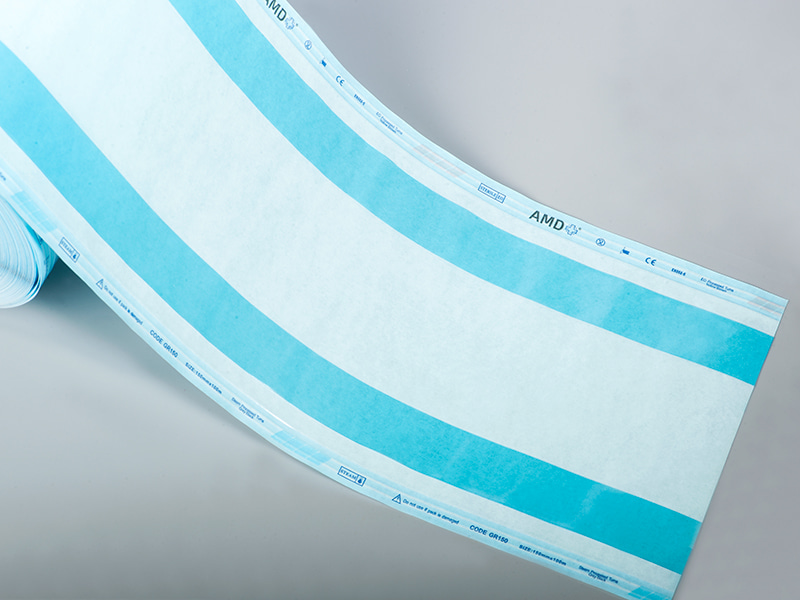
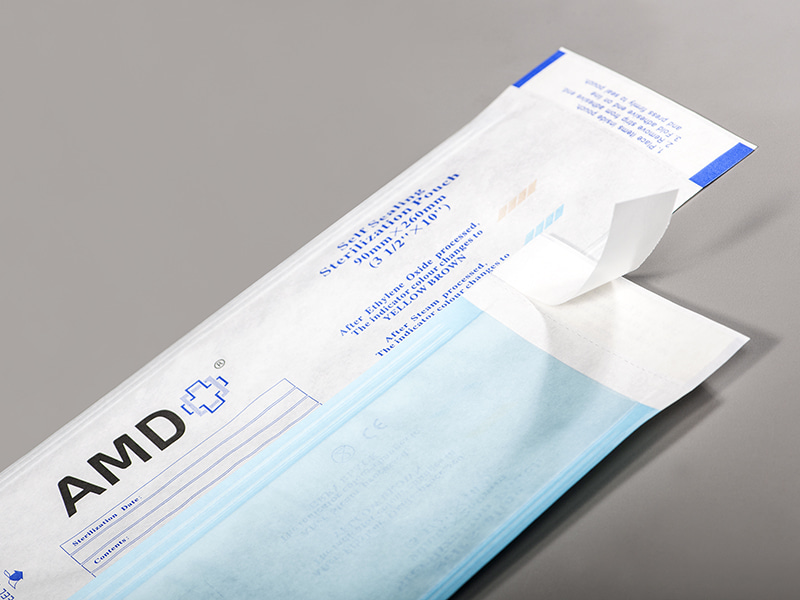
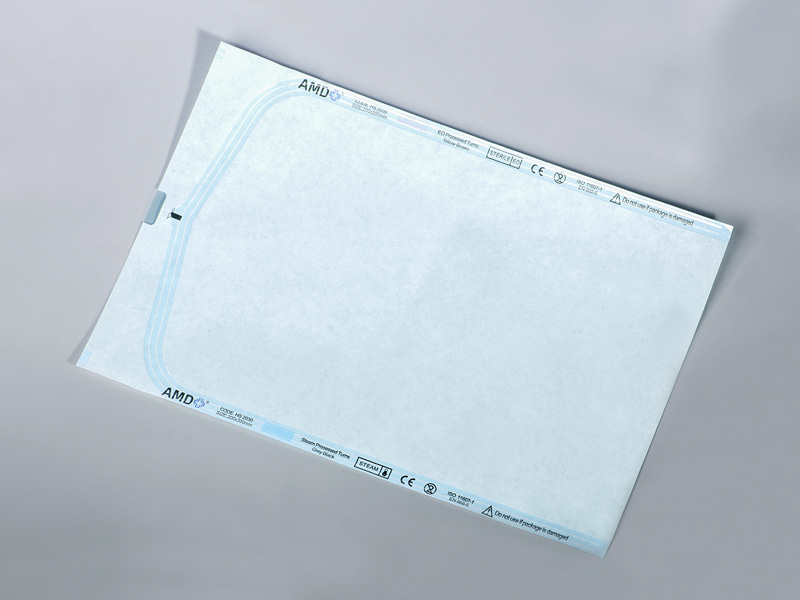
At the basic level, conventional sterile rolls are composed of a flexible paper layer combined with a transparent film to create a sterile barrier once sealed. The paper provides bacterial filtration while the film allows visual inspection of contents. Variants that incorporate antimicrobial design elements modify either the paper layer, the film layer, or both by integrating agents intended to reduce surface microbial load. These agents are incorporated during manufacture rather than applied in the clinical setting.
The presence of antimicrobial components changes how the material interacts with its environment at a surface level. For example, treated surfaces may be formulated to have reduced ability for microbes to persist on contact surfaces after the package is opened. Conventional materials rely primarily on the integrity of the sealed barrier and aseptic technique at the point of use to prevent contamination. The treated option is intended as an additional layer of control that complements standard infection prevention practices rather than replacing them.
Behavior during sterilization
Both treated and conventional roll-style packaging are designed to permit effective transmission of sterilants during an approved cycle and to maintain barrier properties afterward. The specific behavior of any material during a given sterilization method depends on its composition and manufacturing controls. When evaluating options, it is important to confirm that materials are validated for the sterilization methods used in the facility and that validation documentation is available from the manufacturer.
Because the treated material includes additives, procurement teams should consider whether those additives influence parameters such as permeability, tensile strength, or heat tolerance. Facilities should avoid assuming interchangeability and should perform or request compatibility checks with their established sterilization cycles where documentation is not explicit.
Handling, sealing and packaging workflow
From a workflow perspective, both types of roll packaging are used similarly: items are wrapped, sealed, labeled, and placed into sterilizers. Differences may arise in sealing characteristics, audible or tactile feedback during the sealing step, and the behavior of the sealed seam over time. For example, some materials may exhibit greater pliability that affects how tightly items can be wrapped without damaging delicate instruments. Others may require minor adjustments to sealing equipment or technique to ensure consistent seals.
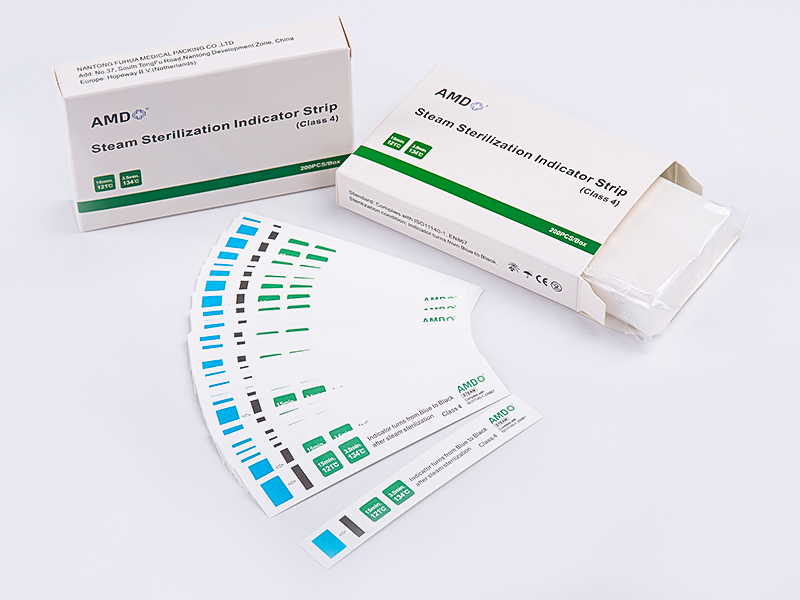
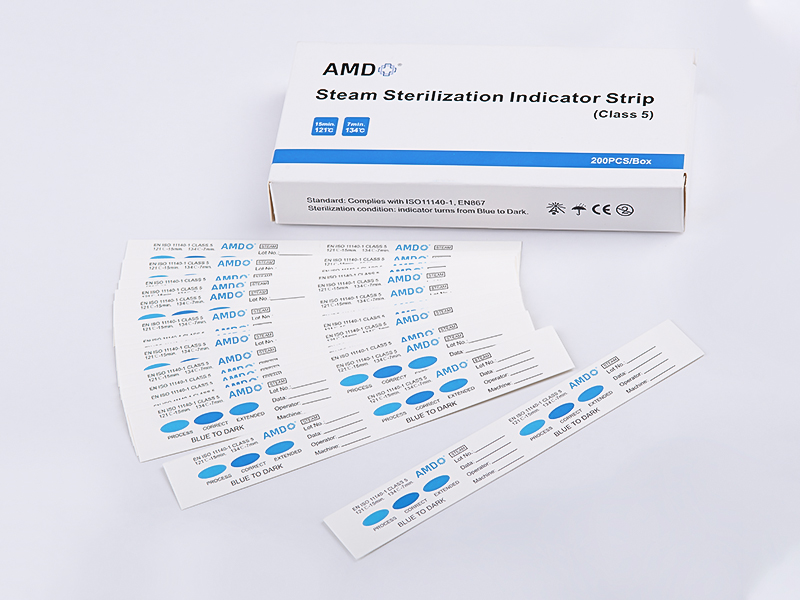
Visual indicators and labeling practices remain central to safe reprocessing. Facilities should preserve clear processes for marking packages with sterilization cycle information and expiry or reprocessing dates where applicable. Material changes that affect opacity or surface texture could alter how easily markings adhere or remain legible; this is a practical consideration during selection.
Healthcare providers continually reassess materials and protocols that affect sterile supply chains. One area that has attracted increasing attention is the selection of roll-type sterile packaging that incorporates antimicrobial design elements. Rather than being a single solution to infection control, these packaging options are entering practice because they interact with multiple operational and compliance priorities in ways that some facilities find valuable.
Material characteristics and handling
A key consideration for sterile processing staff is how packaging behaves during routine handling. Packaging that combines a flexible wrap layer with a transparent film is familiar and fits into established wrapping and sealing workflows. When the wrap layer is formulated with an antimicrobial approach, the change occurs at the surface interaction level rather than in the basic steps of wrapping and sealing. This can influence tactile properties during manipulation, how seams form at sealing, and how markings adhere for traceability.
Staff often notice small but consequential differences when a new roll material is introduced. These include variations in pliability, the amount of friction during folding, and the tactile feedback from a sealed seam. Institutions that adopt treated rolls typically plan hands-on trials to observe these behaviors under real use conditions so that any adjustments to technique or equipment can be made before broader deployment.
Compatibility with sterilization processes
Any packaging chosen for sterile processing must be compatible with the facility's sterilization modalities. Treated roll materials are developed with sterilant transmission and post-cycle barrier performance in mind; however, compatibility is not universal. Procurement and sterile processing teams review manufacturer documentation and, where appropriate, validate that the chosen material performs within the parameters of the sterilization cycles used locally.
The reason facilities place emphasis on compatibility checks is practical: the effective penetration of steam, gas, or other sterilants depends on the physical characteristics of the packaging. When a new material is introduced, teams evaluate whether cycle times, conditioning steps, or loading practices need refinement. This cautious approach helps ensure that any perceived advantages in surface properties do not come at the expense of sterilization performance.
Risk mitigation within a systems approach
Infection prevention is achieved through layered controls rather than through a single product change. Treated packaging is considered one more element in a comprehensive systems approach that includes instrument cleaning, sterilizer maintenance, staff training, environmental cleaning, and aseptic technique at the point of use. Facilities that decide to incorporate treated roll products typically frame the choice as a potential contributor to risk mitigation rather than a replacement for existing controls.
This systems view informs how changes are evaluated. Rather than accepting marketing claims at face value, clinical leaders usually require documentation, sample trials, and feedback from end users. Where treated surfaces are introduced, the organization tracks any shifts in handling errors, seal failures, or user preferences so that overall risk management remains evidence-based and responsive.
Operational efficiency and user experience
Operational considerations extend beyond infection control to include workflow efficiency and user satisfaction. Packaging that is easier to manipulate, that conforms well to instruments, or that provides clearer visual cues at the point of use can reduce wrapping time and reduce the risk of handling errors. Clinicians and sterile processing staff value materials that integrate smoothly with their routines; even modest improvements in ergonomics or sealing consistency can influence procurement decisions.
When facilities conduct pilot programs, they often solicit input from a cross-section of users — from instrument technicians to operating room staff — to capture a full picture of how a material performs across the supply chain. This inclusive process helps identify unanticipated consequences and supports training plans that accompany any material transition.
In sterile processing and clinical supply management, small adjustments in packaging choice can influence daily workflows and compliance practices. One packaging option that has received attention is a roll-style wrap that incorporates antimicrobial design elements into its material structure.
Material behavior and barrier function
At the heart of any sterile packaging decision is the material itself. A roll that blends a flexible paper layer with a transparent film preserves the familiar combination of a bacterial filtration layer and a visual window for contents. When antimicrobial design elements are introduced, these are integrated during manufacture so that the material surface interacts differently with environmental contaminants after the package is sealed and later opened. This does not replace standard sterilization processes; rather, it represents an additional material attribute intended to complement established barrier properties and aseptic practices.
Clinicians and sterile processing staff often value predictable material behavior: consistent pliability for wrapping, reliable seam formation during sealing, and a surface texture that accepts markings and labels. Materials with antimicrobial design elements are engineered to maintain these practical characteristics while offering an altered surface environment where microbes are less likely to persist on contact surfaces. Evaluating these behaviors under real operating conditions is an important step before a broader adoption.
Sterilization compatibility and validation
One of the important practical advantages is the potential for reliable compatibility with commonly used sterilization cycles. A compliant roll-style material should permit the selected sterilant—whether steam, gas, or another validated method—to penetrate as required and to preserve a sterile barrier after the cycle is complete. When a material is produced with awareness of sterilization physics, users gain confidence that packaging will behave as expected during standard cycles.
Procurement and sterile processing teams should request manufacturer validation documents and, where appropriate, perform in-house compatibility checks. The goal is to confirm that the material's permeability, tensile strength, and heat tolerance match the facility's processes. When documentation is clear and accessible, integration into existing validation routines and SOPs is more straightforward.
| Evaluation Aspect | Antimicrobial-Designed Roll | Conventional Roll Packaging |
|---|---|---|
| Surface Interaction | Designed to reduce microbial persistence on outer surface | Relies on barrier integrity and aseptic handling |
| Material Composition | Paper-film structure with integrated antimicrobial elements | Standard medical-grade paper and film combination |
| Sterilization Compatibility | Requires documented validation for specific sterilization methods | Requires documented validation for specific sterilization methods |
| Handling Experience | May present slight variation in texture and pliability | Familiar tactile characteristics for users |
The core advantages of roll-style packaging with antimicrobial design elements are practical rather than promotional: predictable material behavior, documented sterilization compatibility, manageable handling characteristics, and support for traceability and procedures.By treating packaging as one component of an integrated approach, healthcare organizations can make procurement decisions that reflect both clinical needs and operational realities.
 ‘s-Gravenweg 542, 3065SG RotterdamThe Netherlands
 +31 (0)10 254 28 08