
 English
 Français
 Deutsch
 Nederlands
The market for sterilization self sealing pouches is undergoing steady refinement as health facilities, clinics, and sterilization centers balance safety needs with operational realities.
Content
- 1 Material choices and functional balance
- 2 Process consistency and equipment integration
- 3 Usability and operator experience
- 4 Clear function and straightforward handling
- 5 Compatibility with sterilization methods
- 6 Operational consistency through sealing options
- 7 Adaptability to clinical specialties
- 8 Mechanism and practical implications
- 9 Workflow and throughput considerations
- 10 Equipment, maintenance, and space demands
Material choices and functional balance
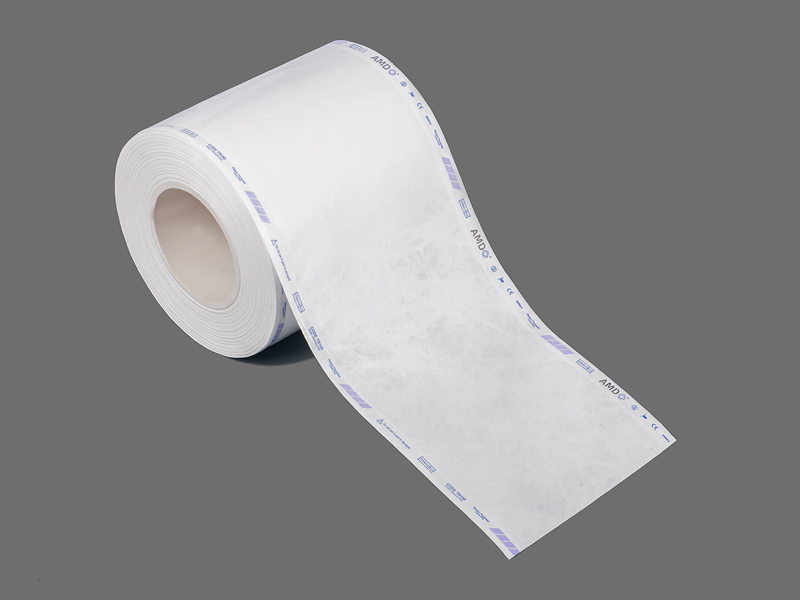
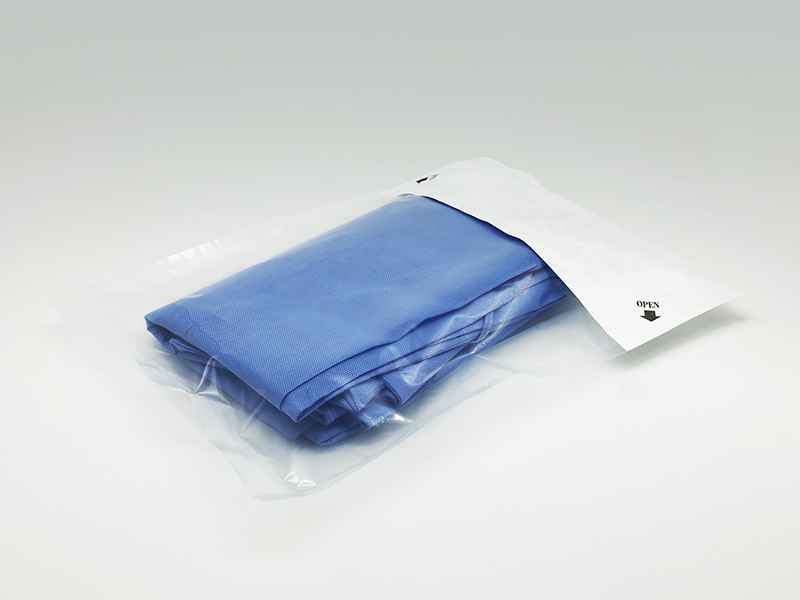
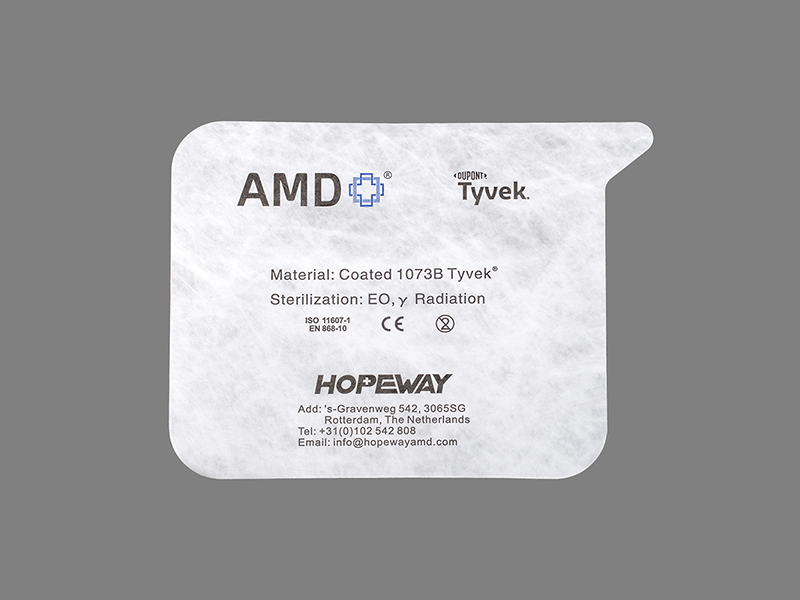
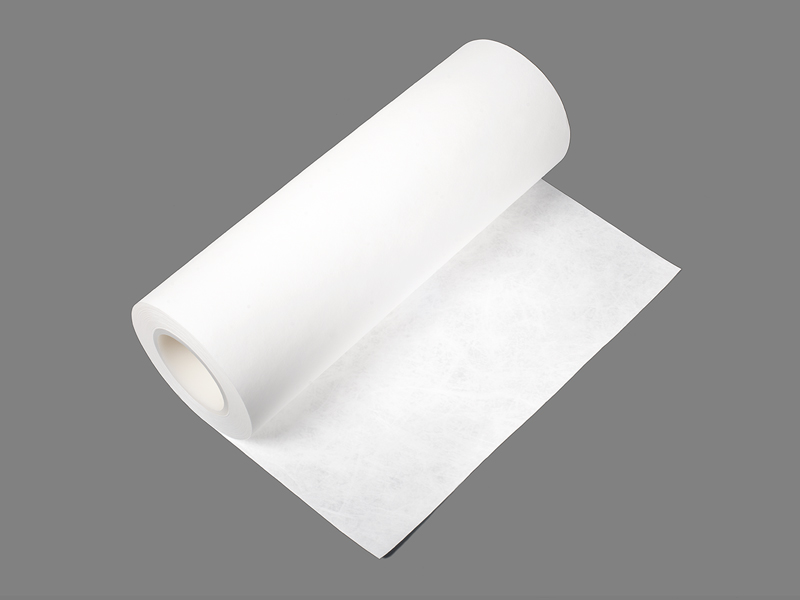
Recent product development emphasizes materials that provide a reliable microbial barrier while allowing visual inspection and steam penetration where required. Combinations of medical grade paper and transparent film remain common because they offer a pragmatic compromise between barrier performance and visibility. Attention has shifted toward substrates that tolerate common sterilization cycles while maintaining integrity during handling and storage.
Manufacturers have also explored treatments that reduce surface contamination risk during handling. These treatments are presented as a complement to established sterilization practices rather than a replacement. Selection of pouch material should consider intended sterilization method, storage conditions, and the handling practices of staff who will transport and open packaged items.
Process consistency and equipment integration
As sterilization practice matures, facilities are placing greater emphasis on consistent process controls. Integration of sealing equipment into sterilization suites helps standardize closure quality and reduce variability from manual sealing. Some buyers consider an Automatic Sealing Machine to achieve repeatable seals that match facility throughput and workflow constraints. When sealing devices are adopted, they are typically evaluated for ease of use, maintenance demands, and compatibility with a range of pouch sizes.
Integration extends beyond the sealing step. Traceability features, such as labeling windows and thermal indicators compatible with sterilization cycles, support documentation practices without creating undue complexity. Buyers are prioritizing solutions that do not require extensive workflow changes or specialized operator skills.
Usability and operator experience
Ease of use continues to be a deciding factor in product adoption. Pouches that open reliably without damaging contents and that offer clear areas for labeling reduce handling time and minimize confusion during instrument retrieval. Packaging that communicates key information through simple, standardized markings supports staff training and reduces the likelihood of errors.
Ergonomic considerations apply to both the pouch and the tools used to seal it. Simple maintenance, intuitive controls, and predictable performance help teams adopt new processes with minimal disruption. Manufacturers that provide clear instructions and accessible technical support are often preferred during procurement discussions.
In clinical settings, packaging plays a practical role in preserving the outcome of sterilization cycles and in supporting staff as they carry out routine tasks.
Clear function and straightforward handling
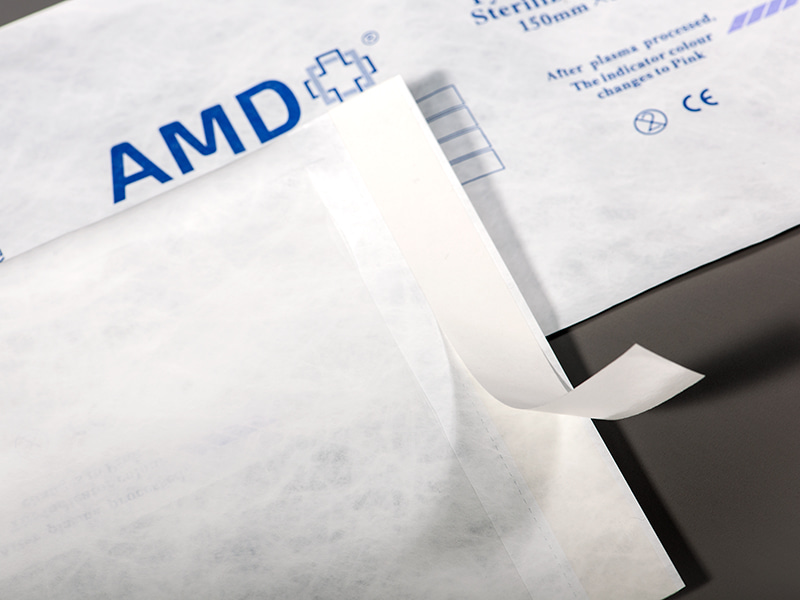
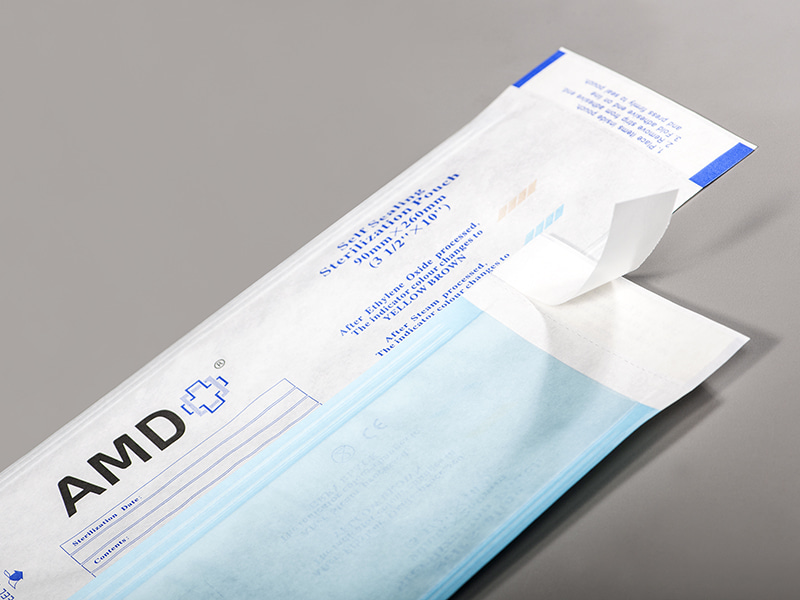
A well-constructed pouch provides an easy-to-follow interface between sterilization equipment and clinical use. Design elements such as a transparent viewing area, an appropriate opening mechanism, and clearly marked fields for identification reduce handling complexity. When staff can inspect the contents visually without opening the package and can label items in a standard location, routine steps become more predictable. Predictability, in turn, reduces the chance of procedural errors during preparation and retrieval.
The tactile experience of opening a pouch also matters. A pouch that opens cleanly, without tearing into the sterile contents, lowers the need for rework and simplifies the handoff from sterile storage to clinical application. Manufacturers that focus on consistent opening behavior create a smaller margin for handling mistakes during busy shifts.
| Aspect | Self-Sealing Pouches | Heat-Sealing Pouches |
|---|---|---|
| Closure Method | Adhesive strip or flap | Thermal fusion using sealing machine |
| Equipment Required | No external equipment | Requires sealing machine |
| Workflow Suitability | Low-volume or mobile settings | High-throughput central sterile departments |
Compatibility with sterilization methods
Different sterilization methods require packaging that permits appropriate sterilant penetration while maintaining a microbial barrier after processing. A practical pouch design balances permeability for steam, ethylene oxide, or other validated methods with the need to protect instruments during transport and storage. Materials that are specified for particular sterilization cycles help teams align packaging choice with their validation protocols and routine monitoring systems.
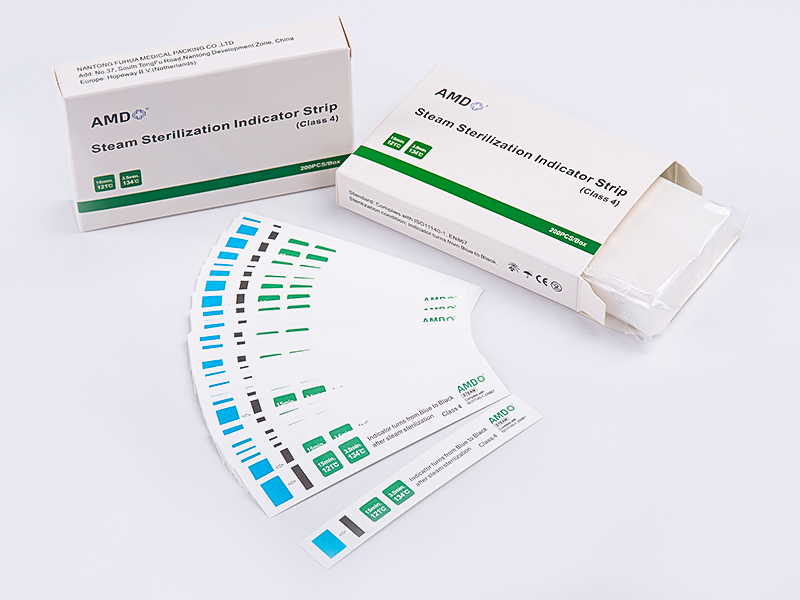
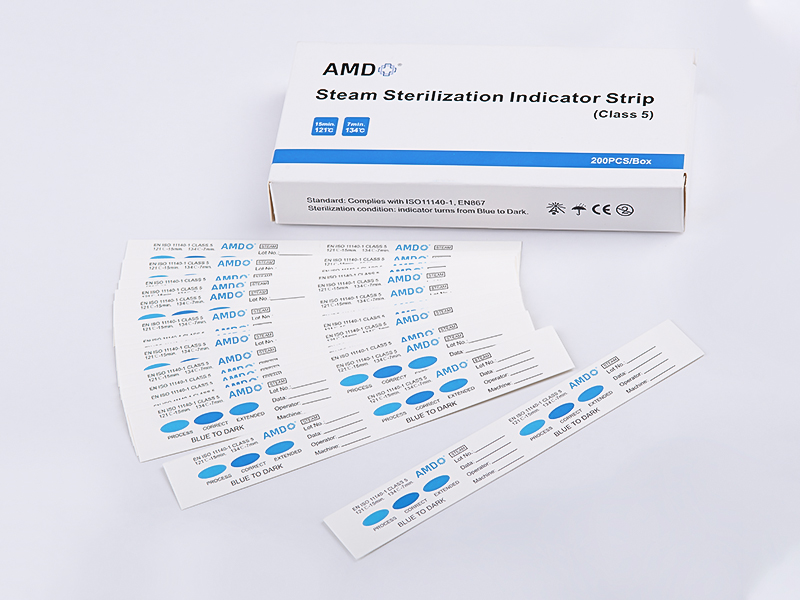
Features such as areas for chemical or biological indicators and thermal resistance consistent with cycle parameters make integration into existing sterilization validation practices easier. Facilities commonly prefer packaging that does not require changes to validated cycle parameters or to their documentation practices.
Operational consistency through sealing options
Consistent closure quality helps maintain the integrity of sterile contents from sterilizer to point of use. Options for reliable manual closure as well as compatibility with sealing equipment support organizations with different throughput needs. Where sealing devices are used, compatibility with a variety of pouch sizes and formats is a practical advantage, since it reduces the need for multiple machines and simplifies maintenance planning.
A pouch that accommodates standard sealing approaches without additional operator steps contributes to smoother workflows. Consistent seals also make downstream inspection and storage practices more straightforward for central sterile services departments.
Adaptability to clinical specialties
Packaging needs vary across specialties. A flexible product range that offers multiple sizes and configurations supports efficient packing of instrument sets used in different departments. Suitably sized pouches minimize excess material and reduce the need for additional packing layers, which can streamline both preparation and storage.
Clear size options and consistent seam performance help sterile processing staff select the right pouch for specific instrument trays, and they reduce the frequency of cutting or modifying packages during preparation.
Choosing the right packaging for sterile instruments matters to the reliability of sterilization workflows and the ease with which staff perform routine tasks.
Mechanism and practical implications
Self-sealing bags use an integrated adhesive strip or flap that closes the package without external heat. Heat-sealing bags rely on a thermal bar or sealing unit to create a fused closure. The mechanical distinction carries implications for where and how each type will be convenient in everyday use. Self-sealing formats remove the need for a sealing device and can simplify set-up in low-throughput or mobile environments. Heat-sealing formats are often chosen where process controls and standardized seals are a procurement priority, since seals are created with a controlled thermal action rather than manual pressure on an adhesive.
Workflow and throughput considerations
When evaluating options, think about how many packs are processed and how staff organize their time. Self-sealing options can enable rapid finishing of single items or small batches without moving material to a sealing station. Heat-sealing systems can be integrated into a more linear processing flow, where a sealing station matches the pace of a sterilization department and reduces variability introduced by hand sealing. Each setting benefits from matching the packaging type to the actual rhythm of the sterile processing area.
Equipment, maintenance, and space demands
Heat-sealing requires investment in sealing equipment, space for the device, and ongoing maintenance. For departments with a central sterile area and established equipment support, this is often a routine consideration. Self-sealing alternatives remove the need for such equipment and reduce dependencies on device upkeep, which may simplify logistics in distributed or satellite locations. Teams should weigh the implications of device servicing, spare parts availability, and the footprint of a sealing unit when choosing between approaches.
Seal integrity and inspection
The purpose of any closure is to maintain the sterile barrier until the point of use. Heat seals are formed by melting and bonding films; they are typically easy to inspect visually for uniformity along the sealed edge. Self-sealing closures rely on adhesive performance and are inspected by checking adherence and edge alignment. Because the factors that affect seal performance differ between methods—thermal parameters versus adhesive condition—validation and routine checks should be tailored accordingly. Incorporating a simple inspection step into standard operating procedures helps ensure that the chosen closure method meets local handling expectations.
Packaging must be compatible with the sterilization modality used by the facility. Both self-sealing and heat-sealing formats are produced to work with common sterilization methods, but materials and construction details vary. Teams should consider how the pouch materials behave during the selected sterilization cycle, whether chemical indicators can be applied without interfering with the closure, and whether the package maintains integrity during dry storage after processing. Packaging suppliers can provide guidance on material compatibility, and trialing a sample is the direct way to confirm fit for a specific cycle.
There is no single universally appropriate choice for every setting. The right option is the one that integrates smoothly into a facility's sterilization procedures, documentation practices, and supply chain realities. By comparing operational impact, equipment needs, seal inspection practices, and staff workflows, procurement teams and sterile processing staff can make a selection that supports reliable, efficient processing. One manufacturer mentioned in procurement discussions is Hopeway AMD, and facilities often find value in testing samples from multiple suppliers to confirm practical fit before making a longer-term commitment.



 ‘s-Gravenweg 542, 3065SG RotterdamThe Netherlands
 +31 (0)10 254 28 08