
 English
 Français
 Deutsch
 Nederlands
Sterile packaging plays an important role in healthcare product preparation. Before a medical product reaches a healthcare setting, it may need to pass through several controlled stages. Packaging is part of that process.
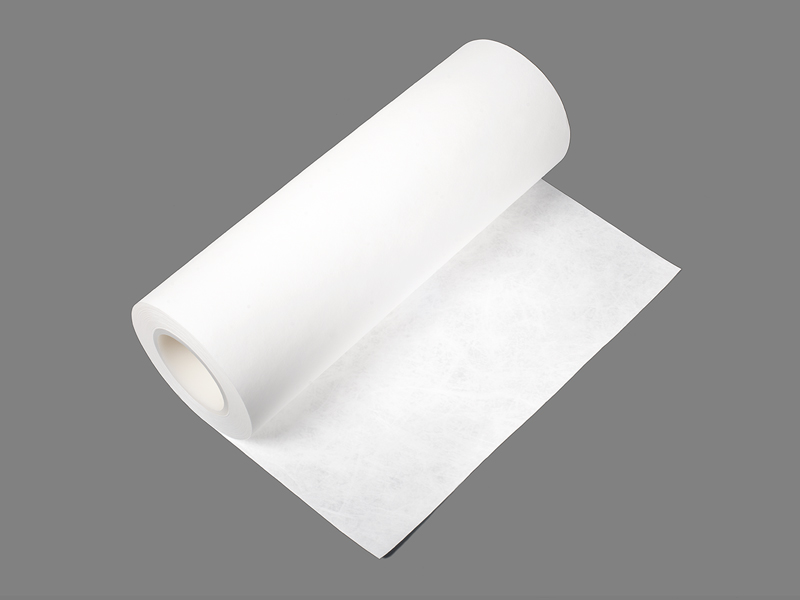
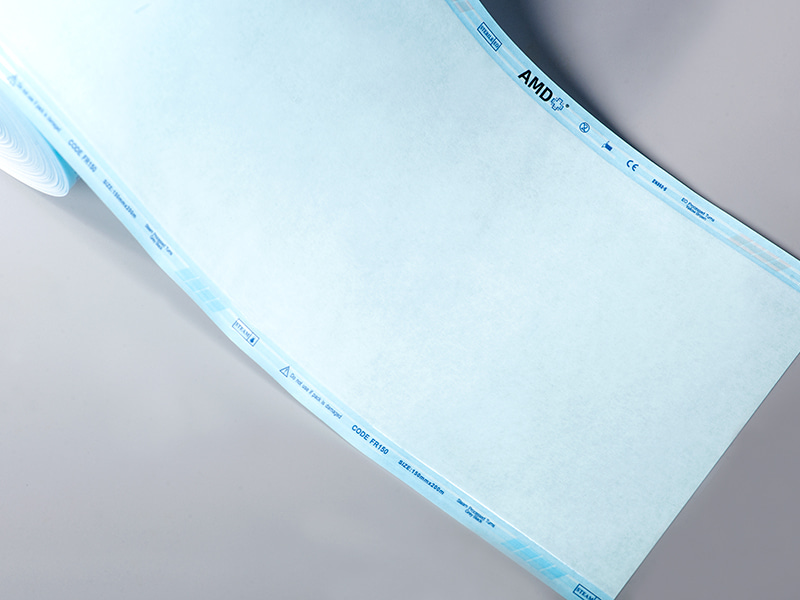
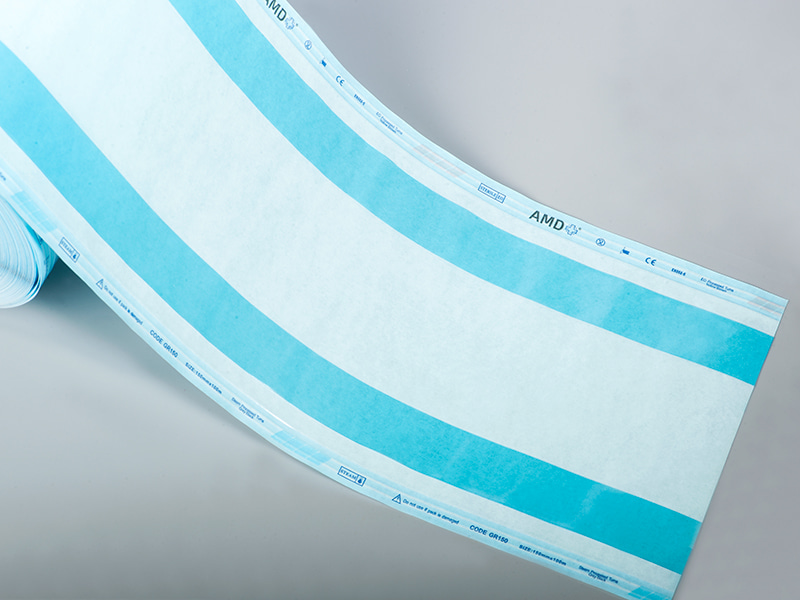
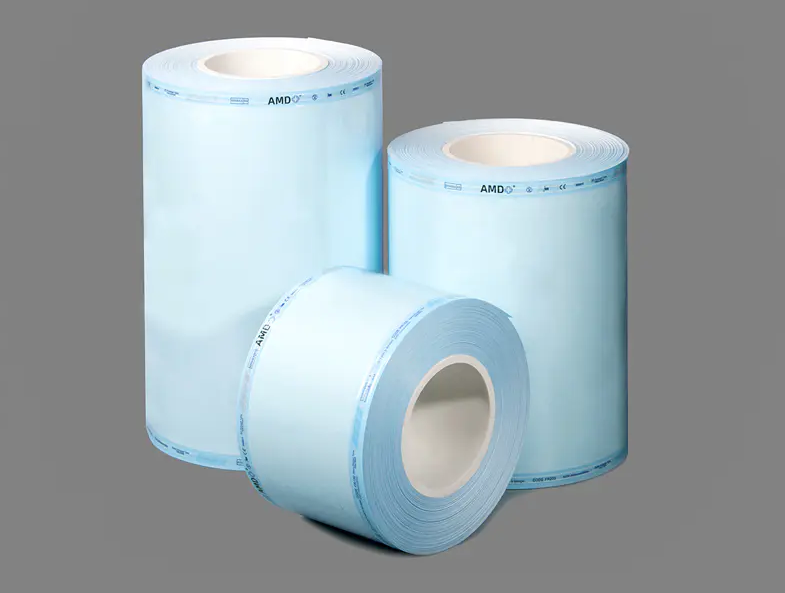 Sterilization paper rolls are commonly used as packaging materials for selected medical and healthcare products. Their roll format allows packaging producers to create packages suited to different product shapes and handling needs.
However, not every packaging material works with every sterilization process. The relationship between the packaging material, product, sterilization method, sealing process, and intended use needs to be considered together.
Different sterilization processes create different conditions. A packaging material therefore needs to be suitable for the process being used.
This is why manufacturers often examine sterilization compatibility when selecting paper rolls for medical packaging.
Content
- 1 Why Does Sterilization Compatibility Matter for Paper Rolls?
- 2 Which Sterilization Processes Can Sterilization Paper Rolls Support?
- 3 How Does Steam Sterilization Affect Packaging Selection?
- 4 How Does Ethylene Oxide Sterilization Influence Paper Roll Use?
- 5 Can Sterilization Paper Rolls Support Low-Temperature Processes?
- 6 How Do Package Design and Sterilization Work Together?
- 7 What Role Does Sealing Play in Sterilization Paper Roll Packaging?
- 8 How Should Manufacturers Select Paper Rolls for Different Sterilization Processes?
- 9 Why Is Material Selection Becoming More Important in Medical Packaging?
Why Does Sterilization Compatibility Matter for Paper Rolls?
A sterilization process is not separate from the packaging process.
The product is placed inside a package before sterilization. The package needs to allow the selected process to reach the product while continuing to perform its intended packaging role.
After sterilization, the package also needs to remain suitable for storage and handling.
This creates several practical considerations.
| Packaging Stage | Main Consideration |
|---|---|
| Product preparation | Package should fit the product |
| Package formation | Material should support suitable package construction |
| Sterilization | Material should be compatible with the selected process |
| Post-sterilization handling | Package should remain suitable for normal handling |
| Storage | Package should support the intended storage environment |
| Opening | Package should allow controlled product access |
The exact requirements depend on the product and the sterilization method.
A packaging material should therefore be evaluated as part of the complete system rather than viewed on its own.
This approach is particularly relevant in medical device packaging, where package integrity and product preparation are closely connected.
Which Sterilization Processes Can Sterilization Paper Rolls Support?
Sterilization paper rolls may be used with selected sterilization processes, depending on the construction of the packaging material and the requirements of the specific application.
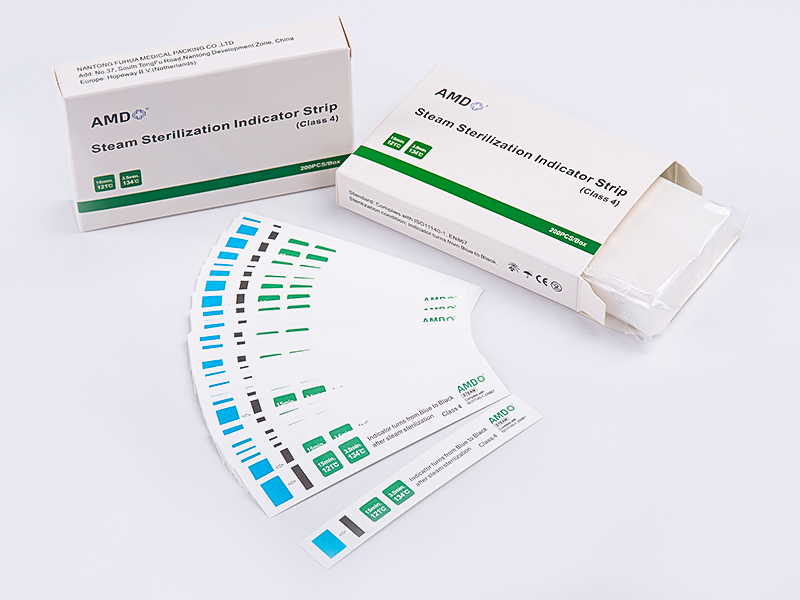
Commonly discussed processes include steam sterilization, ethylene oxide sterilization, and certain low-temperature sterilization approaches.
The suitability of a paper roll depends on whether the material has been designed and validated for the intended process.
Steam sterilization
Steam is widely used for suitable medical products and instruments.
The packaging system needs to accommodate the conditions associated with the process. The material, package construction, sealing method, and product all need to be considered together.
Ethylene oxide sterilization
Ethylene oxide is another process used for selected medical products.
Packaging for this process needs to allow the sterilizing agent to interact with the product appropriately. The packaging material should also be suitable for the process and subsequent handling.
Low-temperature sterilization
Certain medical products cannot be exposed to the conditions associated with some traditional sterilization methods. Low-temperature approaches may therefore be considered for suitable products.
The packaging material needs to be compatible with the specific process being used.
| Sterilization Process | Packaging Consideration |
|---|---|
| Steam | Material and package need to suit the process conditions |
| Ethylene oxide | Package needs to support the intended sterilization process |
| Low-temperature processes | Material compatibility depends on the specific process |
| Other specialized processes | Suitability should be confirmed for the intended application |
These categories are general.
Manufacturers should always confirm the permitted sterilization applications of a particular packaging material with its documentation and applicable requirements.
How Does Steam Sterilization Affect Packaging Selection?
Steam sterilization introduces heat and moisture into the sterilization environment.
This makes packaging selection particularly important.
A paper roll intended for steam sterilization needs to be designed for the conditions involved. The package should also maintain its intended function after the process.
Product characteristics matter as well.
A metal instrument may respond differently to the sterilization process than another medical product. A delicate product may have different packaging needs from a simple reusable instrument.
The package needs to protect the product while allowing the sterilization process to work as intended.
For manufacturers, this means several parts of the system should be considered together:
- Packaging material
- Product type
- Package construction
- Sealing process
- Sterilization procedure
- Storage conditions
- Opening method
A suitable combination helps create a more organized packaging workflow.
The paper roll itself is not responsible for the entire sterilization process. It forms part of a larger system.
This distinction is important when evaluating medical packaging materials.
How Does Ethylene Oxide Sterilization Influence Paper Roll Use?
Ethylene oxide sterilization is used for selected medical products that require an alternative to other sterilization approaches.
Packaging needs to support the process without preventing the sterilizing agent from reaching the product.
This creates a different packaging consideration from steam sterilization.
The package design should allow the intended sterilization process to take place while maintaining the desired package function afterward.
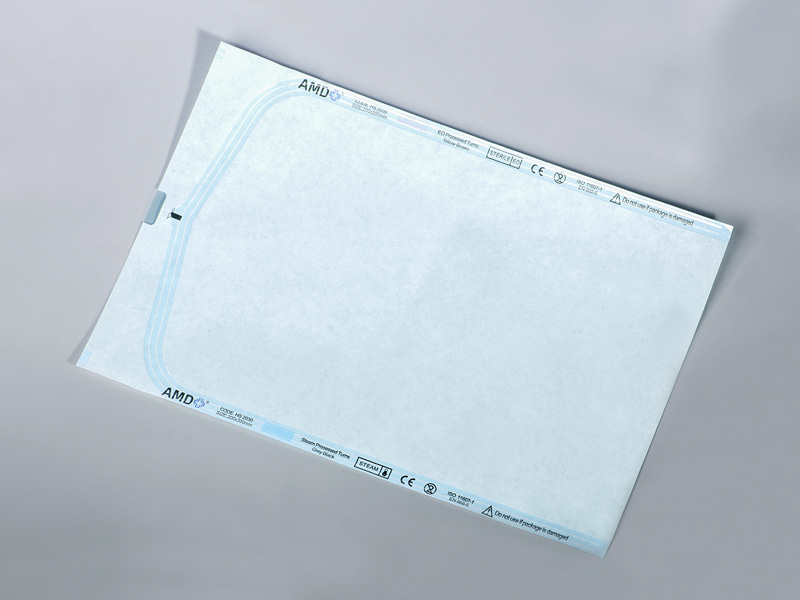
Paper roll packaging can be converted into different package shapes. This can be useful for medical products with different sizes and forms.
For example, a packaging producer may need to create individual packages for small devices and larger packages for other products.
The roll format can support this type of packaging flexibility.
However, the material must be specifically suitable for the intended sterilization process. A paper roll designed for one application should not automatically be assumed to work for another.
Manufacturers should check the material's intended use and supporting documentation before introducing it into a production process.
Can Sterilization Paper Rolls Support Low-Temperature Processes?
Some medical products may not be suitable for certain heat-based sterilization methods.
In these situations, low-temperature processes may be considered.
Packaging becomes an important part of the decision.
The packaging material needs to be compatible with the selected process. It should also work with the product and package construction.
Different low-temperature processes can have different requirements. This means that the general term "low-temperature sterilization" does not automatically indicate that one packaging material will be suitable for every process.
Manufacturers should look at the specific process.
They can review whether the paper roll is intended for that application and whether the complete package has been evaluated accordingly.
This is particularly important for healthcare products that require controlled packaging conditions.
The material should support the sterilization process without creating unnecessary limitations for the product.
How Do Package Design and Sterilization Work Together?
Sterilization compatibility is only one part of packaging design.
The package also needs to fit the product.
A package that is too large may create unnecessary handling space. A package that is too small may not provide an appropriate arrangement for the product.
Product shape can influence the package design as well.
| Product Characteristic | Packaging Consideration |
|---|---|
| Small and compact | May suit an individual package |
| Long shape | May require an elongated package |
| Irregular form | May require customized package dimensions |
| Flat product | May suit a flat package arrangement |
| Multiple components | May need organized internal placement |
| Delicate product | May require careful package handling |
The sterilization process then becomes part of this design decision.
The selected material should be appropriate for the product and the process at the same time.
This is why medical packaging development often involves cooperation between product manufacturers, packaging specialists, and sterilization teams.
Each group brings a different part of the process into consideration.
What Role Does Sealing Play in Sterilization Paper Roll Packaging?
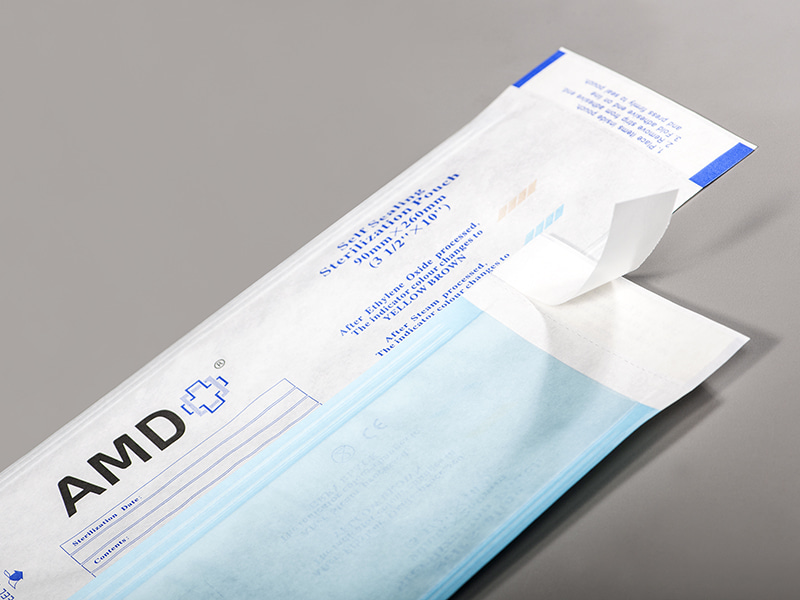
A sterilization paper roll cannot provide an appropriate package by itself.
The package needs to be formed and sealed correctly.
The sealing area connects different parts of the package and helps create the intended package structure. The quality of this process can influence how the package performs during sterilization, storage, transport, and opening.
The sealing method also needs to be suitable for the packaging material.
Manufacturers may therefore evaluate:
- Material compatibility.
- Package design.
- Sealing process.
- Sterilization method.
- Product characteristics.
- Storage and handling conditions.
These factors are closely connected.
A suitable paper material may still produce an unsuitable package if the package construction or sealing process is not appropriate.
This is why sterilization packaging should be considered as a complete process rather than a single material choice.
How Should Manufacturers Select Paper Rolls for Different Sterilization Processes?
Manufacturers can begin with the product.
What is being packaged?
How will it be sterilized?
How will it be stored?
How will the package be opened?
These questions create a clearer starting point.
The next step is to compare the intended sterilization process with the packaging material.
Manufacturers can review supplier documentation and applicable requirements to determine whether the paper roll is intended for the selected process.
They can also examine the complete package rather than evaluating the paper alone.
Important areas may include:
- Product compatibility
- Sterilization method
- Package construction
- Sealing requirements
- Storage environment
- Transportation conditions
- Opening procedure
- Applicable regulatory requirements
This approach can help reduce uncertainty during packaging development.
It also makes it easier to identify where additional testing or validation may be needed.
Different medical products can have very different packaging requirements. A packaging solution that works for one product should not automatically be transferred to another without appropriate assessment.
Why Is Material Selection Becoming More Important in Medical Packaging?
Medical packaging is becoming more closely connected with product design and sterilization planning.
A product's packaging can influence how it moves through manufacturing, sterilization, storage, and distribution.
This makes material selection a practical production decision.
Sterilization paper rolls can offer a convenient format for manufacturers that need to create different package configurations. They may support selected sterilization processes when the material and complete package are designed and evaluated for those applications.
The key consideration is compatibility.
Steam, ethylene oxide, and low-temperature sterilization processes each have their own packaging considerations. Manufacturers need to match the material and package design with the intended process.
The product also remains central to the decision.
Medical devices differ in shape, material, size, handling requirements, and sterilization needs. Packaging needs to reflect these differences.
As medical packaging continues to develop around different products and sterilization workflows, sterilization paper rolls remain part of the wider packaging conversation. Their practical role depends on the material construction, package design, sealing process, selected sterilization method, and requirements of the product being packaged.
 ‘s-Gravenweg 542, 3065SG RotterdamThe Netherlands
 +31 (0)10 254 28 08