
 English
 Français
 Deutsch
 Nederlands
Medical packaging has an important role in protecting products before they reach their intended users. A package is not simply an outer layer. It can become part of the process used to prepare, handle, store, and present a product.
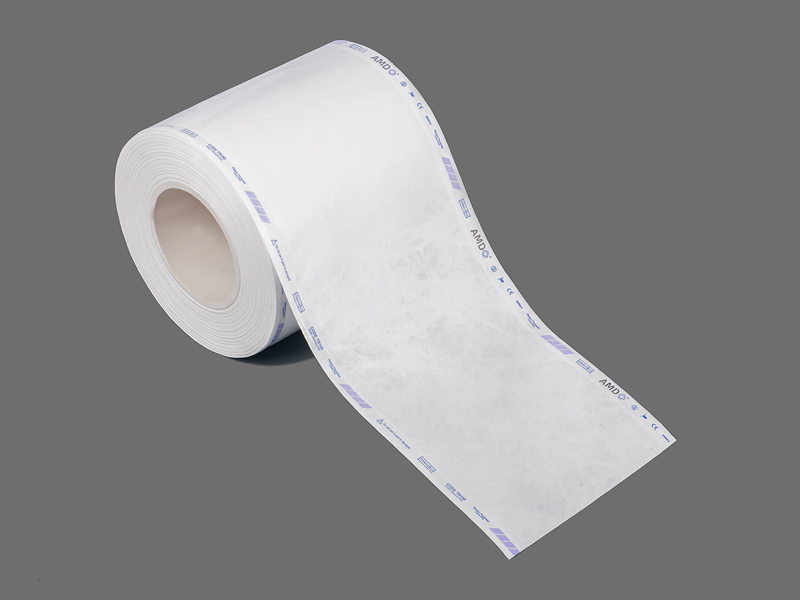
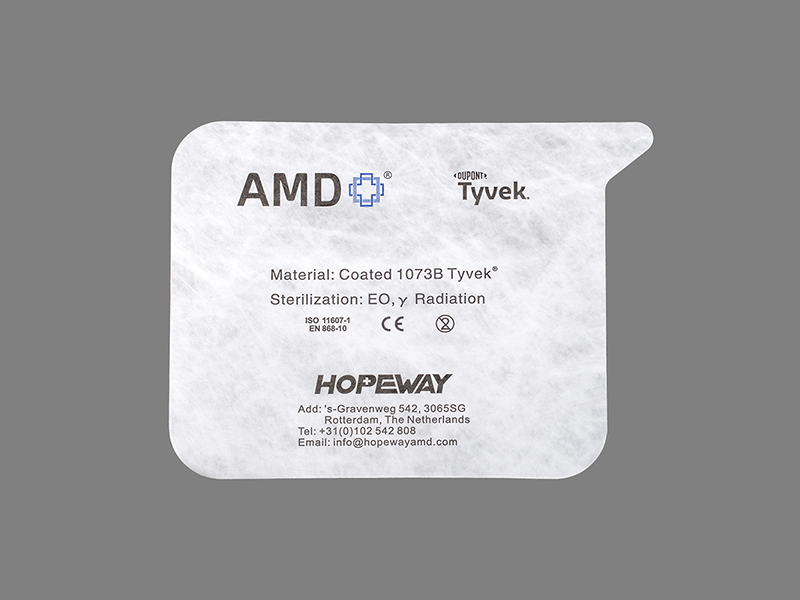
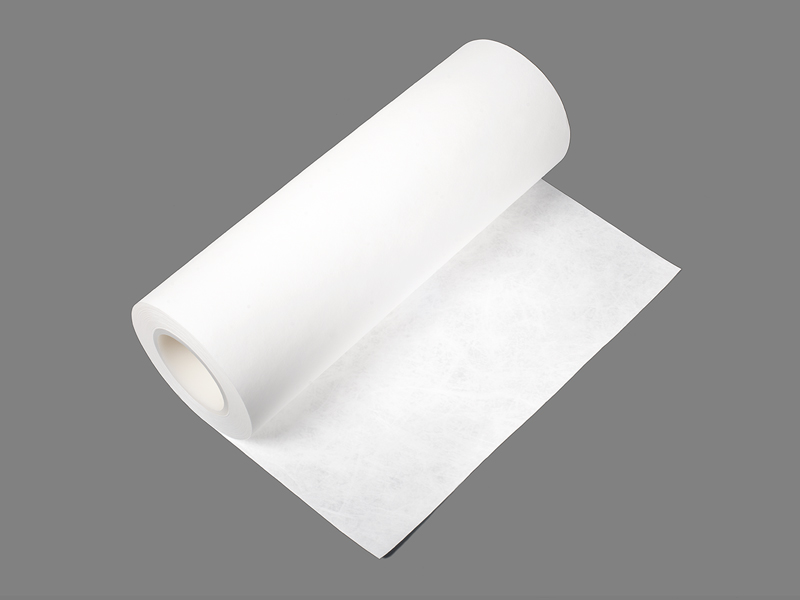
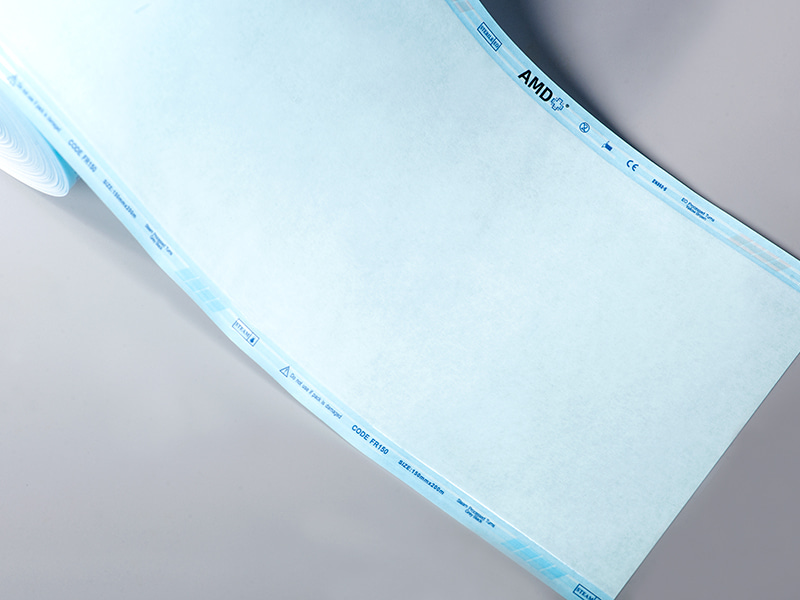
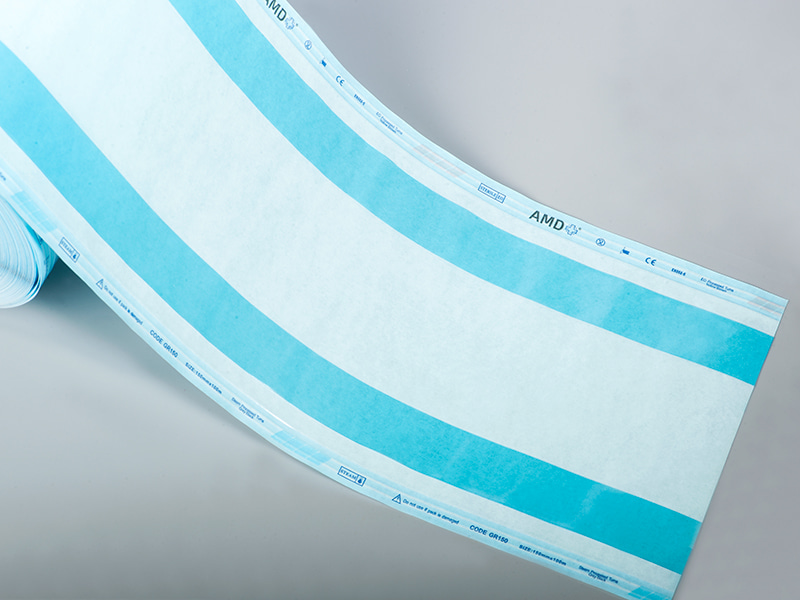
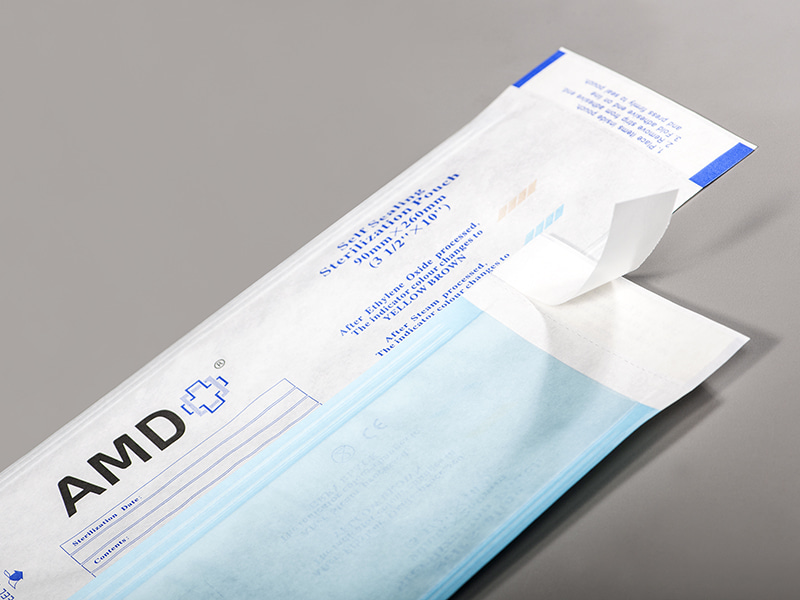
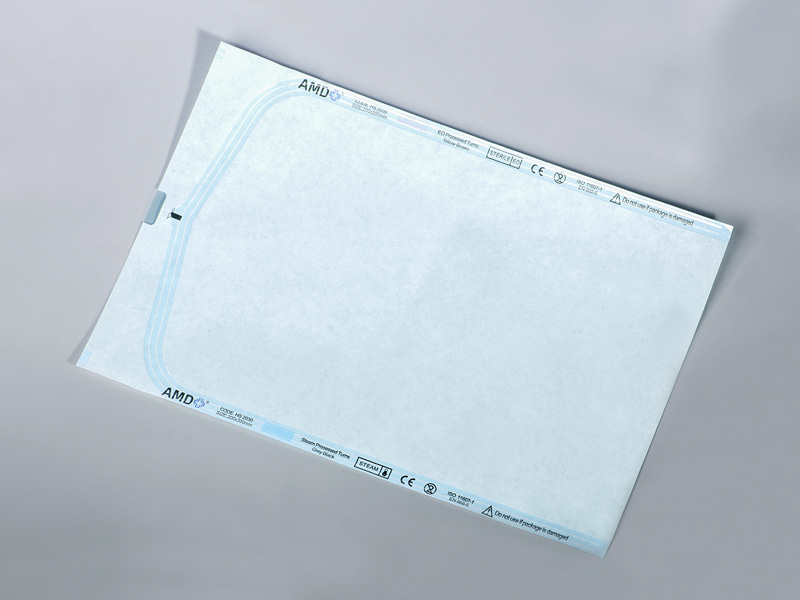
This is where Tyvek sterilization roll are commonly discussed in sterile packaging applications. The roll format gives packaging producers a material that can be converted into different package shapes according to the product being handled.
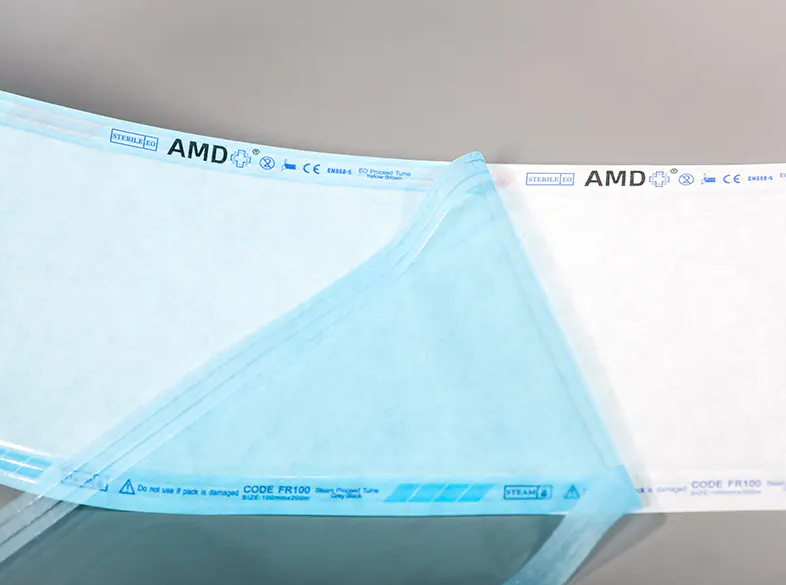
The material is often associated with medical and healthcare packaging. However, its use can extend to other controlled environments where products need suitable packaging before and after a sterilization process.
Different products create different packaging requirements. Small medical items may need compact packaging. Larger devices may require a wider package format. Some products have unusual shapes that call for customized packaging.
The use of a sterilization roll allows packaging producers to work with a material format that can be adapted to different product sizes and packaging arrangements.
Content
- 1 Why Are Tyvek Sterilization Rolls Used in Medical Packaging?
- 2 Where Are Tyvek Sterilization Rolls Commonly Used?
- 3 How Are Sterilization Rolls Used for Medical Devices?
- 4 Why Is Package Design Important for Sterile Products?
- 5 Can Tyvek Sterilization Rolls Be Used for Different Product Shapes?
- 6 What Other Healthcare Areas May Use Sterilization Roll Packaging?
- 7 How Do Packaging Producers Choose the Right Application for Tyvek Sterilization Rolls?
- 8 How Does Roll Packaging Support Flexible Medical Production?
- 9 What Should Manufacturers Consider Before Using Tyvek Sterilization Rolls?
- 10 How Is Tyvek Sterilization Roll Packaging Connected with Modern Medical Production?
Why Are Tyvek Sterilization Rolls Used in Medical Packaging?
Medical products often need packaging that supports the overall sterile packaging process.
The package needs to fit the product. It also needs to work with the intended sterilization process and subsequent handling stages. The packaging should allow the product to be presented in an organized way without making access unnecessarily difficult.
Sterilization rolls are used in this context because the roll format can be converted into packages suited to different products.
Instead of relying on a fixed package shape, manufacturers can create packaging around the product.
This can be useful when a product range contains items with different forms.
| Packaging Need | Role of Sterilization Roll |
|---|---|
| Individual medical products | Provides material for customized package formation |
| Different product shapes | Allows packaging to be adapted to the product |
| Small medical items | Supports compact package designs |
| Larger medical devices | Can be used for larger package formats |
| Organized product handling | Helps create clearly defined packages |
| Sterile product preparation | Forms part of the overall packaging process |
The packaging material is only one part of the process.
Package design, sealing, sterilization procedures, storage conditions, handling practices, and applicable requirements all need to be considered together.
Where Are Tyvek Sterilization Rolls Commonly Used?
Medical device packaging is one of the main application areas associated with sterilization rolls.
They may be used by manufacturers and packaging operations that prepare selected medical products for sterilization and later handling.
The actual products can vary considerably.
Some may be relatively small. Others may have more complex shapes. A packaging producer may need to create separate package designs for different product categories.
Common application areas can include:
- Medical device packaging
- Healthcare product packaging
- Surgical product packaging
- Laboratory-related product packaging
- Dental product packaging
- Controlled healthcare environments
- Selected pharmaceutical-related packaging applications
The exact suitability depends on the product, packaging design, sterilization process, and relevant requirements.
This makes application assessment important.
A material should not be selected simply because it is commonly associated with a particular industry. The packaging system needs to be evaluated according to its intended use.
How Are Sterilization Rolls Used for Medical Devices?
Medical devices come in many forms.
A device may have a flat shape, a long shape, a compact form, or several connected parts. Some products may have edges or areas that require additional consideration during packaging.
A roll format can give packaging producers more flexibility when creating a package around these products.
The general process can involve preparing the material, forming the package around the product, sealing the package, and moving it through the appropriate processing stages.
The exact process varies according to the product and packaging design.
This flexibility is useful for medical device manufacturers that do not produce only one type of product.
A package can be developed around the shape and handling needs of the item.
For example, a small medical product may require a compact package. A larger item may need more material and a different package arrangement.
The roll format can support these differences without requiring every product to use an identical package shape.
Why Is Package Design Important for Sterile Products?
The package has a practical role before, during, and after sterilization.
It needs to work with the selected process. It also needs to remain suitable for handling and storage afterward.
A well-planned package can make it easier to identify the product and handle it during distribution.
Package design can also affect how the product is accessed.
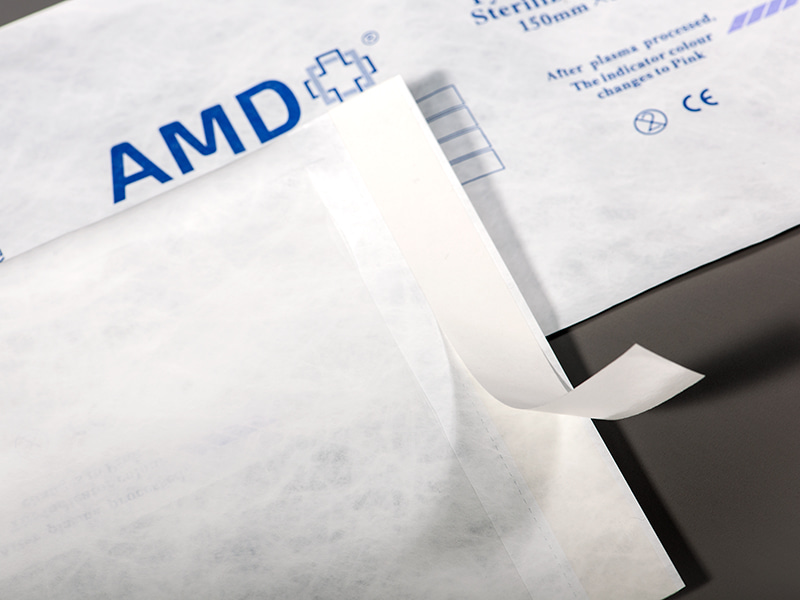
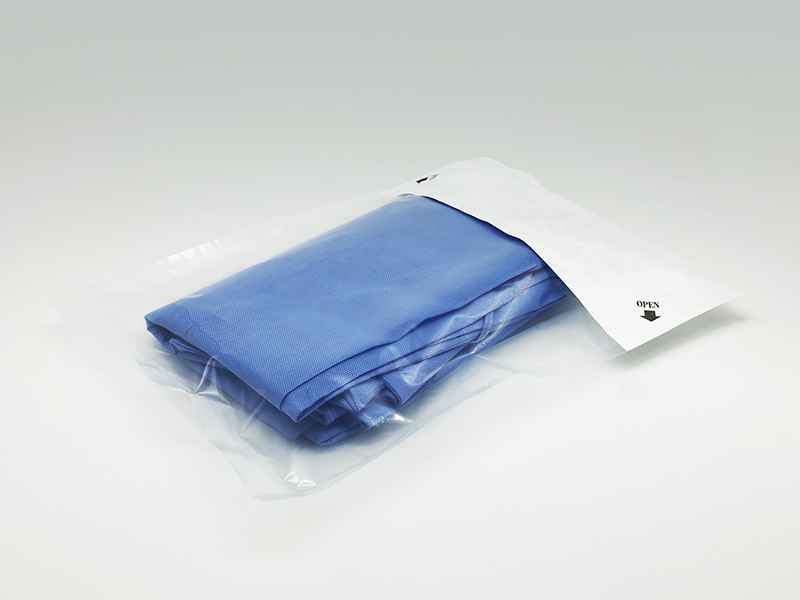
Medical personnel may need to open a package in a controlled environment. The package should therefore be designed with the intended handling process in mind.
This is one reason why packaging development is closely connected with product development.
| Packaging Need | Role of Sterilization Roll |
|---|---|
| Individual medical products | Provides material for customized package formation |
| Different product shapes | Allows packaging to be adapted to the product |
| Small medical items | Supports compact package designs |
| Larger medical devices | Can be used for larger package formats |
| Organized product handling | Helps create clearly defined packages |
| Sterile product preparation | Forms part of the overall packaging process |
These elements need to work together.
A material that appears suitable on its own may not provide an appropriate packaging solution if the package design does not match the product.
Can Tyvek Sterilization Rolls Be Used for Different Product Shapes?
One reason roll-form materials are useful is their ability to support different package configurations.
Medical products are rarely identical.
A packaging producer may handle flat instruments, compact components, elongated devices, or products with unusual shapes. Each item may need a different package layout.
The material can be cut and formed according to the packaging design.
This does not mean that every product can use the same process.
Different shapes may require different package arrangements and handling considerations.
A product with sharp or irregular features may require careful package development. A delicate product may need a package that limits unnecessary movement. A compact product may require a smaller package to avoid excessive material around the item.
These decisions are made at the packaging design stage.
The roll itself provides a starting material. The final package depends on how that material is converted and sealed.
This distinction is important when discussing the role of sterilization rolls in medical packaging.
What Other Healthcare Areas May Use Sterilization Roll Packaging?
Medical device production is not the only environment where sterile packaging is relevant.
Dental products, laboratory products, and selected healthcare items may also require carefully designed packaging.
Dental environments can involve instruments and products that need controlled preparation and storage. Packaging can help separate individual items and support organized handling.
Laboratory environments can also involve products that require specific packaging arrangements.
In these settings, the packaging needs to match the product and the workflow.
A roll format may be useful when packaging producers need different package shapes within the same operation.
However, the intended use remains important.
Not every healthcare product requires the same packaging approach. Packaging decisions can depend on product characteristics, sterilization procedures, storage conditions, and applicable regulations.
This makes application-specific assessment an important part of material selection.
How Do Packaging Producers Choose the Right Application for Tyvek Sterilization Rolls?
Choosing a packaging material involves more than looking at its general industry use.
Manufacturers can begin by examining the product itself.
Is it rigid or flexible? Is it compact or large? Does it have unusual edges? Does it require individual packaging? How will it be handled after sterilization?
These questions help establish the basic packaging direction.
The intended sterilization process also needs attention. Packaging materials should be compatible with the process selected for the product.
Storage and transportation can influence the design as well.
A package may move through several stages after sterilization. It may be stored in a healthcare facility before being opened. It may also need to withstand normal handling during distribution.
The packaging system should therefore be considered as a complete chain.
Manufacturers may review:
- Product characteristics.
- Intended packaging format.
- Sterilization requirements.
- Sealing and package design.
- Storage conditions.
- Transportation and handling.
- Opening requirements.
- Applicable quality and regulatory requirements.
This process can help avoid choosing packaging material based only on appearance or industry familiarity.
How Does Roll Packaging Support Flexible Medical Production?
Medical product manufacturers often work with more than one product.
A facility may produce several related devices. Each product may have its own packaging requirements.
A roll can support a flexible approach because it provides packaging material that can be converted into different package configurations.
This can be particularly useful when product sizes or shapes change.
Instead of keeping only one fixed package format, a manufacturer can develop different package designs from a related material category.
That can make the packaging system more adaptable.
It also allows packaging teams to consider the product itself when creating the package.
The package does not need to be designed independently from the device.
This relationship can help create a more organized workflow between product production and packaging preparation.
The degree of flexibility still depends on the available equipment and packaging process.
A roll material does not automatically make every packaging operation flexible. The converting, sealing, inspection, and handling processes all influence what can be achieved.
What Should Manufacturers Consider Before Using Tyvek Sterilization Rolls?
Before introducing a sterilization roll into a packaging process, manufacturers should review the complete application.
Several questions can help guide the assessment.
Does the material suit the intended product?
The product shape, surface, and handling requirements should be considered.
Does the package work with the intended sterilization process?
Compatibility should be established as part of the packaging development process.
Is the package easy to handle?
Medical personnel may need to store, transport, identify, and open the package.
Can the package maintain its intended function during storage?
The package should be considered across its expected handling environment.
Does the packaging design meet applicable requirements?
Medical packaging can be subject to specific regulatory and quality expectations. Manufacturers should verify the requirements that apply to their particular products and markets.
Can the production process handle the material effectively?
The roll needs to work with the equipment and procedures used to form and seal the package.
These questions move the decision away from material selection alone.
The actual packaging system determines how useful a particular material will be.
How Is Tyvek Sterilization Roll Packaging Connected with Modern Medical Production?
Medical packaging is becoming more closely connected with product design and manufacturing organization.
A device is not simply produced and then placed into an unrelated package. Its shape, handling requirements, sterilization process, storage conditions, and opening method can all influence the packaging solution.
Tyvek sterilization rolls fit into this broader approach by providing a material format that can be converted into packages for selected medical and healthcare applications.
The roll format can support different package designs. This can be useful for products that vary in shape, size, or handling requirements.
At the same time, material selection needs to remain application-specific. The appropriate packaging solution depends on the product, sterilization method, package construction, sealing process, storage environment, and applicable requirements.
As healthcare manufacturers continue to develop different product forms and packaging arrangements, sterilization roll materials remain part of the wider discussion around organized medical packaging, product handling, sterilization preparation, and sterile product presentation.
 ‘s-Gravenweg 542, 3065SG RotterdamThe Netherlands
 +31 (0)10 254 28 08