

 English
 Français
 Deutsch
 Nederlands
Sterilization work often takes place behind the scenes. A medical package may look unchanged after processing, yet staff still need a practical way to identify whether it has passed through the intended sterilization process. This is where EO Indicator Strips can become part of the workflow.
EO, also known as ethylene oxide, is used for sterilizing certain medical devices and other items that may not be suitable for some heat or moisture-based processes. During EO sterilization, chemical indicators can provide a visible response after exposure to the process environment.
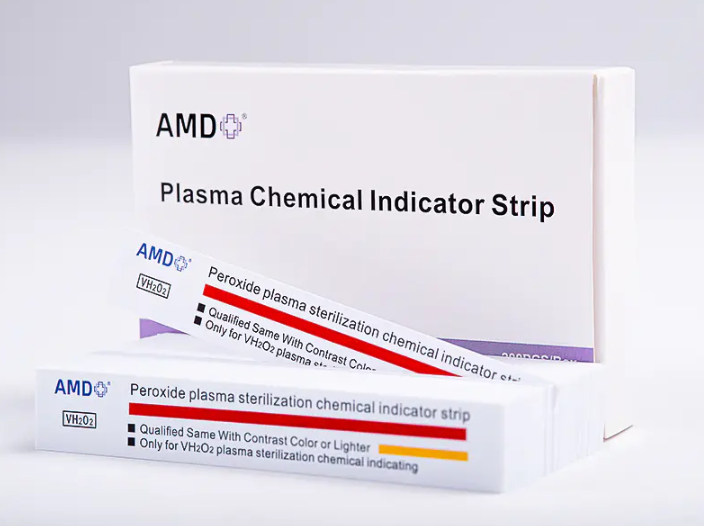
EO Indicator Strips are designed to make that response easier to see. They can be placed on or used with packaging according to the applicable instructions. After processing, a visible change can provide information that the strip has been exposed to the intended process conditions.
The role is practical, but it needs to be understood correctly. An indicator strip is not a substitute for the complete sterilization process. It does not, by itself, prove that a product is sterile. Instead, it provides a visual indication that can support process monitoring and workflow control.
Content
- 1 Why Are EO Indicator Strips Used During Sterilization?
- 2 How Does an EO Indicator Strip Show That a Process Has Taken Place?
- 3 Can EO Indicator Strips Be Used With Medical Packaging?
- 4 Why Is Visual Identification Useful in Sterilization Workflows?
- 5 What Factors Can Affect EO Indicator Strip Use?
- 6 How Should EO Indicator Strips Be Stored Before Use?
- 7 What Common Mistakes Can Affect EO Indicator Strip Use?
- 8 How Can Manufacturers Maintain Consistent EO Indicator Strip Quality?
- 9 What Should Buyers Consider When Choosing EO Indicator Strips?
Why Are EO Indicator Strips Used During Sterilization?
Sterilization involves several steps. Products need to be prepared, packaged, processed, inspected, and released according to established procedures. Staff need clear information at different points in this workflow.
An EO Indicator Strip can provide one visible sign that an item or package has been exposed to the EO sterilization process. This is useful when many packages are being handled and staff need a quick way to distinguish processed material from material that has not yet gone through the intended process.
The strip generally contains an indicator area that responds to the relevant process exposure. The response is visible as a change in appearance, commonly involving color. The exact response depends on the particular product and its instructions for use.
This simple visual feature has a practical purpose.
It can help staff organize sterilized and unsterilized materials. It can also support routine checks during packaging and handling.
The important point is that the strip provides process information, rather than a complete statement about sterility.
A sterilization process involves more than one condition. Packaging, loading, equipment operation, product preparation, and process monitoring all matter. Indicator strips are one part of this broader system.
How Does an EO Indicator Strip Show That a Process Has Taken Place?
The basic idea is straightforward.
An EO Indicator Strip contains a chemical indicator designed to react to conditions associated with EO processing. Before exposure, the indicator has its initial appearance. After appropriate exposure, it changes in a way that can be visually recognized.
This creates a simple distinction for handling.
| Before EO Processing | After Appropriate Process Exposure |
|---|---|
| Indicator remains in its initial state | Indicator shows the specified response |
| Package may require processing | Package can be identified as having been exposed |
| Staff cannot rely on the strip alone for release | Staff can use the indicator as part of process documentation and checks |
The visible change can make workflow management easier.
Imagine a preparation area where packages are placed together before processing. Once the sterilization cycle has been completed, staff need a practical way to identify the processed items. A visible indicator response can help reduce uncertainty during handling.
However, users should not judge an indicator by appearance alone without following the manufacturer's instructions. Different products may have different response characteristics and interpretation requirements.
The strip should be treated as an indicator with a defined purpose, not as a general test for sterility.
Can EO Indicator Strips Be Used With Medical Packaging?
Medical packaging is an important setting for EO indicators.
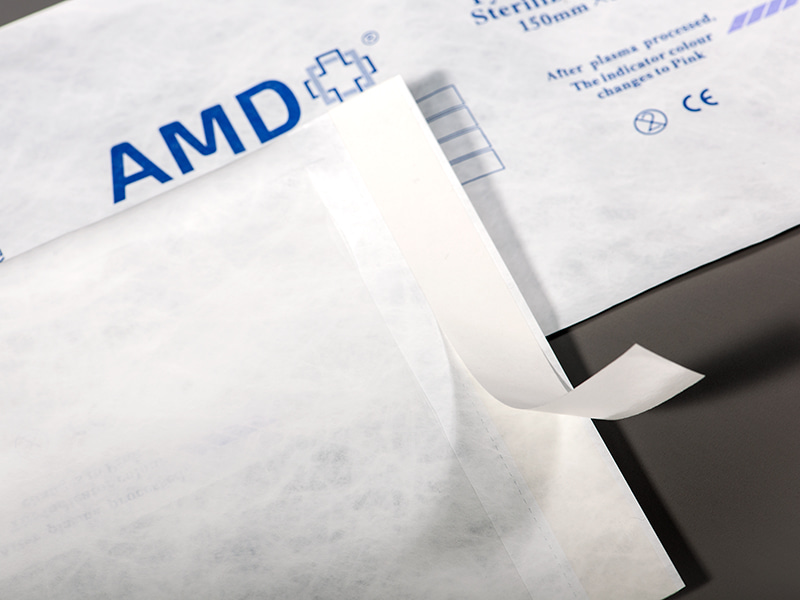
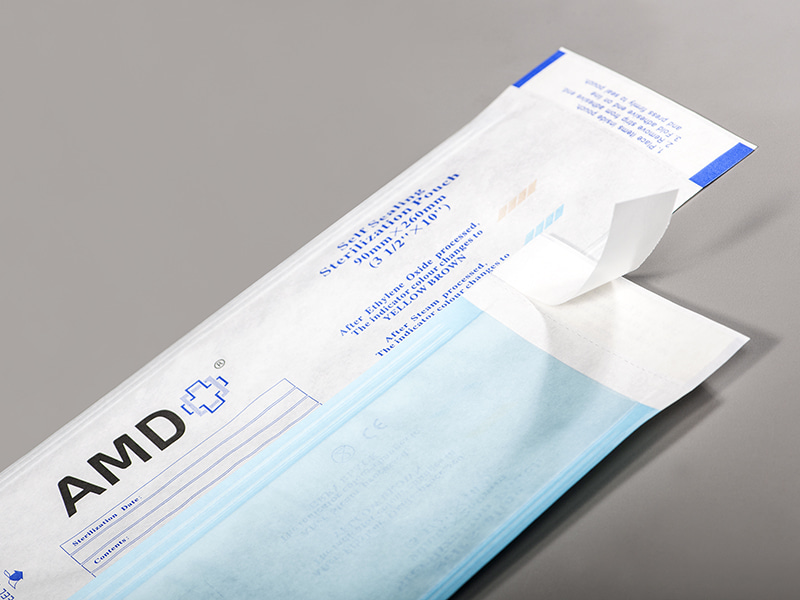
A packaged medical device may need to remain protected after sterilization. The packaging system is therefore part of the overall workflow. An indicator can be incorporated or positioned in a way that allows staff to identify process exposure without unnecessarily opening the package.
The exact placement depends on the packaging method, the indicator design, and the applicable instructions.
In practice, users may encounter EO indicators in different forms. Some are designed as strips, while others may be integrated into labels or other indicator products. Their common purpose is to provide a visible response associated with the sterilization process.
Packaging teams should consider how the indicator fits into their existing handling procedure.
The strip should be easy for staff to identify. Its location should also be consistent enough to support routine inspection.
Good organization matters because sterilization work can involve many packages moving through different stages.
A clearly visible indicator can help staff answer a basic operational question: Has this package been exposed to the intended EO process?
That question is different from asking whether the item has been proven sterile. The latter requires the complete sterilization process and appropriate monitoring and release procedures.
Why Is Visual Identification Useful in Sterilization Workflows?
Sterilization departments often manage products at different stages.
Some packages may be waiting for processing. Others may already have been processed and are ready for the next step. Without a clear visual distinction, staff may need to rely more heavily on paperwork, location, or memory.
An indicator strip can add another layer of visible information.
This is particularly useful when products move between preparation, sterilization, storage, and distribution areas. A quick visual check can help staff identify the processing status of a package.
Several practical benefits can come from this type of identification:
- Clearer handling: Staff can recognize the indicator response during routine inspection.
- Better organization: Processed and unprocessed packages can be easier to distinguish.
- Simple checking: A visible response can support routine workflow checks.
- Traceability support: Indicator information can be used alongside records and other process documentation.
- Reduced confusion: Consistent indicator placement can make package handling more predictable.
These benefits depend on correct use.
If staff do not know what the indicator response should look like, the strip cannot provide reliable workflow information. Training and clear procedures therefore remain important.
What Factors Can Affect EO Indicator Strip Use?
An indicator strip is a small product, but its use takes place within a larger process.
Storage is one consideration. Indicator products should be stored according to their instructions. Excessive heat, moisture, light, or unsuitable environmental conditions may affect indicator materials before they are used.
Packaging conditions also deserve attention.
The strip should be positioned according to the manufacturer's guidance. If it is placed incorrectly, staff may have difficulty interpreting its response or confirming that it has been used properly.
Handling is another factor.
Staff should avoid damaging the indicator before processing. Folding, tearing, contamination, or unsuitable handling may affect its appearance and make inspection more difficult.
The product itself also matters. Buyers should confirm that the indicator is intended for the sterilization process in which it will be used.
A strip designed for one type of sterilization process should not automatically be treated as suitable for another.
Clear product labeling and instructions help prevent this type of confusion.
How Should EO Indicator Strips Be Stored Before Use?
Proper storage helps maintain the condition of indicator products before they enter the sterilization workflow.
Storage areas should follow the conditions specified by the manufacturer. Packages should remain protected from unsuitable environmental exposure and should be kept in their original packaging when required.
A simple storage routine can include:
Check the packaging before opening. Look for visible damage or signs of improper storage.
Keep products in the recommended environment. Follow the supplier's storage instructions.
Avoid unnecessary exposure. Do not leave unused strips exposed to conditions that could affect their indicator material.
Check product identification. Make sure the correct indicator is being used for the intended process.
Follow stock rotation practices. Use products according to the applicable shelf-life and inventory procedures.
Storage is sometimes overlooked because the indicator appears to be a simple paper-like product.
Its appearance can be misleading.
The indicator contains materials designed to respond to a specific process. That makes appropriate storage part of proper use.
What Common Mistakes Can Affect EO Indicator Strip Use?
Many problems are related to handling rather than the basic idea behind the indicator.
One common mistake is using an indicator without confirming that it is intended for EO sterilization. Similar-looking products may be designed for different sterilization processes.
Another issue is incorrect placement.
If staff place strips differently from the recommended method, the resulting information may be harder to interpret. A consistent procedure helps reduce this concern.
Improper storage can also create problems. Indicator products exposed to unsuitable conditions may not behave as expected.
Users should also avoid treating a color change as proof that every aspect of sterilization was successful.
The indicator provides limited information. It does not replace sterilization equipment monitoring, process controls, biological monitoring where required, packaging checks, or other established procedures.
A useful way to think about the indicator is as one piece of evidence within a larger process.
This distinction is especially important in medical settings, where product release decisions need to follow appropriate quality and safety procedures.
How Can Manufacturers Maintain Consistent EO Indicator Strip Quality?
For manufacturers, consistency begins with the materials used to make the indicator.
The indicator material needs to respond in a predictable manner when exposed to the intended EO process. The strip itself also needs to remain easy to handle and inspect.
Manufacturing teams may focus on several areas:
| Quality Area | Why It Matters |
|---|---|
| Indicator material | Supports the intended visual response |
| Strip construction | Helps the product remain practical during handling |
| Printing and markings | Makes product identification easier |
| Packaging | Helps protect unused indicators |
| Inspection | Helps identify visible defects |
| Storage guidance | Supports proper use before processing |
| Product instructions | Helps users understand handling and interpretation |
Quality control does not end when the strips leave production.
Packaging, transportation, storage, and handling can all influence the condition of the product.
Manufacturers can therefore provide clear instructions covering storage, use, placement, interpretation, and limitations.
This information helps customers incorporate EO Indicator Strips into existing sterilization procedures without treating the product as a standalone sterility test.
What Should Buyers Consider When Choosing EO Indicator Strips?
Buyers should begin with the intended sterilization process.
The product should be clearly identified as suitable for EO sterilization. The instructions should explain how the indicator is used and how its response should be interpreted.
Practical considerations can include:
- Intended sterilization process.
- Indicator format and size.
- Ease of placement.
- Visibility of the indicator area.
- Packaging and storage requirements.
- Product shelf-life.
- Instructions for use.
- Quality documentation.
- Supplier communication and technical support.
It is also useful to consider how the indicator fits into the actual workflow.
A hospital, medical device manufacturer, or sterilization service may have different packaging arrangements and handling procedures. The indicator should be practical for the environment in which staff will use it.
Buyers can also ask suppliers how the product should be handled before and after processing. Clear answers can help teams establish consistent procedures.
The purchasing decision is therefore not simply about choosing a strip that changes appearance. It is about selecting an indicator product that fits the intended EO sterilization process, packaging workflow, storage practice, and quality system.





 ‘s-Gravenweg 542, 3065SG RotterdamThe Netherlands
 +31 (0)10 254 28 08