
 English
 Français
 Deutsch
 Nederlands
Medical packaging has a demanding role. It needs to protect a product while also supporting the conditions required for safe handling and storage. For sterile medical devices, the package becomes even more important because the contents need to remain protected until the package is opened for use.
This is where automatic sealing packing machine can become part of the packaging workflow. Instead of treating sealing as a simple closing step, modern medical packaging operations can view it as one part of a controlled process.
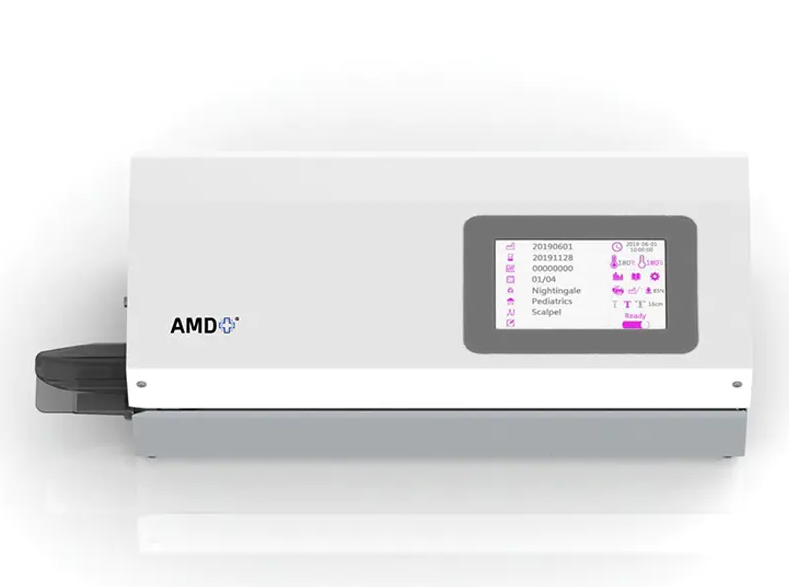
An automatic sealing packing machine can help organize the sealing process, support repeatable packaging work, and fit different medical packaging formats. Its value depends on the complete packaging system, including the selected material, package design, sealing method, sterilization process, and handling conditions.
The machine itself does not create sterility. Rather, it supports the process used to create and maintain an appropriate sterile barrier.
Content
- 1 Why Is Sealing Important for Sterile Medical Packaging?
- 2 How Can Automation Support a More Consistent Sealing Process?
- 3 What Types of Medical Packaging Can Use Automatic Sealing?
- 4 How Does Packaging Material Affect the Sealing Process?
- 5 Can Automatic Sealing Support Sterile Barrier Integrity?
- 6 How Can Automation Help With Packaging Workflow Management?
- 7 Why Does Clean Operation Matter in Medical Packaging?
- 8 How Can Automatic Sealing Support Different Production Needs?
- 9 What Should Medical Device Manufacturers Consider Before Choosing a Sealing Machine?
- 10 How Can Sealing Equipment Support the Future of Medical Packaging?
Why Is Sealing Important for Sterile Medical Packaging?
A sterile medical device needs protection from the point of packaging until it is ready for use. The package acts as a barrier between the product and the surrounding environment.
The seal is an important part of that barrier.
If a package is not properly sealed, the rest of the packaging structure may not provide the intended level of protection. A well-designed sealing process can help keep the package closed during handling, transportation, and storage.
This is especially relevant for products that may pass through several locations before reaching a healthcare setting.
Medical packaging can move through production areas, storage spaces, distribution channels, and clinical environments. Each stage may expose the package to normal movement and handling.
A reliable sealing process helps the package remain intact throughout this journey.
The goal is not simply to close the package. The goal is to create a package that works as intended throughout its useful life.
How Can Automation Support a More Consistent Sealing Process?
Manual sealing can involve repeated actions. Workers may need to position packaging material, place the product correctly, complete the seal, inspect the package, and move it to the next stage.
When the same process is repeated throughout a production workflow, differences in handling can occur.
Automatic sealing machines can help organize these repeated tasks. The machine can guide the sealing process according to its intended operating method. This can make the workflow more structured.
Consistency is useful in medical packaging because each package needs to meet the same basic packaging requirements.
The machine can also reduce the number of routine manual actions involved in sealing. Operators can focus more on preparing materials, monitoring the process, checking finished packages, and managing other production activities.
Automation does not remove the need for human involvement.
Workers still need to oversee the equipment and respond to packaging conditions. They also need to perform inspections and follow the procedures established for the specific medical product.
The role of automation is to make the repeated part of the process more organized.
What Types of Medical Packaging Can Use Automatic Sealing?
Medical devices come in many forms. Their packaging needs can vary just as much.
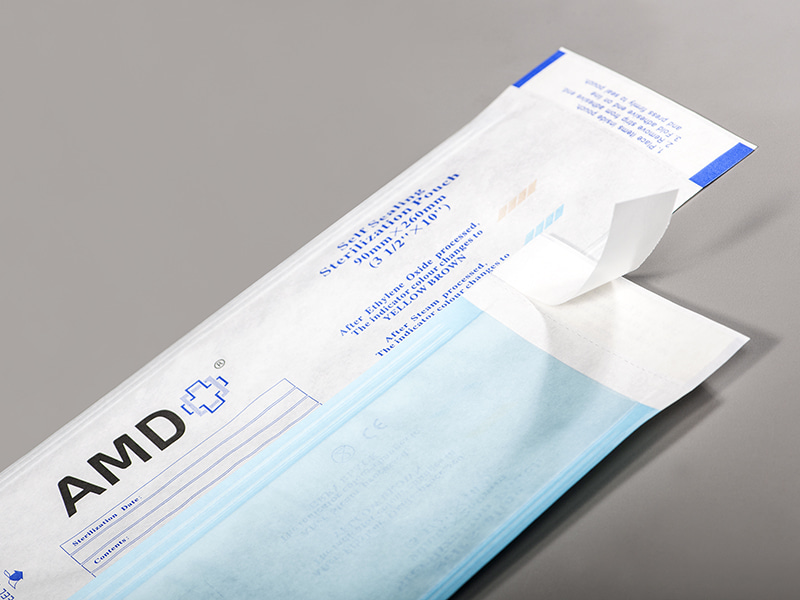
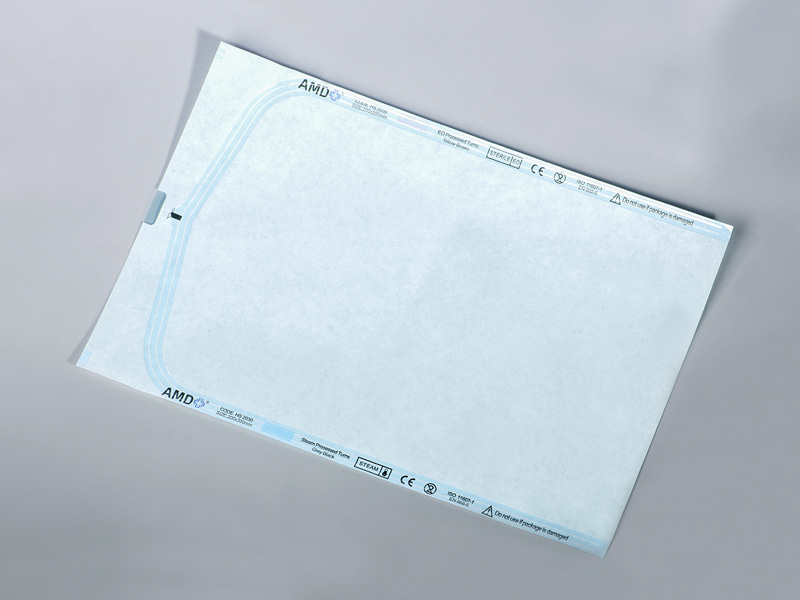
Flexible pouches are commonly associated with medical device packaging. A device can be placed inside the pouch before the open edges are sealed.
Other packaging formats may combine a formed container with a flexible lid. The lid material can be sealed to the container to create the intended package structure.
Automatic sealing equipment can be designed for different packaging arrangements. The appropriate machine depends on the package format and the materials being used.
| Medical Packaging Format | Sealing Consideration |
|---|---|
| Flexible Pouch | Requires suitable positioning and sealing of the package opening |
| Pouch and Tray | Needs the lid and tray to work together during sealing |
| Formed Package | Requires the sealing process to follow the package structure |
| Combination Package | May involve different materials within one package |
| Medical Bag | Requires appropriate handling of the bag opening and sealing area |
The important point is that not every automatic sealing packing machine is suitable for every medical package.
Equipment selection should begin with the package rather than the machine.
Manufacturers can identify the package format, material combination, product shape, sealing requirements, and intended sterilization process before selecting equipment.
This approach reduces the risk of choosing equipment based only on general automation features.
How Does Packaging Material Affect the Sealing Process?
The packaging material plays a major role in sealing.
Medical packaging may use materials with different structures and characteristics. Some are flexible. Others provide more physical support. Some are designed to work with sterile barrier packaging systems.
The sealing process needs to be compatible with the selected materials.
A machine may provide a controlled sealing process, but the packaging material still needs to be appropriate for that process. If the material combination is unsuitable, the finished package may not perform as intended.
This is why packaging development often considers the machine and material together.
The sealing area needs to be clean and properly formed. The package also needs to maintain its intended structure after sealing.
A practical evaluation may consider:
- Packaging material compatibility
- Package structure
- Product position
- Sealing area
- Finished package appearance
- Opening requirements
- Storage and transportation conditions
- Sterilization process
These factors can affect the final packaging result.
For medical device manufacturers, this means the machine should not be considered separately from the packaging material.
Can Automatic Sealing Support Sterile Barrier Integrity?
Sterile barrier integrity refers to the ability of the packaging system to maintain the required protection around the sterile product.
The seal is one part of this system.
An automatic sealing machine can help create repeatable sealing conditions within a controlled production process. This can support the consistency of the finished package when the machine, material, package design, and process have been properly selected and validated.
However, automation alone does not guarantee sterile barrier integrity.
A package may have a consistent sealing process and still require inspection and testing. The complete packaging system needs to be evaluated for its intended use.
This distinction matters in medical packaging.
A machine manufacturer may describe a sealing system as suitable for medical packaging, but the medical device manufacturer remains responsible for determining whether the complete package is appropriate for the specific product.
The package design, sealing material, sterilization method, storage conditions, and distribution environment all need to be considered.
The machine supports the process. It does not replace packaging validation.
How Can Automation Help With Packaging Workflow Management?
Medical packaging often involves several connected activities.
The product needs to enter the package. The package needs to be positioned correctly. The sealing process needs to take place. The finished package may then need to be checked, labeled, stored, or moved to another production stage.
An automatic sealing machine can help connect some of these activities.
A more organized workflow can reduce unnecessary movement between individual tasks. It may also make the packaging area easier to manage.
For production teams, this can be useful when packaging involves repeated operations.
The workflow can be organized around several practical steps:
Product preparation
The medical device is prepared according to the packaging procedure.
Package positioning
The product and packaging material are placed in the intended position.
Sealing
The automatic equipment completes the sealing operation.
Package inspection
The finished package is checked according to the established quality procedure.
Further handling
Approved packages move to the next stage of production, storage, or processing.
This structure can make responsibilities easier to understand.
It also gives operators a clearer view of where inspection and handling take place.
Why Does Clean Operation Matter in Medical Packaging?
Medical packaging requires attention to cleanliness.
The packaging area needs to be managed according to the requirements of the product and manufacturing process. Materials should be handled carefully. Equipment surfaces should be maintained appropriately. Packaging components should be stored in suitable conditions.
Automatic equipment can support this organized environment by reducing some repetitive manual contact with packaging materials.
That does not mean the machine eliminates contamination risks.
Operators still need to follow established handling procedures. Cleaning and maintenance remain important. Packaging materials need to be protected from unsuitable conditions.
The design of the machine can also affect everyday cleaning.
Accessible surfaces and straightforward maintenance procedures can make routine care easier for production teams. Equipment that is difficult to clean may create additional work.
For this reason, cleaning should be considered during equipment selection rather than after installation.
A practical medical packaging machine should fit the working environment as well as the packaging process.
How Can Automatic Sealing Support Different Production Needs?
Medical device manufacturers may work with different products and packaging formats.
One product may use a pouch. Another may require a tray with a sealed lid. A third may need a different package structure.
This creates a need for equipment that fits the actual production range.
Some automatic sealing machines are designed around a specific packaging format. Others may provide greater flexibility for supported formats.
The right choice depends on how varied the production requirements are.
A company with one consistent packaging format may prefer equipment that focuses on that specific workflow. A manufacturer handling several package types may place more value on flexibility.
The key is to avoid treating flexibility as an end in itself.
A machine with many possible functions is not necessarily useful if those functions do not match the products being packaged.
A better approach is to identify the packaging formats that matter to the business and determine whether the equipment can support them.
What Should Medical Device Manufacturers Consider Before Choosing a Sealing Machine?
Selecting automatic sealing equipment requires more than checking whether it can close a package.
The machine needs to fit the complete medical packaging process.
Manufacturers can ask several practical questions before making a decision.
| Selection Area | Question to Consider |
|---|---|
| Package Format | Does the machine suit the intended medical package? |
| Material Compatibility | Can it work with the selected packaging materials? |
| Sealing Process | Does the sealing method fit the package design? |
| Product Handling | Can the medical device be positioned without unnecessary handling? |
| Workflow | Can the equipment fit naturally into the existing packaging area? |
| Cleaning | Can routine cleaning be performed conveniently? |
| Operation | Can operators understand and manage the normal workflow? |
| Inspection | Does the process allow appropriate package inspection? |
| Future Needs | Could the equipment remain useful if packaging requirements change? |
These questions can help create a more realistic equipment assessment.
Manufacturers should also consider the relationship between packaging and sterilization.
A sterile medical device package may undergo sterilization after sealing. The selected packaging materials and package design need to be suitable for the intended process.
The machine therefore becomes part of a larger packaging chain.
Its role is to support a controlled and repeatable sealing operation that works with the rest of the system.
How Can Sealing Equipment Support the Future of Medical Packaging?
Medical device packaging continues to move toward more organized production workflows.
Automation can support this direction by taking over repeated packaging actions while allowing workers to remain involved in supervision, inspection, material preparation, and process management.
The focus is not simply on reducing manual work.
It is also about creating a packaging process that is easier to organize and monitor.
For medical device manufacturers, this can be useful when production involves repeated sterile packaging tasks. A suitable automatic sealing packing machine can help bring greater structure to the sealing stage while supporting different package formats where the equipment is designed for them.
The important consideration remains the complete packaging system.
The machine, packaging material, package structure, sealing process, sterilization method, handling conditions, and storage environment all need to work together.
When these elements are considered as one workflow, automatic sealing can become a practical part of sterile medical packaging rather than simply another automated production step.
 ‘s-Gravenweg 542, 3065SG RotterdamThe Netherlands
 +31 (0)10 254 28 08