
 English
 Français
 Deutsch
 Nederlands
Content
- 1 What makes breathable covers relevant in modern packaging?
- 2 Why are breathable covers widely used in healthcare packaging?
- 3 How are Tyvek breathing covers used in medical device handling?
- 4 Where do breathable covers appear in electronics packaging?
- 5 How are Tyvek breathing covers applied in industrial goods packaging?
- 6 Can breathable covers be used in food-related applications?
- 7 What role do breathable covers play in laboratory environments?
- 8 How do different industries benefit from the same material concept?
- 9 What factors influence the choice of breathable covers?
- 10 How is the use of breathable covers evolving across industries?
What makes breathable covers relevant in modern packaging?
Packaging is no longer only about sealing a product. It is also about controlling the environment inside. In many industries, trapped air, moisture, or unseen particles can affect product condition over time. This is where breathable covers begin to play a role.
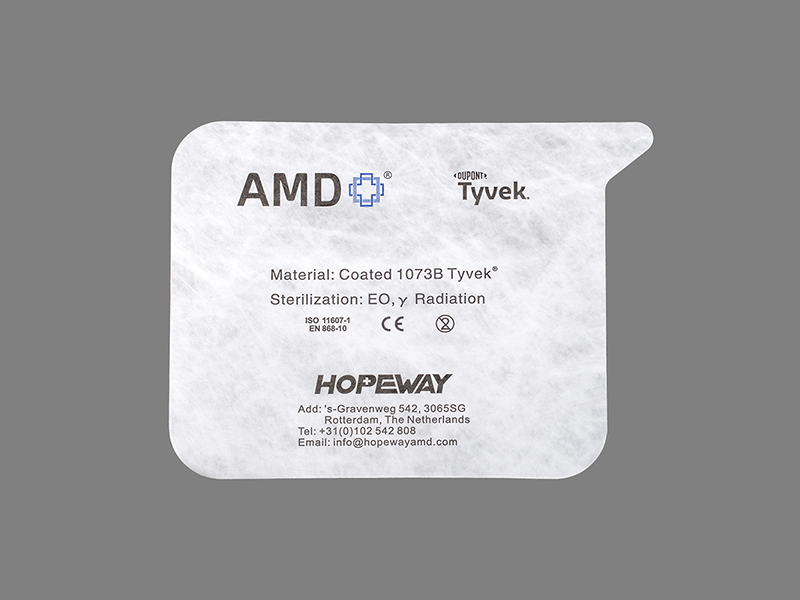
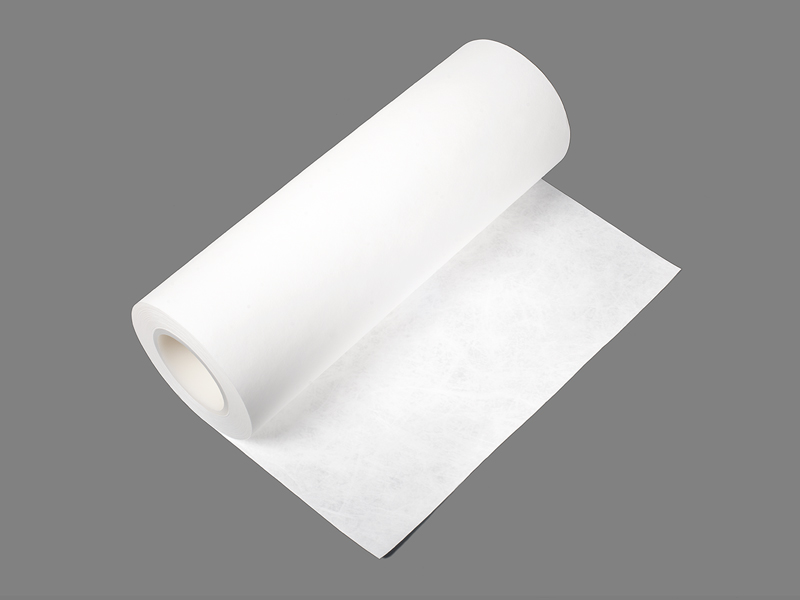
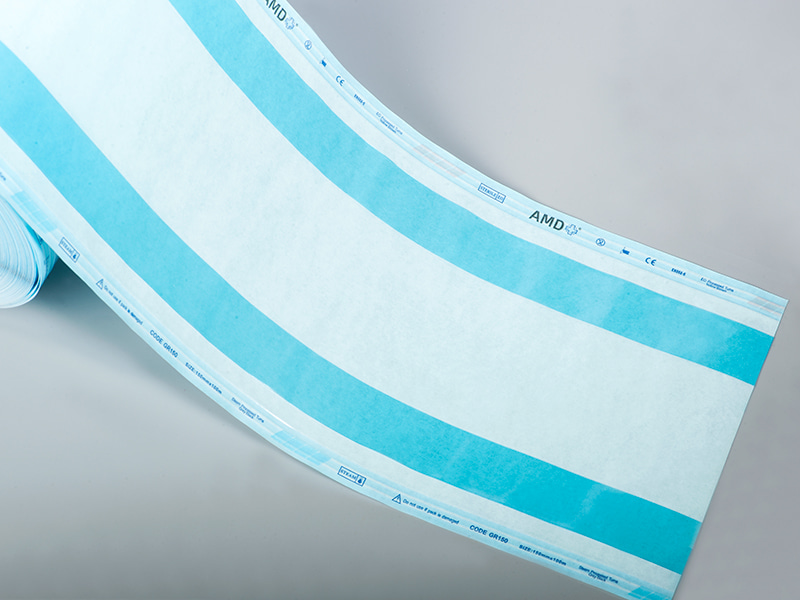
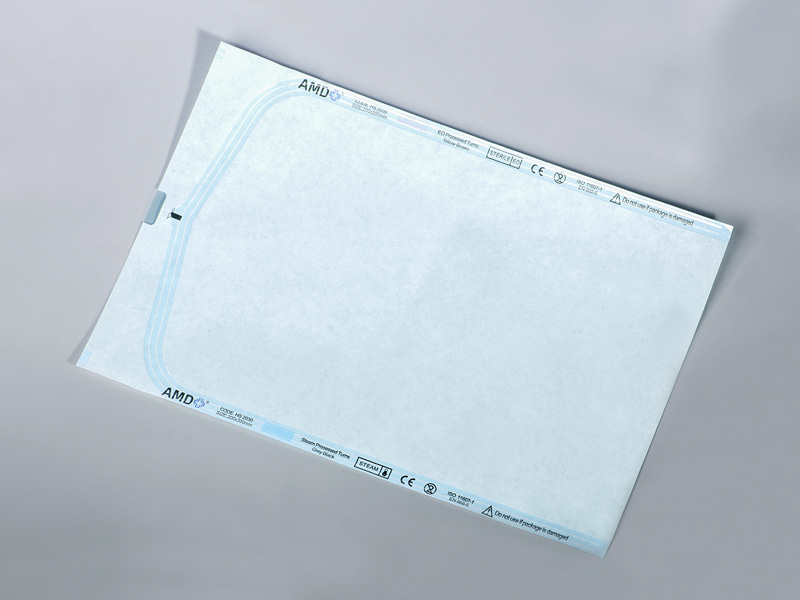
A Tyvek breathing cover is designed to allow air exchange while still acting as a barrier. It creates a balance between protection and ventilation. This balance makes it suitable for situations where sealing alone is not enough.
In production settings, this type of material supports both safety and process stability. It is often chosen when a product needs to stay protected but not fully isolated from airflow.
Why are breathable covers widely used in healthcare packaging?
Healthcare environments require strict control over contamination risks. Packaging must protect contents from external exposure while allowing certain processes to take place. Breathable covers are commonly used in this space because they help maintain a controlled internal condition.
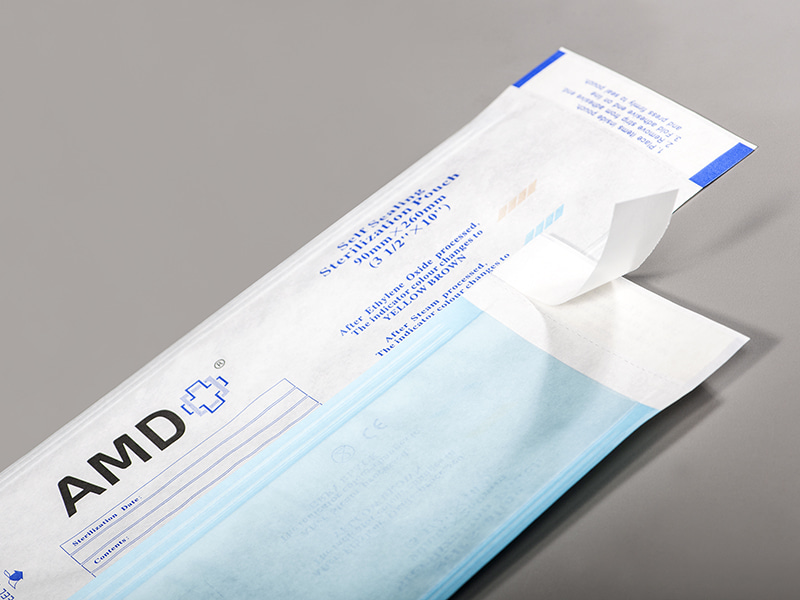
They are often applied to items that need to remain clean until use. The breathable layer allows air to pass through during preparation or storage, while still blocking unwanted particles from entering.
This balance supports handling and storage without adding unnecessary complexity. It also allows packaging to adapt to different conditions without losing its protective function.
In many cases, the material becomes part of a broader system that supports hygiene and safe handling across different stages.
How are Tyvek breathing covers used in medical device handling?
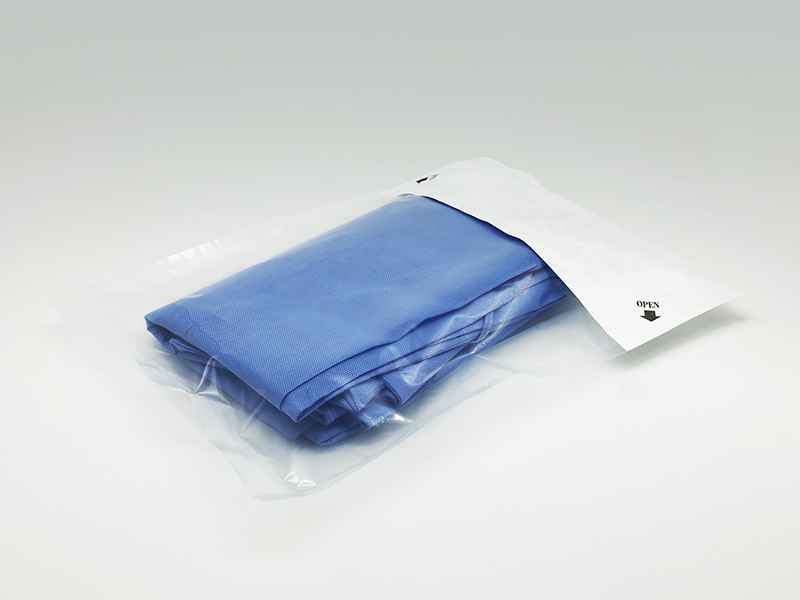
Medical devices often move through multiple stages before reaching their final use. Each stage requires protection from environmental changes. Breathable covers help manage this movement by providing a controlled interface between the device and its surroundings.
The material allows internal conditions to remain stable while reducing the risk of contamination. This is especially important when devices are stored or transported for extended periods.
Handling processes also benefit from this approach. Workers can manage products more easily when packaging supports both protection and airflow.
The result is a smoother transition between production, storage, and use, without frequent need for repackaging or adjustment.
Where do breathable covers appear in electronics packaging?
Electronics packaging faces a different set of challenges. Moisture and trapped air can affect sensitive components, especially during storage and shipping. Breathable covers help manage these risks by allowing controlled airflow.
In this context, the material acts as a buffer between the product and changing external conditions. It reduces the chance of internal buildup that may affect performance or appearance.
The use of breathable covers also supports handling efficiency. Components can be stored in a more stable condition without requiring fully sealed environments.
This approach fits well with production systems that require flexibility and consistent handling across different stages.
How are Tyvek breathing covers applied in industrial goods packaging?
Industrial products vary widely in form and function. Some require full sealing, while others benefit from partial ventilation. Breathable covers are often used when airflow is necessary to maintain product condition.
In this setting, the material helps reduce the effects of moisture and environmental changes. It supports long-term storage and transport by allowing internal balance to adjust naturally.
The application is not limited to one type of product. It can be seen across different categories where stability and protection need to coexist.
This flexibility makes breathable covers a practical choice for many industrial packaging systems.
Yes, breathable covers can be used in some types of food packaging. In certain situations, the packaging has to protect the product while also helping to keep it fresh. Breathable materials make this possible by letting a small, controlled amount of air pass through.
They are often chosen when a completely airtight seal isn't the better choice. The cover helps create a more balanced environment inside the package, which can support the product's condition during storage and handling.
Even so, the material still provides a useful barrier. It keeps out external contaminants and exposure while allowing just enough airflow.
This balance can help extend the product's usability or shelf life, especially in cases where a little air exchange plays a role in maintaining quality.
What role do breathable covers play in laboratory environments?
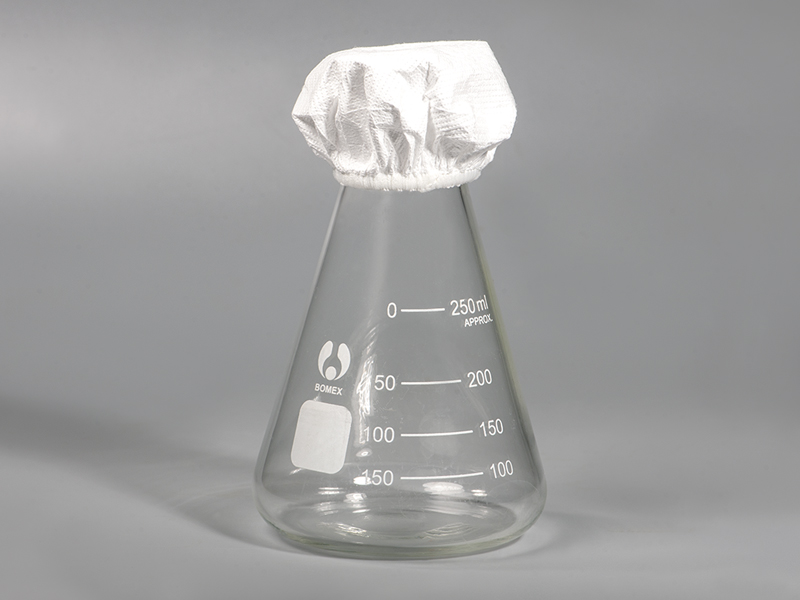
Laboratories often deal with sensitive materials that require controlled conditions. Packaging in this space must protect contents while allowing certain interactions with the environment.
Breathable covers help achieve this balance. They allow air exchange where needed, while still maintaining a protective barrier.
This is useful during storage, handling, and transport within laboratory settings. The material supports stable conditions without introducing unnecessary complexity.
It also allows for easier observation and management of packaged items during routine operations.
How do different industries benefit from the same material concept?
Although applications vary, the underlying concept remains consistent. Breathable covers provide a controlled connection between internal and external environments.
In healthcare, the focus is on cleanliness and safety. In electronics, it is about stability and protection. In industrial settings, it supports long-term storage and handling. In food-related uses, it helps balance freshness and protection.
This adaptability allows the same material type to serve different purposes without major changes in structure.
| Industry Area | Main Application Focus |
|---|---|
| Healthcare | Clean handling and protection |
| Electronics | Moisture and airflow balance |
| Industrial goods | Storage and transport stability |
| Food-related use | Freshness and controlled airflow |
| Laboratory | Controlled environment handling |
The table shows how one concept can meet different needs depending on the context.
What factors influence the choice of breathable covers?
The decision to use breathable covers depends on several factors. These include the nature of the product, the environment it will be exposed to, and the requirements for storage and handling.
Some applications require more airflow, while others focus more on protection. The material must match these needs without adding unnecessary complexity.
Compatibility with existing systems is also important. Packaging must fit into current processes without causing disruption.
| Selection Factor | Consideration |
|---|---|
| Product type | Sensitivity and structure |
| Storage condition | Exposure to air and moisture |
| Handling process | Ease of use and movement |
| Packaging system | Integration with production flow |
These factors help guide how and where breathable covers are applied across industries.
How is the use of breathable covers evolving across industries?
As packaging requirements become more complex, the need for balanced solutions continues to grow. Breathable covers offer a way to manage multiple needs at once, which explains their presence in different sectors.
The focus is shifting toward flexibility and adaptability. Instead of relying on fully sealed systems, many industries are exploring ways to maintain control while allowing natural balance.
This approach supports both product protection and operational efficiency. It also reflects a broader trend toward packaging systems that respond to changing conditions rather than resisting them.

 ‘s-Gravenweg 542, 3065SG RotterdamThe Netherlands
 +31 (0)10 254 28 08