
 English
 Français
 Deutsch
 Nederlands
Content
- 1 Why are flat roll pouches becoming more visible in packaging discussions?
- 2 What does flexibility really mean in flat roll pouch design?
- 3 How does breathability support product stability?
- 4 What role does barrier performance play in these pouches?
- 5 How do these pouches support handling and workflow efficiency?
- 6 Where does durability fit into the overall feature set?
- 7 How does consistency influence packaging outcomes?
- 8 What advantages does the roll format offer compared to pre-made pouches?
- 9 How do Tyvek flat roll pouches align with evolving packaging needs?
Why are flat roll pouches becoming more visible in packaging discussions?
Packaging has been changing in quiet ways. Materials are no longer chosen only for strength or appearance. There is a growing focus on how packaging behaves in real environments. Airflow, cleanliness, handling, and adaptability all come into consideration.
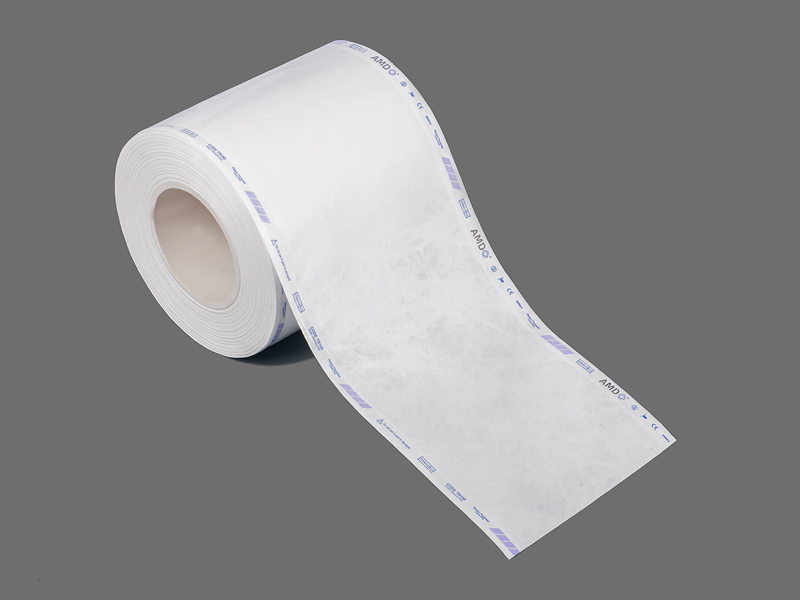
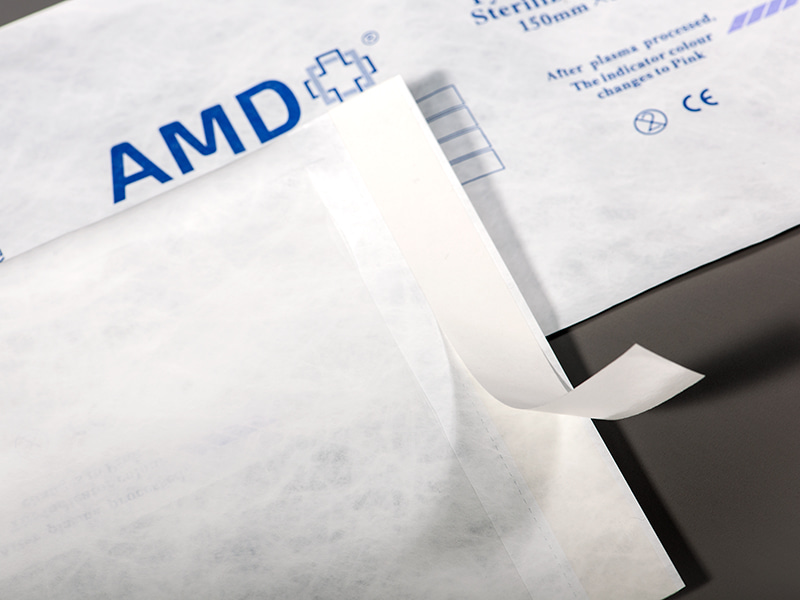
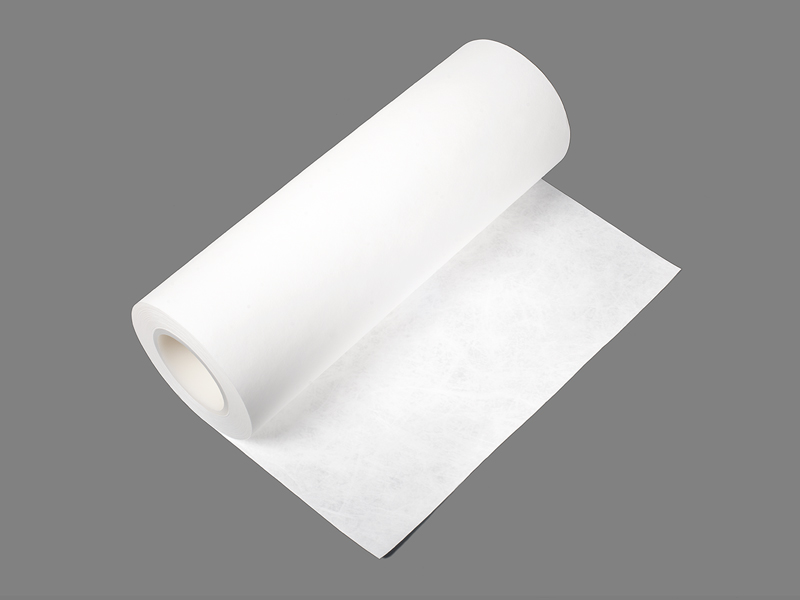
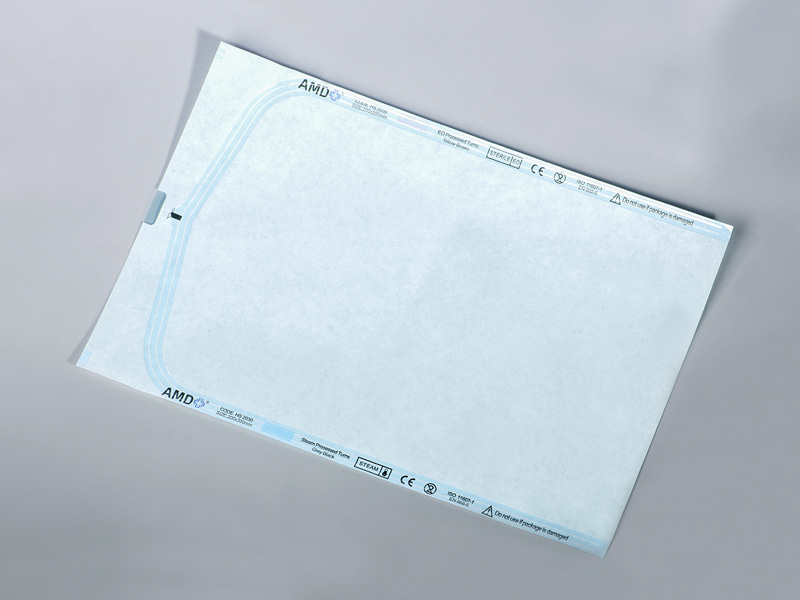
Tyvek flat roll pouches have entered this conversation because they bring together several functions in one format. They are not fixed in size, which allows users to adjust them based on need. At the same time, they offer a balance between protection and breathability. This combination makes them suitable for situations where traditional sealed packaging may not fit.
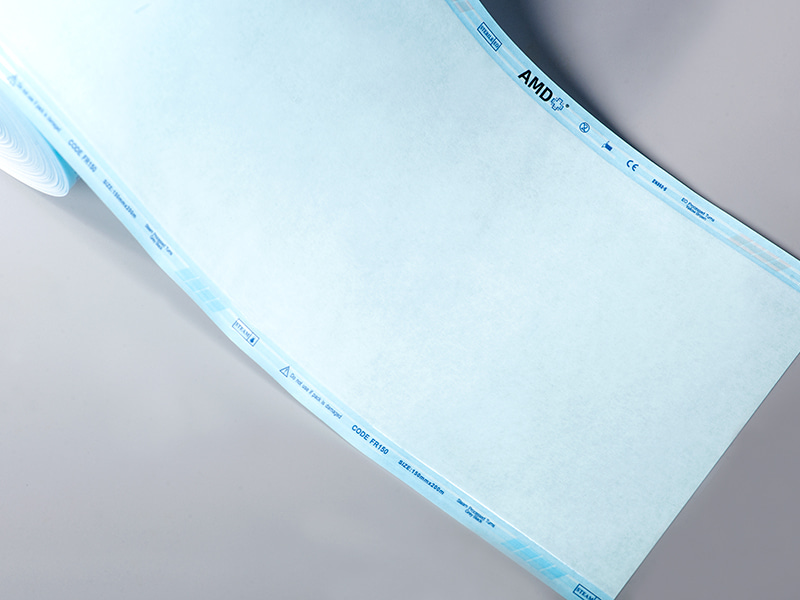
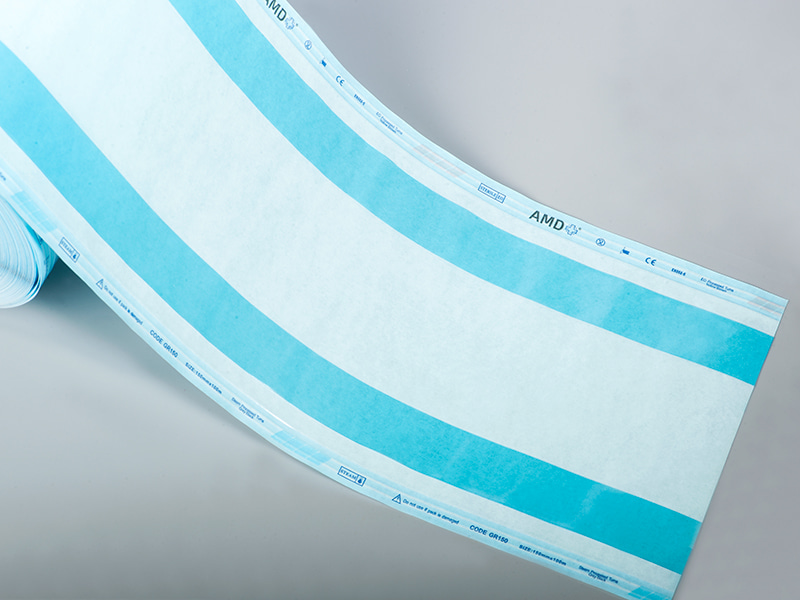
The format itself is simple. A continuous roll that can be cut and sealed as required. This simplicity hides a deeper level of flexibility that many industries find useful in daily operations.
What does flexibility really mean in flat roll pouch design?
Flexibility in this context is not just about material softness. It refers to how the pouch can adapt to different product shapes and sizes without needing a completely new packaging format each time.
Instead of relying on pre-made sizes, users can cut the roll to match the exact length they need. This reduces mismatch between packaging and product. It also allows for quick adjustments when product dimensions change slightly.
This approach supports environments where product variation is common. It also reduces the need to store many different pouch sizes, which simplifies inventory management.
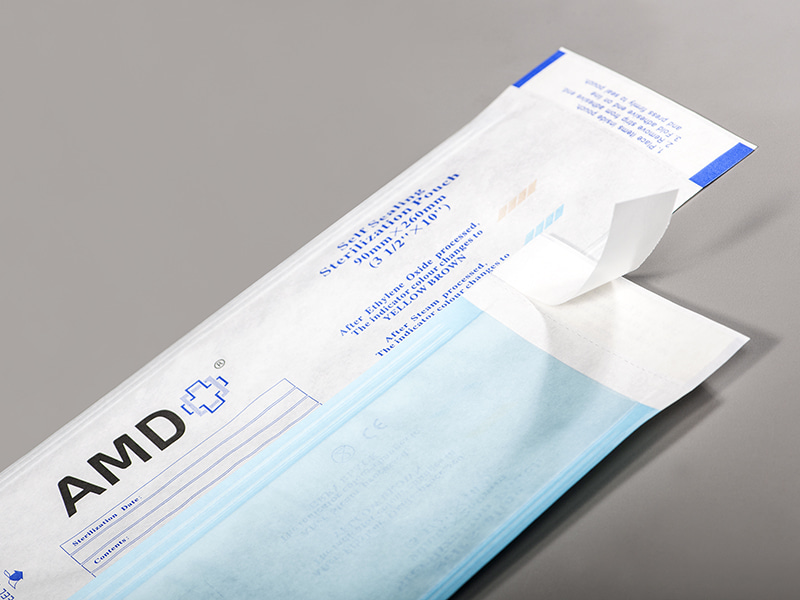
Flexibility also extends to sealing. The user can decide where and how to seal the pouch, depending on handling requirements. This creates a more adaptable workflow without adding complexity.
How does breathability support product stability?
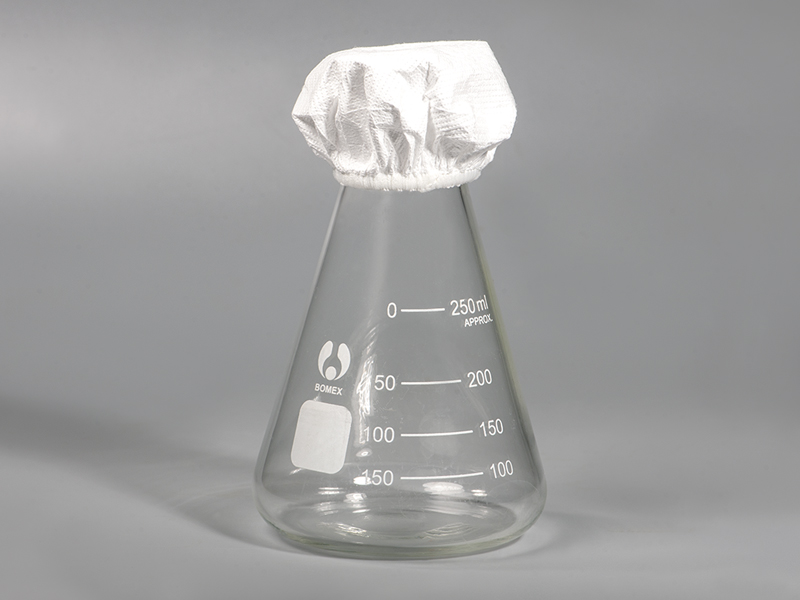
One of the defining features of Tyvek pouches is their breathable structure. Unlike fully sealed materials, they allow controlled air exchange while still acting as a barrier.
This characteristic helps maintain internal balance. It reduces the chance of trapped air or moisture affecting the contents. In certain applications, this can make a noticeable difference in how products behave during storage or transport.
Breathability also supports processes where airflow is part of handling or preparation. The material allows interaction with the surrounding environment without exposing the contents directly.
This balance between openness and protection is one of the reasons the material is used in sensitive applications.
What role does barrier performance play in these pouches?
While breathability is important, protection remains a core requirement. Tyvek flat pouches are designed to block unwanted external elements while allowing controlled internal exchange.
The barrier function helps reduce the impact of dust, particles, and environmental fluctuations. This is especially relevant in settings where product condition must remain stable over time.
The material structure supports this by creating a consistent surface that resists penetration from outside sources. At the same time, it does not fully isolate the contents from airflow.
This dual function allows the pouch to act as both a shield and a regulator, depending on the situation.
How do these pouches support handling and workflow efficiency?
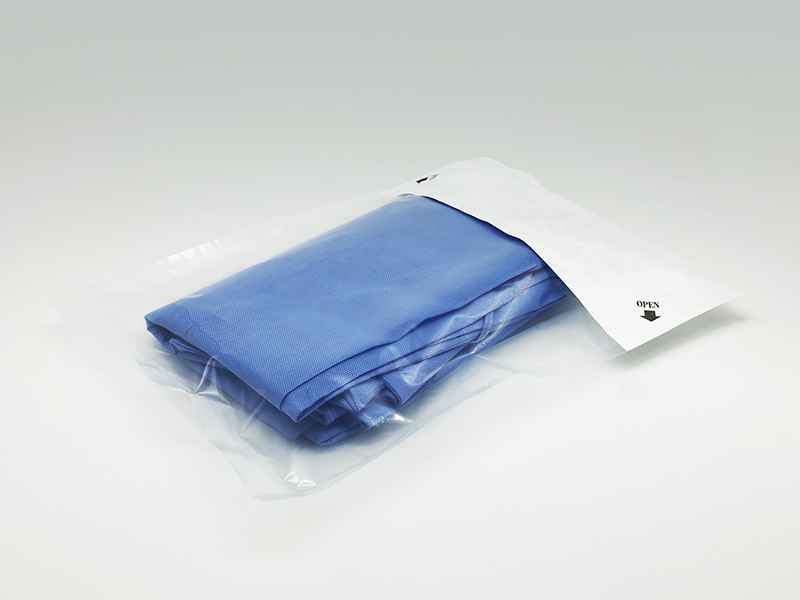
Ease of use is often overlooked when discussing packaging materials. In practice, it plays a major role in daily operations. Tyvek roll pouches are designed to integrate smoothly into existing workflows.
The roll format allows continuous use without frequent interruptions. Users can cut, fill, and seal in a sequence that matches their process. This reduces downtime and supports steady movement.
Handling is also simplified because the material maintains its structure during use. It does not collapse easily, which helps during filling and sealing.
These small details contribute to a more efficient workflow, especially in environments where packaging is repeated many times throughout the day.
Where does durability fit into the overall feature set?
Durability is not only about resisting damage. It also relates to how well the material maintains its condition during handling and storage.
Tyvek flat pouches are designed to remain stable under normal use conditions. They resist tearing and maintain their shape even when handled frequently.
This stability helps protect the contents and reduces the risk of packaging failure during movement. It also supports stacking and storage without requiring additional reinforcement.
Durability becomes especially important when products move through multiple stages before reaching their final destination.
How does consistency influence packaging outcomes?
Consistency is a key factor in any packaging system. When materials behave the same way across repeated use, processes become easier to control.
Tyvek flat pouches offer a predictable structure. Each section of the roll performs in a similar way, which supports uniform results during cutting and sealing.
This reduces variation between individual packages. It also helps maintain a consistent appearance and function across batches.
Consistency is not always visible, but it plays a large role in maintaining quality over time.
What advantages does the roll format offer compared to pre-made pouches?
The roll format introduces a different way of thinking about packaging. Instead of choosing from fixed sizes, users create the size they need on demand.
This reduces material waste because excess space is minimized. It also allows better use of storage space, since rolls are easier to manage than multiple box sizes.
Another advantage is responsiveness. When requirements change, the same roll can still be used without delay. This supports environments where flexibility is necessary.
The roll format also allows integration with different sealing methods, giving users more control over how the final package is formed.
| Feature Aspect | Flat Roll Pouch Advantage |
|---|---|
| Size adjustment | Cut to required length |
| Storage efficiency | Fewer size variations needed |
| Workflow integration | Continuous operation support |
| Material use | Reduced excess packaging |
How do Tyvek flat roll pouches align with evolving packaging needs?
Packaging is moving toward solutions that balance protection, adaptability, and efficiency. Materials are expected to perform multiple roles without adding complexity.
Tyvek flat roll pouches reflect this shift. They combine breathability with barrier function, flexibility with structure, and simplicity with control.
They are used in environments where packaging must respond to changing conditions rather than remain fixed. This makes them suitable for a wide range of applications without requiring constant redesign.
| Key Feature | Practical Impact |
|---|---|
| Breathability | Supports internal balance |
| Barrier protection | Reduces external influence |
| Flexibility | Adapts to different product sizes |
| Durability | Maintains structure during handling |
| Consistency | Supports stable packaging results |
As packaging systems continue to evolve, materials that offer this kind of balance are likely to remain part of the conversation.
 ‘s-Gravenweg 542, 3065SG RotterdamThe Netherlands
 +31 (0)10 254 28 08