
 English
 Français
 Deutsch
 Nederlands
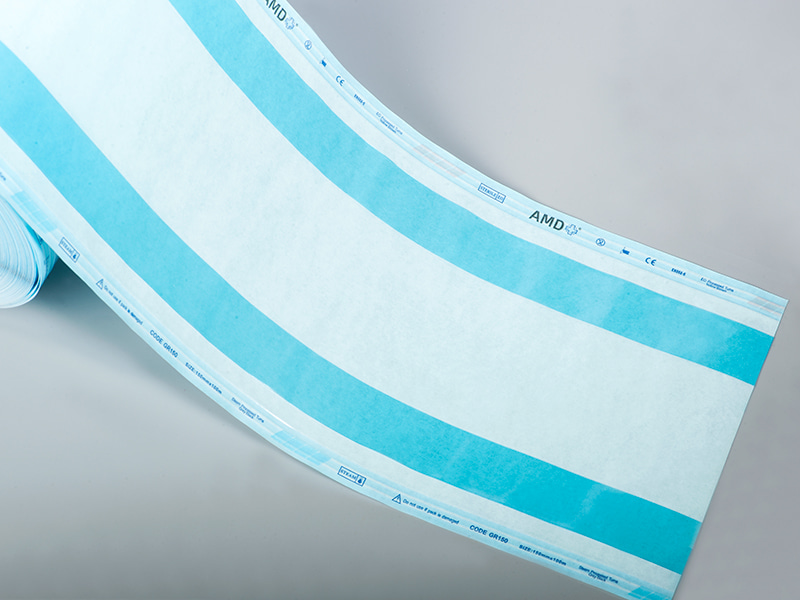
In many work areas, packaging does not stand out. It happens in the background, almost unnoticed. Yet it shapes how items move, how they are stored, and how they are handled later. A simple wrap can change the pace of a task. It can also change how people think about cleanliness during their work. Sterilization wrap roll sit quietly in this space.
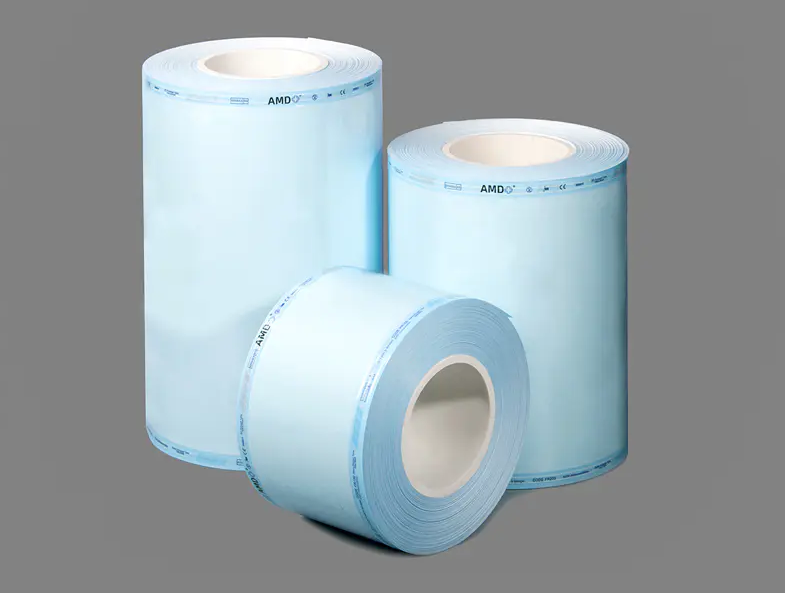
They are often placed close to where the action happens. On a bench, beside a tray, near a storage rack. People reach for them without much thought. Over time, this repeated action becomes part of a routine. The motion is steady. Pull the material, cut a section, place the item, wrap, and seal. It feels natural. There is no need to pause or rethink each step.
As more industries pay attention to clean handling, packaging materials are no longer just support tools. They influence how work is organized. Sterilization wrap rolls are part of that change. They help create order without adding complexity.
Content
- 1 Why do sterilization wrap rolls fit easily into daily routines?
- 2 How do they support clean handling without adding pressure?
- 3 What makes flexibility such a practical feature?
- 4 How do sterilization wrap rolls affect the speed of work?
- 5 How do they help maintain order in busy environments?
- 6 Where are sterilization wrap rolls commonly used?
- 7 What should users pay attention to when choosing wrap rolls?
- 8 How is packaging becoming part of the workflow itself?
Why do sterilization wrap rolls fit easily into daily routines?
Many tools require training before they can be used well. Some materials need careful preparation before they are ready. Sterilization rolls are different. They fit into daily routines with very little effort.
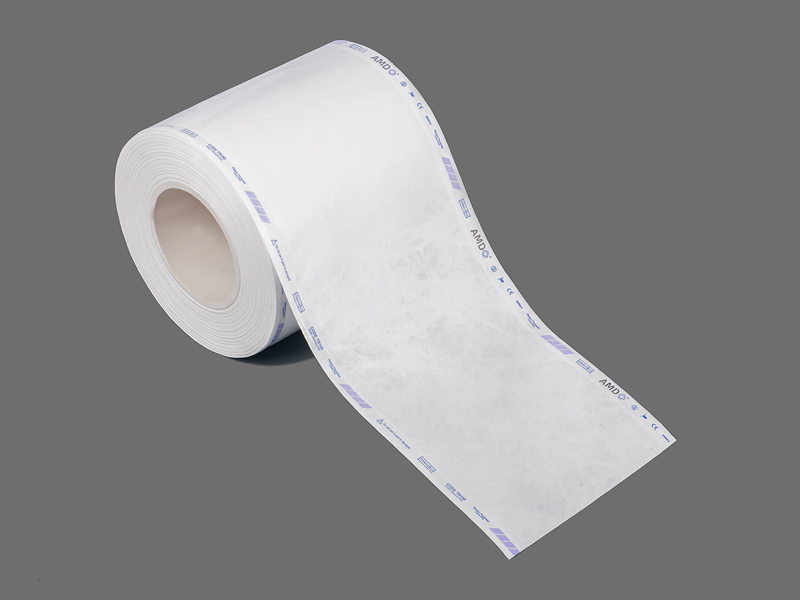
A roll is simple to position. It can sit on a flat surface or be held in place by a basic holder. It does not take up much space. Workers can reach for it without moving away from their station.
The process itself is easy to remember. There are no complicated steps. This makes it suitable for environments where tasks are repeated often. People do not need to stop and think about what to do next.
Another reason is rhythm. Workflows often depend on a steady pace. When a material supports that pace, it becomes part of the routine. Sterilization rolls unwind smoothly. This supports continuous movement rather than stop-and-go actions.
Over time, this ease of use reduces small delays. It also reduces mental effort. Workers can focus on the task rather than the material they are using.
How do they support clean handling without adding pressure?
Clean handling is not only about strict rules. It is also about making those rules easy to follow. When a process feels natural, people are more likely to follow it without hesitation.
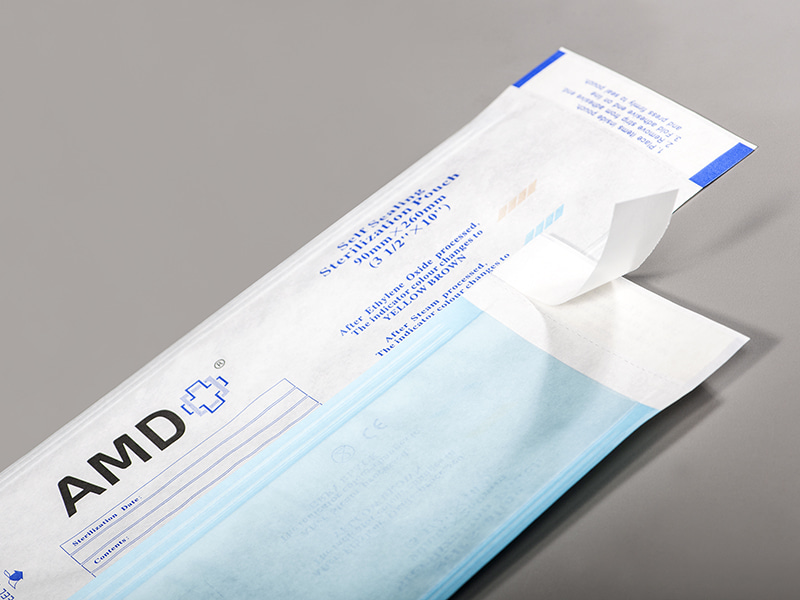
Flat sterilization roll support this by simplifying the wrapping step. An item can be placed on the material and enclosed in a short time. There is no need to adjust the item many times. This reduces extra contact.
Once wrapped, the item is clearly separated from the surrounding space. This creates a visible boundary. People can see that the item is protected. This changes how they handle it.
The material also helps reduce exposure during movement. When items are transferred from one place to another, the wrap keeps them contained. This supports cleaner handling across different stages.
Another point is consistency. When the same wrapping method is used each time, the result becomes predictable. Workers know what to expect. This reduces hesitation and avoids repeated handling.
What makes flexibility such a practical feature?
Work sites always deal with goods of all sorts of sizes and shapes. Some tools are tiny, while others are long or oddly contoured. Pre-cut fixed packaging doesn't handle these varying items well at all.
Paper rolls let staff cut exactly the length they need for each object. You tailor the wrap to fit whatever you're packing, instead of cramming items into rigid pre-made bags.
This custom fit also cuts down on waste. You won't wind up with large scraps left over after wrapping, and there's no extra folding or reshaping to struggle through.
It's highly adaptable too. One single roll works for nearly every item on hand. Staff don't have to pause and swap between different packaging types mid-task, which keeps the whole workflow smooth.
Storage areas also benefit a lot from this feature. Facilities don't need to stock dozens of separate sized packages; one roll covers most daily wrapping jobs. Less stock clutter keeps storage spaces tidy and easy to manage.
How do sterilization wrap rolls affect the speed of work?
Speed in a workflow is not about rushing. It is about avoiding unnecessary pauses. When each step follows the next without interruption, the process feels smooth.
Sterilization rolls help remove small delays. Workers do not need to search for the right packaging size. The material is already there, ready to use.
Cutting the material becomes faster with practice. Many workers begin to estimate the length by sight. This saves time and keeps the rhythm steady.
Wrapping itself is direct. The material can be shaped around the item without complex movements. This keeps the process simple.
Sealing completes the step. When the material responds well to sealing, workers can move on without checking again and again. This builds confidence and reduces rework.
A simple breakdown of workflow impact is shown below:
| Step | How the Roll Helps |
|---|---|
| Access | Always within reach |
| Sizing | Adjusted quickly by hand |
| Wrapping | Minimal repositioning needed |
| Sealing | Predictable and consistent |
| Storage | Easier to arrange and locate |
How do they help maintain order in busy environments?
Busy workspaces often face one common issue. Items begin to mix together. Without clear separation, it becomes harder to know what is ready and what is not.
Sterilization rolls help create a clear system. Once an item is wrapped, it stands apart from unwrapped items. This visual difference is easy to recognize.
Wrapped items also tend to look more uniform. This makes them easier to stack and arrange. Storage areas become easier to manage.
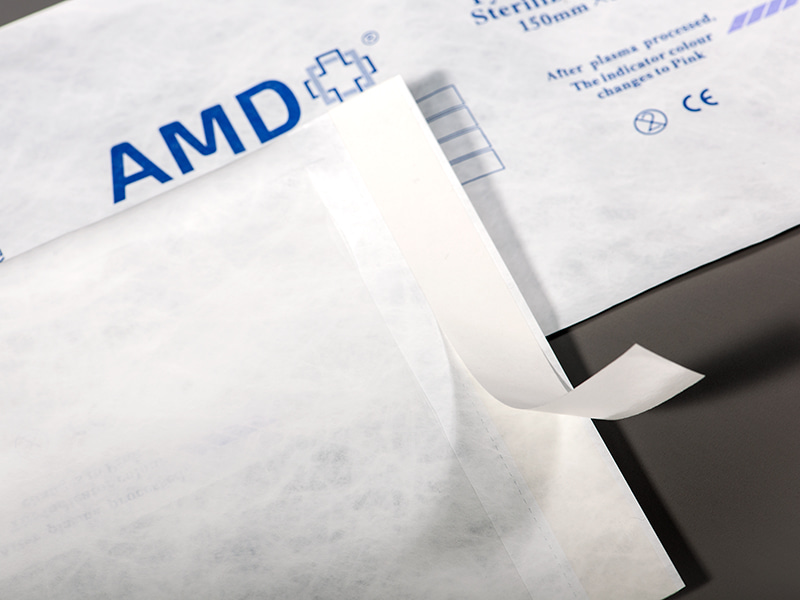
Labeling becomes simpler as well. The surface of the wrap allows for clear markings. Workers can identify items without opening them. This reduces unnecessary handling.
Another advantage is grouping. Items can be sorted based on their status or use. This helps teams manage their tasks without confusion.
In fast-moving environments, these small changes can support smoother coordination. Workers spend less time searching and more time completing tasks.
Where are sterilization wrap rolls commonly used?
Different industries use sterilization wrap rolls in their own way. The needs may vary, but the goal of controlled handling is shared.
Healthcare settings rely on structured routines. Instruments and supplies are wrapped and stored as part of daily work. Packaging helps maintain a clear system.
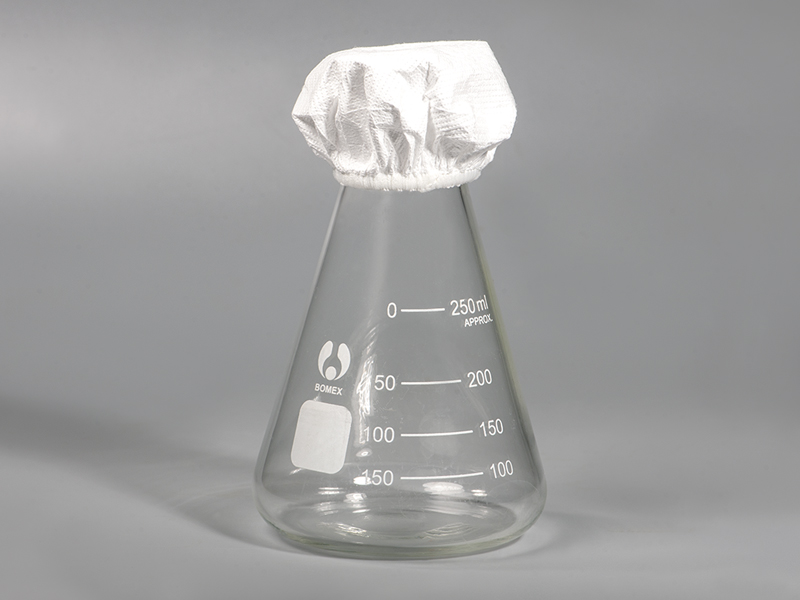
Laboratories also depend on careful handling. Tools and materials often need protection. Wrapping provides a simple way to support this without adding complexity.
Industrial spaces are changing as well. Some processes now require more attention to cleanliness. Components may need to be protected during storage or transport. Sterilization wrap rolls can support this shift.
Research environments often deal with materials that need to be organized over time. Packaging helps keep these materials in order and easy to locate.
A general comparison is shown below:
| Environment | Typical Use |
|---|---|
| Healthcare | Wrapping instruments |
| Laboratory | Protecting tools |
| Industrial | Handling components |
| Research | Organizing materials |
What should users pay attention to when choosing wrap rolls?
Choosing a material often depends on daily experience. Workers tend to prefer materials that feel easy to use and do not interrupt their routine.
Handling is one of the main factors. The material should be easy to cut and wrap. If it feels smooth during use, it supports a steady workflow.
Storage is also important. Rolls should remain stable until they are needed. They should not become difficult to manage over time.
Compatibility with existing tools is another point. The material should work well with the methods already in place. This avoids the need for changes in the workflow.
Consistency matters as well. When the material behaves the same way each time, workers can rely on it. This reduces hesitation and improves confidence.
Some practical points include:
- Ease of handling during repeated tasks
- Smooth cutting and wrapping
- Reliable sealing behavior
- Stable storage condition
- Ability to adjust to different item sizes
How is packaging becoming part of the workflow itself?
In the past, packaging was often seen as a final step. Now it is part of the entire process. Workflows are designed with packaging in mind from the beginning.
Sterilization rolls fit into this shift because they adapt to different stages. They are used during preparation, storage, and movement. This makes them part of the workflow rather than an add-on.
There is also more focus on clarity. When steps are clear, teams can work together more easily. Packaging that creates visible boundaries supports this clarity.
Another change is the focus on flow. Interruptions slow down work. Materials that integrate smoothly help reduce these interruptions. Sterilization wrap rolls support a continuous process.
In many environments, small details shape the overall system. Packaging is one of those details. It may not draw attention, but it influences how work moves from one step to the next.
 ‘s-Gravenweg 542, 3065SG RotterdamThe Netherlands
 +31 (0)10 254 28 08