

 English
 Français
 Deutsch
 Nederlands
Content
- 1
- 2 Why is packaging structure becoming more important in medical environments?
- 3 How does header design support clearer medical branding?
- 4 What makes shelf visibility so important in medical supply areas?
- 5 How does this packaging format support product protection?
- 6 Where is header bag packaging commonly used in medical-related storage?
- 7 How does visual structure influence perception in healthcare packaging?
- 8 Can header bag packaging improve daily handling efficiency?
- 9 How does information placement improve communication clarity?
- 10 Why does simplicity matter in medical packaging systems?
- 11 How does header bag packaging fit into modern medical supply organization?
- 12 What makes header bag packaging a practical choice in this context?

Why is packaging structure becoming more important in medical environments?
Medical environments depend heavily on clarity. Products are often stored in shared spaces, moved between departments, and used under time-sensitive conditions. In this setting, packaging is not only a container. It also works as a simple communication layer.
When items look too similar, confusion can happen easily. When labels are unclear or hard to see, selection takes longer. These small delays may not seem important individually, but they add up in daily routines.
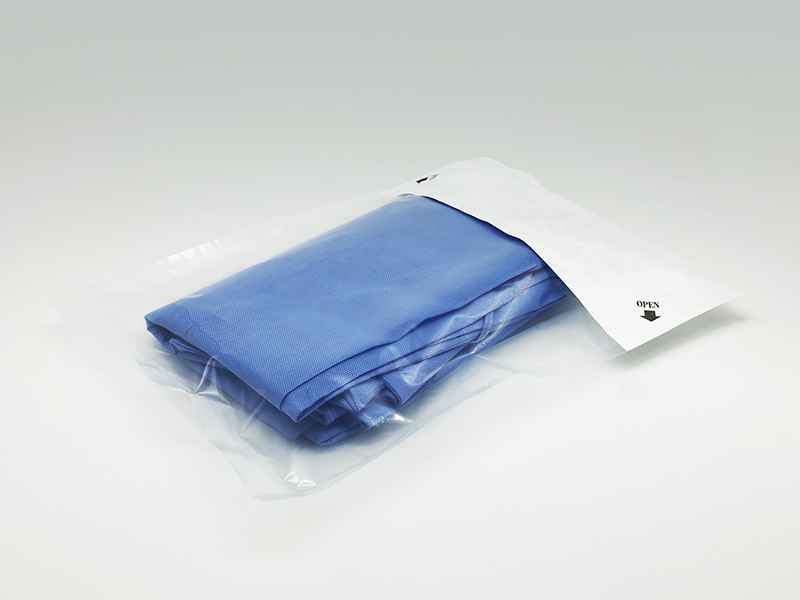
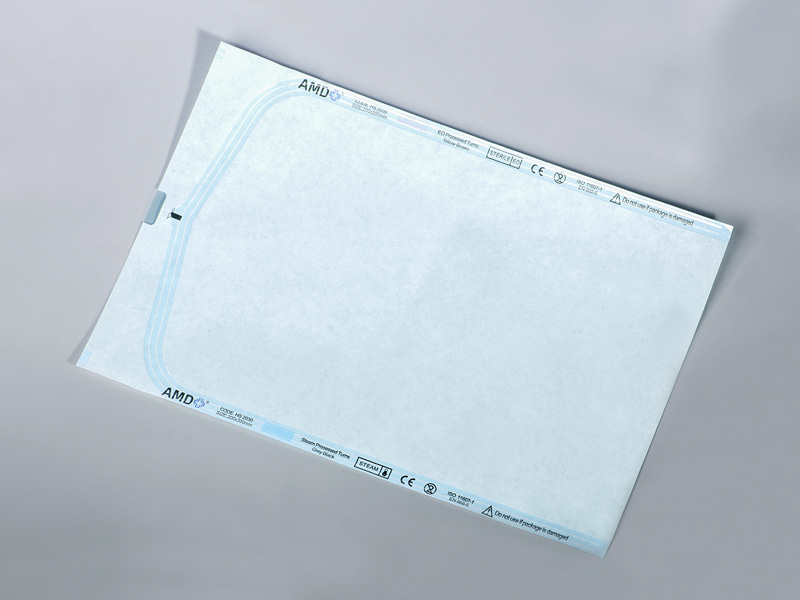
Header bag packaging has been widely used in this context because it separates product protection and product information into two clear areas. The lower part holds the item. The upper header part presents the information. This simple division helps create order without adding complexity.
How does header design support clearer medical branding?
Branding on medical packaging isn't about fancy designs. It's meant to help people spot and read product info easily. In hospitals, pharmacies and supply storage, workers scan shelves fast instead of checking every single package one by one.
The header section offers a dedicated spot for brand and product marks. Since it sits above the sealed bag body, it stays exposed even when packages are stacked side by side, stopping different items from blending together visually.
Using the same header layout across all goods creates a unified visual system for medical supplies. You don't need bold graphics; sticking to one fixed layout lets staff tell product groups apart much quicker.
When every item shares this matching header setup, shelves stay tidy and uniform. This neat, ordered look also makes staff view the whole supply stock as more dependable.
What makes shelf visibility so important in medical supply areas?
Shelf visibility is often linked to efficiency. When items can be seen clearly, selection becomes faster. This is especially important in environments where many similar consumables are stored together.
Header bag packaging helps by creating a vertical reading point. Instead of relying only on flat placement, the header stands upward or outward, making the product easier to notice.
This visual advantage becomes clearer in crowded storage spaces. When multiple items are placed side by side, the header section acts like a small marker that separates one product from another.
A simple comparison of usage effects:
| Storage Situation | Common Challenge | Header Bag Contribution |
|---|---|---|
| Shared supply shelves | Mixed product appearance | Clear vertical identification |
| Fast access areas | Time-sensitive selection | Quick visual scanning |
| Grouped consumables | Similar packaging formats | Distinct labeling space |
| High-density storage | Limited visibility | Improved shelf readability |
The goal is not to redesign the entire system. It is to make existing storage easier to interpret at a glance.
How does this packaging format support product protection?
While visibility is important, protection remains the foundation in medical packaging. The sealed lower section of a header bag helps keep the contents separated from external contact. This is useful for maintaining cleanliness during storage and handling.
The structure divides function clearly. The top section is for information. The lower section is for containment. This separation reduces confusion about purpose.
In daily use, this also helps during handling. Items can be picked up without directly touching the product inside. This adds a layer of control during routine operations.
Even in simple packaging formats, this separation of roles supports more stable usage conditions.
Medical-related environments vary, but many share similar packaging needs. Bag packaging appears in several practical areas where organization and clarity matter.
- Clinic storage rooms, where small supplies are grouped by function
- Pharmacy shelves, where products must be easy to compare
- Hospital supply stations, where fast identification is needed
- Care facilities, where daily-use items are stored in bulk
In each of these settings, the packaging is not just about holding items. It is also about helping people understand what is stored and where it belongs.
Because the format is simple, it can be used across different product types without changing the overall storage system.
How does visual structure influence perception in healthcare packaging?
In medical environments, visual structure often affects trust. A clean and organized appearance can suggest careful handling and systematic storage. This does not depend on decorative elements. It depends on clarity.
Header bag packaging supports this by keeping information in a fixed and predictable location. Users do not need to search for details. The layout remains familiar across different products.
When multiple items follow the same structure, shelves naturally look more uniform. This visual consistency can help reduce confusion and support smoother workflows.
Even small improvements in structure can make daily handling feel more controlled and less chaotic.
Can header bag packaging improve daily handling efficiency?
Efficiency in medical settings is often measured in small actions repeated many times. Picking, checking, storing, and restocking all depend on how quickly items can be identified.
Bag packaging supports these actions by reducing visual searching time. The header section acts as a quick reference point. Users can scan the top area first before checking details.
Restocking is also easier. Since the format is consistent, items can be returned to shelves in the same orientation. This helps maintain order over time without extra effort.
In environments with frequent movement of supplies, this kind of simple structure can reduce unnecessary handling steps.
How does information placement improve communication clarity?
Packaging is a form of communication between product and user. In medical environments, this communication must be direct and easy to read.
The header section provides a dedicated area for this purpose. Because it is separate from the sealed compartment, it avoids visual interference from the product itself.
Information such as product names, usage notes, or category identifiers can be placed in a consistent position. This reduces the need to search across the package surface.
When information placement is stable, users build familiarity. Over time, they know exactly where to look without hesitation.
Why does simplicity matter in medical packaging systems?
Medical environments often involve repeated actions under time pressure. In such conditions, simplicity becomes more valuable than complexity.
Header bag packaging follows a straightforward structure. One part protects the product. The other part displays information. This clear separation reduces cognitive load during use.
Simple packaging also reduces the chance of misreading. When layouts are consistent, users rely less on interpretation and more on recognition.
This helps create smoother interaction between packaging and user behavior in everyday operations.
How does header bag packaging fit into modern medical supply organization?
Medical sites carry more kinds of supplies now, so sorting storage clearly matters a lot. Lots of similar goods sit side by side, which makes it easy to mix items up.
Header bags use one standard layout that fits nearly all supply lines. All goods line up neatly on shelves, and teams won't need to redo their current storage racks to switch over.
This packaging works for spaces of any size. Small clinics and big hospitals can use the same header bag setup, with almost no extra changes to their daily storage steps.
All supplies share the same clean look on shelves. Brand marks stay easy to see, and workers can pick what they need fast without digging through messy packages.
What makes header bag packaging a practical choice in this context?
Header bags stand out for their simple build, not fancy extra parts. One package keeps goods safe and leaves printed labels open to view, with each function kept separate.
This mix fits medical storage perfectly. Supplies stay sealed and protected while stored, and staff can check product info without opening the bag.
After switching to these bags, shelves stay much neater. Staff find stock quicker and finish restocking work with less hold-up.
Facilities don't need to overhaul their whole supply management routine to use header bags. The packaging just makes daily sorting simpler and shelves easier to scan at a glance.

 ‘s-Gravenweg 542, 3065SG RotterdamThe Netherlands
 +31 (0)10 254 28 08