
 English
 Français
 Deutsch
 Nederlands
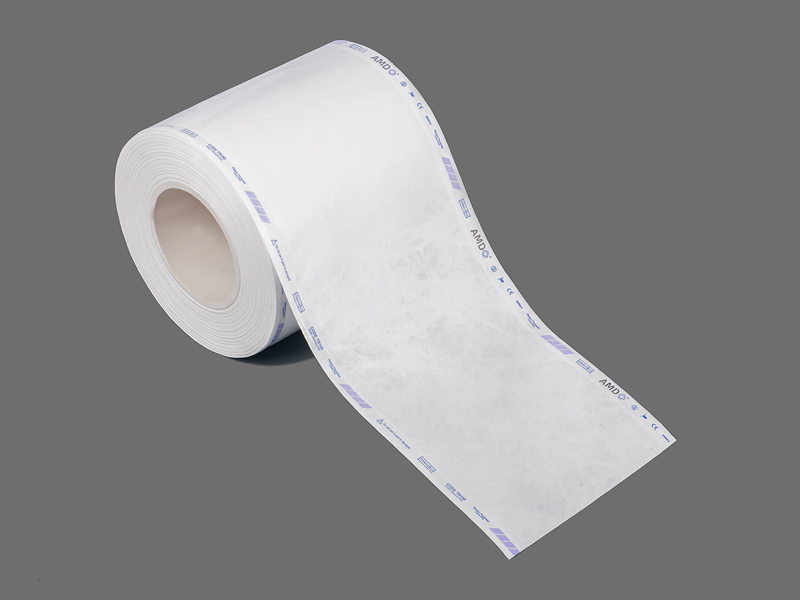
In many workspaces where cleanliness matters, packaging is not just a finishing step. It sits quietly in the middle of daily routines. Items move from preparation to storage, and then to use. At each stage, the way they are wrapped affects how they are handled. Sterilization paper rolls have become part of this rhythm.
They are not complex tools. They do not draw attention. Yet they shape how people work. A roll placed near a workstation often becomes part of a repeated motion. Cut, wrap, seal, store. The sequence is simple, but it carries weight. Over time, these small actions build a system that feels steady and predictable.
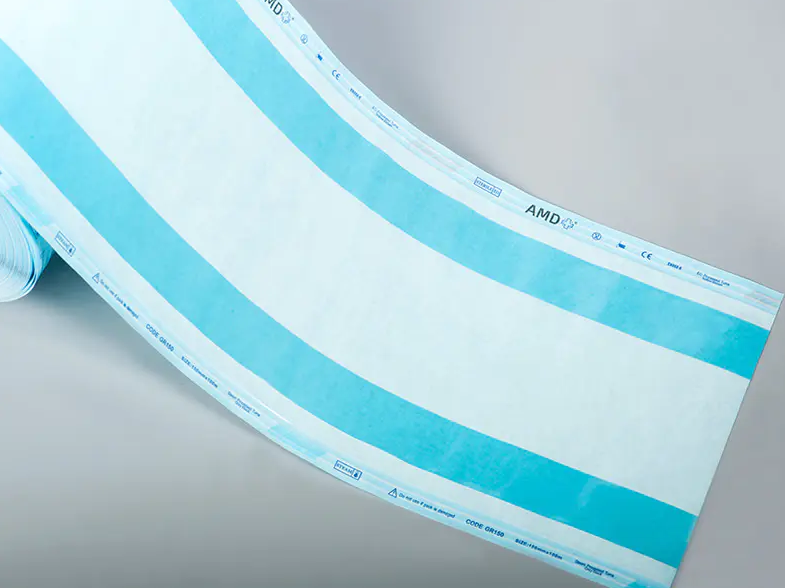
As more industries focus on controlled environments, the demand for practical packaging continues to grow. Sterilization rolls fit into this space because they support both order and flexibility. They do not force a rigid method. Instead, they adapt to what is needed in the moment.
Content
- 1 What makes sterilization paper rolls part of everyday workflows?
- 2 How do sterilization paper rolls help maintain clean handling?
- 3 Why is flexibility important in packaging materials?
- 4 How do sterilization paper rolls influence workflow speed?
- 5 In what ways are different industries using sterilization paper rolls?
- 6 How do they support organization in busy workspaces?
- 7 What factors shape the choice of sterilization paper rolls?
- 8 How is packaging becoming part of process design?
What makes sterilization paper rolls part of everyday workflows?
In many settings, tasks are repeated many times a day. Workers rely on habits. When a material fits naturally into those habits, it becomes part of the workflow without effort. Paper rolls do this by offering a simple, repeatable way to package items.
A roll can be placed within reach. It does not require special handling before use. A user pulls out the length they need, cuts it, and continues. There is no need to search for the right size. This reduces small delays that can add up over time.
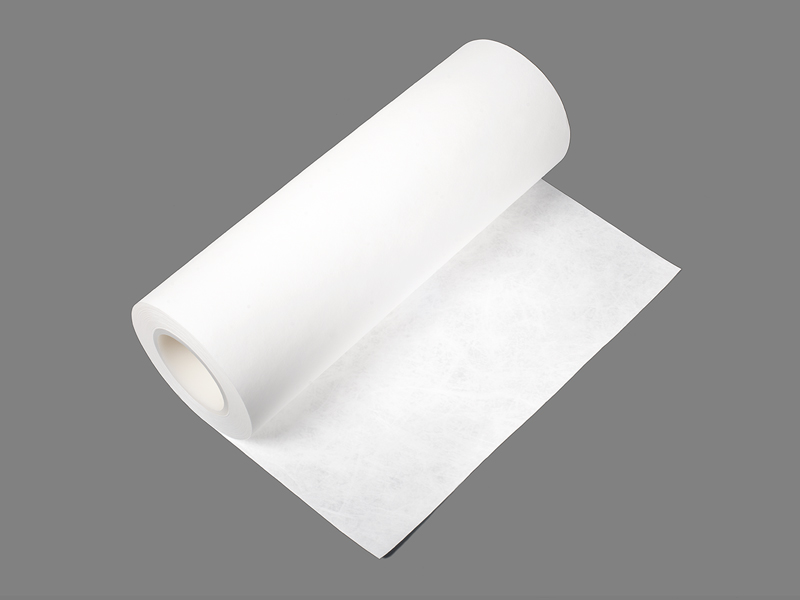
The shape of the roll also supports movement. It unwinds smoothly. There is no need to unfold or separate layers as with some other packaging forms. This smooth motion helps maintain a steady pace.
Another point is how easily it fits into different workstations. Whether the space is large or limited, the roll can be positioned in a way that does not interrupt other tasks. It stays present but not intrusive.
Over time, these small advantages become part of a larger pattern. Workers begin to rely on the material without thinking about it. It becomes a quiet part of how work gets done.
How do sterilization paper rolls help maintain clean handling?
Clean handling often depends on reducing unnecessary contact. The more an item is touched, the higher the chance of exposure. Sterilization rolls support a process where handling is kept simple and direct.
When an item is ready to be packed, it is placed onto the material. The wrapping step follows quickly. There is little need to adjust or reposition the item multiple times. This reduces extra movement.
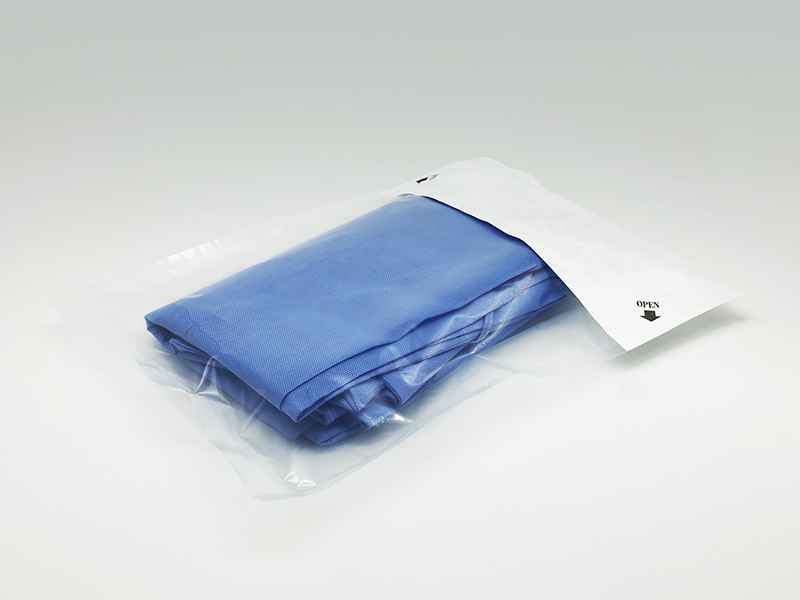
The material creates a clear barrier once sealed. That barrier signals that the item inside is protected. It also guides how others interact with it. People tend to treat sealed items differently. They handle them with more care and awareness.
Another aspect is separation. In shared environments, items often move between different hands. Packaging helps define boundaries. A wrapped item is no longer part of the open workspace. It becomes a contained unit.
This sense of separation helps maintain order. It allows teams to distinguish between items that are ready and those that are not. The visual difference supports decision-making without the need for constant checking.
Why is flexibility important in packaging materials?
Work environments rarely stay fixed. New tools appear. Old tools are replaced. Tasks change in small ways. Packaging materials need to keep up with these shifts.
Fixed-size packaging can create friction. If the size does not match the item, adjustments are needed. This can slow down work and increase waste. Sterilization rolls offer a different approach.
The user decides the length. This means the packaging can match the item more closely. There is less empty space, and less need for folding or reshaping. The result is a cleaner, more efficient package.
Flexibility also helps when dealing with varied items. In one shift, a worker might handle objects of different shapes. Switching between multiple packaging sizes can interrupt the flow. A roll removes that need.
It allows one material to serve many purposes. This simplifies storage as well. Instead of keeping many different sizes, a single roll can cover a wide range of needs.
How do sterilization paper rolls influence workflow speed?
Working faster in sterilization lines doesn't mean rushing through tasks—it's cutting down extra, pointless steps to keep operations running without breaks.
Paper rolls streamline work by eliminating small delays. Staff don't have to stop to pick and sort assorted packaging materials; the roll stock is always on hand, letting them cut lengths to match whatever items they need to wrap.
Cutting takes barely any time. After a little practice, workers can judge measurements visually without rulers, keeping their work pace consistent. Wrapping then follows straight away, with no tricky tweaks needed mid-process.
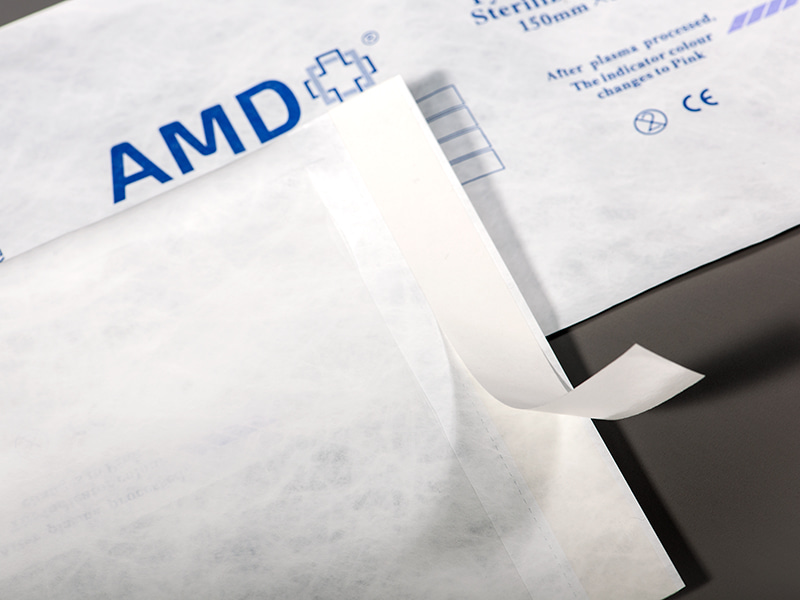
Sealing also goes more smoothly. This paper seals reliably with standard equipment, so staff know exactly how each pack will turn out. Less guesswork means no pausing to fix faulty seals, keeping output steady.
Storage and retrieval get simpler too. Uniformly wrapped packs stack neatly with no messy shapes, saving time both when loading sterilized goods away and pulling them back out later.
Below is a simple table that shows how these rolls support workflow movement:
| Step | Effect on Workflow |
|---|---|
| Cutting | Quick sizing without searching for options |
| Wrapping | Smooth handling with minimal adjustment |
| Sealing | Predictable closure process |
| Storage | Easier arrangement and retrieval |
| Handling | Clear separation between items |
In what ways are different industries using sterilization paper rolls?
All kinds of sectors need reliable contamination control, even though their day-to-day tasks don't look alike at all.
Medical facilities rely heavily on this packaging in daily operations. Tools and medical supplies have to be wrapped and stored properly to stay sterile for safe use. These paper rolls let staff follow a simple, uniform wrapping routine for every item.
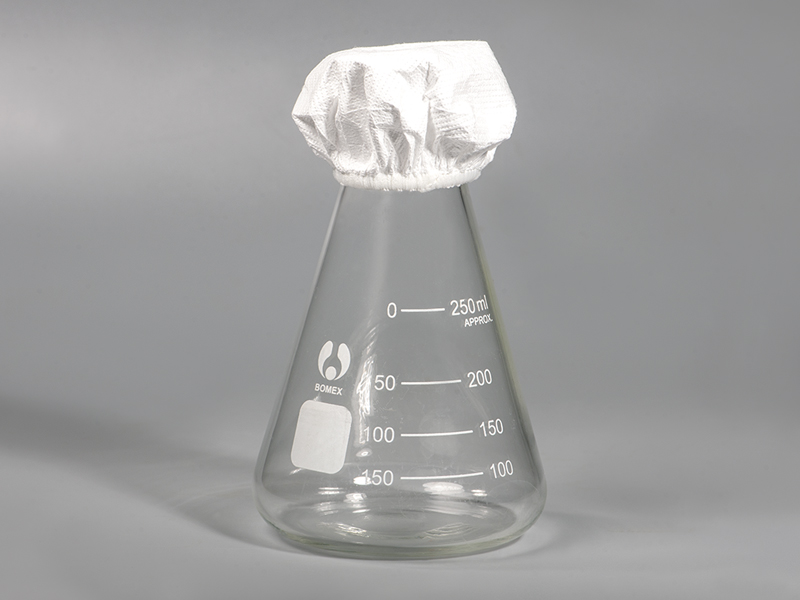
Laboratories also require strict contamination prevention. Test samples and lab gear must stay shielded from outside pollutants to keep test results accurate. Straightforward wrapping with the paper doesn't add extra complicated steps while protecting sensitive equipment.
Modern manufacturing plants have started adopting the rolls too. Production standards grow stricter by the day, so more precision parts can no longer sit exposed. Sterilization paper gives factories an easy, cost-effective method to maintain clean handling during assembly and storage.
Research labs have another key use case. Raw materials and test samples often get set aside for later analysis. Wrapping them with this paper keeps everything neatly organized and easy to label and identify down the line.
Here is a general view of how usage can differ:
| Sector | Typical Use |
|---|---|
| Healthcare | Preparing and storing instruments |
| Laboratory | Protecting samples and tools |
| Industrial | Managing sensitive components |
| Research | Organizing materials for later use |
How do they support organization in busy workspaces?
Organization is often built on visibility. When items are clearly defined and easy to identify, work becomes more manageable. Sterilization rolls contribute to this by creating consistent packaging.
Wrapped items tend to have a uniform appearance. This makes them easier to arrange. Shelves, trays, or storage areas look more ordered when items share a similar format.
Labeling also becomes more effective. A smooth surface allows for clear markings. This helps workers identify items quickly without opening them.
Another benefit is grouping. Items can be sorted based on their packaging. For example, wrapped items can be separated from unwrapped ones. This reduces confusion and supports better workflow control.
In fast-paced environments, these small details matter. They reduce the need for repeated checks and help maintain a steady pace.
What factors shape the choice of sterilization paper rolls?
Choosing a material often comes down to how it fits into daily use. Workers tend to favor materials that feel natural to handle. If a roll is easy to cut and wrap, it is more likely to be used consistently.
Storage is another factor. Materials need to remain stable until they are used. Rolls that hold their shape and do not become difficult to manage are often preferred.
Compatibility with existing tools also matters. If the material works well with current sealing methods, it reduces the need for changes. This helps maintain workflow continuity.
Users may also consider how the material behaves over time. Consistent performance builds trust. When workers know what to expect, they can focus on their tasks without hesitation.
Some practical considerations include:
- Ease of handling during repeated use
- Smooth cutting and wrapping process
- Reliable sealing behavior
- Stability during storage
- Adaptability to different item sizes
How is packaging becoming part of process design?
Packaging is no longer seen as separate from the main task. It is now part of how processes are designed. Workflows are planned with packaging in mind from the beginning.
Sterilization rolls fit into this shift because they support flexible planning. They do not limit how items are handled. Instead, they adapt to the process.
In many environments, teams look for ways to reduce interruptions. Packaging that integrates smoothly into each step helps achieve this. It allows tasks to move forward without unnecessary pauses.
There is also a focus on clarity. Clear steps make it easier for different team members to follow the same process. Packaging that supports visible and consistent handling plays a role in this clarity.
Small improvements in packaging can influence the entire workflow. A smoother wrapping step can reduce delays later on. It can also support better coordination between different stages of work.
The role of sterilization paper rolls continues to grow in this context. They remain simple in form, yet they connect to larger changes in how work is organized and carried out.
 ‘s-Gravenweg 542, 3065SG RotterdamThe Netherlands
 +31 (0)10 254 28 08