
 English
 Français
 Deutsch
 Nederlands
Content
- 1 What Are Sterilization Self Sealing Pouch?
- 2 A Practical Definition
- 3 Why This Format Is Used
- 4 Common Structure and Materials
- 5 Where It Fits in Daily Practice
- 6 Understanding the Practical Advantages of Hopeway AMD Sterilization Packaging
- 7 Material Structure and Functional Design
- 8 Sealing Performance and Reliability
- 9 Usability in Professional Environments
What Are Sterilization Self Sealing Pouch?
In sterile processing, packaging is not just a finishing step. It is part of the workflow that helps protect instruments after cleaning and before use. Among the many packaging formats available, the Sterilization Self Sealing Pouch has become a familiar choice in clinics, dental practices, laboratories, and other controlled environments where sealed instrument storage matters. Products in this category are often selected for their simple handling, organized presentation, and compatibility with routine sterilization procedures. Hopeway AMD is one brand name associated with this product area, and it reflects how packaging can be positioned within a broader infection-control supply chain.
A Practical Definition
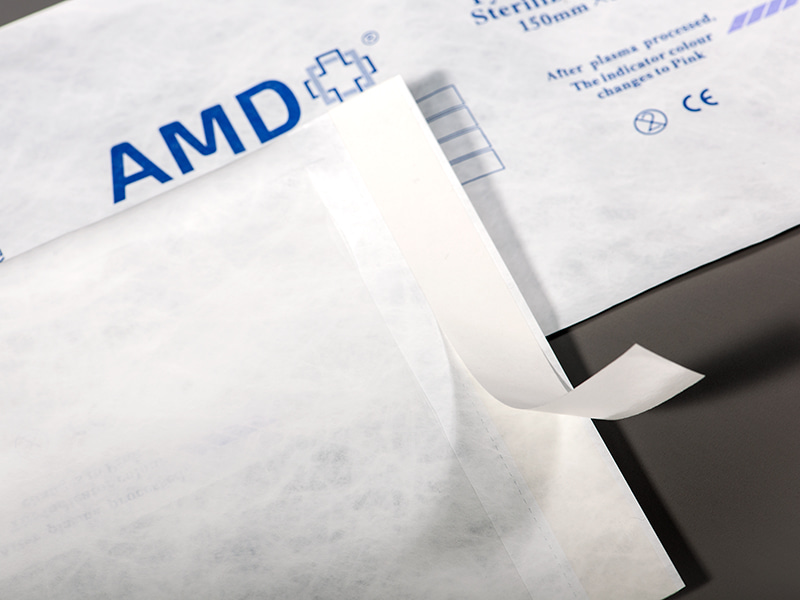
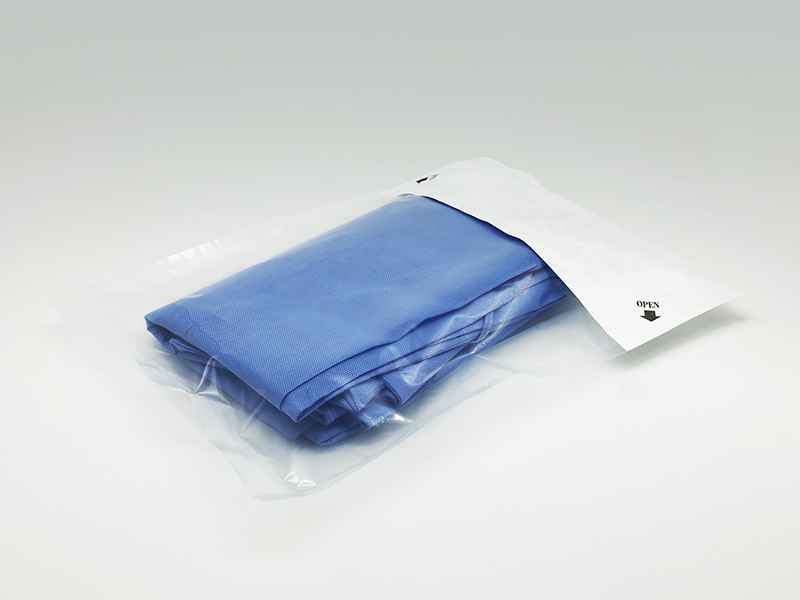
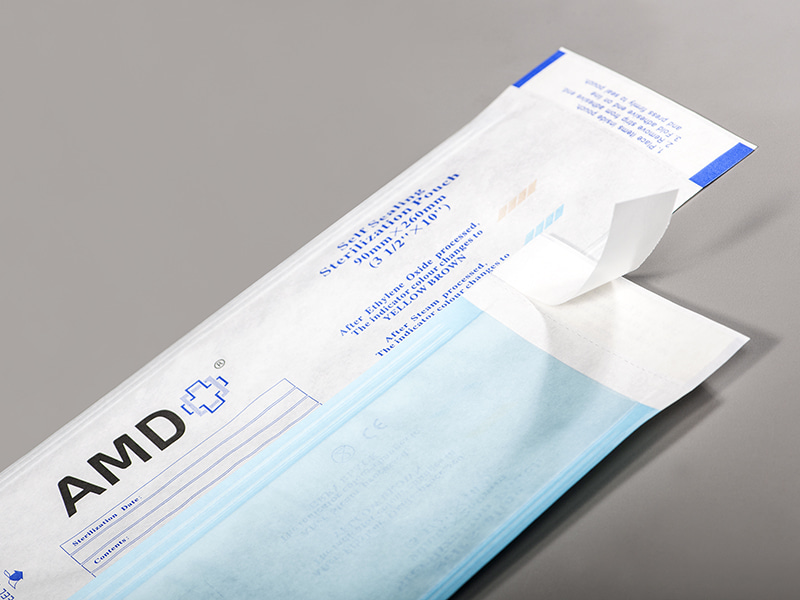
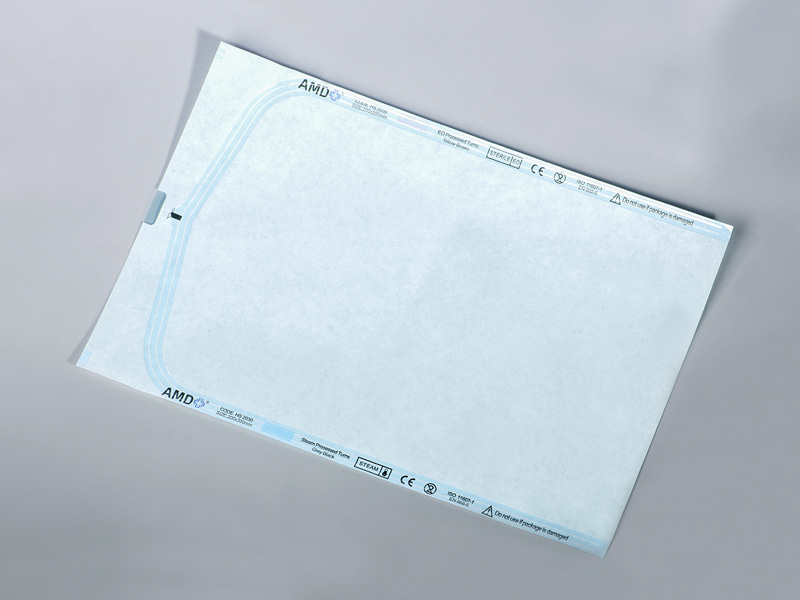
A self-sealing sterilization pouch is a disposable packaging solution designed to hold cleaned instruments before sterilization and storage. It typically includes a transparent front side and a paper-like back side, with an adhesive strip that allows the user to close the pouch without a separate heat-sealing machine. After the package is filled and sealed, it can move through a standard sterilization cycle based on the intended workflow and device compatibility.
The purpose of this packaging is straightforward. It creates a closed barrier around the instrument set, helps preserve sterility after processing, and makes it easier to identify contents without opening the pouch. In busy environments, that combination of visibility and convenience can be useful.
Why This Format Is Used
There are several reasons professionals choose this type of pouch. First, it simplifies preparation. Staff members can place an item inside, remove the release liner, fold the flap, and complete the seal in a short sequence. This reduces dependence on additional equipment and can streamline routine work.
Second, it supports organization. Clear packaging allows the contents to be seen at a glance, which helps with identification and inventory management. In settings where many similar tools are in circulation, that visibility can make retrieval more efficient.
Third, it supports separation and protection. Once sealed, the pouch acts as a barrier between the instrument and the surrounding environment. That barrier is part of the broader process that helps maintain the condition of prepared items until they are needed.
Common Structure and Materials
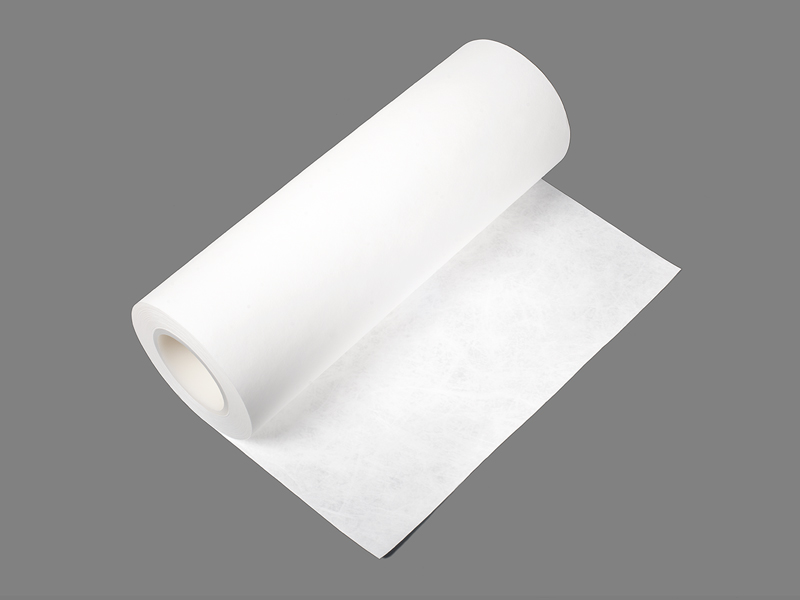
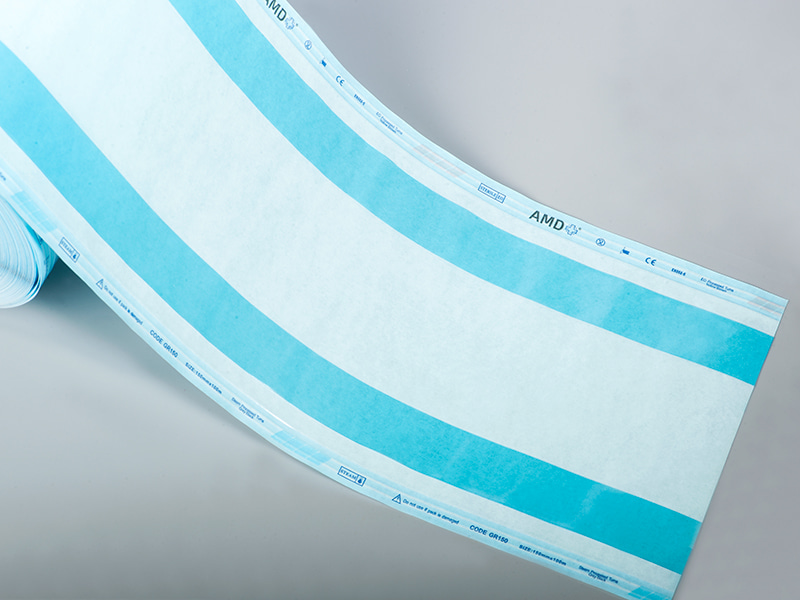
A sterilization pouch usually combines two functional layers. One layer is transparent, so the contents can be inspected without opening the package. The other layer is made from paper or a paper-like medical packaging material that allows sterilizing agents to pass through under appropriate processing conditions.
The seal area is equally important. The adhesive closure is designed to keep the pouch closed after manual sealing. In use, attention to closure quality matters, because a secure seal supports orderly handling and helps reduce the chance of accidental opening during storage or transport.
The structure may also include indicators or printed zones intended to assist with workflow tracking. These elements do not replace process controls, but they can support routine organization in a clinical setting.
Where It Fits in Daily Practice
This packaging format is commonly used in dentistry, outpatient care, medical offices, laboratories, and other environments where small to medium instruments are processed regularly. It is often chosen for items that require a compact package and clear visibility after sterilization.
In practice, the pouch may be used for items such as hand instruments, small tool sets, and other packaged contents that need a neat, sealed presentation. Because the format is familiar and easy to understand, it can fit into established sterile-processing routines without major changes to workflow.
It is also useful in environments that value traceable storage. When tools are packed individually or in small groups, staff can organize them by department, procedure type, or usage sequence. That can make preparation more orderly and reduce unnecessary handling.
Understanding the Practical Advantages of Hopeway AMD Sterilization Packaging
In clinical and laboratory environments, packaging plays a key role in maintaining the condition of instruments after processing. A well-designed pouch is not only a container but also part of a controlled workflow that supports cleanliness, organization, and safe handling. The Hopeway AMD sterilization self-sealing pouch is one example of how material selection, structural design, and usability come together to meet daily operational needs. When discussing the Sterilization Self Sealing Pouch category, it is helpful to examine the specific aspects that influence user choice, including material composition, safety considerations, sealing performance, and antibacterial-related features.
Material Structure and Functional Design
The choice of materials directly affects how a pouch performs throughout the sterilization cycle and subsequent storage. This type of pouch typically combines a transparent film layer with a breathable paper layer. The transparent side allows users to identify contents without opening the package, which supports efficient instrument management. The paper side is designed to permit the passage of sterilizing agents under appropriate conditions while maintaining a physical barrier afterward.
In addition to visibility and permeability, the material structure is developed to withstand handling during preparation and storage. A balanced combination of flexibility and strength helps reduce the risk of tearing when inserting or removing instruments. This is particularly relevant in environments where packaging is handled frequently throughout the day.
The surface quality of the material also contributes to usability. Smooth edges and consistent texture can make the pouch easier to open when needed, while still maintaining integrity during storage. These details may seem minor, but they can influence the overall experience of routine use.
Sealing Performance and Reliability
The sealing mechanism is one of the defining features of a self-sealing pouch. Instead of requiring external equipment, the adhesive strip allows users to close the pouch manually. This can simplify preparation, especially in environments where flexibility and speed are valued.
A consistent seal depends on both the adhesive quality and the user's technique. When the flap is pressed firmly along the designated area, the closure is designed to remain intact during handling and storage. This contributes to the overall reliability of the packaging process.
The design of the sealing area often includes guidance lines or marked zones, helping users align the closure correctly. This reduces variation in sealing practices and supports more consistent results across different staff members.
Ease of opening is another part of sealing performance. After sterilization and storage, the pouch should allow controlled opening without compromising the contents. A balanced design supports both secure closure and practical access when the instrument is needed.
| Key Aspect | Functional Description | Practical Value in Use |
|---|---|---|
| Material Structure | Combination of transparent film and breathable paper layer | Supports visibility and controlled sterilization process |
| Safety Consideration | Designed to maintain separation between instruments and external environment | Helps support organized and careful handling |
| Sealing Mechanism | Self-adhesive closure without need for heat sealing equipment | Simplifies workflow and improves efficiency |
| Structural Integrity | Balanced flexibility and strength in material design | Reduces risk of tearing during handling |
Usability in Professional Environments
Beyond technical features, usability is an important consideration. A pouch that fits naturally into daily routines can help streamline operations. The self-sealing design reduces the need for additional equipment, which may be useful in smaller facilities or mobile settings.
Size variety also contributes to usability. Different instruments require different packaging dimensions, and having multiple options allows users to select a pouch that fits the contents without unnecessary excess space. This can make storage more organized and efficient.
Another practical factor is workflow compatibility. Packaging should align with existing procedures, whether that involves labeling, sorting, or storage systems. A design that integrates smoothly into these processes can reduce the need for adjustments and support consistent handling.
Sterilization packaging is a practical component of instrument management, and its value lies in how well it supports established workflows. By combining thoughtful material selection, structured sealing design, and user-oriented features, a self-sealing pouch can contribute to organized and controlled handling practices.
The Hopeway AMD product approach reflects these considerations through attention to material structure, safety alignment, sealing consistency, and hygienic support. Rather than relying on a single feature, it brings together multiple elements that fit into everyday professional use.

 ‘s-Gravenweg 542, 3065SG RotterdamThe Netherlands
 +31 (0)10 254 28 08