
 English
 Français
 Deutsch
 Nederlands
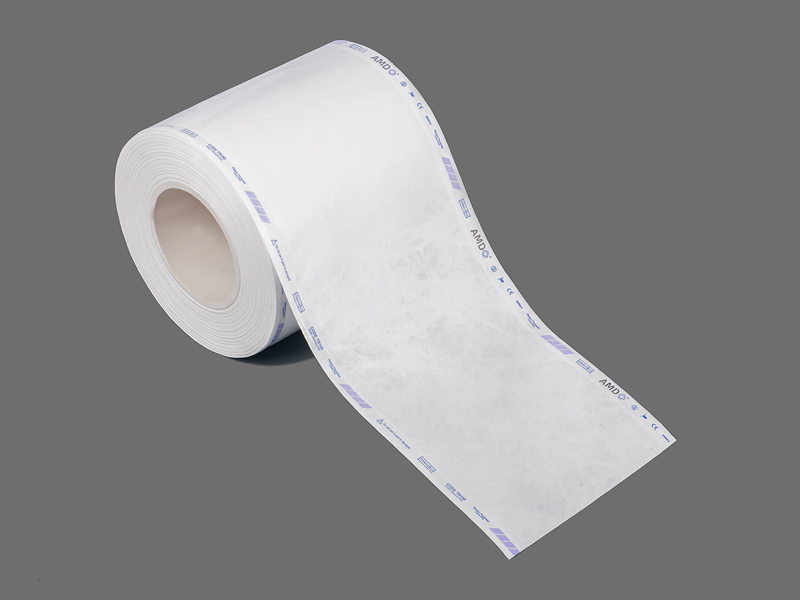
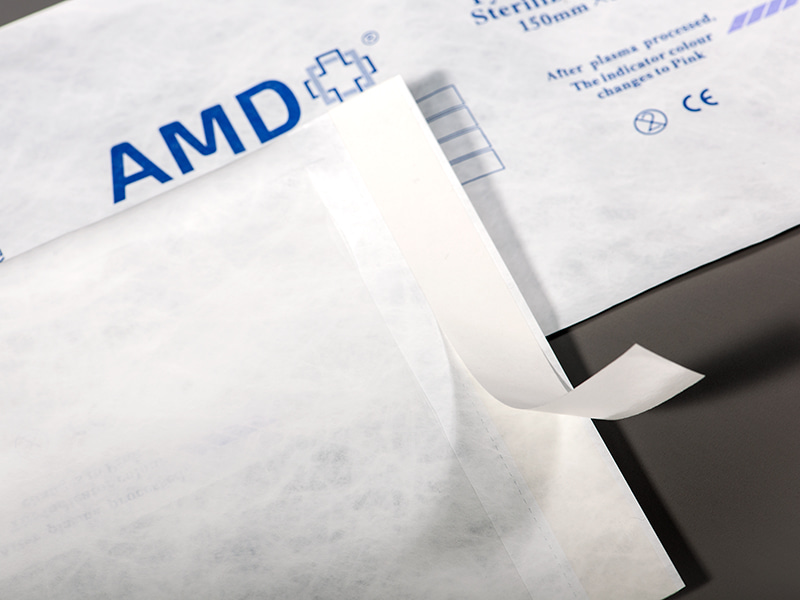
In modern healthcare environments, sterilization is a fundamental step in ensuring patient safety and maintaining the integrity of medical procedures. Among various sterilization methods, ethylene oxide (EO) sterilization remains widely used for heat- and moisture-sensitive medical devices. Within this process, Eo Indicator Strips and the brand Hopeway AMD play an important role in supporting consistent and traceable sterilization monitoring.
Content
- 1 The Basic Principle of EO Sterilization Monitoring
- 2 How Indicator Strips Function in Practice
- 3 Why EO Indicator Strips Are Widely Used in the Medical Device Industry
- 4 Principles and Mechanisms
- 5 Material Compatibility and Product Types
- 6 Monitoring and Validation Approaches
- 7 The Purpose of Indicator Strips in EO Sterilization
- 8 How Indicator Strips Respond to Sterilization Conditions
The Basic Principle of EO Sterilization Monitoring
Ethylene oxide sterilization relies on a controlled combination of gas concentration, temperature, humidity, and exposure time to inactivate microorganisms. Because these parameters must work together precisely, it is necessary to have a reliable way to verify whether the process conditions have been achieved.
Indicator strips are designed to respond to specific sterilization parameters. They are coated with chemical substances that undergo visible changes when exposed to EO gas under defined conditions. This change typically appears as a color transition, allowing operators to quickly determine whether the item has been exposed to the sterilization environment.
Rather than measuring sterility directly, indicator strips function as process indicators. They provide evidence that the conditions required for sterilization were present during the cycle. This makes them a practical tool for routine monitoring in medical settings.
How Indicator Strips Function in Practice
During a sterilization cycle, indicator strips are placed inside packaging, trays, or specific locations within the load. As the EO gas penetrates the materials, the chemical layer on the strip reacts to the combined influence of gas concentration, humidity, temperature, and time.
Once the cycle is completed, users can observe the strip to confirm whether the expected color change has occurred. A consistent and clearly defined color shift indicates that the strip has been exposed to the intended conditions. This visual feedback supports quick decision-making in busy clinical environments.
In addition to immediate interpretation, these strips can also be retained as part of documentation records. This helps establish traceability and supports compliance with sterilization protocols.
Why EO Indicator Strips Are Widely Used in the Medical Device Industry
The widespread use of EO sterilization in the medical device field is closely linked to the characteristics of many products. Devices made of plastics, polymers, and complex assemblies may not tolerate high temperatures or moisture. EO sterilization offers a compatible solution, and indicator strips serve as an essential companion to this method.
One key reason for their adoption is simplicity. The visual nature of the indicator allows personnel to verify exposure conditions without requiring complex equipment. This reduces operational burden while still supporting process control.
Another important factor is adaptability. Indicator strips can be used in various packaging systems and load configurations. Whether applied in small clinical settings or large-scale sterilization facilities, they provide a flexible monitoring approach.
Consistency also contributes to their use. Standardized color change criteria help reduce interpretation variability, supporting clearer communication among staff and across departments.
Ethylene oxide sterilization occupies a defined place among methods used to render medical devices safe for clinical use. Eo Indicator Strips serve as a visual, process-focused tool within that method, and comparing their role to the monitoring and performance characteristics of steam and radiation sterilization helps procurement, quality, and sterile processing teams make informed choices.
Principles and Mechanisms
Ethylene oxide sterilization uses a gaseous alkylating agent to inactivate microorganisms. The process depends on a combination of factors — gas presence, temperature, humidity, and exposure duration — to interact with microbial components. Indicator strips for this modality contain chemical formulations that react to those conditions and produce a visible change, offering immediate evidence that the chemical environment in the cycle reached the parameters the indicator is designed to respond to.
Steam sterilization relies on saturated steam under pressure to denature proteins and disrupt cellular structures. It is a heat- and moisture-driven process that requires direct contact between steam and the items being sterilized. Radiation sterilization uses ionizing radiation to damage nucleic acids and cellular components; it penetrates packaging and complex geometries without elevated temperatures or humidity control.
Material Compatibility and Product Types
A primary driver for choosing a sterilization method is the material composition of the device. Heat- and moisture-sensitive items, flexible polymers, and complex assemblies may be adversely affected by steam. Radiation can be suitable for many polymers but may cause alterations in certain materials or in device performance depending on formulation and density.
Chemical indicators designed for ethylene oxide are intended to be placed in locations that mimic critical points within a load. Because ethylene oxide is a gas at process conditions, it can access lumens and complex packaging configurations that steam may not reach without changes to packaging or load arrangement. Radiation's penetrative nature can treat many configurations without special packaging changes, but not every facility has access to radiation services, and some device designs are better matched to gas-phase sterilization.
Monitoring and Validation Approaches
Monitoring requirements differ across the three methods. Steam sterilization commonly employs physical indicators (such as gauges and printouts that record time, temperature, and pressure), chemical indicators that respond to steam exposure, and biological indicators that provide a biological challenge. Radiation sterilization relies on dosimetry to quantify absorbed dose and often uses chemical or biological dosimeters for validation.
For ethylene oxide cycles, chemical indicators offer a rapid and visible signal that certain environmental conditions were met inside the package or load. They are process indicators rather than direct measures of sterility and are used as part of an integrated monitoring program that includes physical monitoring and periodic biological testing where required by guidance or regulation. The practical value of a chemical indicator in an ethylene oxide process is its ability to provide routine, quick feedback at the point of use and to be retained as part of cycle documentation.
| Key Aspect | EO Indicator Strips | Steam Sterilization Monitoring | Radiation Sterilization Monitoring |
|---|---|---|---|
| Monitoring Principle | Chemical reaction to EO gas, humidity, temperature, and time | Physical parameters and steam-sensitive indicators | Dosimetry and radiation-sensitive materials |
| Feedback Method | Visual color change | Digital records and indicator response | Dose measurement and validation tools |
| Application Scenario | Heat- and moisture-sensitive devices | Heat-resistant instruments | Pre-packaged or large-scale products |
Sterilization is a structured process that requires controlled conditions and consistent monitoring. In healthcare facilities and medical manufacturing environments, ethylene oxide sterilization is frequently used for devices that cannot tolerate high temperature or moisture. Within this framework, Eo Indicator Strips provide a practical means of assessing whether the sterilization environment has reached the parameters required for effective processing. Understanding how these indicators function and how they are interpreted is essential for maintaining a reliable sterilization workflow.
The Purpose of Indicator Strips in EO Sterilization
Ethylene oxide sterilization depends on the interaction of several variables, including gas concentration, temperature, humidity, and exposure time. These elements must work together within defined ranges to support microbial inactivation. Because the process is not directly visible, monitoring tools are required to verify that these conditions have been achieved.
Indicator strips are designed as chemical process indicators. Their purpose is not to confirm sterility itself, but to demonstrate that the environment inside a package or load has been exposed to conditions associated with the sterilization cycle. This distinction is important, as it clarifies the role of indicator strips within a broader quality assurance system.
How Indicator Strips Respond to Sterilization Conditions
The working mechanism of an indicator strip is based on a chemical reaction that occurs when the strip is exposed to ethylene oxide under specific environmental conditions. The strip is coated with a reactive layer that changes color when it encounters the combined influence of gas, humidity, temperature, and time.
During the sterilization cycle, the gas diffuses through packaging materials and reaches the surface of the indicator strip. If the required conditions are present, the chemical formulation undergoes a transformation that produces a visible color shift. This change is designed to be distinct enough for users to interpret without specialized instruments.
The response is calibrated to reflect exposure to process conditions rather than to measure microbial reduction. As a result, the indicator provides a quick and accessible method for verifying that the sterilization cycle has delivered the intended environment.
Indicator strips play a defined role in ethylene oxide sterilization by providing visible confirmation that process conditions have been achieved. Through chemical reactions that respond to the sterilization environment, they offer a practical method for routine monitoring and documentation.
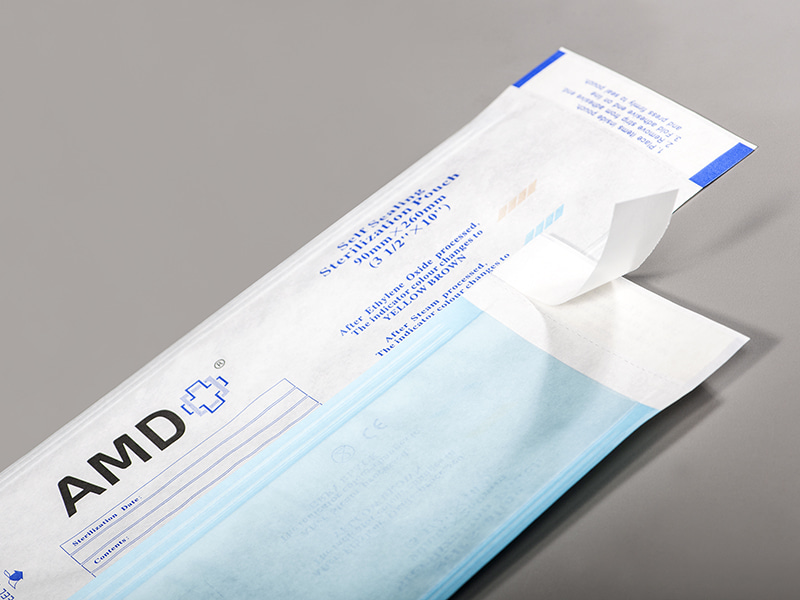
Hopeway AMD Eo Indicator Strips contribute to this process by supporting consistent interpretation and integration into established sterilization workflows. While they do not replace other forms of monitoring, they serve as an accessible and effective tool within a comprehensive quality assurance framework, helping facilities maintain controlled and traceable sterilization practices.




 ‘s-Gravenweg 542, 3065SG RotterdamThe Netherlands
 +31 (0)10 254 28 08