
 English
 Français
 Deutsch
 Nederlands
In hospitals, contract sterilization facilities, and medical device manufacturing plants, ethylene oxide (EO) remains a common method for processing heat-sensitive instruments and single-use products. To confirm that each load has actually been exposed to the gas, technicians rely on simple yet effective tools called EO indicator strips. These small chemical monitors provide visible evidence that conditions inside the chamber reached the packaged items.
Content
- 1 Basic Principle of Operation
- 2 Where EO Indicator Strips Fit in Daily Practice
- 3 Types of EO Chemical Indicators
- 4 Reading and Documentation
- 5 Storage and Shelf-Life Practices
- 6 Practical Tips from Experienced Technicians
- 7 Relationship to Biological Indicators
- 8 Advantages in Mixed-Method Facilities
- 9 Environmental and Safety Notes
- 10 Purchasing and Inventory Considerations
- 11 Training New Team Members
- 12 Future Directions
Basic Principle of Operation
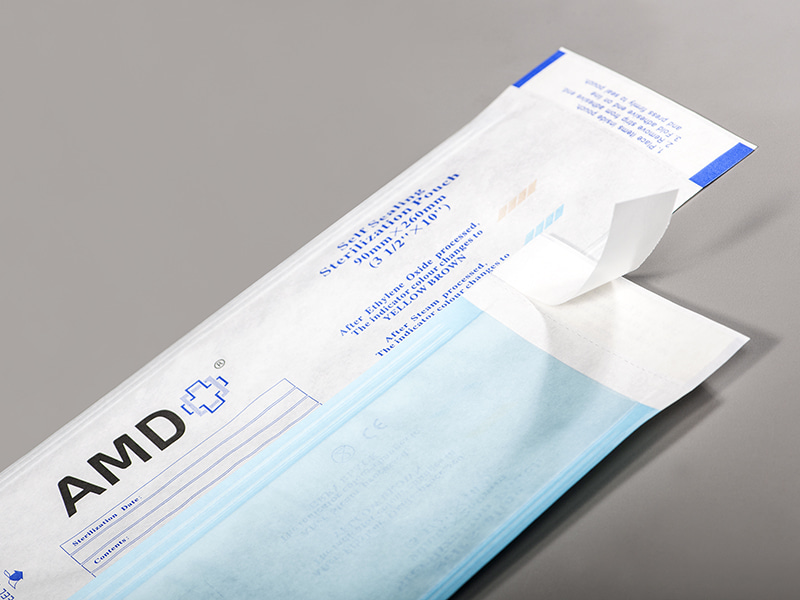
An EO indicator strip is a paper or plastic carrier printed with ink that reacts in the presence of ethylene oxide gas under controlled humidity and temperature. Before the cycle starts, staff place one or more strips inside pouches, trays, or directly among the load. After aeration, a distinct color change—from an initial shade to a clear final hue—shows that gas penetrated the area where the strip was positioned. This immediate visual result helps teams decide whether the contents can move forward to storage or the next production step.
Unlike steam processes that allow external tape checks, EO cycles keep everything sealed inside rigid chambers for hours. Internal chemical indicators therefore become essential for routine verification.
Where EO Indicator Strips Fit in Daily Practice
- Central sterile departments that reprocess robotic instrumentation and delicate endoscopes
- Contract sterilizers handling millions of syringes, catheters, and wound dressings
- Pharmaceutical plants preparing pre-filled syringes and implant components
- Research laboratories sterilizing custom plasticware and animal surgery kits
In each setting, placing a strip inside representative packages gives confidence that gas distribution was adequate across the entire load.
Types of EO Chemical Indicators
The industry recognizes several classes of indicators for ethylene oxide processes. The table below summarizes the main categories facilities use:
| Class | Location | What It Monitors | Typical Use Example |
| Type 1 | Outside packages | Basic exposure to EO gas | On outer bag or box |
| Type 4 | Inside packages | Multiple variables (gas, time, etc.) | In difficult-to-reach tray corners |
| Type 5 | Inside packages | Integrating response | Next to critical device surfaces |
| Type 6 | Inside packages | Emulating specific cycle parameters | Validation and routine monitoring |
EO indicator strips commonly fall into Type 4 or Type 5, depending on the manufacturer's formulation.
Reading and Documentation
Correct interpretation matters. Staff compare the developed color against the reference printed on the package or a wall chart. A full, uniform change signals acceptable exposure; partial or uneven results trigger investigation. Many departments photograph questionable strips and attach the images to cycle records for traceability during audits.
Regulatory guidelines from bodies such as AAMI and ISO recommend using at least one internal chemical indicator in every package or retentive location. When surveyors review sterilization logs, they expect to see documentation that indicators were checked and recorded.
Storage and Shelf-Life Practices
Like all chemical products, EO indicator strips stay reliable only when stored properly. Cool, dry cabinets away from direct light prevent premature reactions. Boxes usually carry clear expiration markings. Teams often label opened packages with the date used so older stock rotates out first.
Practical Tips from Experienced Technicians
Veteran sterilization professionals share these field-tested suggestions:
- Place strips in the hardest-to-penetrate areas—folded towels, lumen devices, or stacked trays.
- Avoid touching the reactive zone with bare fingers; oils can interfere with color development.
- Keep a small supply in the load preparation area so strips are never forgotten.
- Include an extra strip in every process challenge device for added documentation.
Relationship to Biological Indicators
Chemical strips and biological indicators serve different purposes. The strips offer fast, load-by-load feedback, while biological vials containing spores confirm actual microbial kill after incubation. Facilities typically run both systems in parallel: daily chemical checks on every package and weekly or per-cycle biological testing for full validation.
Advantages in Mixed-Method Facilities
Some hospitals operate both steam and EO sterilizers side by side. Color-coded indicators help prevent mix-ups—blue-to-pink for steam, red-to-green for EO, for example. Clear visual differences reduce the chance of staff misreading results during busy shifts.
Environmental and Safety Notes
Modern EO indicator inks avoid heavy metals and other restricted substances. Manufacturers have shifted to formulations that remain stable during long aeration periods without releasing unwanted residues. Hopeway Amd lists safety data sheets on its website so environmental health teams can verify compliance with local regulations.
Purchasing and Inventory Considerations
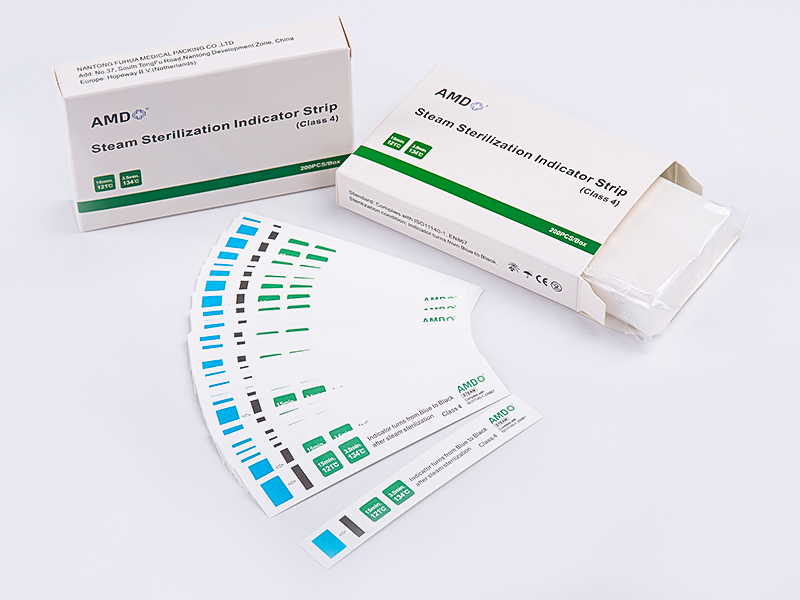
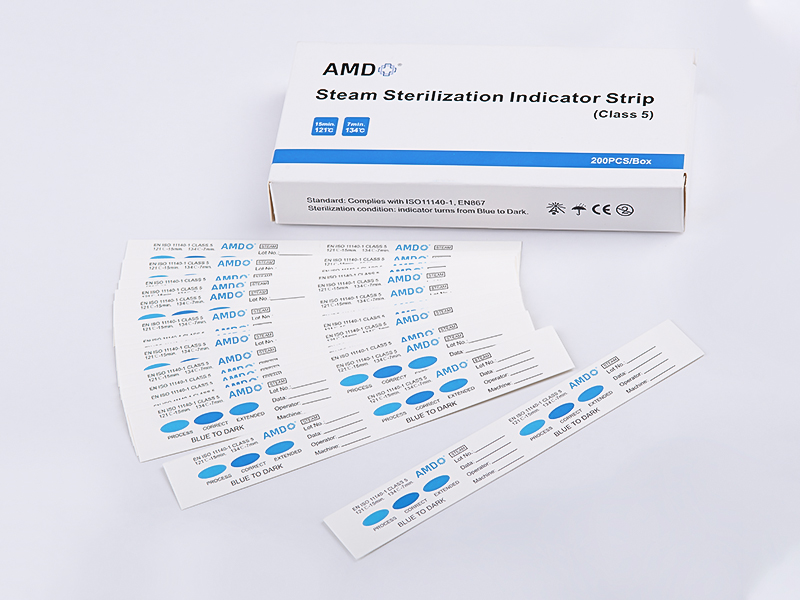
Hospital buyers and contract sterilizers order EO indicator strips in bulk to maintain consistent supply. Hopeway Amd maintains an online product page with images and basic usage instructions, making reordering straightforward for materials management staff. Keeping two or three box lots on the shelf prevents last-minute shortages when large validation runs are scheduled.
Training New Team Members
Orientation programs always include a hands-on session with actual strips. Trainees practice placing them in test pouches, running a short cycle (when permitted), and interpreting results. Laminated comparison cards posted near the EO chamber serve as quick references until everyone gains confidence.
Future Directions
As device designs grow more complex and production volumes increase, the need for reliable internal monitoring stays constant. Some facilities experiment with self-adhesive indicator labels that stick directly to instruments, while others combine chemical strips with electronic data loggers for hybrid records. Regardless of new tools, the classic EO indicator strip continues to provide the simple yes/no answer that frontline staff depend on every day.
In summary, EO indicator strips deliver an affordable, easy-to-read method for confirming gas penetration in ethylene oxide sterilization. Their presence inside packages and trays forms a critical link in patient and product safety chains worldwide. Resources from suppliers such as Hopeway Amd help departments select appropriate types and stay current with proper handling techniques.






 ‘s-Gravenweg 542, 3065SG RotterdamThe Netherlands
 +31 (0)10 254 28 08