
 English
 Français
 Deutsch
 Nederlands
Content
Effective sterile handling starts with appropriate packaging.
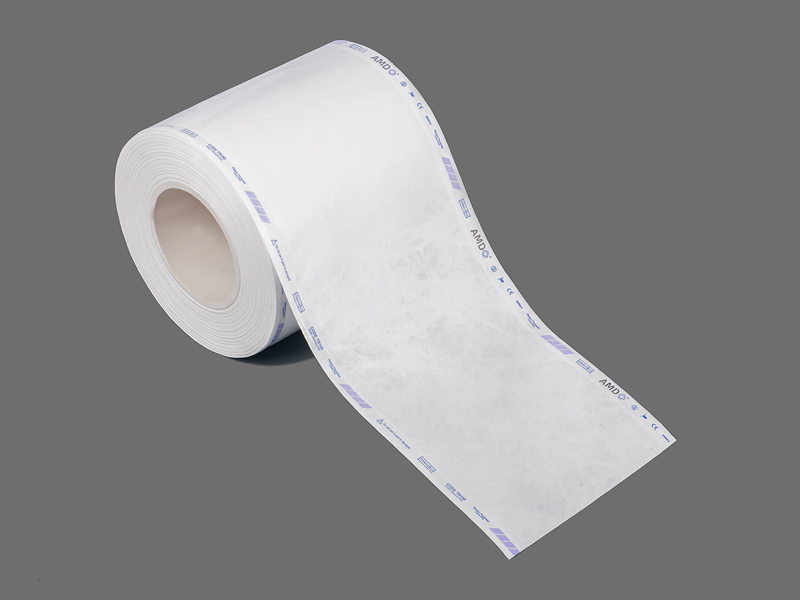
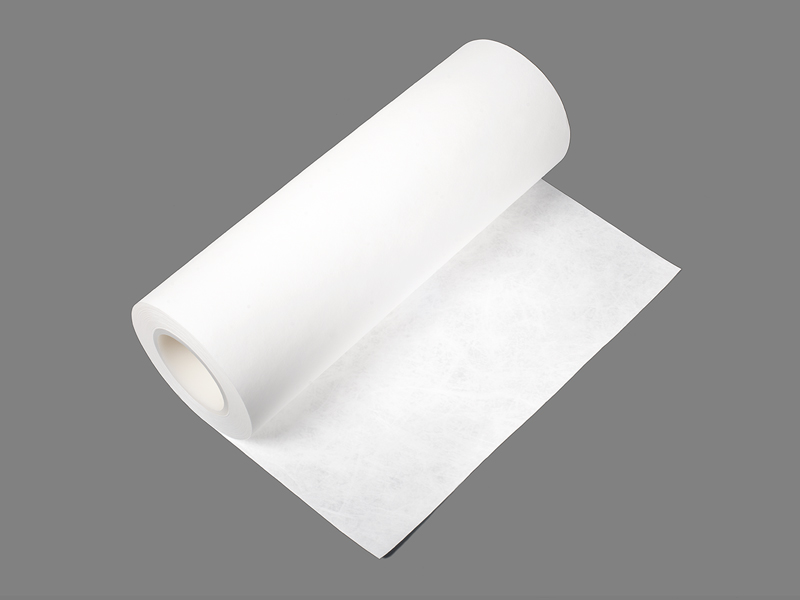
Medical sterilization packaging can be grouped by form and by material. Forms include flexible wraps, preformed pouches, rigid containers, and roll stock that can be converted into custom-sized seals. Flexible wraps generally consist of a medical grade paper laminated to a barrier film or combined with a permeable nonwoven. These wraps create a sterile barrier that permits sterilant penetration while preventing microbial ingress after processing. Preformed pouches are sealed on three sides and provide a ready to use single instrument enclosure with a visible window or full barrier surface. Rigid containers are reusable assemblies that rely on filtered vents and mechanical closure to maintain sterility; they are often used for sets that require protection during transport and storage. Roll stock provides a continuous material that staff cut and seal to create packages sized to the instrument or tray being processed, offering an adaptable option where variable packing dimensions are common.
Materials used in these packaging types are selected for compatibility with sterilization processes and for maintaining a sterile barrier throughout the product lifecycle. Common components include medical grade paper, polymer films, and composite structures that combine porous and impermeable layers. Paper grades used for sterilization are designed to permit gas or steam permeation while forming a barrier to microorganisms once sealed. Films provide strength and puncture resistance and can form a visual barrier that helps identify package integrity. Composite constructions are engineered to balance breathability, barrier performance, and mechanical durability. For single use packaging, disposability and predictable barrier performance are key considerations, whereas reusable container systems emphasize durability and the ability to withstand repeated cleaning and sterilization cycles.
Comparing roll stock and pouches reveals differences in flexibility, workflow, and inventory management. Roll stock offers adaptable sizing because staff cut and seal the material to the exact dimensions required. This approach reduces material waste when instruments vary in size and can simplify stocking since fewer SKUs are needed to cover a range of package dimensions.
In modern healthcare environments, sterilization procedures are closely connected with the materials used to package instruments before and after processing. Packaging systems are expected to allow the sterilization agent to penetrate effectively while maintaining a reliable sterile barrier during storage and transport. As medical devices continue to diversify in design and application, healthcare facilities are increasingly attentive to technologies that coordinate sterilization processes with packaging performance.
Among the approaches discussed within the medical packaging field, AMD sterilization technology has drawn attention because of its structured integration between sterilization conditions and packaging materials. Understanding how this technology works, how it differs from more established sterilization approaches, and how it contributes to infection control practices can help healthcare professionals evaluate appropriate solutions for daily sterilization workflows.
The fundamental principle of AMD sterilization technology
AMD sterilization technology is based on a controlled sterilization process that coordinates sterilant exposure with packaging permeability and barrier characteristics. In practical terms, the technology emphasizes a balance between sterilant penetration and microbial barrier performance. Packaging materials are designed to allow the sterilization agent to pass through specific layers during the cycle, enabling the sterilant to contact instrument surfaces enclosed within the package.
Once the sterilization phase is complete, the packaging structure continues to function as a protective barrier that reduces the possibility of microbial entry during storage and distribution. Achieving this balance requires careful selection of material layers such as medical-grade paper and polymer film, as well as validated sealing methods that ensure the integrity of the sterile barrier.
Comparison with traditional sterilization approaches
Healthcare institutions commonly rely on several established sterilization techniques, including steam sterilization, ethylene oxide gas sterilization, and certain low temperature sterilization processes. Each method has particular characteristics that influence packaging selection, workflow organization, and instrument compatibility.
Steam sterilization has been widely used because of its ability to inactivate microorganisms through high temperature and moisture. Instruments that tolerate heat and moisture are often processed using this method. However, some medical devices contain materials that are sensitive to high temperatures, which may require alternative sterilization approaches. Packaging used with steam must be able to withstand heat and maintain permeability during the cycle while retaining barrier properties afterward.
Ethylene oxide sterilization operates at lower temperatures and can be used for devices that may not tolerate high heat. This method requires packaging materials that allow gas penetration while maintaining barrier integrity during aeration and storage. Processing cycles associated with gas sterilization can involve additional steps related to ventilation and residue management.
Low temperature sterilization technologies are also applied for certain delicate devices. These methods generally rely on reactive sterilants that function under controlled environmental conditions. Packaging compatibility remains a key factor, as the material must allow the sterilant to reach the device while protecting it from contamination once the cycle has ended.
When AMD sterilization technology is applied in combination with packaging systems designed for that environment, attention is placed on consistent permeability and stable barrier performance throughout the cycle. By aligning packaging material characteristics with the sterilization parameters, healthcare facilities can structure workflows that accommodate different types of instruments without unnecessary complexity.
Medical instrument sterilization requires not only reliable sterilization processes but also appropriate packaging systems that help maintain sterile conditions until the moment of clinical use. Hospitals, dental clinics, and laboratories often rely on two widely used forms of flexible sterilization packaging: roll-based materials and preformed sterilization pouches. Each option presents different operational characteristics that influence cost management, workflow flexibility, and daily efficiency within sterile processing environments.
Understanding the two packaging formats
Sterilization packaging plays a critical role in maintaining sterile barrier systems. Materials are typically composed of medical-grade paper combined with polymer film layers that allow sterilization agents to penetrate during the sterilization cycle while preventing microbial contamination afterward.
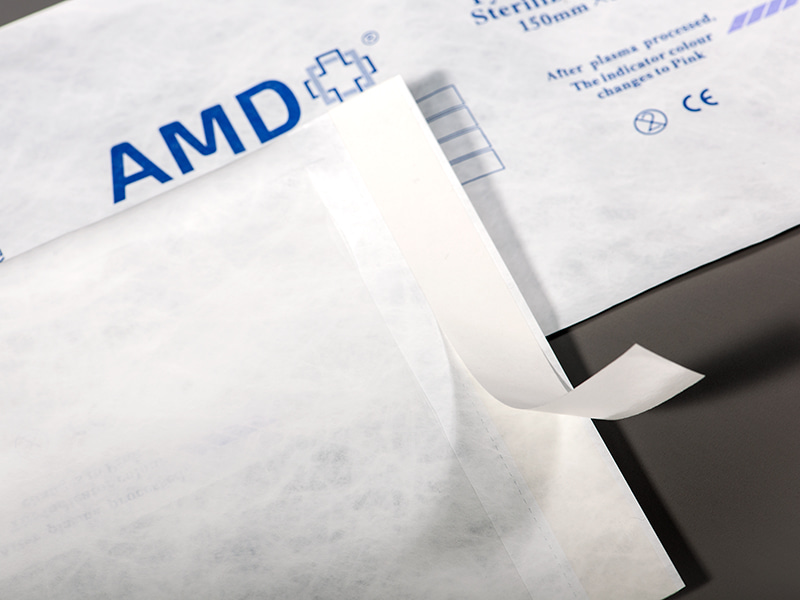
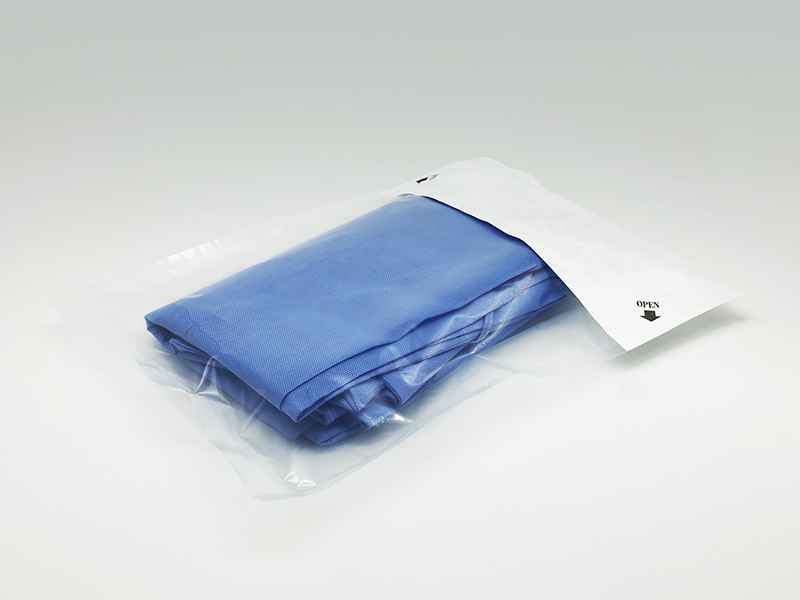
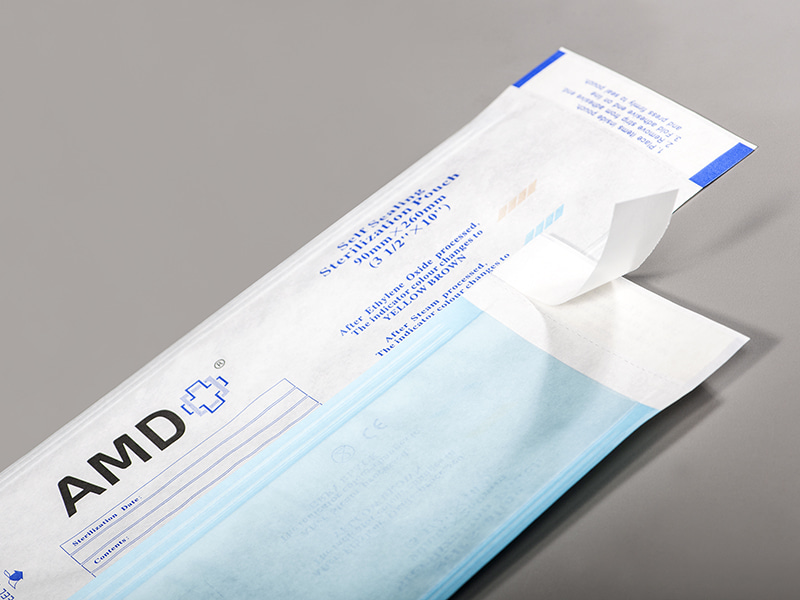
Preformed sterilization pouches are manufactured as ready-to-use packages sealed on multiple sides. Staff members place instruments inside the pouch and close the open edge using a heat sealer or a self-sealing strip. Because the pouch shape is predetermined, the packaging process is straightforward and suitable for packaging individual instruments or small sets.
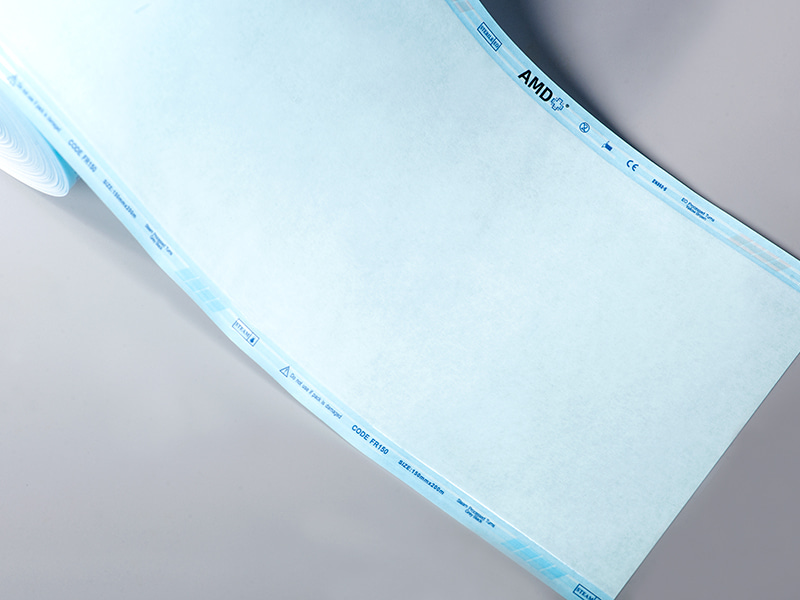
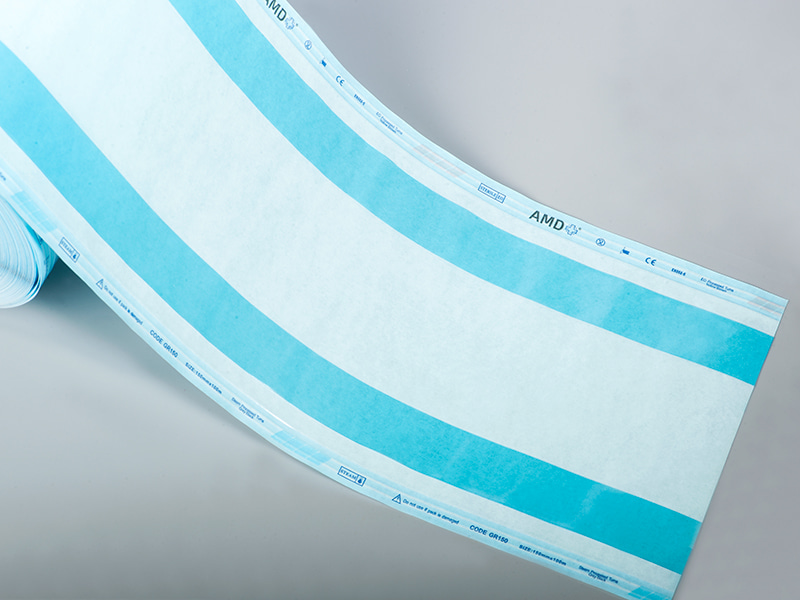
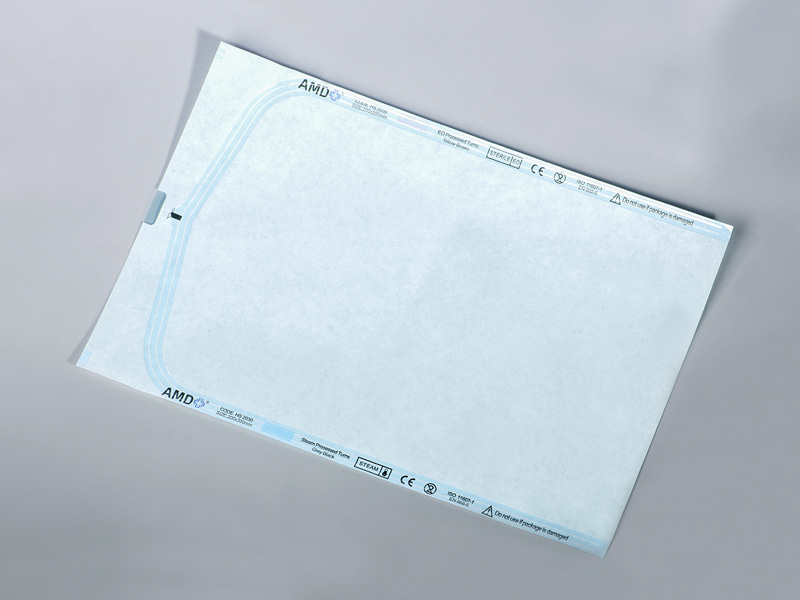
Roll-based sterilization packaging, on the other hand, is supplied as a continuous roll of composite material. Sterile processing technicians cut the material to the required length and seal both ends to form a custom package. This approach allows the packaging size to match the exact dimensions of the instrument or instrument set.
Within this category, the Sterilization Flat Roll format has become a common option for healthcare facilities that prefer adjustable packaging sizes during sterilization preparation.
Flexibility in instrument packaging
Healthcare facilities often process instruments that vary widely in shape, size, and configuration. This variation influences how easily different packaging formats can adapt to daily sterilization tasks.
Preformed sterilization pouches are convenient when packaging items with similar dimensions. For example, dental hand instruments, small surgical tools, and laboratory accessories can often be packaged quickly using standardized pouch sizes. The consistent shape of the pouch allows staff to follow a routine packaging process without measuring or cutting materials.
Roll-based packaging offers a different type of flexibility. Because the material can be cut to any length, technicians can create packages that match the specific dimensions of larger or irregular instrument sets. This adaptability is useful in central sterile supply departments where trays, elongated instruments, or mixed instrument sets require customized packaging.
Flexible packaging sizes may also assist with optimizing sterilizer load capacity. Packages that closely match instrument dimensions can help organize sterilization trays in a way that allows efficient space utilization within the sterilization chamber.
Efficiency in daily sterilization workflows
Operational efficiency within sterile processing departments depends on consistent procedures, clear packaging practices, and reliable sealing techniques. Both packaging formats contribute to workflow efficiency in different ways.
Preformed sterilization pouches simplify the preparation stage. Staff place the instrument inside the pouch, seal the open side, and label the package before sterilization. Because the pouch dimensions are predetermined, packaging steps are relatively predictable. This approach is often used in outpatient clinics or smaller healthcare facilities where instrument processing volumes are moderate.
Both roll-based sterilization packaging and preformed sterilization pouches serve important roles in medical instrument sterilization. Each format provides specific advantages related to cost management, operational flexibility, and workflow efficiency. The appropriate choice depends on the structure of the sterile processing department and the range of instruments handled on a daily basis.
For facilities exploring adaptable packaging options within sterilization workflows, materials developed by Hopeway AMD are designed to support compatibility with common medical sterilization procedures while maintaining the structural characteristics expected in sterile barrier systems. By aligning packaging format with sterilization practices and staff workflow, healthcare institutions can maintain consistent instrument preparation processes and support safe clinical operations.
 ‘s-Gravenweg 542, 3065SG RotterdamThe Netherlands
 +31 (0)10 254 28 08