
 English
 Français
 Deutsch
 Nederlands
Sterile packaging rarely draws attention in daily operations. It sits between preparation and use, often unnoticed unless something interrupts the process. Yet behind that quiet role, packaging choices shape how instruments move through cleaning, sterilization, storage, and final use.
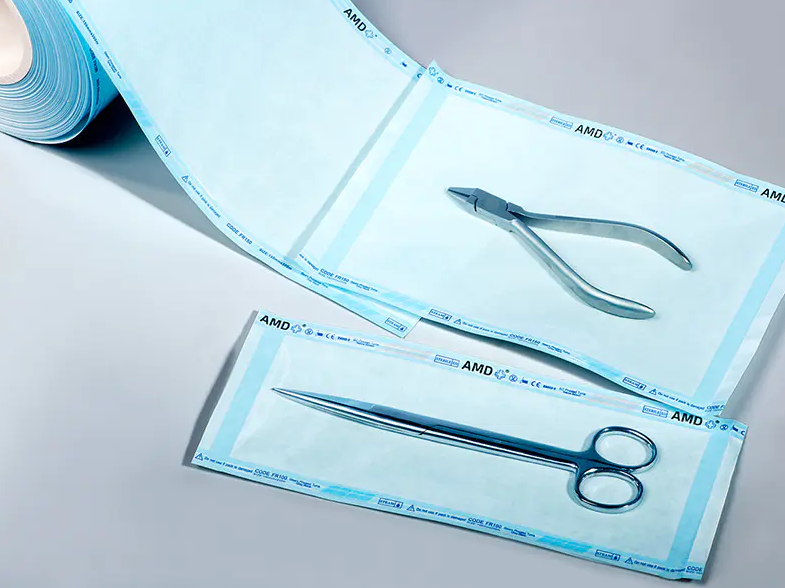
Among the formats used in medical settings, flat sterilization rolls have gained steady attention. They are not new, but the way they are used has shifted. Instead of acting as a simple packaging supply, they now play a more flexible role in adapting to different workflows.
The question is no longer just what they are, but how they fit into the broader system of medical packaging.
Content
- 1 What exactly is a flat sterilization roll ?
- 2 Why are flat sterilization rolls widely used in medical packaging?
- 3 How are flat sterilization rolls used during the packaging process?
- 4 What types of items are typically packaged with flat sterilization rolls?
- 5 How do flat sterilization rolls support different sterilization methods?
- 6 What are the practical advantages in daily workflow?
- 7 Are there limitations or challenges when using flat sterilization rolls?
- 8 How do flat sterilization rolls compare with pre-formed pouches?
- 9 What role do flat sterilization rolls play in storage and transport?
- 10 How does user preference influence adoption?
- 11 Why are flat sterilization rolls becoming more visible in discussions about medical packaging?
- 12 What should be observed when using flat sterilization rolls in practice?
What exactly is a flat sterilization roll ?
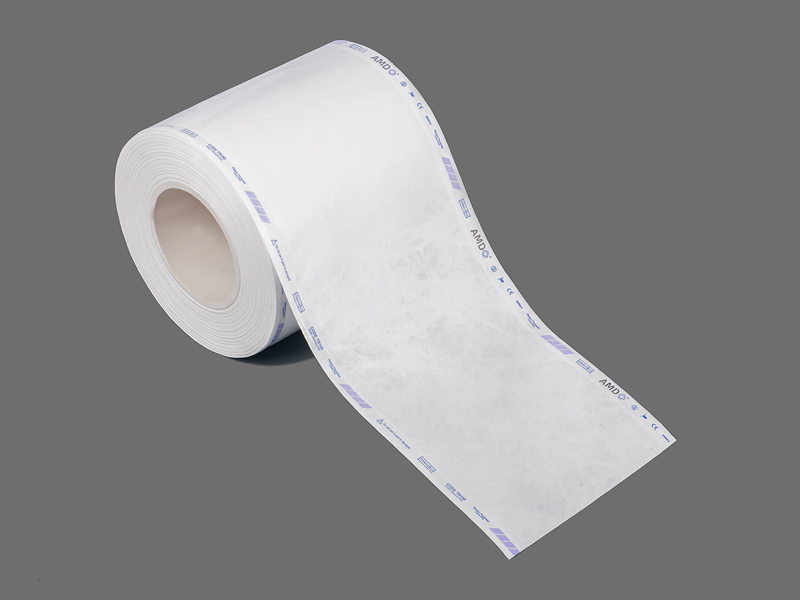
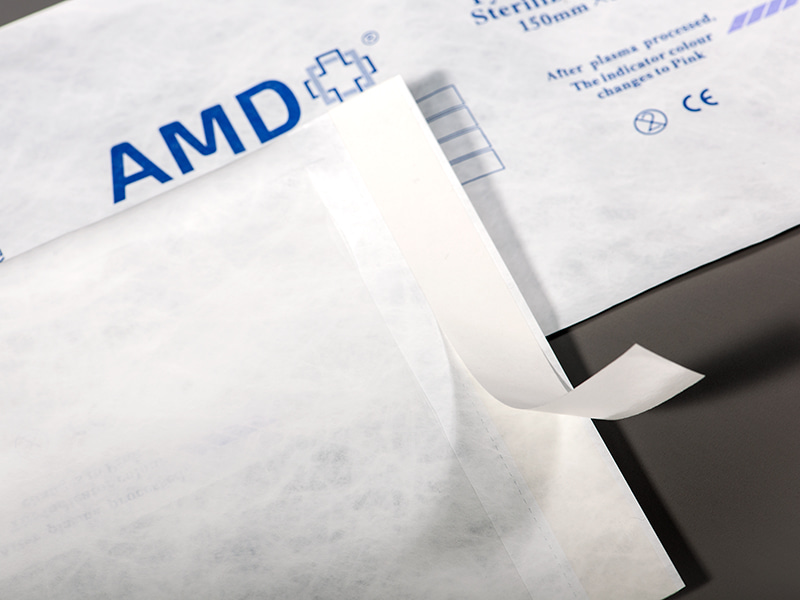
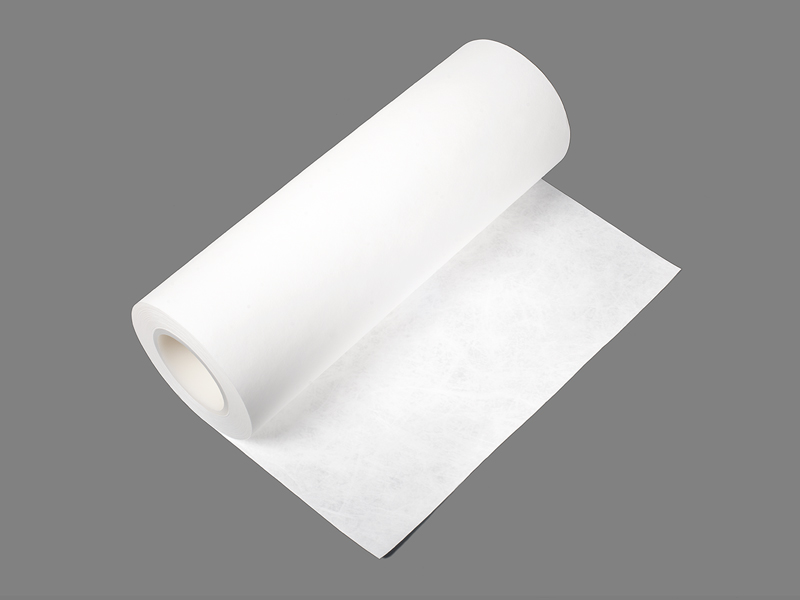
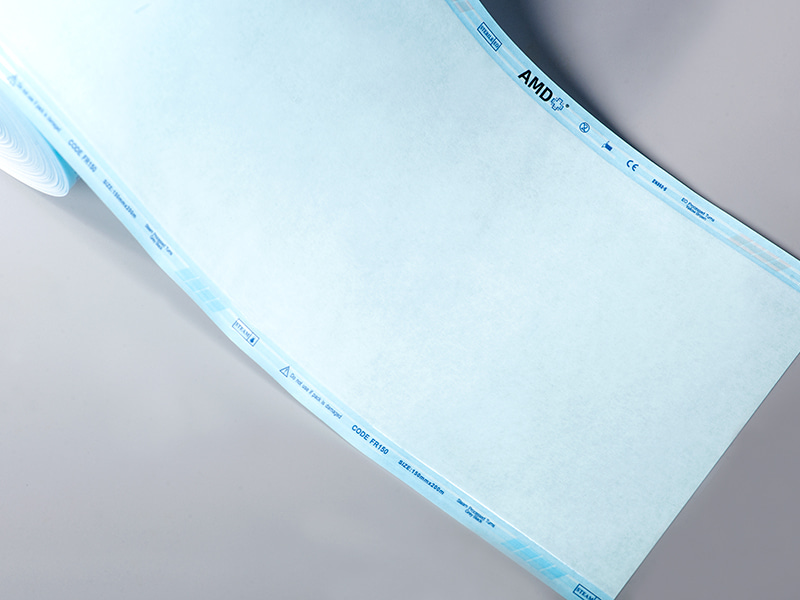
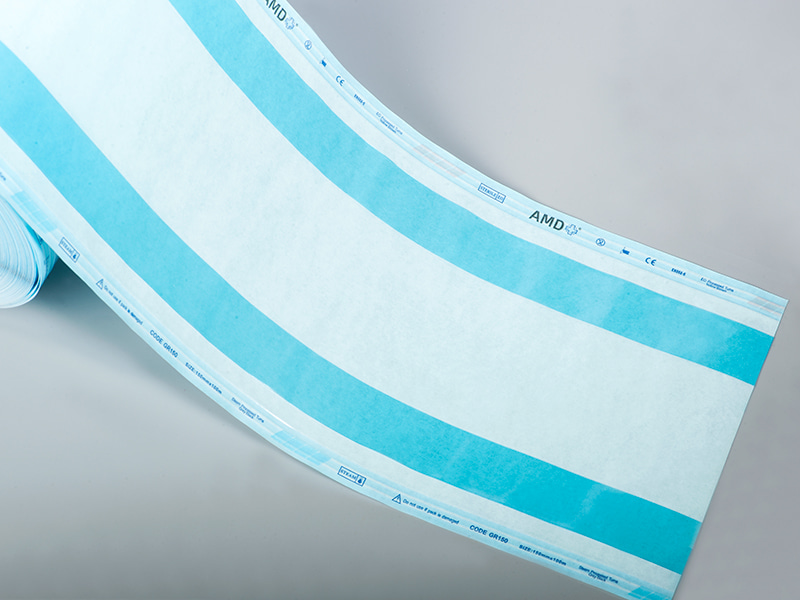
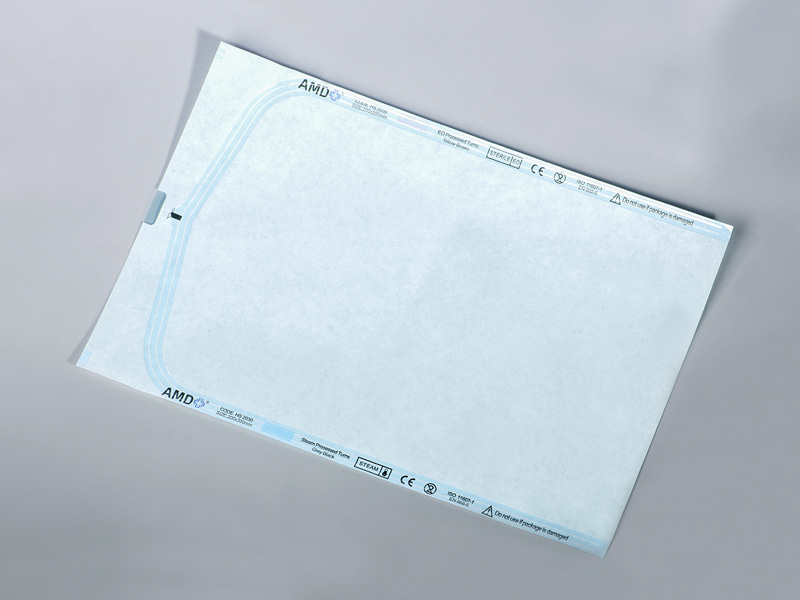
A flat sterilization roll is a continuous strip of packaging material designed to be cut and sealed according to need. It usually comes in a roll form, with two layers that can be sealed together to create a pouch.
The key idea is flexibility. Instead of relying on pre-sized packaging, users create their own pouch length. This allows one roll to serve many different instrument sizes.
The material itself is designed to act as a sterile barrier after processing. At the same time, it allows sterilizing agents to pass through during the cycle. That balance between permeability and protection is central to its function.
Unlike rigid containers or pre-formed pouches, flat rolls do not impose a fixed shape. They adapt to the item being packed.
Why are flat sterilization rolls widely used in medical packaging?
Flat rolls are hugely popular in medical packaging because they fit perfectly with daily clinical work habits.
Medical tools come in all sorts of sizes and shapes. Some are long and slim, while small instruments also need enough room to keep from touching each other. Using fixed-specification sterilization bags for all items is really inefficient.
With flat rolls, staff can cut them to any length as needed. This means hospitals don't have to keep lots of different sized packaging in stock, and there won't be too much empty space inside sealed packs.
They also help keep work running smoothly. When packaging requirements change during work hours, workers can adjust right away without switching to other packaging types. They just cut the roll into different lengths directly.
This flexible way of use works extremely well for places that need to pack various medical supplies all the time.
How are flat sterilization rolls used during the packaging process?
The process is simple in structure but requires attention in execution.
A section of the roll is cut to the required length. One end is sealed to form the base. The instrument is placed inside, with enough space to avoid pressure against the seal. The open end is then sealed to close the package.
After sealing, the package moves into sterilization. Once the cycle is complete, it is stored until use.
Each step depends on consistency. The cut must be clean. The seal must be even. The space inside must allow proper exposure during sterilization.
Flat rolls do not simplify the process by reducing steps. They shift control toward the user, making precision part of routine handling.
What types of items are typically packaged with flat sterilization rolls?
Flat rolls are used across a wide range of items, especially where size variation is common.
They are often chosen for:
- Long instruments that do not fit standard pouches
- Sets of small tools grouped together
- Items with irregular shapes that require flexible spacing
- Instruments prepared in low to medium volume settings
- Situations where packaging size changes frequently
Their use is not limited to one type of facility. They appear in hospitals, clinics, laboratories, and smaller treatment environments.
The common factor is variability. Wherever items differ in size or arrangement, flat rolls tend to find a place.
How do flat sterilization rolls support different sterilization methods?
Sterilization methods vary in how they interact with packaging.
Some rely on heat and moisture. Others depend on gas or controlled environments. Packaging must allow the sterilizing agent to reach the contents while still forming a barrier afterward.
Flat rolls are designed with this balance in mind. The material allows controlled passage during the sterilization phase. Afterward, it helps maintain separation between the sterile interior and the external environment.
This dual function is not unique to flat rolls, but the format adds another layer of adaptability. Since the pouch size is user-defined, spacing inside can be adjusted to suit the method being used.
In practice, this means the same roll can be used across different processes, as long as handling remains consistent.
What are the practical advantages in daily workflow?
The benefits of flat sterilization rolls often appear in small, repeated actions rather than single large changes.
One noticeable advantage is inventory simplification. Instead of storing many pouch sizes, fewer roll types may cover a wider range of needs.
Another is space efficiency. Packaging can be sized closer to the instrument, reducing unused volume. This affects storage and transport, especially when many items are processed together.
There is also a rhythm to using rolls. Once staff become familiar with cutting and sealing, the process becomes predictable. Adjustments are made on the spot rather than planned in advance.
These advantages are not dramatic on their own. Over time, they influence how smoothly a workflow runs.
Are there limitations or challenges when using flat sterilization rolls?
Flexibility introduces its own demands.
Since the user defines the pouch size, mistakes in cutting or sealing can occur. A pouch that is too short may place stress on the seal. One that is too long may waste material or reduce handling efficiency.
Sealing consistency also matters. Uneven seals can affect the integrity of the package. This requires attention to equipment settings and handling technique.
Training becomes part of the process. Staff need to develop a sense of how much space to leave, how to position items, and how to check seals visually.
In environments with high turnover or frequent staff changes, maintaining this consistency can be a challenge.
Flat rolls do not remove responsibility from the user. They redistribute it.
How do flat sterilization rolls compare with pre-formed pouches?
The comparison often comes down to flexibility versus predictability.
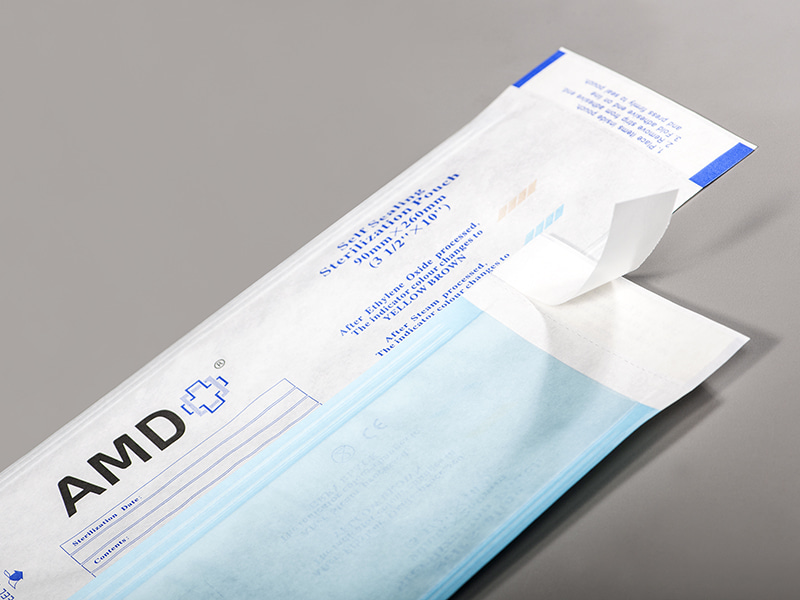
Pre-formed pouches offer fixed sizes. They are easy to use and require less adjustment. The user selects a size, inserts the item, and seals it.
Flat rolls require more steps but offer more control. The user creates the pouch rather than selecting it.
The difference can be seen in daily use:
| Aspect | Flat Sterilization Roll | Pre-Formed Pouch |
|---|---|---|
| Size flexibility | Adjustable length | Fixed dimensions |
| Preparation time | Slightly longer | Shorter |
| Inventory variety | Reduced need for multiple sizes | Requires multiple sizes |
| User control | High | Moderate |
| Consistency | Depends on handling | More uniform |
Neither format replaces the other completely. Many facilities use both, depending on the situation.
What role do flat sterilization rolls play in storage and transport?
After sterilization, packaging enters a different phase. The focus shifts from exposure to protection.
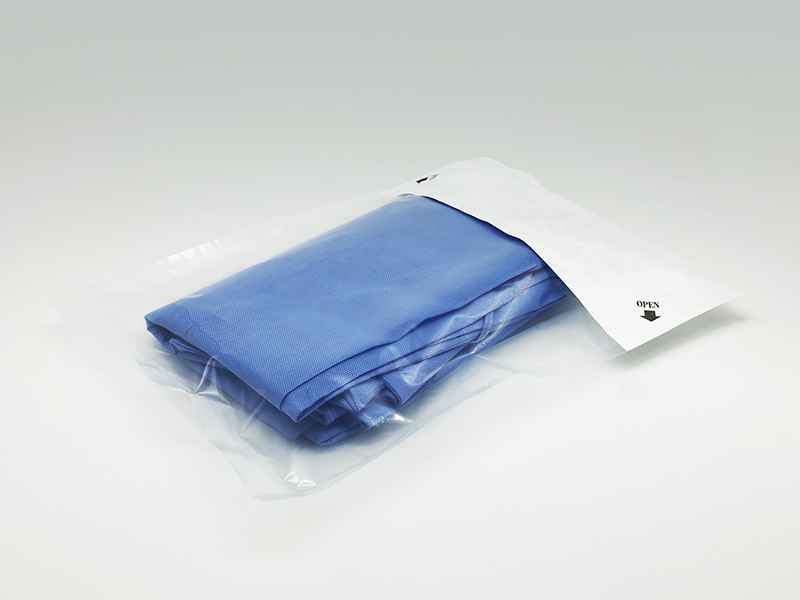
Flat roll packaging, once sealed, behaves like any sterile pouch. It must maintain integrity during storage and movement.
Because the size is adjustable, packages can be made to fit more closely around the contents. This can reduce shifting inside the pouch during transport.
At the same time, the material must withstand stacking, handling, and environmental changes. The performance here depends not only on the material but also on how the pouch was prepared.
A well-sized and properly sealed pouch tends to remain stable. Poor sizing or sealing can create weak points that become visible later.
How does user preference influence adoption?
Material performance is only part of the picture. User comfort plays a role that is sometimes overlooked.
Staff who are used to pre-formed pouches may find flat rolls slower at first. The need to cut and seal adds steps. Over time, this often changes as familiarity grows.
Some users prefer the control that comes with adjustable sizing. Others prefer the simplicity of fixed formats.
These preferences are shaped by routine. Once a method becomes part of daily work, it tends to remain in place unless a clear reason for change appears.
Adoption is rarely immediate. It develops through repeated use and gradual adjustment.
Why are flat sterilization rolls becoming more visible in discussions about medical packaging?
The growing attention around flat rolls reflects broader changes in how packaging is viewed.
Packaging is no longer seen as a passive layer. It is part of workflow design. It influences efficiency, storage, and handling consistency.
Flat rolls fit into this shift because they offer a level of adaptability that fixed formats cannot provide on their own.
As healthcare environments become more varied in their operations, materials that can adjust without requiring constant inventory changes become more noticeable.
This does not mean they replace other formats. It means they occupy a role that aligns with changing expectations.
What should be observed when using flat sterilization rolls in practice?
Observation often reveals more than guidelines.
How much space is left inside the pouch. How evenly the seal forms. How the package behaves after sterilization. How it looks after storage.
These details shape daily confidence in the material.
Over time, patterns appear. Certain sizes are used more often. Certain handling habits to better consistency. Adjustments become part of routine rather than formal instruction.
Flat sterilization rolls do not change the purpose of sterile packaging. They change how that purpose is carried out in practice.
 ‘s-Gravenweg 542, 3065SG RotterdamThe Netherlands
 +31 (0)10 254 28 08