
 English
 Français
 Deutsch
 Nederlands
Content
- 1 Why are sterilisation rolls widely used in medical packaging work?
- 2 How do sterilisation rolls function during packaging preparation?
- 3 What makes sterilisation rolls practical in daily medical use?
- 4 How does sealing influence packaging safety and reliability?
- 5 Why does material behavior matter during sterilisation?
- 6 How do sterilisation rolls support inspection and workflow efficiency?
- 7 What problems appear when packaging consistency is not stable?
- 8 How does sterilisation roll usage fit into modern packaging routines?
- 9 How does long-term storage rely on packaging stability?
Why are sterilisation rolls widely used in medical packaging work?
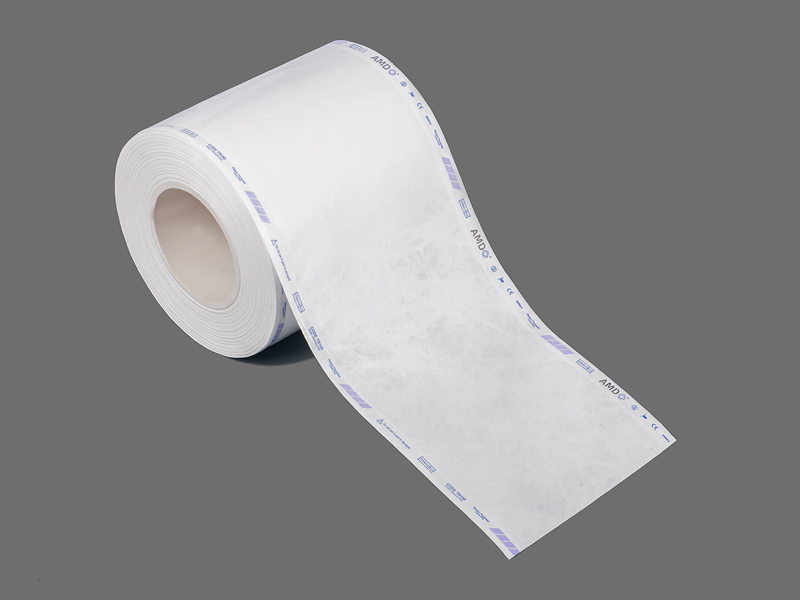
In medical packaging environments, sterilisation rolls are usually treated as a basic but important material. They are not complex in appearance, yet they appear in many daily packaging routines.
The reason is simple. Medical instruments need protection after cleaning and before use. That middle stage is where packaging becomes meaningful.
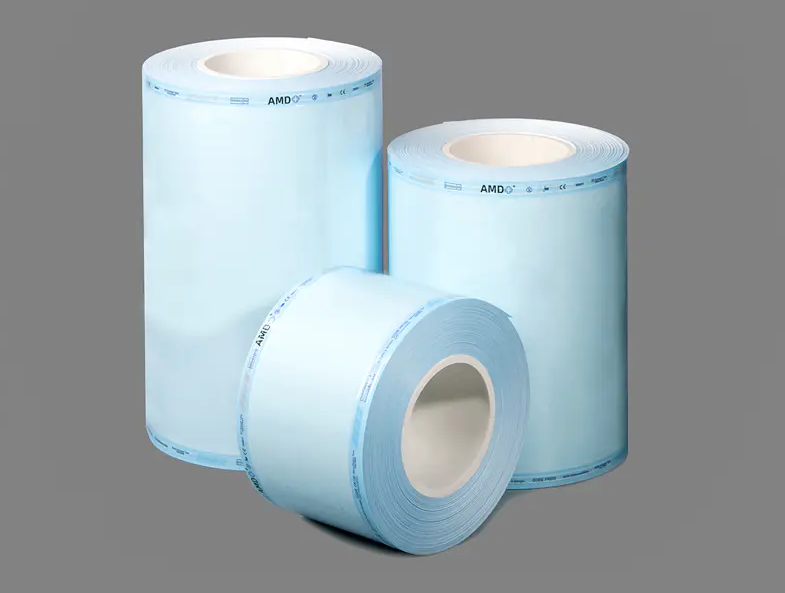
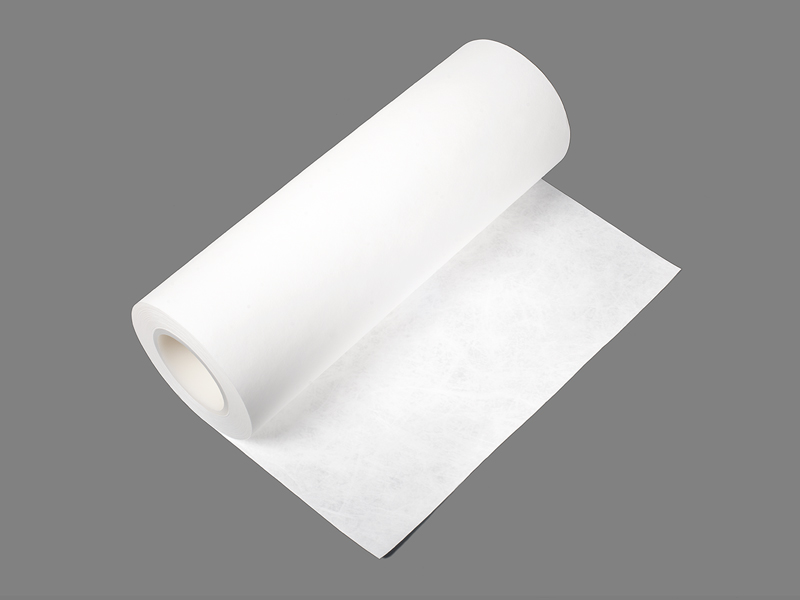
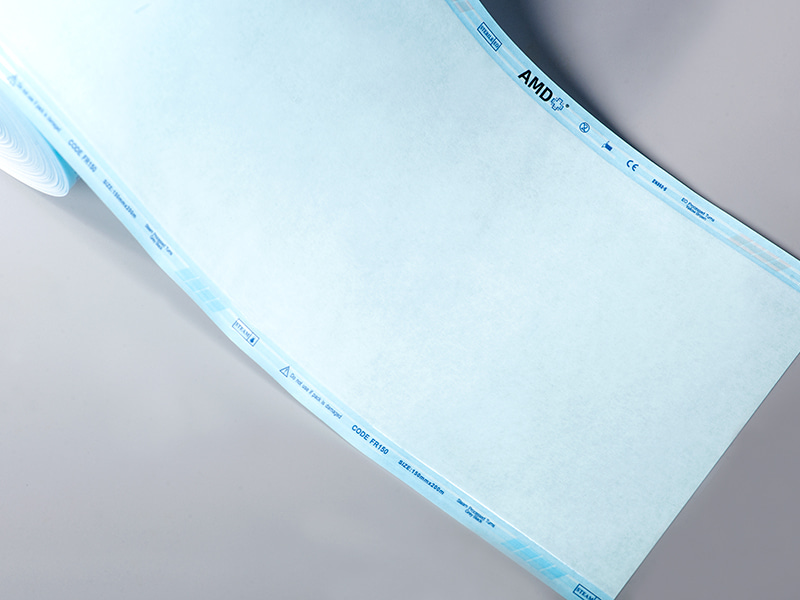
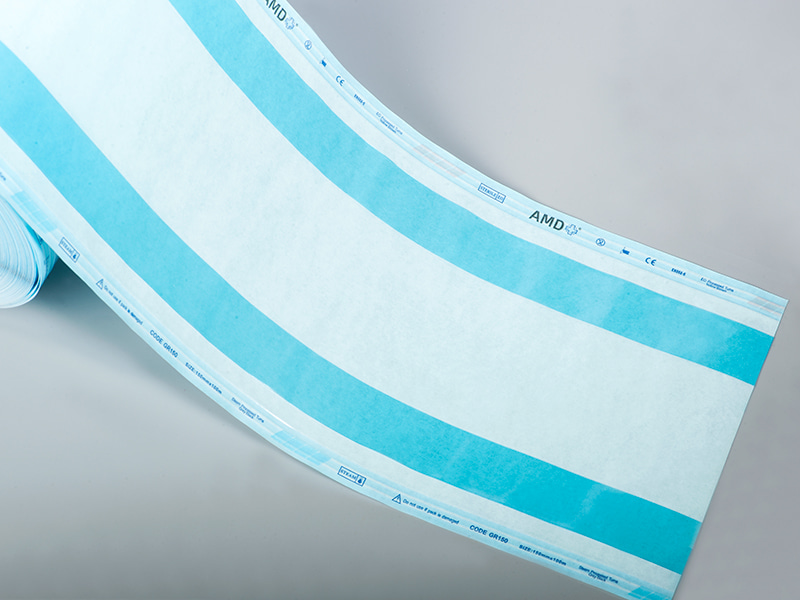
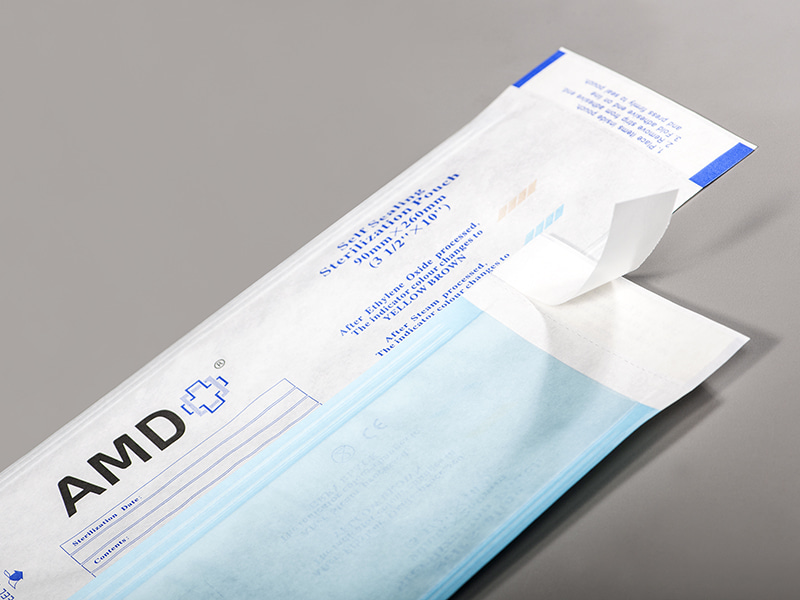
Rolls provide a flexible way to create sealed packaging without relying on fixed container sizes. One roll can be adjusted into many shapes depending on the instrument.
In practice, this flexibility matters more than it seems. Medical tools are not uniform. Some are small and compact. Others are long or irregular. A single packaging format that can adapt reduces unnecessary switching between materials.
So, instead of being a secondary option, rolls often become part of the standard workflow.
How do sterilisation rolls function during packaging preparation?
The process usually starts with cutting and forming the roll into a suitable length. Instruments are placed inside, then the edges are sealed.
Nothing complicated on the surface, but timing and order matter here.
Once sealed, the package enters the sterilisation stage. At this point, the material acts like a controlled barrier. It holds the instrument inside while still allowing the sterilisation process to take place.
After that, the package remains closed until the moment it is needed.
A simple flow looks like this:
| Step | What happens in practice |
|---|---|
| Preparation | Roll is cut and shaped |
| Loading | Instruments are placed inside |
| Sealing | Edges are closed and fixed |
| Processing | Sterilisation takes place |
| Storage | Package remains untouched |
| Opening | Used at point of care |
Each step depends on the previous one. If one part is unstable, the rest is affected.
What makes sterilisation rolls practical in daily medical use?
In real working environments, practicality often matters more than design theory.
Sterilisation rolls are practical because they do not require multiple packaging types. One material can serve different instrument sizes.
They also support quick preparation. Staff do not need to match every instrument with a specific container. The same roll can be adjusted on demand.
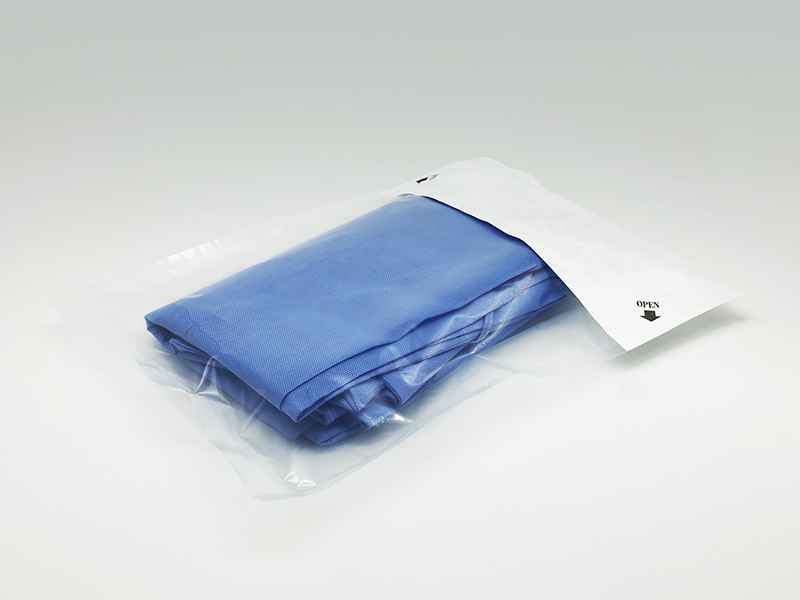
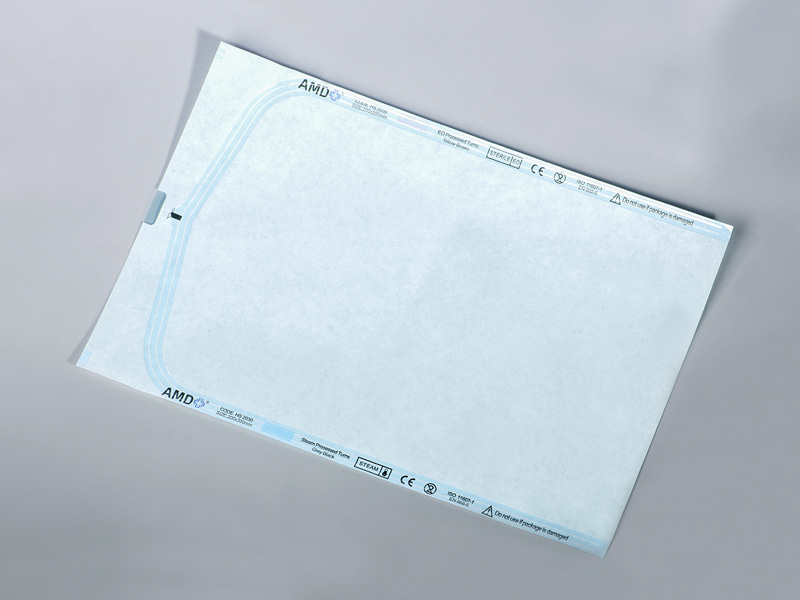
Another point is visibility. Many rolls allow a level of transparency that helps staff identify contents without opening the package. This reduces unnecessary handling.
In busy environments, small time savings like this add up across repeated tasks.
How does sealing influence packaging safety and reliability?
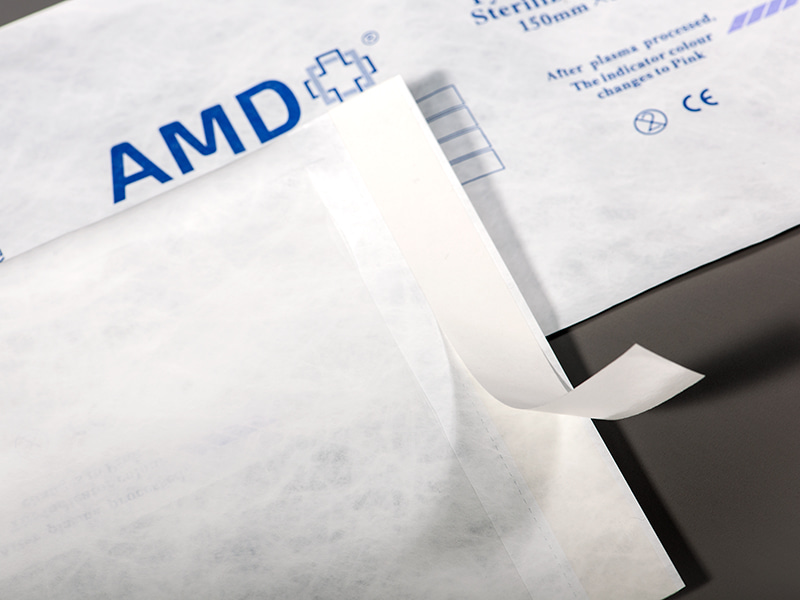
Sealing is one of the important steps in sterilisation roll usage. It defines whether the packaging can maintain its internal condition throughout the entire process.
A properly sealed package prevents external contact after preparation. This helps maintain the controlled environment created during packaging.
If sealing is inconsistent, the protective function of the material can be affected. Even small gaps may to unwanted exposure during handling or storage.
Sealing also plays a role during sterilisation processing. The package must remain closed while still supporting controlled internal conditions.
In practical use, sealing acts as a structural boundary. It separates internal content from external influence until the moment of use.
When sealing is stable, the rest of the packaging process becomes more predictable. This supports smoother workflow in medical environments where timing and reliability matter.
Why does material behavior matter during sterilisation?
Sterilisation rolls are not passive materials. They react to pressure, temperature changes, and handling during use.
If the material is too stiff, it becomes difficult to form. If it is too soft, it may not hold structure during sealing.
So the balance is important.
During sterilisation, the material also needs to maintain separation between internal and external environments. This is not something visible during normal handling, but it becomes critical during processing.
In real-world settings, material behavior is often noticed only when something goes wrong. That is why stable material design is valued in practice.
How do sterilisation rolls support inspection and workflow efficiency?
In medical environments, time and clarity are important. Rolls support both by allowing visual inspection without breaking the packaging.
This visibility helps staff quickly identify packaged instruments. It reduces the need for unnecessary opening and re-sealing, which can interrupt workflow.
In environments where multiple items are processed at once, visibility also supports organization. Packages can be sorted and checked without disturbing their internal condition.
Workflow efficiency is also influenced by how easily materials can be handled. Rolls can be cut and formed based on requirement, which reduces preparation complexity.
Instead of managing multiple packaging formats, a single adaptable material can support different needs. This simplifies inventory handling and reduces variation in preparation steps.
Over time, these small efficiencies contribute to smoother daily operations in medical packaging environments.
What problems appear when packaging consistency is not stable?
When packaging materials behave inconsistently, issues usually appear gradually.
At first, it may be small sealing differences. Later, storage conditions may feel less predictable. Sometimes handling becomes slightly more difficult.
These are not dramatic failures, but they affect workflow over time.
Another common issue is variation in appearance. When packages do not look consistent, inspection takes longer. More attention is needed just to confirm condition.
In environments where repetition is high, even small inconsistencies become noticeable.
How does sterilisation roll usage fit into modern packaging routines?
Modern medical packaging tends to follow repeatable patterns. Tasks are structured, and steps are clearly defined.
Rolls fit into this pattern because they do not require frequent changes in format.
They act as a flexible base material that can be shaped as needed. This reduces the need for multiple packaging systems.
Over time, this simplifies workflow design. Instead of managing many packaging types, one adaptable system can cover different needs.
It also makes training easier. New staff can learn a single method and apply it across different instruments.
How does long-term storage rely on packaging stability?
After sterilisation, instruments are often stored for a period of time before use.
During this stage, packaging stability becomes important again. The sealed condition must remain unchanged.
Rolls support this by maintaining structure after sealing. As long as the seal remains intact, the internal condition is preserved.
Storage environments may vary, but packaging is expected to act as a constant layer of protection.
In this sense, sterilisation rolls are not only for processing. They are also part of long-term preservation within the workflow.
 ‘s-Gravenweg 542, 3065SG RotterdamThe Netherlands
 +31 (0)10 254 28 08