
 English
 Français
 Deutsch
 Nederlands
Sterile packaging often sits in the background of healthcare and laboratory work. It is rarely noticed until something goes wrong. Yet it quietly shapes how instruments are protected, moved, and opened.
Two materials often appear in this space: Tyvek sterilization roll and medical paper packaging. They can look like simple packaging choices at glance. In daily use, they behave quite differently. Those differences influence handling habits, storage routines, and even workflow speed.
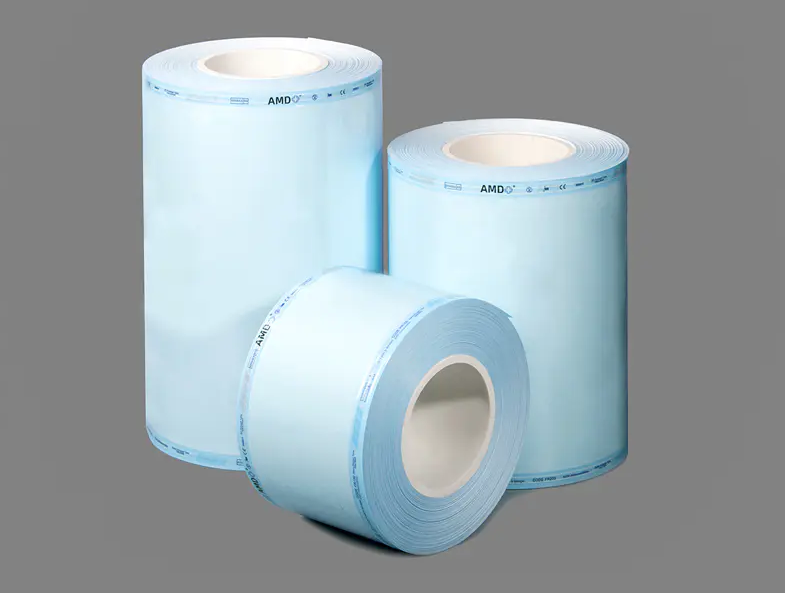
The discussion around them is not new, but the way they are evaluated has started to shift. Instead of focusing on a single property, attention is moving toward how they perform across the whole lifecycle of use.
Content
- 1 What is actually different in the material structure?
- 2 Why does moisture behavior matter more than expected?
- 3 How do they behave during sealing and opening?
- 4 What happens when packaging is handled multiple times?
- 5 Tyvek vs Medical Paper: practical differences in daily use
- 6 Why do sterilization processes influence material choice?
- 7 How does storage time change the perception of performance?
- 8 What changes in workflow when switching materials?
- 9 Can one material fully replace the other in practice?
- 10 What is driving the shift in how these materials are evaluated?
- 11 What should be observed when making a choice?
What is actually different in the material structure?
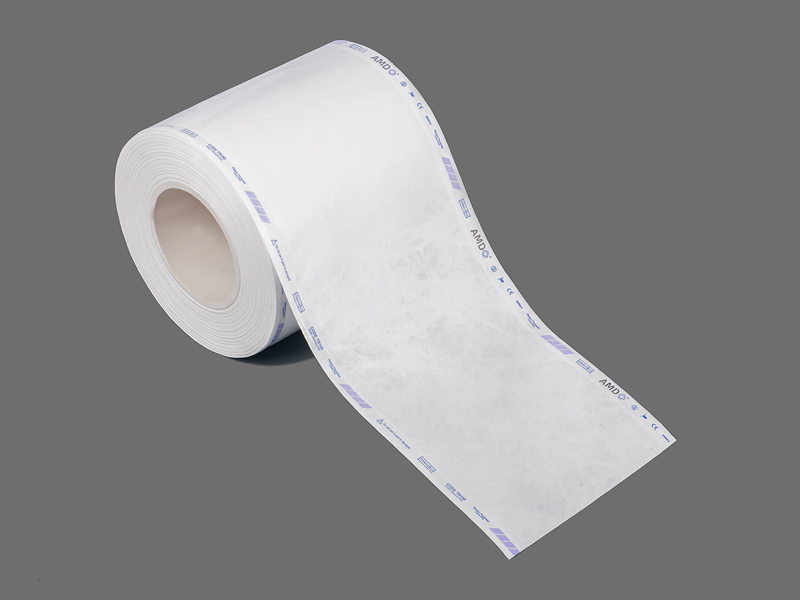
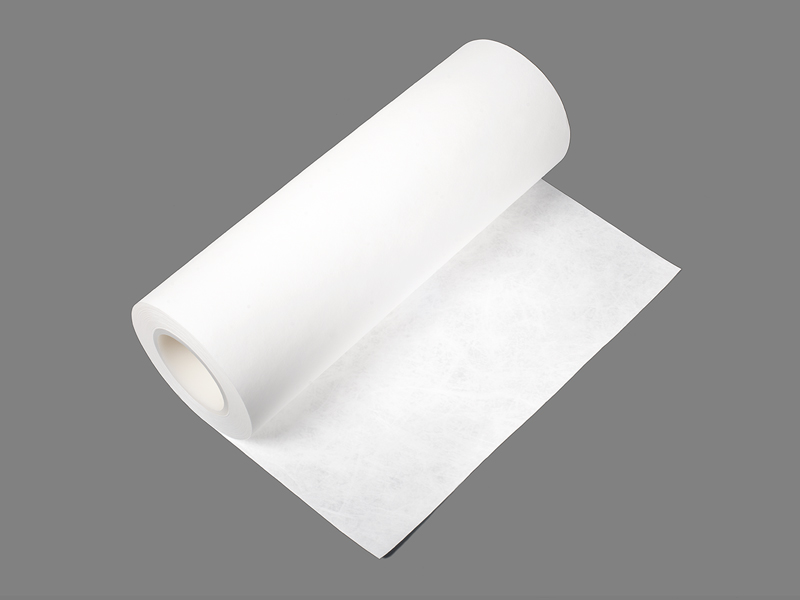
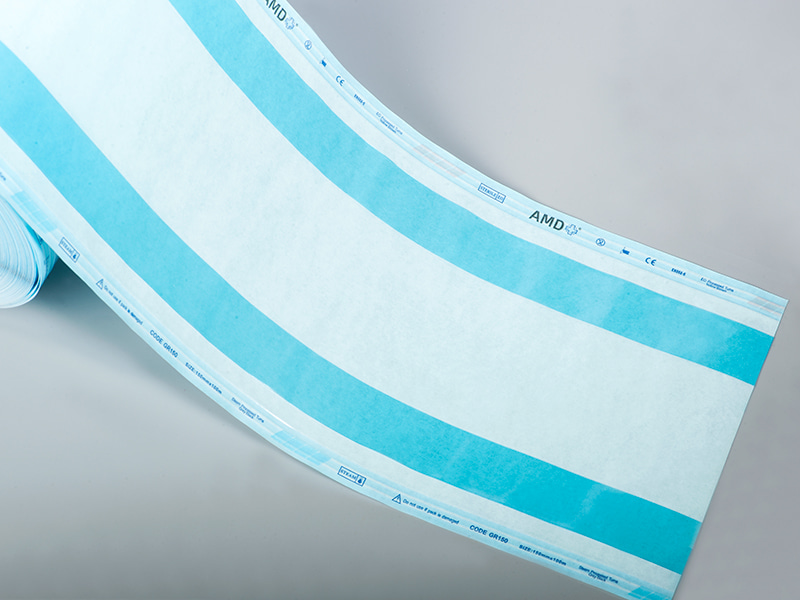
Tyvek sterilization rolls are made from continuous synthetic fibers pressed into a tight sheet. The structure is uniform, without the loose fiber network seen in traditional paper. That gives it a more stable surface during cutting, sealing, and opening.
In handling, it feels slightly firm. It does not crease as easily, and it tends to keep its shape even after repeated movement.
Medical paper packaging is based on cellulose fibers. The structure is more open. Air and sterilizing agents pass through easily, which is part of its function. It also folds without resistance, which makes it convenient in standard packing routines.
The trade-off is in durability. The fiber network can weaken under repeated stress or rough handling. It does not always show immediate damage, but small changes can appear over time.
Why does moisture behavior matter more than expected?
Moisture is one of those factors that is easy to overlook until it becomes a problem.
Tyvek material does not absorb liquid in the same way paper does. When exposed to humidity or accidental contact with water, it tends to resist penetration for a longer time. The surface stays more stable under short-term exposure.
Medical paper behaves differently. It absorbs moisture more quickly, which can change its stiffness and surface strength. In controlled environments, this is manageable. In variable conditions, it becomes a factor that needs attention.
This difference is often felt during transport or storage, especially when packaging is moved between areas with different humidity levels.
How do they behave during sealing and opening?
Sealing is where small differences become noticeable.
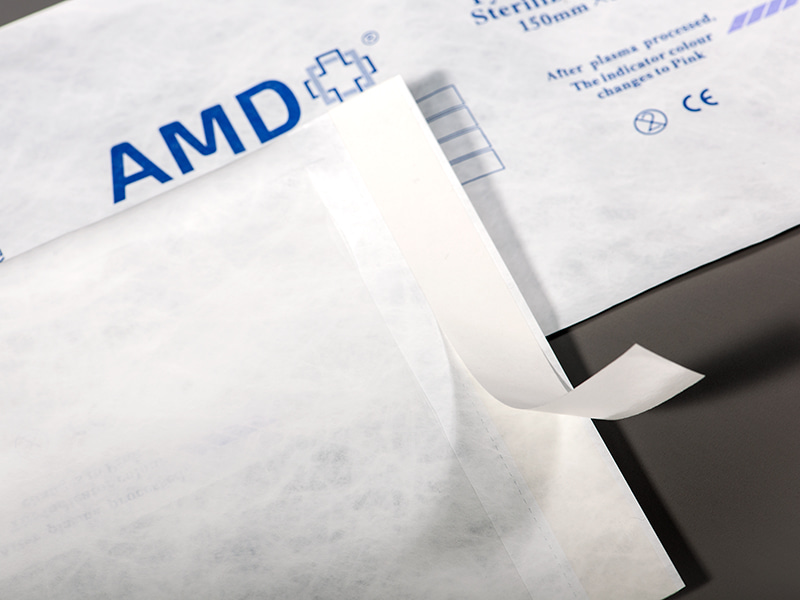
Tyvek sterilization rolls hold tension well during sealing. The surface does not stretch much, so the seal line tends to stay consistent when the process is controlled properly. When opened, it separates cleanly along the intended line without excessive fiber pull.
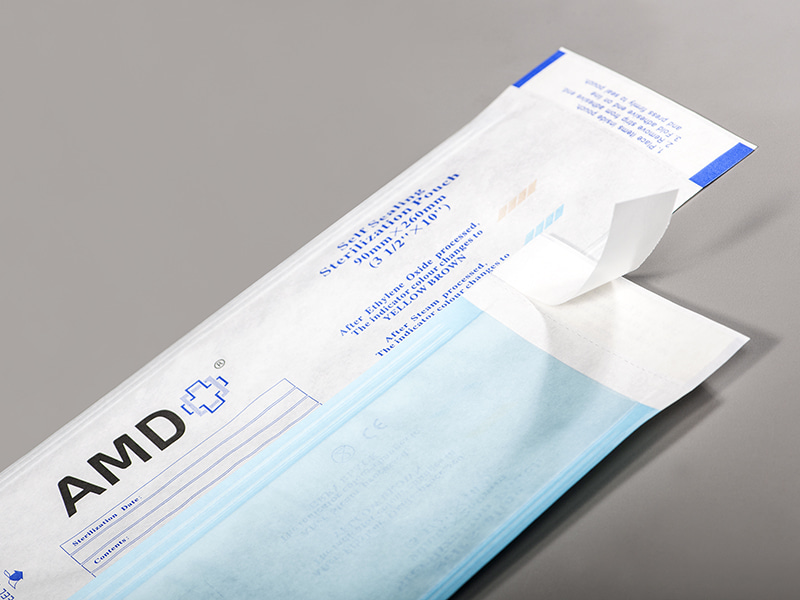
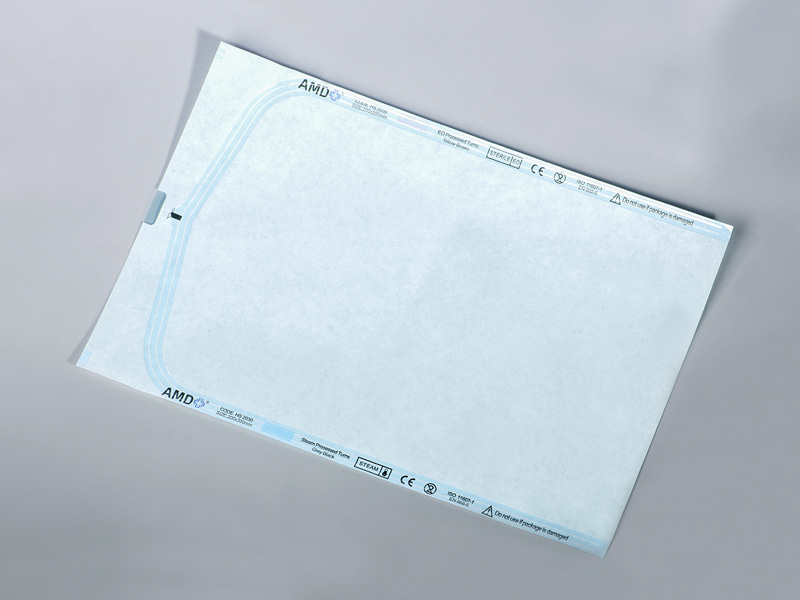
Medical paper packaging is softer. It adapts easily to sealing equipment and folds naturally around instruments. Opening is smooth when conditions are right, but repeated handling can sometimes find to slight fiber tearing along edges.
These differences may not matter in a single use case. Over repeated cycles, they can affect user preference.
What happens when packaging is handled multiple times?
Sterile packaging does not stay untouched after sterilization. It is usually moved, stacked, labeled, checked, and transported before use.
Tyvek rolls tend to handle repeated contact with less visible wear. The surface remains relatively unchanged even when it is pressed or rubbed during handling.
Medical paper shows changes more easily. Edges can soften, and surface fibers may shift under friction. It still functions within its intended purpose, but the visual appearance can change earlier.
In environments where packages are frequently rechecked or relocated, this becomes more noticeable.
Tyvek vs Medical Paper: practical differences in daily use
| Aspect | Tyvek Sterilization Roll | Medical Paper Packaging |
|---|---|---|
| Surface feel | Firm, stable | Soft, flexible |
| Response to bending | Holds shape | Folds easily |
| Moisture reaction | Slower absorption | Faster absorption |
| Handling wear | Lower visible change | More visible fiber changes |
| Cutting format | Roll-based, adjustable length | Pre-formed sheets or pouches |
| Opening behavior | Clean separation | Smooth but more fiber-sensitive |
| Storage behavior | Stable under variable conditions | Better in controlled environments |
This comparison is not about superiority. It reflects how each material reacts differently to real working conditions.
Why do sterilization processes influence material choice?
Sterilization is not a single step. It is a cycle that includes exposure, cooling, drying, and storage. Each stage places different stress on packaging.
Some processes introduce moisture, while others rely on gas penetration or heat exposure. Materials respond differently depending on how they are structured.
Tyvek maintains stability when conditions shift quickly between moisture and drying phases. It tends to hold its barrier function without noticeable distortion.
Medical paper performs well when conditions are steady. When cycles remain predictable, it fits comfortably into routine use.
Because of this, selection is often tied more to process consistency than to a single technical factor.
How does storage time change the perception of performance?
Storage is where packaging either stays stable or begins to show subtle change.
Tyvek packaging tends to remain visually consistent over time. Even after long storage, it usually keeps its structure without significant surface change.
Medical paper can gradually shift in appearance. Depending on humidity and stacking pressure, it may show slight waviness or softening at edges.
These changes do not always affect functionality, but they can influence how users judge reliability during inspection.
In environments with long storage cycles, these visual cues often matter more than expected.
What changes in workflow when switching materials?
Switching between Tyvek rolls and medical paper packaging is not just about swapping materials. It often affects small habits in daily work.
With Tyvek rolls, teams may adjust how they cut packaging lengths. Instead of fixed sizes, they work with continuous material. This can reduce dependence on multiple pouch sizes but requires more attention during sealing.
Medical paper packaging fits more easily into established routines. Pre-formed formats reduce preparation steps, and handling feels familiar to many users.
Over time, teams often adapt their workflow around whichever material they use more frequently, even without formal changes in procedure.
Can one material fully replace the other in practice?
In real settings, replacement is not absolute.
Tyvek rolls are often chosen where handling conditions vary or where extra physical stability is needed. Medical paper remains common in controlled environments with stable storage and predictable workflows.
Both materials continue to exist side by side because they solve slightly different problems.
Cost, training habits, and equipment compatibility also play a role, but day-to-day performance tends to carry more weight than any single factor.
What is driving the shift in how these materials are evaluated?
The way sterile packaging is judged has become more practical over time. Instead of focusing only on material categories, attention has moved toward how packaging behaves in real movement.
Small details now matter more. How easily it tears under handling. How it responds to humidity changes. How consistent it feels during sealing.
There is also a stronger focus on workflow continuity. Interruptions caused by packaging issues can slow down entire processes, so stability across all stages has become more relevant.
As a result, comparisons between Tyvek sterilization rolls and medical paper packaging are less about labeling and more about observing behavior in use.
What should be observed when making a choice?
In real environments, decisions tend to form around repeated observation rather than single tests.
How often the packaging is moved. How long it stays in storage. How stable the environment is. How familiar staff are with the material.
These small details build up over time and influence which material feels more suitable in practice.
Both Tyvek sterilization rolls and medical paper packaging remain part of the same system. They simply respond differently to the conditions around them.
 ‘s-Gravenweg 542, 3065SG RotterdamThe Netherlands
 +31 (0)10 254 28 08