

 English
 Français
 Deutsch
 Nederlands
Choosing the right packaging for instrument sterilization is more than a procurement detail — it shapes workflow, storage, and the way instruments are handled after processing. Manufacturers such as Hopeway AMD offer both flat and gusseted sterilization reels; each format brings distinct trade-offs that matter for clinics, dental offices, central sterile departments, and laboratories.
Content
- 1 What are flat rolls and gusseted rolls?
- 2 Instrument fit and packaging flexibility
- 3 Sealing, sterility assurance and compatibility
- 4 What kinds of indicators are used on gusseted rolls?
- 5 What printed indicators on gusseted rolls typically signal
- 6 Workflow and efficiency
- 7 Storage and inventory considerations
- 8 Visibility, identification and traceability
- 9 Practical placement and readability on gusseted rolls
- 10 Environmental and cost aspects
- 11 Limitations and the role of BIs
What are flat rolls and gusseted rolls?
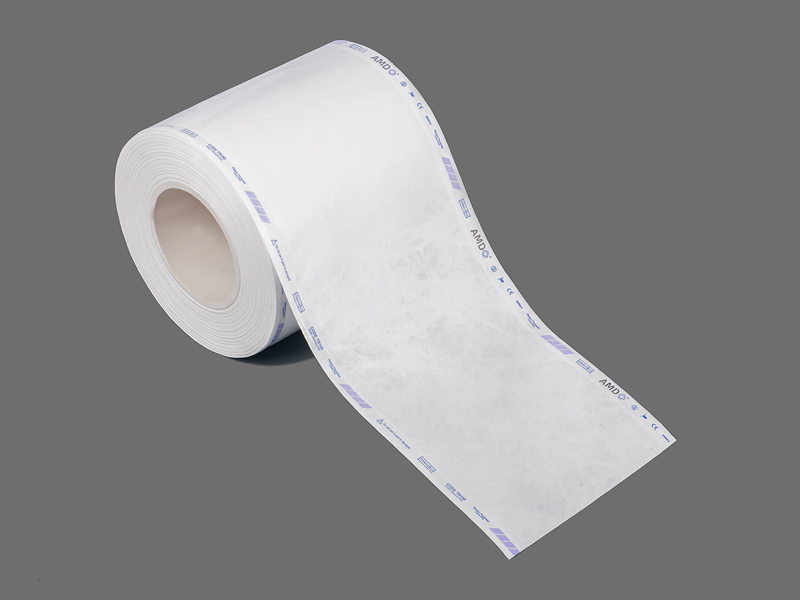
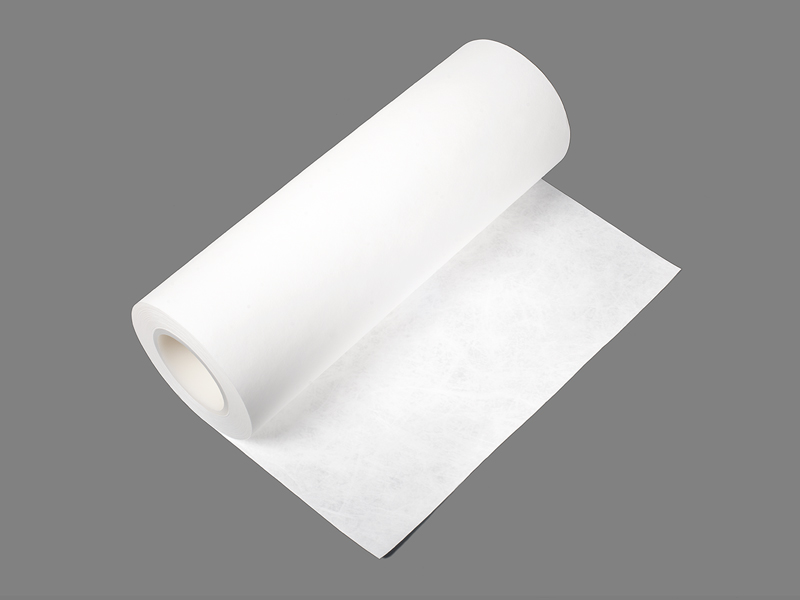
Flat reels are essentially a single-layered or composite film laminated to medical-grade paper, produced so that pouches can be cut to length and sealed along one edge; they work well for flat or relatively slender instruments. Gusseted reels incorporate folded side panels (gussets) that expand when filled, creating extra internal volume for bulkier or three-dimensional sets. Both types are designed to allow sterilant penetration and to form a sterile barrier after proper sealing.
Instrument fit and packaging flexibility
If instruments are consistently slim or planar — think trays of flat tools or small single instruments — flat reels are straightforward and efficient. They let staff cut exactly the length required and seal, which reduces material waste when sizes are predictable. By contrast, gusseted reels are expressly useful where items are stereoscopic or variable in thickness: scissors with finger rings, bulky handpieces, and assembled sets that would otherwise require awkward folding or multiple packages. Because gussets expand, they reduce the need to oversize a package to accommodate depth, saving time and lowering the chance of improper folding.
| Feature | Flat Rolls | Gusseted Rolls |
| Design | Simple, two-dimensional, no expandable sides. | Features pleated, expandable material on the sides (gussets). |
| Capacity | Limited to low-profile, flat, and small-sized items. | Offers more volume and can hold bulkier, larger, or oddly shaped items (e.g., surgical drapes, larger instruments). |
| Application | Best for packaging instruments with a consistent, flat profile. | Ideal for items that require extra depth or dimension, ensuring a secure closure without stressing the seal. |
| Presentation | Provides a sleek, neat, and flat appearance. | Takes on a three-dimensional shape when filled, which can aid in product organization. |
| Material | Typically medical-grade paper on one side and clear film on the other, similar to gusseted rolls. | Uses the same high-quality materials (paper/film combo) designed to meet sterilization standards. |
Sealing, sterility assurance and compatibility
Both constructions are designed to be compatible with common sterilization modalities used in healthcare settings. Proper cutting and heat-sealing or validated self-seal methods are essential to create an intact sterile envelope. Manufacturers typically specify compatible sterilization cycles and provide guidance on sealing technique; following those instructions and performing routine seal-integrity checks helps maintain the sterile barrier regardless of roll type. In other words, the material choice matters, but correct process control matters more.
What kinds of indicators are used on gusseted rolls?
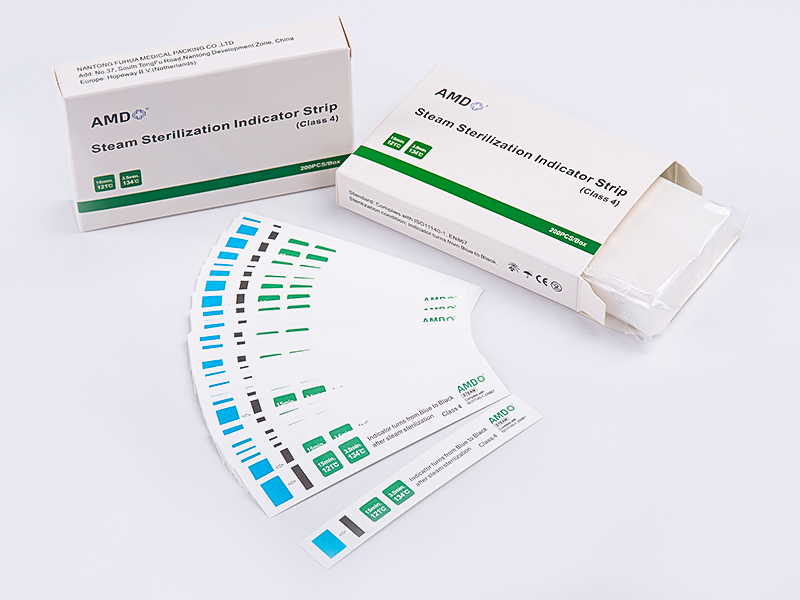
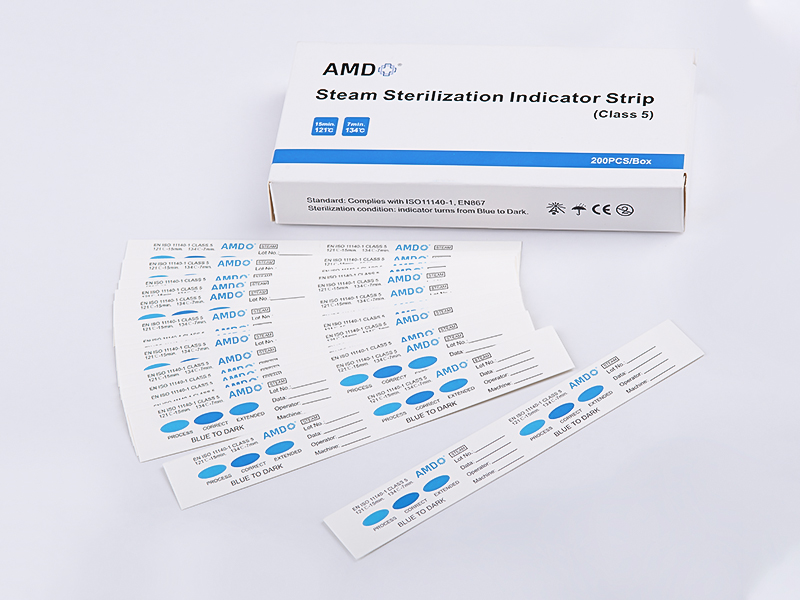
There are two broad categories: chemical indicators and biological indicators. Chemical indicators (CIs) are the familiar inks, stripes, or printed labels that change appearance when exposed to particular conditions such as temperature, steam, or gas. They come in several performance classes defined by international standards and are frequently integrated directly into pouch or roll material. Biological indicators (BIs), by contrast, are test systems that contain defined microorganisms; they are used as periodic verification to confirm that the sterilization process achieved microbial lethality. Both types have a role in a complete monitoring strategy, but they serve different purposes.
What printed indicators on gusseted rolls typically signal
When you see a darkened stripe, a changed symbol, or an embedded label on a gusseted roll, that mark often indicates that the package was exposed to the sterilizing agent and met one or more physical parameters (for example, temperature and time for steam). These visual cues are for sorting and preventing use of unprocessed units at a glance. However, it is important to remember that printed indicators are process indicators — they do not prove sterility, only exposure. For proof of microbial kill, biological indicators and validated process records remain necessary.
Workflow and efficiency
Flat reels often win on speed when a department packages many similarly shaped items: once the correct pouch length is established, packaging becomes a quick, repetitive task. However, when a caseload includes mixed instrument types or one-off bulky items, staff spend extra time manipulating instruments to fit into flat pouches or may need to create makeshift solutions that complicate handling. Gusseted reels can reduce handling steps for irregular shapes, cutting down on repackaging and saving technician time for other tasks. This balance between standardization and adaptability is a key operational consideration.
Storage and inventory considerations
Flat pouches and reels have a predictable footprint and can be stored compactly. Gusseted rolls, because they accommodate larger internal volumes, can improve inventory flexibility: a single stock keeping unit can cover multiple instrument profiles, potentially simplifying purchasing. On the flip side, if a facility uses almost exclusively flat items, holding gusseted stock may be an unnecessary expense. The aim should be to align inventory variety with the clinic's procedural mix to avoid overstocking.
Visibility, identification and traceability
Transparent film windows on many sterilization reels let technicians visually confirm contents without breaking a seal; clear view reduces processing errors and helps in tray assembly. Manufacturers also frequently include labeling areas for lot numbers, production dates, and expiry information to support traceability and regulatory compliance. Both flat and gusseted constructions commonly support these features, but teams should confirm label layout and readability before large orders.
Practical placement and readability on gusseted rolls
Manufacturers designing gusseted rolls typically place indicator stripes where they remain visible after a pouch is formed and sealed — often along the body or near the seam area. For gusseted formats, the folding must not obscure the mark; otherwise staff may misread results. Clear contrast, user-friendly symbols, and adequate space for handwritten or printed trace information (lot, date, operator) all contribute to safe use. Before large-scale adoption, facilities should confirm that the chosen roll layout preserves indicator visibility on the finished package.
Environmental and cost aspects
Material composition and multilayer construction influence both price and waste. Because flat reels can be used efficiently when sizes are consistent, they may minimize material consumption in high-volume, uniform settings. Conversely, gusseted reels can reduce the need for multiple pouch sizes and may cut down on rework — a different form of cost saving. Decision makers should evaluate total cost of use (materials, labor, storage, waste handling) rather than unit price alone.
Limitations and the role of BIs
No matter how dependable a printed stripe looks, it cannot replace biological monitoring. BIs remain the only means to measure the lethality of a sterilization cycle because they test whether the process killed highly resistant microorganisms under real conditions. Regulatory guidance and standards recommend combining routine CIs with periodic BIs and equipment validation to give both operational speed and scientific assurance. In short: chemical indicators help manage daily workflow and segregation, biological indicators support validation and quality confirmation.
Flat and gusseted sterilization reels each answer different operational questions. The right selection flows from instrument profiles, sterilization methods in use, packaging volume patterns, and workflow priorities. Hopeway AMD and other suppliers provide technical notes and product information that help sterile processing teams make informed choices; pairing that supplier guidance with a small in-house trial is often the fastest way to validate which format reduces handling time and maintains sterility in everyday practice.







 ‘s-Gravenweg 542, 3065SG RotterdamThe Netherlands
 +31 (0)10 254 28 08