
 English
 Français
 Deutsch
 Nederlands
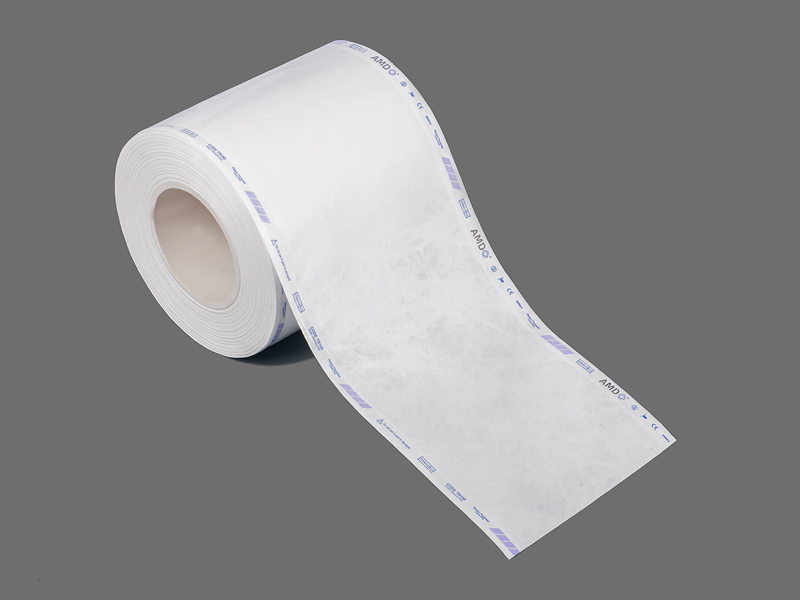
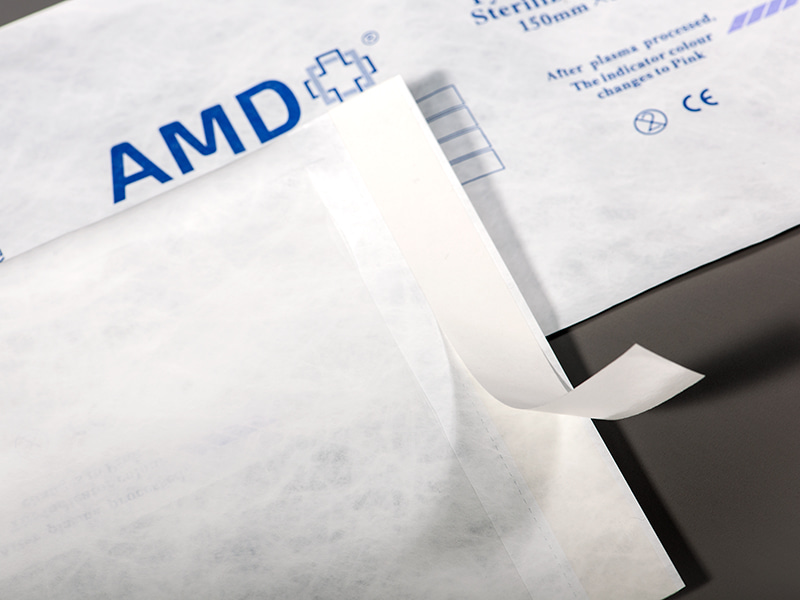
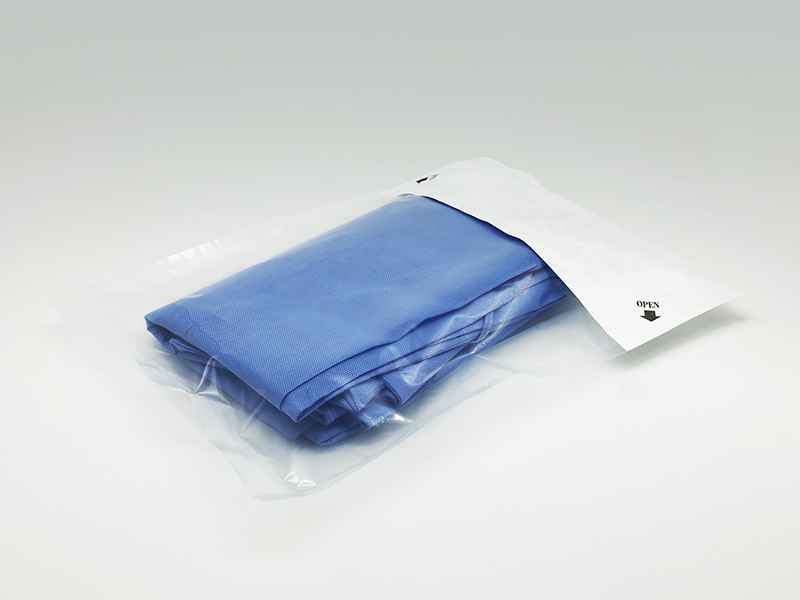
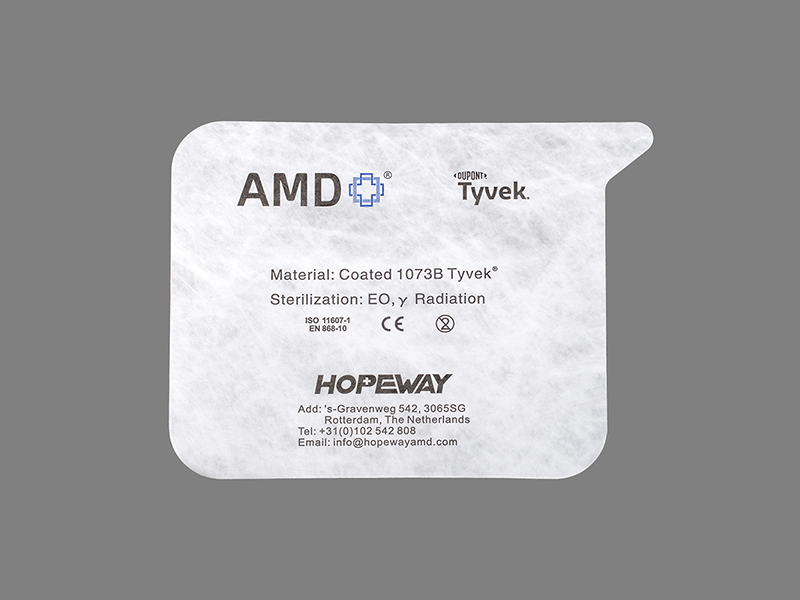
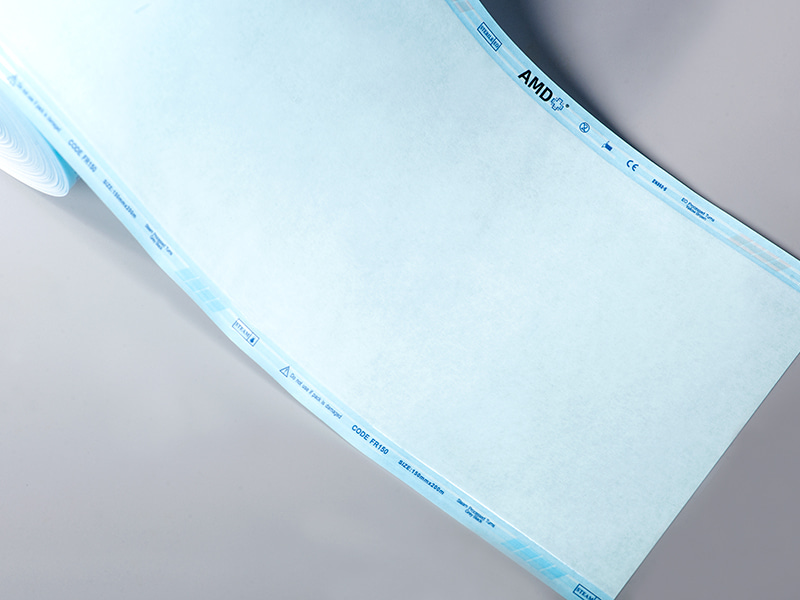
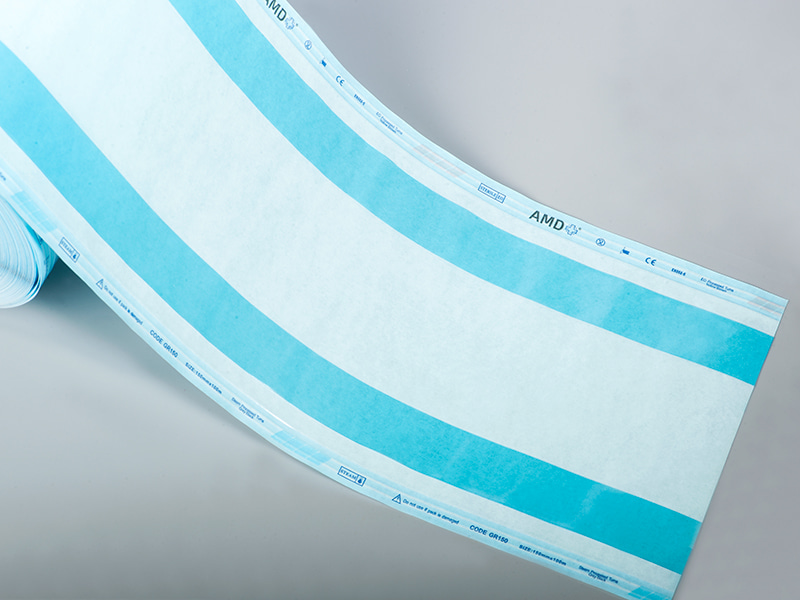
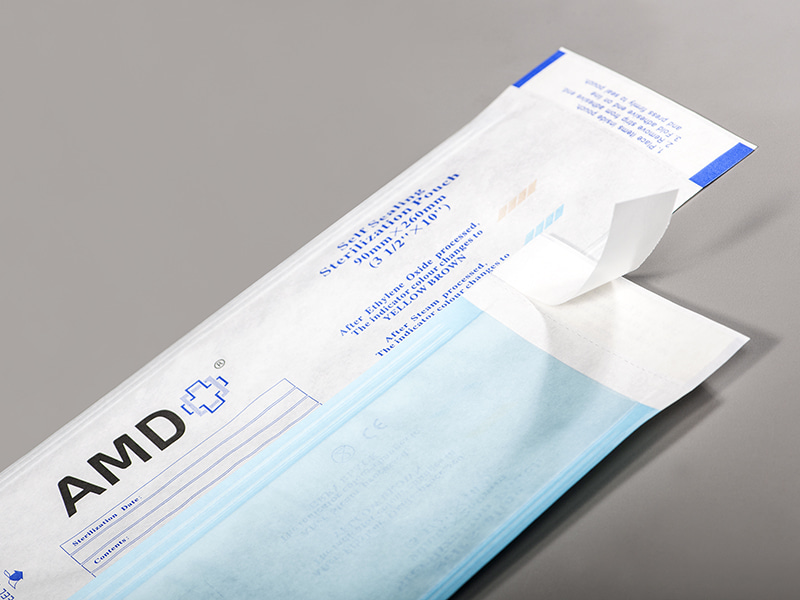
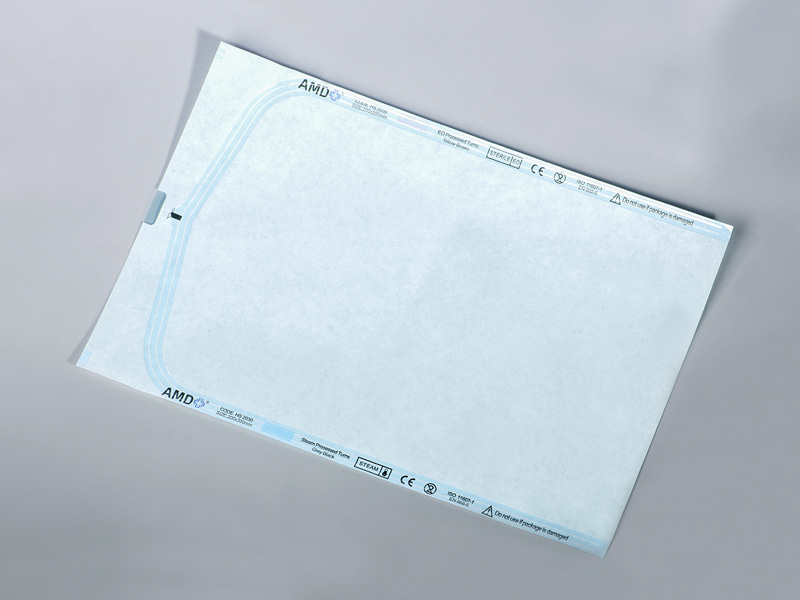
When packaging needs to balance protection, presentation, and practical handling, the Tyvek Header Bag from Hopeway AMD offers a thoughtfully considered option. Designed to meet common retail and distribution needs, this packaging solution pairs the recognized attributes of Tyvek material with a user-friendly header format. The result is a product that aims to address everyday challenges in storing, displaying, and transporting lightweight items while keeping regulatory and marketplace realities in mind.
At the heart of the Tyvek Header Bag is the Tyvek material itself. Known for its unique fiber structure, this material provides a combination of breathability and resistance to tearing that is useful for many applications. The header design adds a reinforced area for hanging or labeling, giving the bag practical display functionality without the use of heavy hardware. For businesses that require consistent presentation on hooks or slatwalls, the header can simplify merchandising and handling.
Another notable feature of Hopeway AMD's Tyvek Header Bag is its compatibility with printing and labeling. The surface accepts a range of common printing processes, which helps brands apply clear product information, barcodes, or branding elements. This readability can support inventory control and point-of-sale identification, making the bag suitable for environments where clear labeling matters. The header area also provides a convenient space for fastening tags or adhesive labels when additional information must be attached.
From a handling perspective, the Tyvek Header Bag is lightweight and foldable, which can reduce bulk during storage and transport before fill. Its flexibility makes it straightforward to insert small or irregularly shaped items, and the header offers a simple way to secure the top of the bag when used with standard binding or sealing methods. These qualities can streamline packing processes for small-batch or on-demand operations where speed and ease matter.
In terms of environmental considerations, Tyvek is notable for requiring less material thickness to achieve comparable protection to some alternatives. This characteristic can support efforts to minimize packaging weight and volume. Companies that are mindful of material use may find the Tyvek Header Bag aligns with efforts to reduce unnecessary packaging while still protecting contents during short-term storage or display.
Content
- 1 Tyvek material and paper alternatives — what they offer
- 2 Labeling and traceability
- 3 Handling, protection, and access
- 4 Considerations for sterilization and clinical use
- 5 Understanding the Tyvek Header Bag Structure
- 6 Medical and Healthcare-Related Applications
- 7 Storage and Inventory Management Advantages
- 8 Printing, Labeling, and Branding Potential
- 9 Choosing the Right Tyvek Header Bag Configuration
- 10 A Flexible Packaging Tool for Everyday Operations
Tyvek material and paper alternatives — what they offer
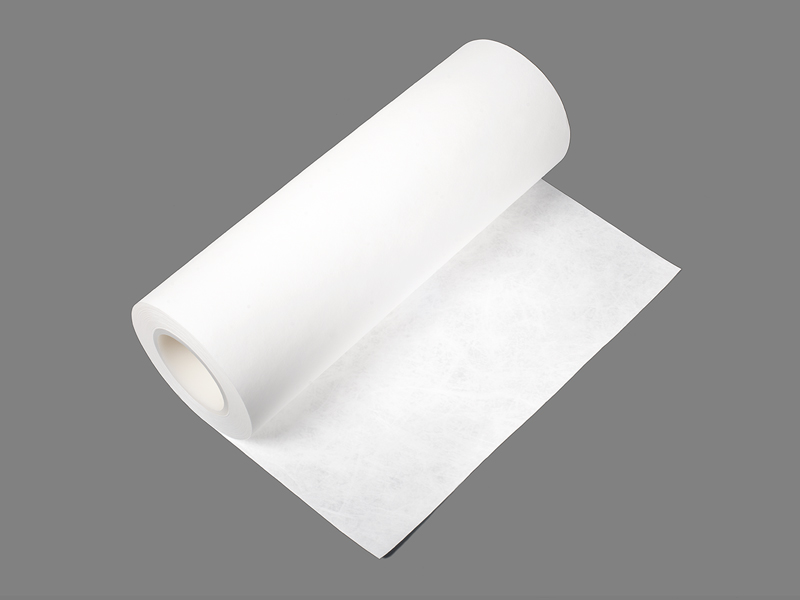
Tyvek is a nonwoven material known in industry circles for combining a lightweight feel with tear resistance and air permeability. These characteristics make it a viable choice for items that benefit from gentle protection without trapping moisture. Paper header bags, in turn, present a familiar tactile surface that works well with many labeling approaches and can be arranged to meet packaging preferences that favor a paper appearance.
Adding a header to a bag creates a reinforced zone for hanging, labeling, or sealing. For medical kits, sample packs, and small accessory bags, the header offers a place to apply barcodes, part numbers, or handling instructions without obscuring the main contents. Hopeway AMD's header options can be adapted to suit different presentation needs — from punched holes for pegboard display to larger reinforced tabs for manual handling. The header also simplifies how items are organized on shelves or in carts, which can be helpful in fast-paced clinical areas.
Labeling and traceability
Clear, legible labeling is central to medical packaging. Both Tyvek and paper surfaces accept a variety of printing methods and adhesive attachments, enabling batch numbers, lot codes, and handling notes to be displayed where they are easy to read. The header area serves as a convenient, consistent location for such information, which supports inventory control and helps reduce handling errors during picking and distribution.
Handling, protection, and access
The right combination of material and design can influence how easily staff can access and handle packaged items. Tyvek header bags are flexible and can be folded or stacked efficiently, which may reduce packing time in settings that prepare numerous individual kits. Paper header bags offer a familiar feel and can be easier to mark by hand if on-the-spot notes are needed. Both types can be used with common sealing or fastening methods to secure contents for transport or temporary storage.
Considerations for sterilization and clinical use
When packaging medical supplies, it is important to consider how the packaging interacts with sterilization processes and contamination control measures. Tyvek's air-permeable structure is compatible with certain sterilization workflows where gas or vapor must pass through the package, while paper-based options can be selected to complement other sterilization approaches. For any intended clinical use, trialing the packaging with the proposed sterilization and handling procedures is recommended to confirm suitability.
Understanding the Tyvek Header Bag Structure
A Tyvek Header Bag typically consists of two main parts: the Tyvek bag body and the header area. The bag body offers a lightweight protective enclosure, while the header adds a reinforced section that can support hanging holes, labeling zones, or closure functions. This structure creates a packaging format that is easy to store, convenient to handle, and adaptable for different product categories.
Tyvek itself is known for a fiber-based structure that provides tear resistance and a breathable barrier. In many use cases, these characteristics help reduce damage from friction, minor impacts, or frequent handling. At the same time, breathability can be useful for items that should not be stored in fully airtight plastic environments.
Medical and Healthcare-Related Applications
Tyvek is widely recognized in packaging environments where cleanliness and controlled storage are priorities. For medical-related items, a Tyvek Header Bag can be used to package non-sterile accessories, components, and supporting items that require organized storage and clear labeling.
Typical use cases include sample packs, disposable accessories, protective covers, and lightweight medical components. The header format can support labeling practices such as lot identification, product name placement, or handling notes. In busy environments where staff rely on fast recognition, the header area can make it easier to locate the correct item.
It is important to note that specific medical use requirements may vary depending on local regulations and intended use. For applications involving sterilization or strict compliance procedures, users should evaluate material suitability and confirm packaging requirements through appropriate validation steps.
Storage and Inventory Management Advantages
Storage efficiency is another key reason businesses choose header bag formats. Tyvek Header Bags can be stacked flat before use, taking up less storage space than rigid containers. Once filled, they remain compact and can be arranged in bins, drawers, or hanging systems.
The header provides a consistent labeling zone, which supports inventory management. Clear labeling reduces picking errors and improves speed in warehouses or stockrooms. For businesses handling multiple SKUs, this structure supports standardized packing procedures.
Printing, Labeling, and Branding Potential
Brand communication and compliance labeling are often required in packaging workflows. The header section of a Tyvek Header Bag can serve as a dedicated area for printing product names, usage notes, barcodes, or brand elements. It can also be used for applying adhesive labels in a consistent location.
Hopeway AMD can support different production preferences by offering options that align with common printing and labeling methods. For companies that update packaging information regularly, a label-friendly header can be especially practical.
Choosing the Right Tyvek Header Bag Configuration
Not every product requires the same bag format. Selection considerations often include product size, weight, storage method, and distribution channel. Some businesses prioritize visibility, while others focus on dust protection or labeling capacity.
Hopeway AMD provides Tyvek Header Bag options that can be adapted for different workflows, including variations in header style, hole configuration, and bag dimensions. Testing samples with the actual product is a practical step to confirm fit, handling convenience, and packaging performance during transport.
A Flexible Packaging Tool for Everyday Operations
The Tyvek Header Bag is widely used because it supports practical needs across multiple industries: retail display, industrial parts organization, medical-related packaging, e-commerce shipping, and sample distribution. Its combination of Tyvek material and header structure creates a packaging format that is easy to handle, convenient to label, and suitable for organized storage.
For businesses seeking a packaging option that balances protection, presentation, and workflow efficiency, Hopeway AMD offers Tyvek Header Bag solutions designed for real operational requirements. By selecting the right configuration and testing it in the intended environment, companies can integrate this packaging format into daily use with clarity and consistency.
 ‘s-Gravenweg 542, 3065SG RotterdamThe Netherlands
 +31 (0)10 254 28 08