
 English
 Français
 Deutsch
 Nederlands
In many industries where hygiene and contamination control matter, sterilization is not simply a routine step—it is a process that requires careful verification. Whether in medical device manufacturing, laboratories, pharmaceutical packaging, or healthcare supply management, teams often need a clear way to confirm that sterilization conditions have been met. This is where Eo Indicator Strips become an important part of daily quality workflows.
As sterilization methods evolve and compliance requirements become more detailed, organizations are increasingly focusing not only on completing sterilization cycles, but also on documenting them properly. Indicator products help support this goal by providing visible, process-related feedback. In this article, we will explore the topic: What is an Eo Indicator Strips? and why it is commonly used in EO sterilization environments.
Content
- 1 What Is EO Sterilization?
- 2 What Is an EO Indicator Strip?
- 3 How EO Indicator Strips Are Commonly Used
- 4 Why Indicator Strips Matter in Sterilization Management
- 5 Why Indicators Matter in EO Sterilization
- 6 What "The Indicator" Means in This Context
- 7 Common Factors That Affect Indicator Performance
- 8 The Indicator Is a Chemical Signal for EO Exposure
What Is EO Sterilization?
Ethylene oxide (EO) sterilization is widely used for items that cannot tolerate high heat or moisture. Many sensitive materials—such as plastics, electronics, and complex packaged devices—may not be suitable for steam sterilization. EO sterilization offers a low-temperature option, allowing these products to be sterilized while maintaining their material integrity.
However, EO sterilization is a controlled chemical process. Key factors such as exposure time, temperature, humidity, and gas concentration are typically managed within the sterilization cycle. Because multiple variables influence the result, monitoring tools are commonly used to support process verification and quality assurance.
What Is an EO Indicator Strip?
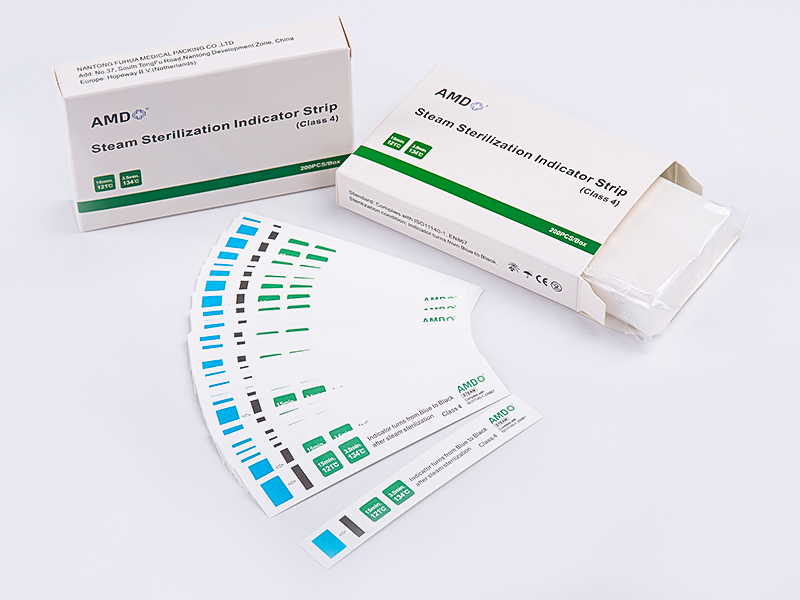
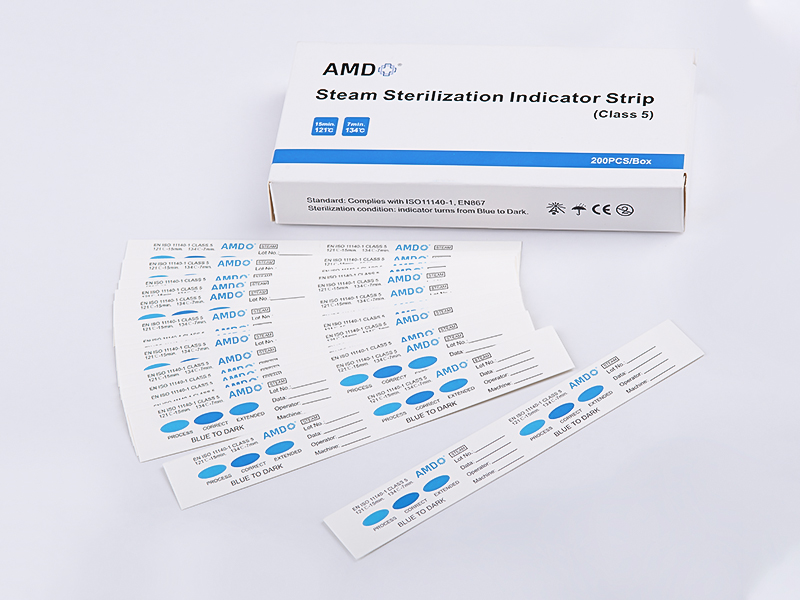
An EO indicator strip is a type of chemical indicator designed to show whether an item has been exposed to ethylene oxide sterilization conditions. It usually contains an indicator ink or chemical coating that changes color after exposure to EO gas under specified conditions.
It is important to understand that indicator strips are generally intended to demonstrate exposure, not to confirm sterility. In many quality systems, they are used as part of a broader monitoring strategy that may also include biological indicators, equipment validation, and documented cycle parameters.
In practice, an EO indicator strip can help staff quickly identify whether a package or load has gone through an EO process. This supports workflow efficiency and helps reduce confusion between processed and unprocessed goods, especially in environments with frequent batch sterilization.
How EO Indicator Strips Are Commonly Used
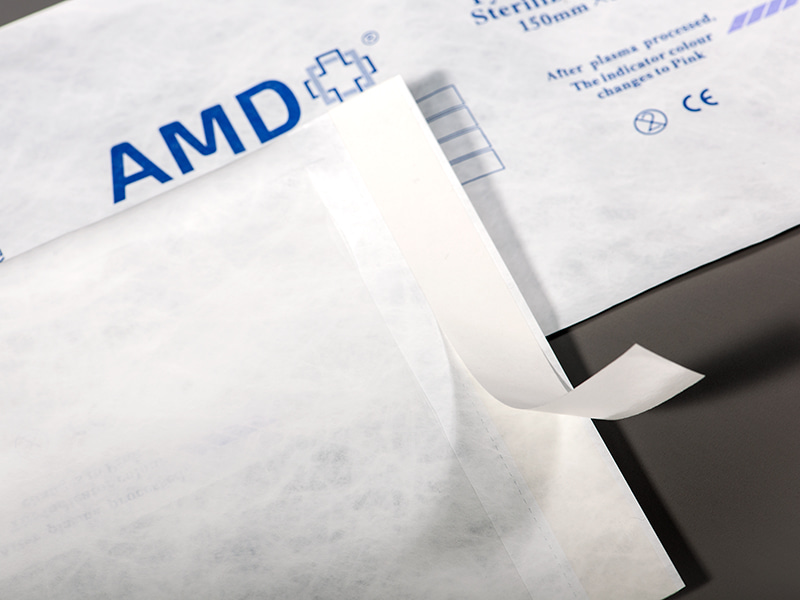
EO indicator strips may be placed in sterilization pouches, trays, or cartons depending on packaging format and internal procedures. They are often used in:
- Hospitals and clinical supply departments
- Sterile processing areas
- Medical device production lines
- Laboratory sterilization workflows
- Contract sterilization service operations
During or after the sterilization cycle, the strip's color change provides a visual cue. Many organizations also incorporate indicator strip checks into standard operating procedures, such as receiving inspection, batch release review, or internal quality audits.
Why Indicator Strips Matter in Sterilization Management
Sterilization processes involve multiple steps—preconditioning, exposure, aeration, storage, and distribution. In such complex workflows, simple visual controls can provide operational value. EO indicator strips can support:
1) Process identification
They help distinguish sterilized packages from non-sterilized ones in storage or transit.
2) Routine quality checks
They allow personnel to verify that exposure likely occurred, supporting internal process control.
3) Documentation and traceability
When integrated into batch records, indicator checks can help strengthen traceability practices.
4) Reduced handling uncertainty
Clear visual indicators can support smoother handoffs between departments.
Sterilization with ethylene oxide is chosen for items that do not tolerate elevated temperatures or moisture. The process requires careful control of several conditions, and visual markers offer staff a quick way to distinguish treated items from untreated ones. At their core, indicator strips are chemical markers that react to the sterilant; their change is intended to indicate exposure rather than to certify sterility. With that distinction in mind, indicator strips are adopted in many places as a component of broader monitoring systems.
In clinical and hospital supply areas, these strips are commonly placed inside packaging before a sterilization run. Their presence helps staff identify processed sets when supplies are returned to storage or moved between units. In busy environments where many trays and pouches are handled, an unmistakable visual sign reduces the chance of administering or using items that have not undergone the intended process. This practical use helps to streamline handoffs and reduces routine checks that would otherwise rely solely on memory or paper records.
Manufacturing and assembly lines for medical devices and certain electronic components also incorporate indicator strips into packaging or product sets. When products leave a production line destined for a sterilization facility, clearly marked items simplify the flow of materials. Packaging teams can verify exposure at receiving, and production managers can more easily coordinate downstream handling. In contract sterilization arrangements, customers often request visual confirmation inside packages to complement the facility's own records and to ease acceptance at the receiving site.
Laboratories and research facilities handle a variety of materials that require careful processing. For many of these institutions, indicator strips help maintain orderly storage practices. When multiple batches or experimental groups are prepared, simple visual cues assist laboratory personnel in segregating treated materials and preventing cross-contamination. The strips also serve as a convenient training aid for new staff learning workflow patterns and packaging expectations.
Beyond immediate operational uses, these markers play a role in routine quality checks and documentation. During internal inspections or inventory audits, indicator strips provide a rapid means to assess whether materials have been routed through the appropriate treatment. When integrated with batch records or checklists, the visual outcome from a strip can be recorded as part of an audit trail that supports traceability and accountability. It is important to note that such records are typically used alongside other monitoring tools that together form a comprehensive evidence package for process control.
Indicator strips also support practical decision points in daily handling. For example, they can guide decisions about storage order, help determine which items require aeration time before use, and clarify which supplies are ready to be issued. In settings where personnel change shifts, visible indicators reduce the burden of passing on verbal instructions or scanning lengthy logs, thereby helping continuity across teams.
Choosing appropriate indicator strips involves attention to compatibility and usability. Facilities often look for markers that respond clearly under the conditions used in their sterilization cycles and that remain legible through packaging and handling. Ease of placement, readability after processing, and stable behavior during storage are common selection considerations. Some organizations prefer strips that integrate easily with their packaging formats, while others prioritize products that simplify internal checks during receiving and issuing.
Safety and proper interpretation are important when these strips are used. Indicator strips are designed to signal exposure; they do not replace biological indicators or other validation methods where those are required. In regulated environments, indicator strips are typically one part of a layered monitoring approach that may include equipment calibration, biological testing, and documentation of process parameters. Staff training should emphasize correct placement of the strip within the package and careful reading of results according to manufacturer guidance.
Why Indicators Matter in EO Sterilization
Ethylene oxide sterilization is widely used when products cannot tolerate high heat or moisture. Many packaged items—especially those made from polymers, mixed materials, or with sensitive structures—are processed using EO because it supports low-temperature sterilization conditions.
However, EO sterilization is not simply a switch that is turned on and off. It is a controlled process influenced by multiple cycle conditions. For this reason, sterilization teams rely on monitoring systems that help confirm that exposure occurred as intended. Chemical indicator strips are one part of this system and are commonly used for quick, visual verification.
What "The Indicator" Means in This Context
When people refer to "the indicator" in EO monitoring strips, they are referring to the chemical indicator formulation applied to the strip. This formulation is designed to react when exposed to ethylene oxide under specific process conditions. The result of this reaction is typically a visible change, such as a shift in color or appearance.
This is not a decorative feature. It is a deliberate design intended to make process exposure easy to observe without specialized instruments. In daily operations, this allows staff to inspect packaged goods efficiently, especially when multiple loads are being handled.
It is important to understand the purpose of this indicator: it is meant to show exposure to the EO environment, not to prove that an item is sterile. In regulated sterilization programs, sterility assurance typically involves additional controls such as cycle parameter review, equipment qualification, and biological monitoring. The indicator strip contributes by providing a visible, package-level sign that supports workflow management and routine checks.
Common Factors That Affect Indicator Performance
Facilities that rely on EO indicators typically pay attention to a few practical factors:
- Storage conditions prior to use
- Shelf-life management and inventory rotation
- Correct placement within the package
- Avoiding contamination from chemicals, moisture, or improper handling
- Consistent staff training for interpretation
These considerations help ensure the indicator remains a useful visual tool rather than a source of confusion.
Supporting Sterilization Operations with Reliable Supplies
In real sterilization work, consistency matters. Many organizations prefer suppliers that can provide clear product information, stable availability, and practical support materials for daily use.
For teams seeking EO monitoring supplies for routine sterilization workflows, Hopeway AMD provides options designed for process monitoring and packaging integration, supporting facilities that value orderly handling and documented inspection steps.
The Indicator Is a Chemical Signal for EO Exposure
So, what is the indicator for Eo Indicator Strips? It is the chemical formulation on the strip that reacts during EO processing and produces a visible change. This change supports practical workflow decisions—helping teams identify exposure, manage inventory movement, and maintain routine documentation.
In environments where sterile processing is part of everyday operations, indicator strips remain a simple but meaningful tool: they bring visibility to a process that would otherwise be difficult to confirm at a glance, supporting clarity across teams, shifts, and supply chains.







 ‘s-Gravenweg 542, 3065SG RotterdamThe Netherlands
 +31 (0)10 254 28 08