
 English
 Français
 Deutsch
 Nederlands
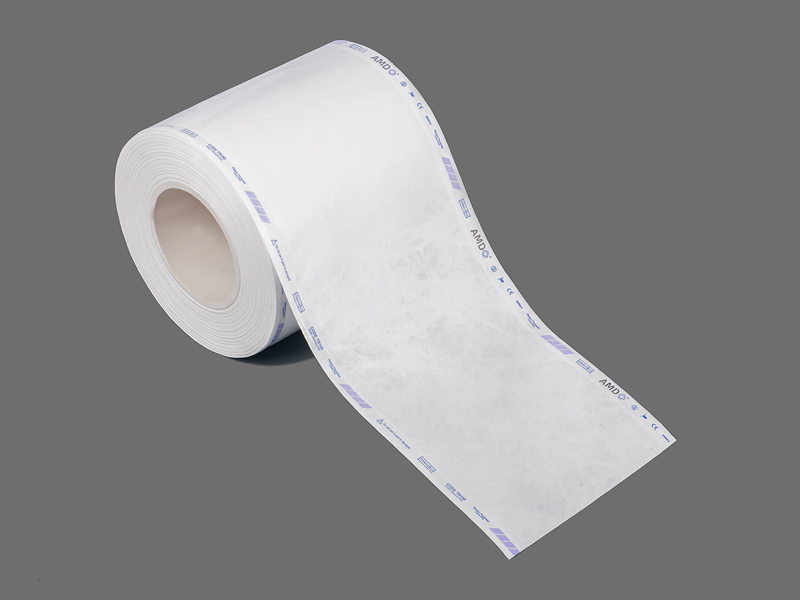
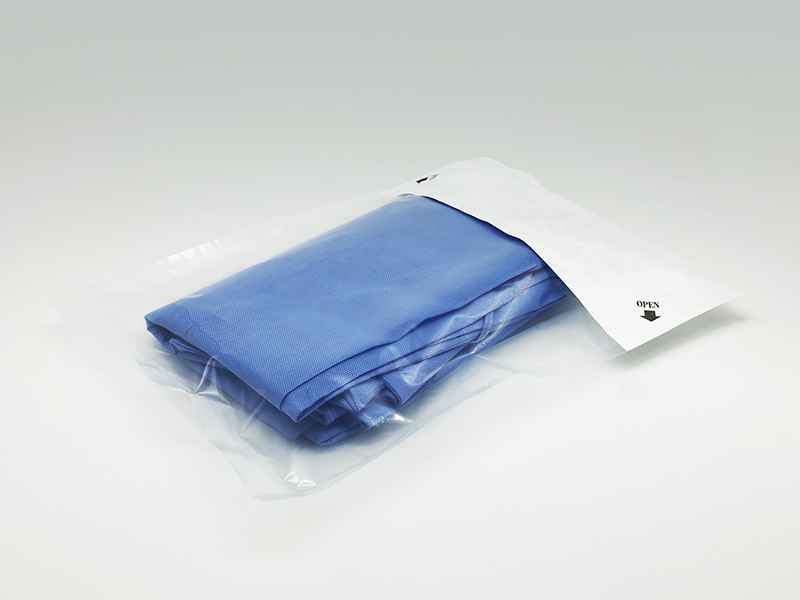
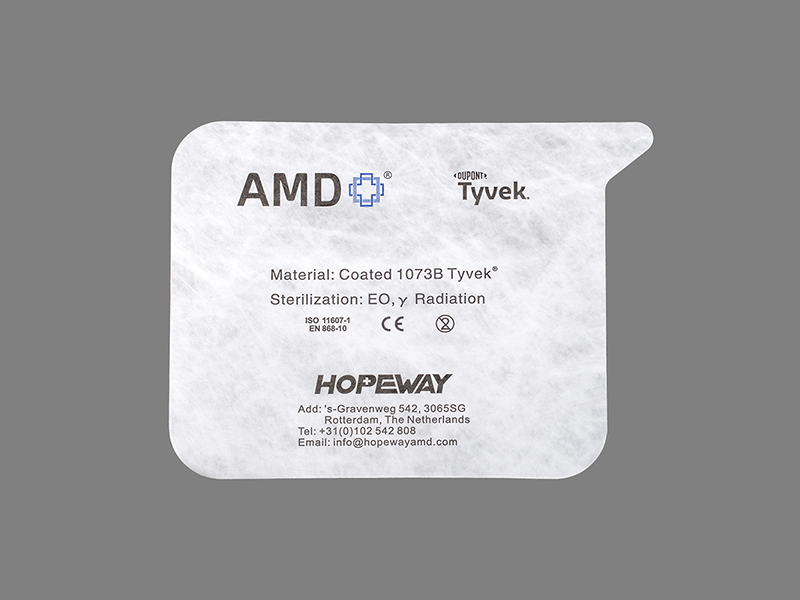
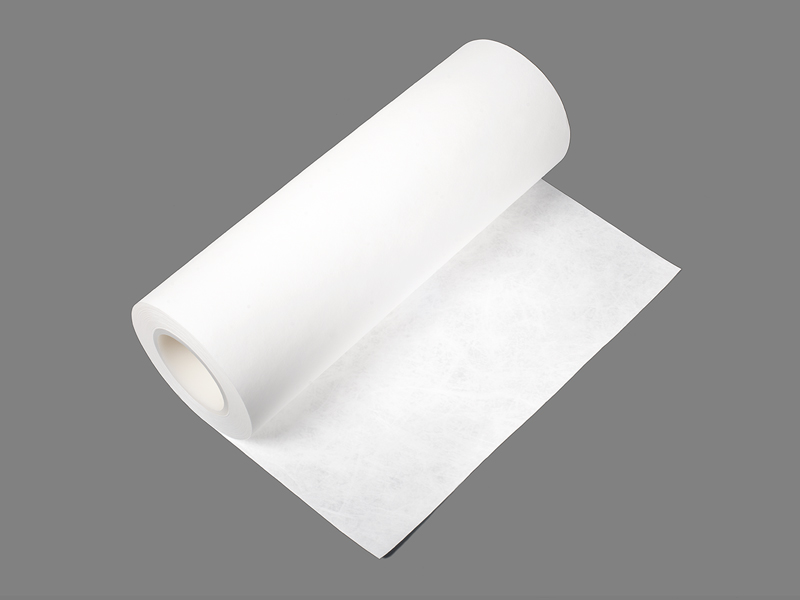
In controlled environments, packaging is never just packaging. It becomes part of how work moves forward. Items pass through different zones, shift between processes, and stay protected along the way. In that flow, China Tyvek 1073B Sterilization Bag Reel made from Tyvek-style material often appear as a quiet but important step.

For buyers looking at China-based supply, the topic is not only about choosing a product. It is also about understanding how that product behaves once it enters daily use. Small differences in material, handling, or consistency can slowly influence the whole workflow.
This is why attention around this type of packaging keeps increasing. Not because it is complicated, but because it sits right in the middle of sensitive operations.
Content
- 1 Why are buyers paying more attention to sterilization bag reels now?
- 2 What makes Tyvek 1073B material stand out in practice?
- 3 How do China suppliers differ in production style?
- 4 What should buyers check before placing an order?
- 5 How does this type of packaging differ from standard options?
- 6 Why does customization matter so much in real use?
- 7 How do buyers usually evaluate quality in real conditions?
- 8 What issues may appear during actual operation?
- 9 How do storage and handling affect long-term performance?
- 10 What trends are shaping buyer behavior in this market?
- 11 How do buyers compare suppliers in a more grounded way?
- 12 How do purchasing decisions evolve over time?
Why are buyers paying more attention to sterilization bag reels now?
The way packaging is viewed has changed over time. It used to be a support item, something placed at the end of a process. Now it is part of the process itself.
Sterilization bag reels are used in environments where cleanliness is not optional. They help separate stages of handling and reduce direct exposure. That alone makes them more than a simple wrapper.
Another reason is workflow rhythm. Reel format allows continuous use. Instead of stopping and restarting with individual bags, operators can work in a smoother motion. This reduces pauses and helps maintain a steady pace.
There is also a sourcing angle. Buyers are looking for stable supply routes. China offers a wide production base, which gives more room for matching different needs.
Still, what matters most is not where it comes from, but how consistently it performs once it is in use.
What makes Tyvek 1073B material stand out in practice?
At first glance, the material looks simple. But its behavior is different from common packaging films.
It is not woven. It is not a standard plastic sheet either. It sits somewhere in between, with a structure that feels light but controlled.
In daily use, this balance becomes noticeable. The material holds shape during handling, but it still allows certain environmental interactions during processing steps.
The surface is also distinctive. It does not feel slippery or overly rigid. That affects how operators grip, fold, or seal it during work.
In many facilities, this small difference in "feel" becomes part of routine preference. People often notice it more during repeated use than at first inspection.
How do China suppliers differ in production style?
Looking at China-based production, there is no single pattern. Some suppliers focus on volume. Others work more around flexible production and customization.
This variety can be useful, but it also means buyers need to pay attention. Two reels that look similar may behave differently once used.
Winding method is one example. If the reel is not evenly wound, it may create uneven feeding during operation. That slows down work more than expected.
Surface handling during production is another point. Small marks or dust during processing may not be obvious at first, but they can matter in controlled environments.
Communication also plays a role. Clear confirmation before production helps reduce mismatch later. Many issues come not from the material itself, but from unclear expectations.
What should buyers check before placing an order?
In real purchasing situations, details matter more than descriptions. Buyers often focus on a few practical points:
Material consistency
The material should feel stable from batch to batch. Sudden changes in stiffness or surface behavior can affect daily use.
Reel alignment
Even winding is more important than it sounds. Uneven reels can interrupt smooth feeding during operation.
Surface condition
Clean appearance is expected. Even small marks may raise concerns in controlled environments.
Compatibility with sealing process
Not all materials respond the same way under sealing conditions. Matching with existing equipment avoids later adjustments.
Transport protection
Edges and cores need protection. Damage during shipping often leads to problems during use, even if the material itself is fine.
These points are usually checked early by experienced buyers. New buyers often learn them after initial trials.
How does this type of packaging differ from standard options?
At a glance, both may look similar. But their roles are not the same.
Standard packaging is designed mainly for storage or transport. It protects items from external contact. That is usually enough for general use.
Sterilization bag reels serve a more specific function. They are part of a controlled workflow. That means they interact with processes rather than just covering items.
A simple comparison helps clarify the difference:
| Aspect | Sterilization Bag Reels | Standard Packaging |
|---|---|---|
| Purpose | Controlled environment use | General protection |
| Material behavior | Supports process interaction | Mainly barrier-based |
| Handling sensitivity | Higher, workflow-linked | Lower, general use |
| Operational role | Part of process steps | External layer only |
| Inspection needs | More frequent | Occasional |
The key difference is not complexity. It is the level of integration into daily operations.
Why does customization matter so much in real use?
Different facilities rarely work the same way. Even if they share similar goals, their workflows can differ.
That is why customization becomes important. Reel width, length, and packaging format can all influence how smoothly the material fits into existing systems.
When the size matches well, operators spend less time adjusting. When it does not, even small mismatches can slow down routine tasks.
At the same time, customization adds another layer of planning. It requires clearer communication and more precise confirmation before production starts.
Some buyers prefer flexibility. Others prefer standard formats to avoid variation. Both approaches are common depending on the scale of operation.
How do buyers usually evaluate quality in real conditions?
Quality is rarely judged in one step. It becomes clearer after repeated use.
Many buyers start with sample testing. They observe how the material behaves during actual handling rather than relying on descriptions.
Consistency becomes the main focus. A product that behaves the same way over time is easier to manage in production.
Another factor is communication after delivery. When questions arise, how quickly and clearly they are handled often shapes long-term trust.
In many cases, the relationship between buyer and supplier grows through repeated small confirmations rather than large decisions.
What issues may appear during actual operation?
Even when everything looks correct at the beginning, real use may reveal differences.
Some common situations include:
- Reel feeding not as smooth as expected
- Slight variation in sealing behavior
- Changes in surface feel after storage
- Batch-to-batch differences that are hard to notice at first
These are not always product faults. Storage conditions, handling methods, and equipment settings can all influence results.
Because of this, troubleshooting often involves looking at the full workflow, not just the material itself.
How do storage and handling affect long-term performance?
Storage is often underestimated. But materials respond to their environment more than expected.
Temperature and humidity can slowly change surface behavior. Over time, this may affect flexibility or handling feel.
Stacking method also matters. Heavy pressure can distort reels or affect edge alignment.
Simple habits often help:
- Keep materials in clean, stable environments
- Avoid unnecessary stacking pressure
- Handle reels with proper support
- Allow materials to adjust before use if conditions change
These steps do not change the product itself, but they help maintain stable performance.
What trends are shaping buyer behavior in this market?
Buyer expectations are becoming more practical. Instead of focusing on appearance or claims, attention is shifting toward real use experience.
Clear communication is becoming more important. Buyers prefer suppliers who explain things simply and directly.
Workflow compatibility is another trend. Products that fit into existing systems without adjustment are preferred.
Cost still matters, but it is rarely the only factor. Stability over time often carries more weight than short-term savings.
Flexibility in supply is also gaining attention. Changing demand requires adaptable sourcing options.
How do buyers compare suppliers in a more grounded way?
Instead of relying on price alone, buyers often look at several areas together:
| Factor | What it reflects |
|---|---|
| Communication | Clarity and response quality |
| Sample behavior | Real-use performance |
| Delivery handling | Care during transport |
| Stability | Batch consistency |
| Flexibility | Ability to adjust orders |
This kind of comparison feels more realistic. It reflects how products behave over time, not just on paper.
How do purchasing decisions evolve over time?
At the beginning, decisions are often cautious. Small orders are used to test behavior in real environments.
As experience builds, decisions become more pattern-based. Buyers rely more on past performance than initial impressions.
Over time, consistency becomes more valuable than variation. A supplier who delivers stable results becomes easier to work with.
This shift is gradual. It comes from repeated use, not single transactions.






 ‘s-Gravenweg 542, 3065SG RotterdamThe Netherlands
 +31 (0)10 254 28 08