
 English
 Français
 Deutsch
 Nederlands
In controlled environments, packaging is rarely treated as a minor detail. It sits quietly in the background, yet it touches every step. From preparation to transfer, from processing to storage, materials are almost always inside some form of protection.
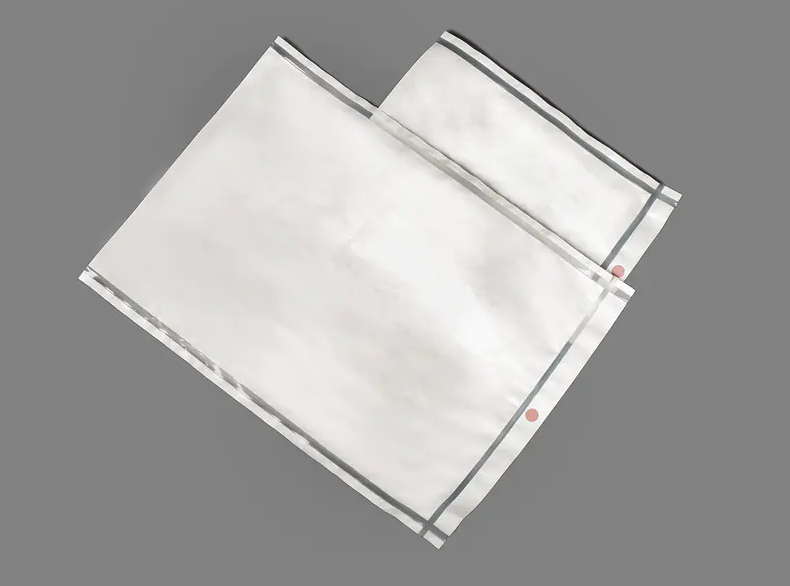
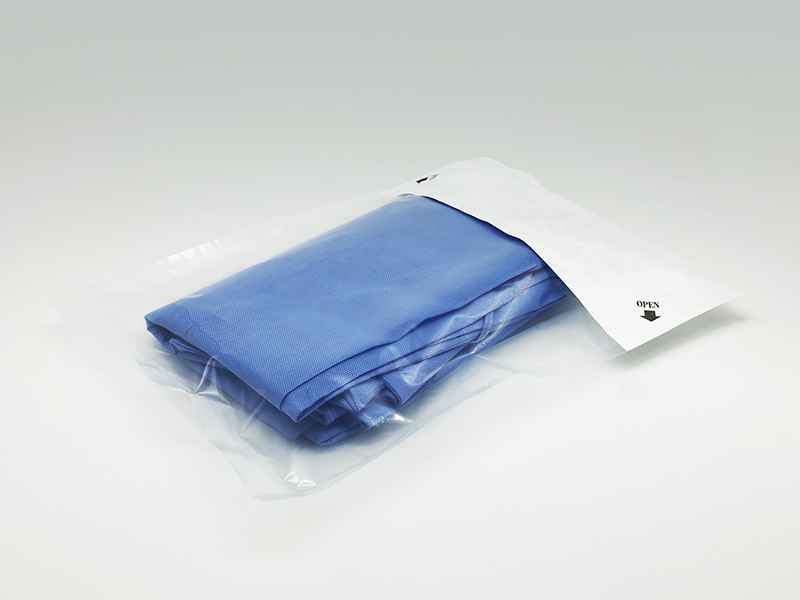
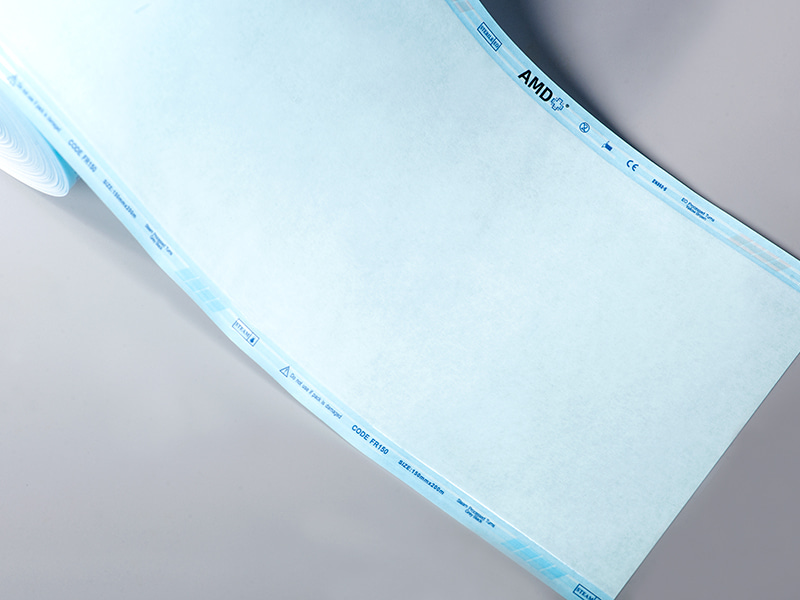
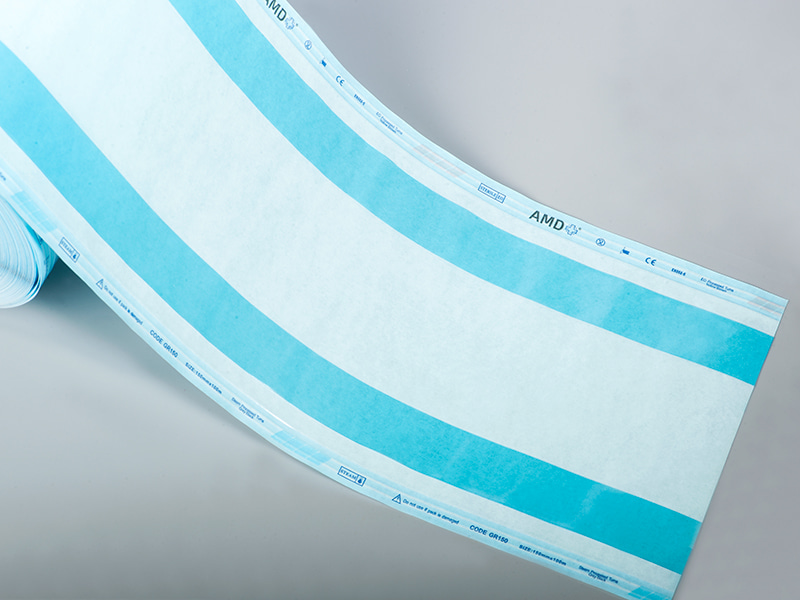
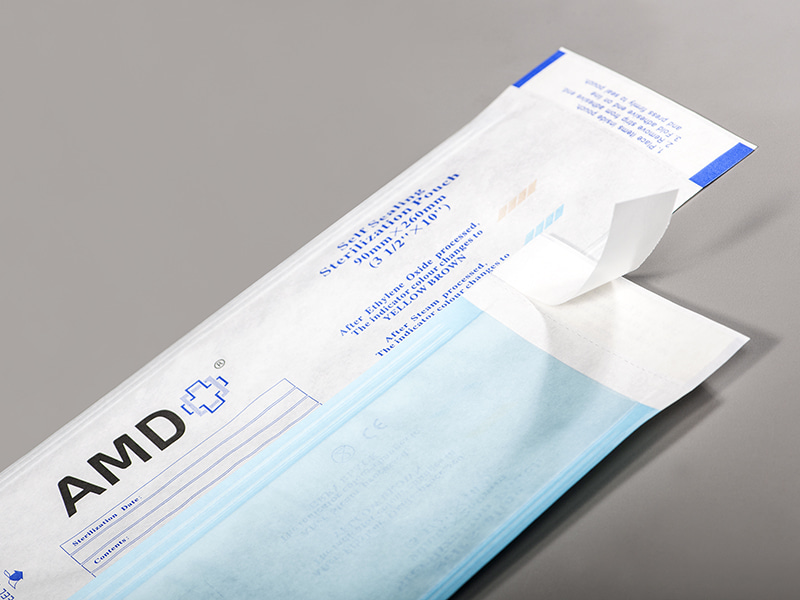
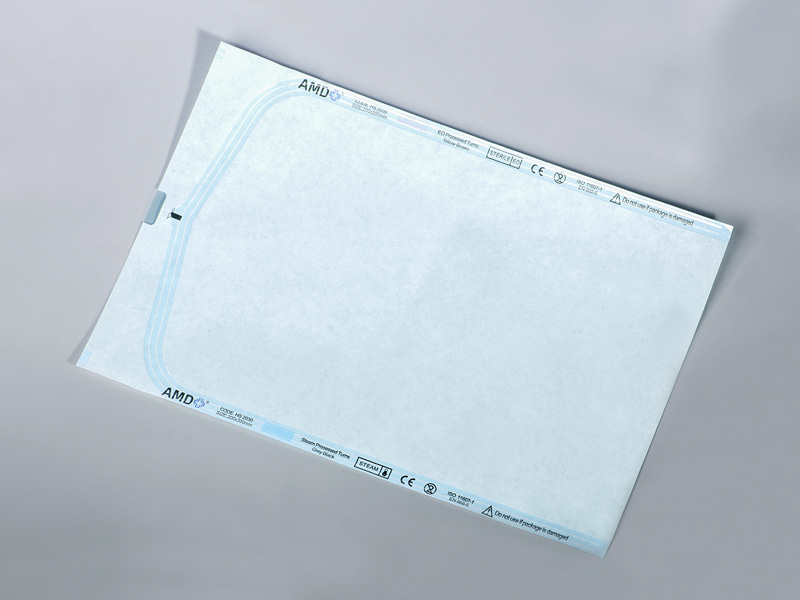
Among these options, HDPE Tyvek autoclave bag have become a familiar presence. They are not complicated at first glance. Still, their design reflects a clear purpose. They are meant to support sterilization while keeping conditions stable.
What makes them stand out is not a single feature. It is the way several small design choices come together. When placed into daily workflows, those details begin to show their value.
Content
- 1 Why Are These Bags Used in Controlled Environments?
- 2 How Does the Material Combination Affect Performance?
- 3 Why Does Breathability Matter During Sterilization?
- 4 How Do These Bags Help Reduce Contamination Risk?
- 5 What Role Does Sealing Play in Daily Operations?
- 6 How Do They Perform Under Repeated Processing Conditions?
- 7 How Do They Support Everyday Material Handling?
- 8 How Do They Compare With Other Packaging Types?
- 9 Why Is Surface Design So Important?
- 10 How Do These Bags Support Workflow Stability?
- 11 What Should Be Considered When Choosing These Bags?
- 12 How Do They Fit Into Cleanroom Practices?
Why Are These Bags Used in Controlled Environments?
A controlled environment depends on predictability. Items must behave the same way each time they move through a process. Packaging is part of that behavior.
HDPE Tyvek autoclave bags help maintain that sense of order. They provide a layer between the item and the surrounding space. This layer is not rigid or heavy. It is flexible enough to support handling, yet stable enough to keep its shape.
There is also a practical side. These bags fit easily into routine work. They do not require special handling methods. Staff can use them without slowing down the process.
Over time, that simplicity matters. It reduces variation. It keeps movement smooth.
How Does the Material Combination Affect Performance?
The structure of these bags is built around balance. HDPE and Tyvek serve different roles, yet they work together.
HDPE gives the bag its body. It helps the bag hold form during handling and exposure. It also resists moisture, which is important in environments where conditions can shift.
Tyvek behaves differently. It allows air to move in a controlled way. At the same time, it limits the entry of unwanted particles. This combination creates a surface that is both active and protective.
This is not about complexity. It is about control. Air can pass when needed. Contamination is still managed.
That balance is one of the quiet strengths of the design.
Why Does Breathability Matter During Sterilization?
Sterilization is not only about heat or pressure. Air movement plays a role as well. If air cannot move through the packaging, the process may not reach all surfaces evenly.
HDPE Tyvek autoclave bags allow that movement without opening the package. Air flows through in a controlled way. It reaches the contents and supports the process.
Once the cycle is complete, the same structure continues to act as a barrier. The bag does not suddenly become open or exposed.
This dual function supports both stages. It allows treatment to happen, then helps preserve the result.
How Do These Bags Help Reduce Contamination Risk?
Contamination does not usually come from a single event. It builds through small exposures. A touch here, a transfer there, a surface that holds particles longer than expected.
HDPE Tyvek autoclave bags help reduce those small risks. Their outer surface does not easily hold dust. Their structure limits what can pass through.
During movement between zones, the bag acts as a buffer. The contents remain inside a controlled space, even while being transported.
This reduces direct handling. It also lowers the chance of exposure during transfer.
Some everyday benefits become clear over time:
- Items remain protected after sterilization
- Movement between areas feels more controlled
- Handling steps become simpler
- Surfaces stay easier to manage
Each point may seem small. Together, they support a more stable environment.
What Role Does Sealing Play in Daily Operations?
Sealing is often overlooked until something goes wrong. In controlled environments, a weak seal can affect the entire process.
HDPE Tyvek autoclave bags are designed to support consistent sealing. The seal needs to hold during processing. It should not loosen under changing conditions.
At the same time, opening the bag should not be difficult. It should follow a clear and predictable action.
This balance matters in daily work. A seal that is too weak creates risk. A seal that is too strong slows down handling.
Reliable sealing also supports visual checks. A clean, intact edge gives a quick signal that the contents are still protected.
How Do They Perform Under Repeated Processing Conditions?
Controlled environments often involve repeated cycles. Materials move through similar steps again and again. Packaging must respond without changing its behavior.
HDPE Tyvek autoclave bags are built to stay stable during these cycles. They do not easily lose shape. Their surface remains consistent.
This helps maintain a steady workflow. Staff do not need to adjust their handling methods for each cycle.
In many cases, these bags are used once and then replaced. This approach supports hygiene. Even so, their ability to handle processing conditions remains an important part of their design.
How Do They Support Everyday Material Handling?
Handling is where design meets reality. A bag may look suitable, but daily use reveals its true value.
HDPE Tyvek autoclave bags are easy to move, stack, and store. They are light enough to handle quickly, yet firm enough to protect what is inside.
Their surface does not attract much dust. This helps when moving between areas. It reduces the need for extra cleaning steps.
They also allow quick visual checks. In some cases, contents can be identified without opening the package.
These small advantages shape daily routines. They save time without changing the overall process.
How Do They Compare With Other Packaging Types?
Different packaging options exist for sterilization and controlled handling. Each one reflects a different approach.
Below is a general comparison:
| Aspect | HDPE Tyvek Autoclave Bags | Other Packaging Forms |
|---|---|---|
| Air movement | Allows controlled airflow | May restrict airflow |
| Surface design | Smooth and simple | Can include textured areas |
| Sealing | Consistent and predictable | May vary with method |
| Flexibility | Easy to handle and store | Some are more rigid |
| Use environment | Designed for controlled settings | Used in mixed environments |
Use environmentDesigned for controlled settingsUsed in mixed environments
This comparison is not about one being better than another. It shows how design aligns with purpose.
Why Is Surface Design So Important?
Surface design often goes unnoticed. Yet it affects how a product behaves during use.
HDPE Tyvek autoclave bags have a smooth outer layer. This makes them easier to wipe if needed. It also reduces places where particles might settle.
Edges are kept simple. There are fewer areas where dust can collect. This supports regular cleaning routines.
In controlled environments, surfaces are touched often. A surface that stays clean more easily helps maintain overall stability.
How Do These Bags Support Workflow Stability?
A stable workflow depends on repetition. Each step should feel familiar. Packaging plays a role in that rhythm.
HDPE Tyvek autoclave bags behave in a consistent way. They open in a predictable manner. They hold their shape during handling. Their seals remain reliable.
This reduces interruptions. Staff do not need to adjust their actions each time.
Over time, this consistency supports smoother operations. Packaging becomes part of the system rather than a point of uncertainty.
What Should Be Considered When Choosing These Bags?
Choosing the right packaging is not only about material. It also depends on how it fits into daily work.
Some points are worth considering:
- How the bag fits into existing sterilization steps
- Whether it supports easy handling during busy periods
- How reliable the sealing process feels in practice
- How it behaves during storage
- Whether it matches the pace of material movement
These HDPE Tyvek Autoclave Bag Factory help determine how well the bag supports real conditions, not just ideal ones.
How Do They Fit Into Cleanroom Practices?
Cleanroom practices are built on control and routine. Every item has a place. Every movement follows a pattern.
HDPE Tyvek autoclave bags fit into this system as a protective layer. They help separate the contents from the surrounding space.
They also support controlled transfer. Items can move between zones without direct exposure.
Their role is not dramatic. It is steady. They help maintain order in a system where small changes can have larger effects.
FAQs
What are HDPE Tyvek autoclave bags mainly used for?
They are used to package items that go through sterilization and need protection during handling and storage.
Do these bags allow airflow?
Yes, they allow controlled airflow, which helps during sterilization while still limiting contamination.
Are they easy to handle?
They are designed to be light and flexible, which makes daily handling simpler.
How do they reduce contamination risk?
They act as a barrier and reduce direct contact between items and the surrounding environment.
Is sealing an important feature?
Yes, sealing helps keep the contents protected and supports consistent handling.
Can they be used in different environments?
They are mainly used in controlled environments but can also be used in other settings where clean handling is needed.
What makes their surface different?
Their surface is smoother and less likely to hold particles, which helps with cleaning and handling.
 ‘s-Gravenweg 542, 3065SG RotterdamThe Netherlands
 +31 (0)10 254 28 08