
 English
 Français
 Deutsch
 Nederlands
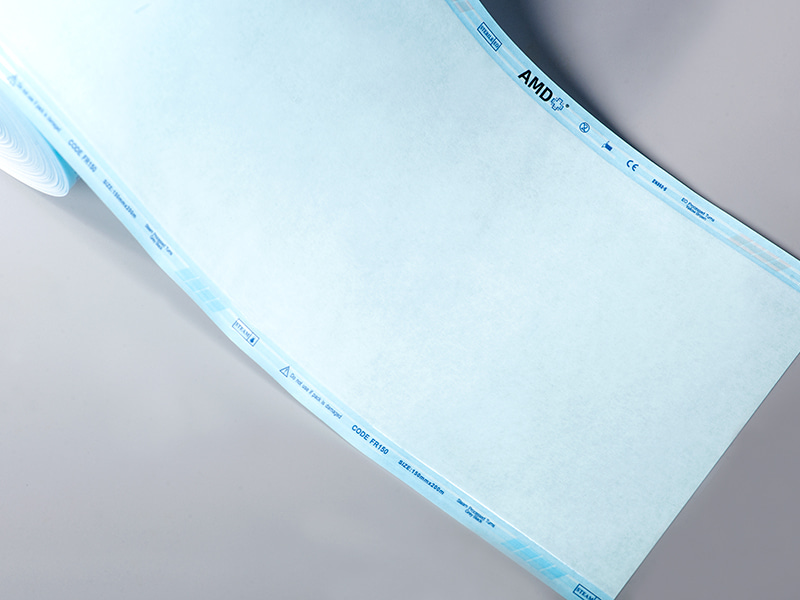
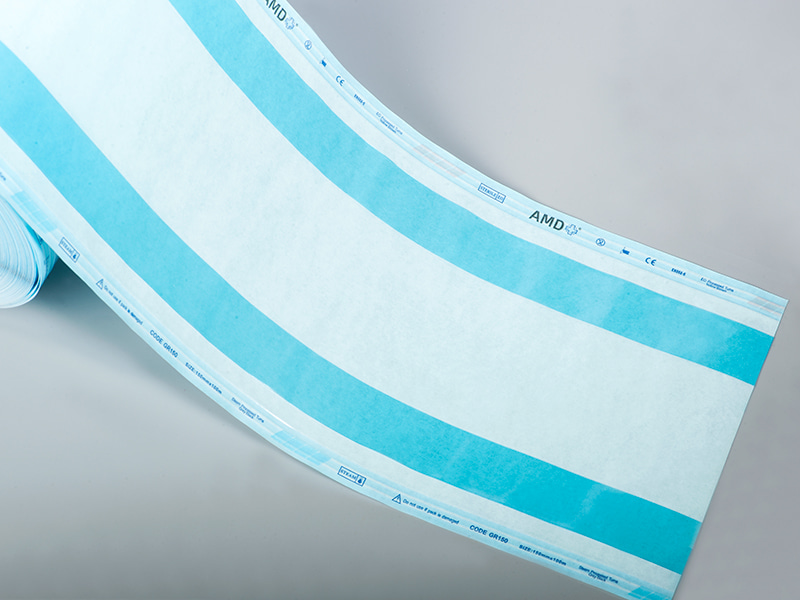
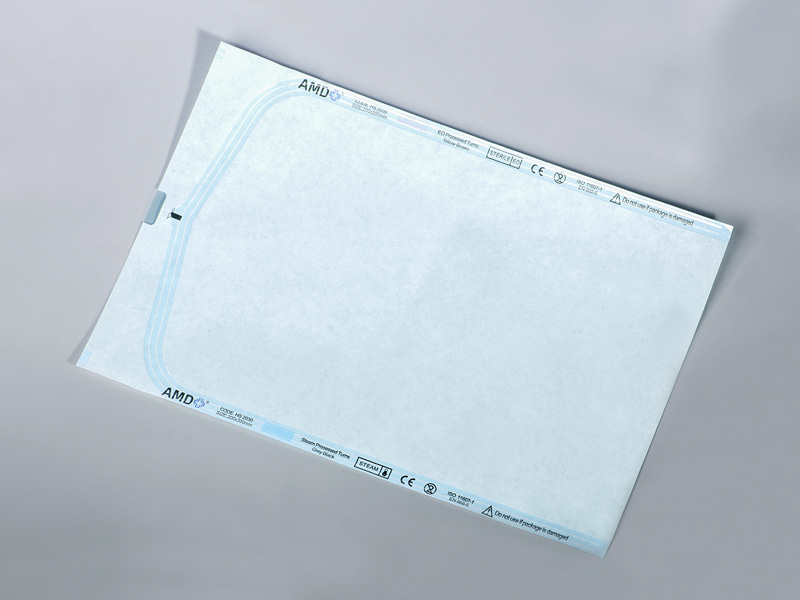
Sterilization self sealing pouches are used in places where clean handling and controlled storage are part of daily routine. They are designed to protect items after cleaning and sterilization steps, keeping them separated from outside conditions until they are needed again. The structure is simple, but the result depends heavily on how each step is carried out in practice.
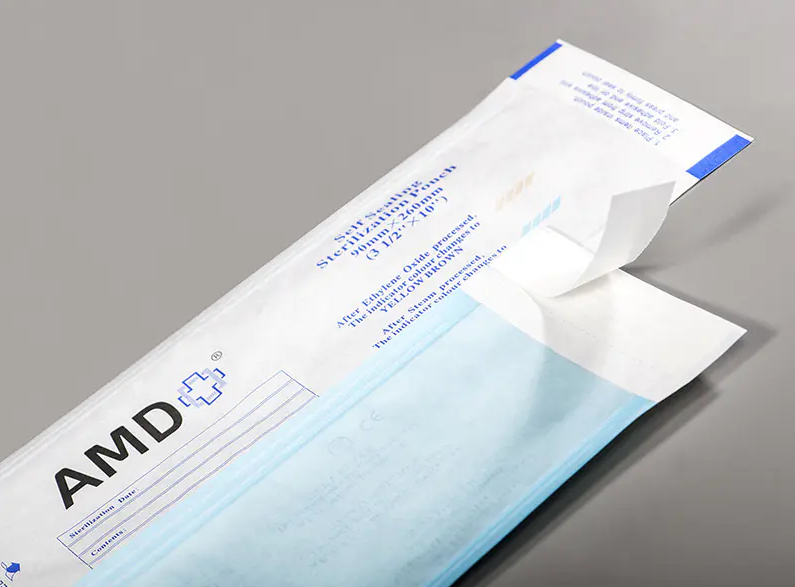
Using this type of pouch is not only about placing an item inside and closing it. The process involves preparation, careful handling, correct sealing, and suitable storage. Each stage affects how stable the final sealed condition will be.
Content
- 1 Why Does Proper Usage Matter So Much?
- 2 What Should Be Done Before Placing Items Inside?
- 3 How Should Items Be Placed Into The Pouch?
- 4 How Does The Self Sealing Feature Actually Work?
- 5 What Is The Correct Way To Seal The Pouch?
- 6 How Should Sealed Pouches Be Handled?
- 7 What Is The Best Way To Store Sterilization Pouches?
- 8 What Common Mistakes Should Be Avoided?
- 9 How Does Proper Use Support Consistency?
Why Does Proper Usage Matter So Much?
A sterilization pouch acts as a protective layer between cleaned items and the surrounding environment. When it is used correctly, it helps maintain a stable condition inside the pouch. When it is used carelessly, even small mistakes can reduce its effectiveness.
Issues like uneven sealing, poor handling, or placing items without preparation can to weak points in protection. These problems are often not obvious at first. They may appear later during storage or handling.
Proper usage helps reduce these risks. It creates a more predictable and stable outcome, especially when pouches are used repeatedly in daily work.
What Should Be Done Before Placing Items Inside?
Before anything is placed into the pouch, basic preparation is needed. Items should be cleaned thoroughly and allowed to dry. Moisture or residue left on surfaces can affect the condition inside the pouch after it is sealed.
It also helps to check the shape and surface of the item. Sharp edges or uneven parts may affect the pouch material during storage. In some cases, slight adjustments in positioning can prevent unnecessary pressure points.
At this stage, organization is also useful. Items that will be stored together should be arranged in a way that fits naturally inside the pouch without forcing or bending.
How Should Items Be Placed Into The Pouch?
Placing items into the pouch should be done gently. The goal is to avoid stress on both the item and the pouch material. Items should not be pushed tightly or stacked in a way that creates uneven pressure.
The opening area should remain clean. It is better to avoid touching the inner surface near the sealing zone, since this area plays an important role later.
Positioning also matters. Items should sit in a balanced way inside the pouch. If they are placed unevenly, sealing may become difficult or less stable.
A simple and careful loading step helps make the next stage easier and more reliable.
How Does The Self Sealing Feature Actually Work?
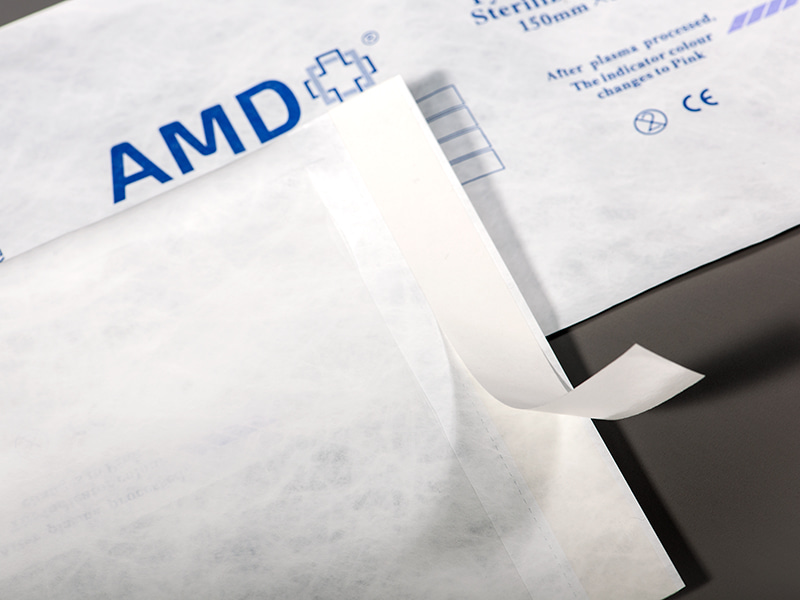
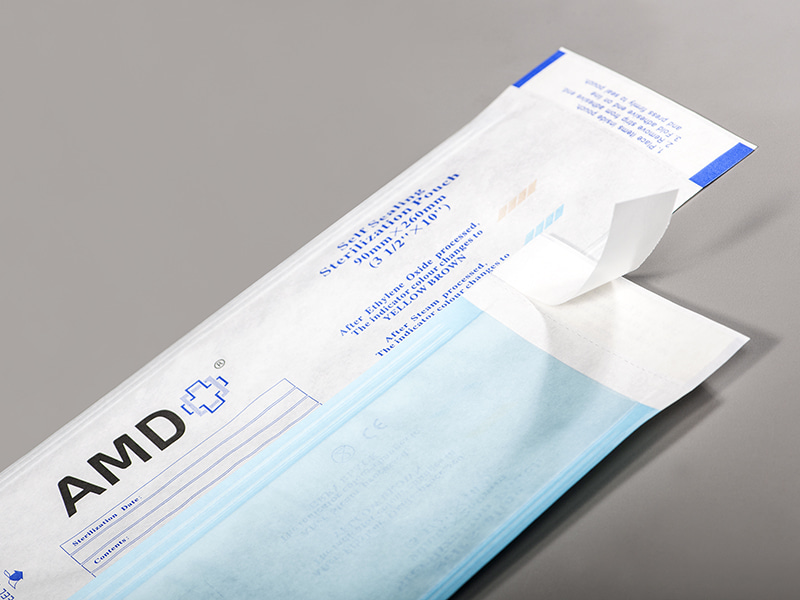
A self sealing pouch is designed so that it can be closed without external tools. The sealing area is already built into the structure. Once the protective strip is removed or adjusted, the pouch can be closed by pressing the two sides together.
This pressure activates the sealing surface. When applied evenly, it creates a closed line that helps protect the contents inside. The process is simple, but it depends on correct alignment.
If the edges do not match properly, the seal may not form evenly. This is why careful hand positioning is important during closure.
What Is The Correct Way To Seal The Pouch?
Sealing should be done slowly and evenly. The edges of the pouch need to match from one end to the other. If one side is higher or lower, the seal may not form properly.
Pressure should be applied along the full length of the sealing area. It is better to move gradually instead of pressing only one section at a time.
After sealing, a quick visual check is useful. The sealing line should look continuous without breaks or gaps. If anything looks uneven, it is usually better to redo the sealing step.
| Sealing Step | What To Focus On | Result To Aim For |
|---|---|---|
| Edge alignment | Matching both sides evenly | Smooth sealing line |
| Pressure control | Even hand movement | Consistent closure |
| Final check | Visual inspection | No visible gaps or weak points |
How Should Sealed Pouches Be Handled?
Once sealed, the pouch should be handled with care. The sealed edge is the important part, and it should not be bent, pressed, or stressed unnecessarily.
It is also better to avoid placing heavy pressure on sealed pouches during stacking. Even if the pouch is closed properly, repeated pressure over time can affect its shape.
Handling should remain gentle and controlled. This helps maintain the condition created during sealing and supports longer storage stability.
What Is The Best Way To Store Sterilization Pouches?
Storage conditions can influence how well a sealed pouch maintains its condition. A clean and dry environment is usually preferred. Dust, moisture, or direct contact with rough surfaces may affect the outer layer over time.
Pouches should be stored flat when possible. This helps prevent bending or stress along the sealed area. Organized stacking also makes handling easier and reduces unnecessary movement.
Simple storage habits often make a noticeable difference in how stable the pouches remain during use.
What Common Mistakes Should Be Avoided?
One common issue is overfilling the pouch. When too many items are placed inside, sealing becomes uneven and the pouch may not close properly.
Another frequent mistake is rushed sealing. If the edges are not aligned carefully, small gaps can remain without being noticed immediately.
Touching the inner sealing area during loading is also something to avoid. Even light contact can affect the sealing surface.
These mistakes are often small, but they can influence overall performance if repeated.
How Does Proper Use Support Consistency?
When sterilization self sealing pouches are used correctly, they create a more stable and predictable storage method. Each step, from preparation to sealing, plays a role in maintaining that stability.
Over time, proper handling reduces variation in results. The process becomes more consistent, and items remain in better condition during storage periods.
In daily operations, this consistency helps create a smoother workflow, where fewer corrections are needed and handling becomes more routine and controlled.
 ‘s-Gravenweg 542, 3065SG RotterdamThe Netherlands
 +31 (0)10 254 28 08