
 English
 Français
 Deutsch
 Nederlands
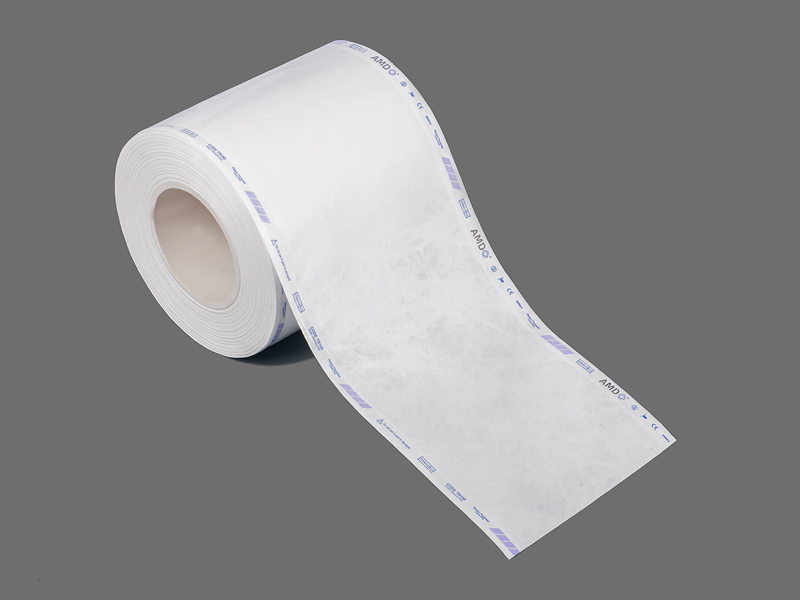
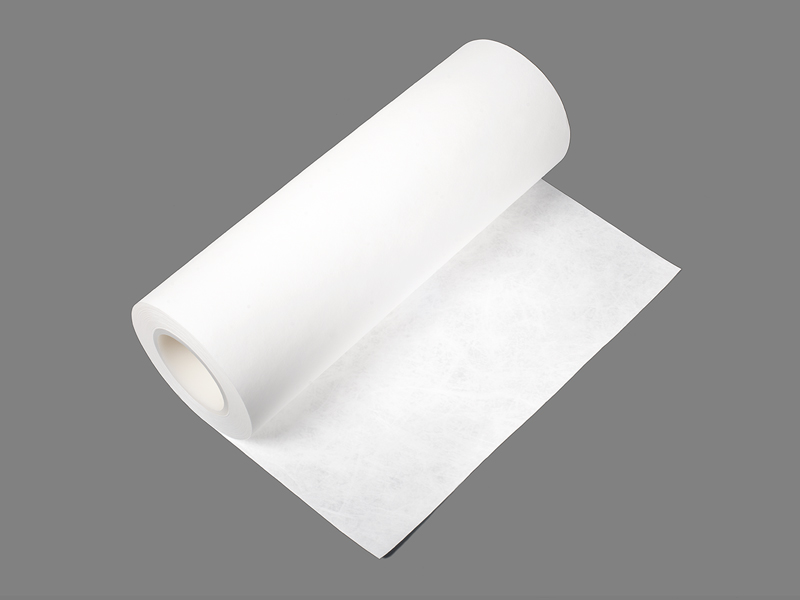
A sterilization flat roll is a continuous reel of sterile barrier material supplied for on-demand pouch production in clinical and manufacturing settings. Over the past decade the format has been used by central sterile services departments, device manufacturers and laboratory teams to package instruments and components prior to routine sterilization.
Content
- 1 A plain description of the format
- 2 Why some facilities adopt the roll format
- 3 How the material is constructed
- 4 Compatibility with sterilization methods
- 5 Regulatory, quality and traceability matters
- 6 Common workplace practices and handling guidance
- 7 Validation and testing: what teams typically do
- 8 Operational benefits and practical limitations
- 9 Choosing a supplier: documentation and service matters
- 10 Packaging inks and process indicators
- 11 Inventory, logistics and cost considerations
- 12 Environmental considerations
- 13 Use cases and industry scenarios
- 14 Practical checklist for procurement and quality teams
- 15 Training and human factors
- 16 Common pitfalls and how to avoid them
- 17 How manufacturers support adoption
- 18 Frequently asked questions
A plain description of the format
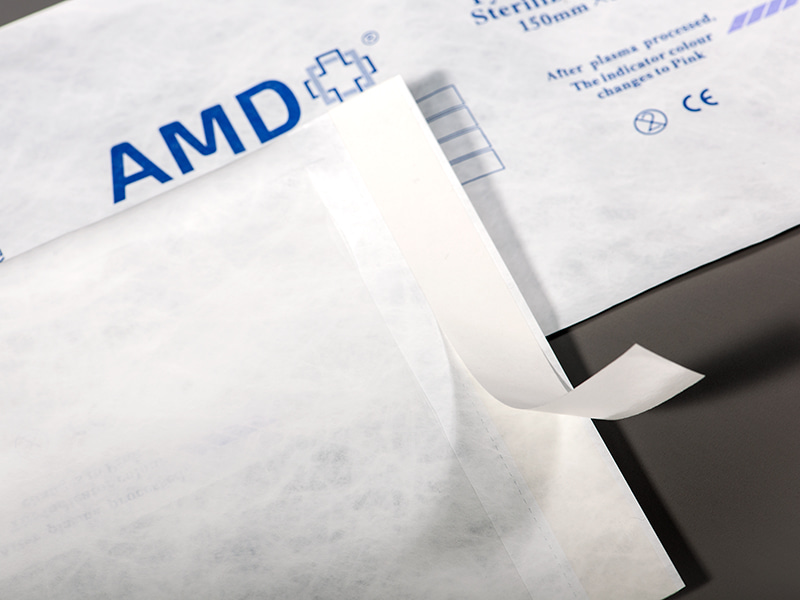
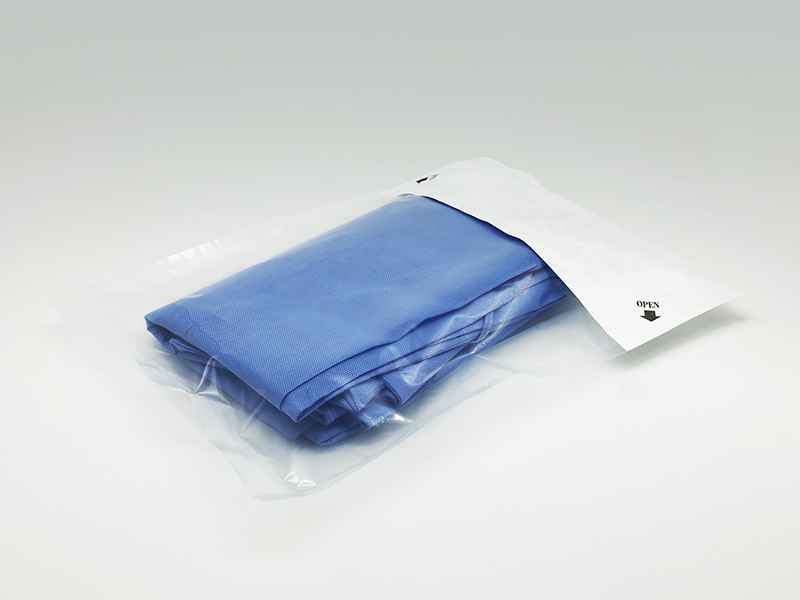
In its simplest form, a flat roll combines a breathable sheet and a transparent film laminated together along one edge and supplied wound on a core. Staff cut the material to the required length, load items onto the sheet, and complete a heat seal to form a sterile barrier pouch. The transparent face permits visual inspection of the contents without opening the package, while the breathable face allows sterilants used in approved cycles to contact the load. Packaging companies publish usage guidance so sterile processing teams can align the roll format with their local procedures.
Why some facilities adopt the roll format
The appeal of the reel format is operational flexibility. Teams that routinely handle instrument sets of varying shape or size can tailor pouch length to each load, which may reduce leftover scrap and the need to stock many fixed pouch sizes. In high-volume settings, the roll format can be integrated with tabletop or automated sealing equipment to maintain consistent sealing quality while allowing bespoke pack dimensions. Suppliers also position the reel as a complement to pre-formed pouches rather than a replacement, since each format has distinct practical trade-offs.
How the material is constructed
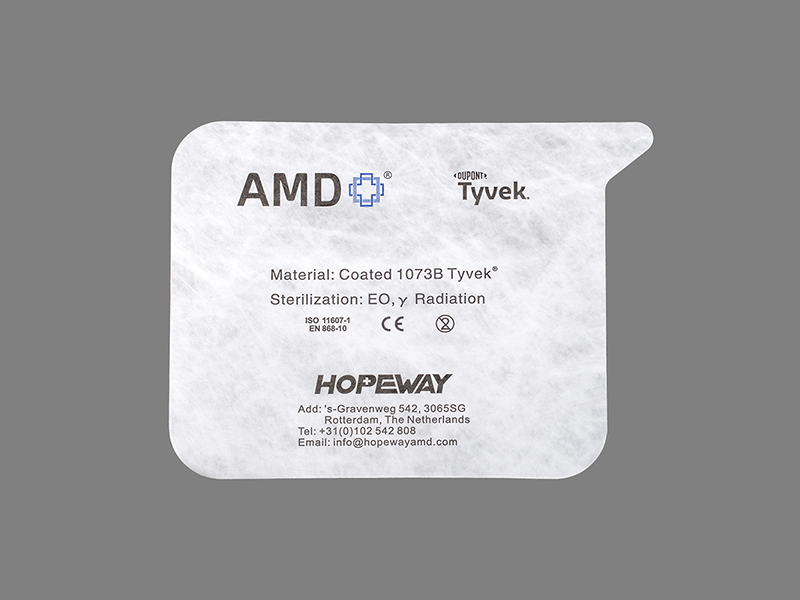
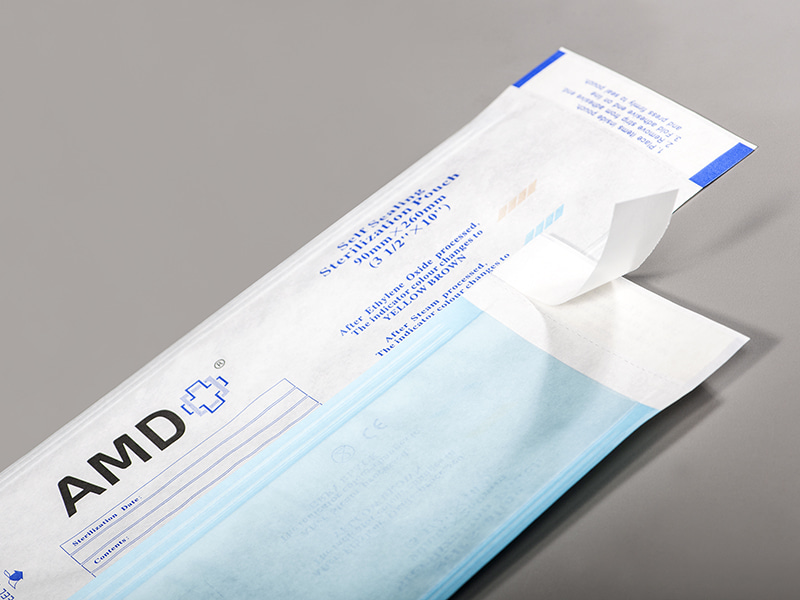
Manufacturers commonly bond a breathable medical paper or similar substrate to a clear polymer film. The breathable surface is engineered to permit penetration of steam or gas sterilants and to disperse moisture during conditioning and exposure phases. The film side serves as the visible window and helps maintain a protected barrier after sealing. Many products include printed process indicators on the breathable face to show exposure to a validated sterilization cycle. Those indicators follow established color-change chemistry and are placed to avoid seal areas and potential ink migration.
Compatibility with sterilization methods
Flat rolls are used in multiple sterilization modalities, commonly steam and gaseous processes. When planning adoption, sterile processing teams must confirm that the chosen material and any applied inks are compatible with their intended sterilization cycles. Manufacturers typically provide guidance and test data describing which cycle types the product has been designed to accept; this documentation supports local validation work and helps prevent misapplication. Users should treat vendor guidance as a starting point and perform facility-specific testing under representative load and cycle conditions.
Regulatory, quality and traceability matters
Because packaging contributes directly to patient safety, organizations expect suppliers to operate under an established quality system and to provide documentation that supports regulatory review and internal audits. Typical items that procurement and quality teams request include certificates for the manufacturer's quality management system, declarations of conformity to relevant standards for sterilization packaging and access to technical literature that explains how the product behaves in validated cycles. Vendors commonly post or provide such materials to help buyers complete their due diligence.
Common workplace practices and handling guidance
To work reliably, a flat roll needs consistent preparation steps. Common practices include:
- Cutting pouches using a clean, calibrated cutter or a single-use blade to avoid fraying of the breathable surface.
- Placing process indicators so they are visible after sealing but away from the heat seal area.
- Using a validated sealer with consistent temperature and dwell time settings appropriate for the roll material.
- Storing both the reel and prepared pouches in dry, temperature-controlled conditions to prevent premature degradation.
Vendors often publish handling notes and short training guides to help teams standardize these tasks and reduce variability.
Validation and testing: what teams typically do
Introducing a new sterile barrier format usually triggers a validation pathway that mirrors established local protocols. Typical steps include:
- Running representative loads through routine sterilizer cycles using the new packaging.
- Including chemical and biological indicators at predefined positions to confirm sterilant exposure.
- Performing package integrity tests after sterilization and after simulated handling and transportation.
- Documenting results and retaining records to satisfy internal quality and regulatory reviews.
Manufacturers may supply suggested validation checklists and small sample quantities to reduce the initial workload for hospitals and device makers; nonetheless, facility teams should perform testing under the exact conditions they will use in practice.
Operational benefits and practical limitations
A roll format can support flexible pouch sizing and visual verification of contents, which some teams find helpful in daily workflows. It may also simplify inventory by reducing the number of stock keeping units needed when instruments change frequently. On the other hand, the cut-and-seal process introduces an operator task that requires attention to ensure consistent seal strength and correct indicator placement. In units with low throughput the administrative overhead of training and monitoring may offset inventory gains. Many teams decide to pilot the format on a small scale before wider deployment.
Choosing a supplier: documentation and service matters
Selecting a manufacturer is not just a matter of material properties. Buyers typically assess:
- Availability of certificates and conformity statements.
- Access to technical literature and validation guidance.
- Sample availability for pilot testing.
- Responsiveness of technical support for integration questions.
Hopeway AMD publishes product pages and application notes that aim to support procurement and quality functions with descriptive material and suggested use cases, and prospective purchasers often use those resources during supplier evaluation.
Packaging inks and process indicators
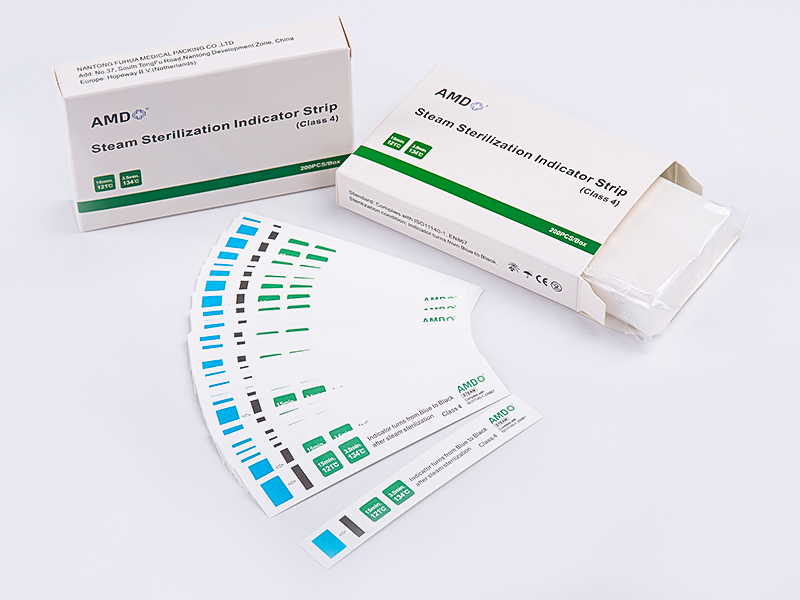
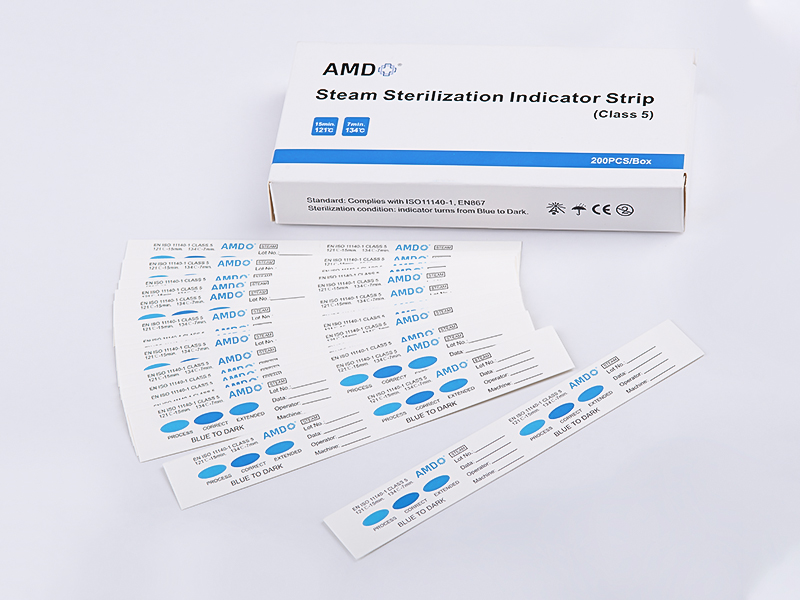
Process indicators are a small but important feature. They provide visual confirmation that a package has been exposed to the sterilization environment. Indicator inks are formulated to react to particular sterilant conditions and are usually applied in positions that remain visible after sealing. Buyers should confirm that indicators conform to recognized standards for sterilization process indicators and that the ink chemistry is stable under storage and handling conditions.
Inventory, logistics and cost considerations
From a supply perspective, the reel format can reduce the number of stock items required, because the same roll can be used to produce many pouch lengths. That said, procurement should also plan for the tools and consumables needed for pouch production, including cutters, sealers and spare cores. These peripheral items influence total cost of ownership and should be part of any supplier comparison.
Environmental considerations
Sustainability questions are increasingly part of purchasing conversations. When comparing formats, teams may consider recyclability of film layers, paper sourcing credentials and the potential for reducing unused material. Some organizations include lifecycle thinking in their specifications, balancing clinical and regulatory priorities with environmental targets. Suppliers sometimes disclose material composition and recycling guidance to help customers align choices with internal sustainability policies.
Use cases and industry scenarios
Flat reels are used across healthcare and device manufacture in several ways. Common scenarios include:
- Custom instrument sets where tray configuration changes frequently.
- Central sterile units that process many different device families each day.
- Device manufacturers that need flexible packaging for pre-sterilization operations.
- Small laboratories where bespoke pouch sizing improves handling of unusual items.
For each scenario, the team should map workflow steps and run a short pilot to confirm that the chosen product meets clinical, logistical and validation requirements.
| Consideration | Reel format | Pre-formed pouches |
| Flexibility of size | High — cut to length | Fixed size available |
| Visual inspection | Clear film for sight | Varies by product |
| Inventory variety | Lower SKUs possible | Multiple sizes often needed |
| Operator effort | Requires cutting and sealing | Often ready to seal or pre-sealed |
| Pilot complexity | Moderate — validation needed | Usually lower for common sizes |
Practical checklist for procurement and quality teams
Before approving a roll for routine use, teams commonly confirm:
- Manufacturer's quality system certificates are available.
- Technical guidance on handling and sealing is provided.
- Process indicators and their placement are specified.
- Samples are available for facility validation.
- Traceability and batch documentation accompany shipments.
Organizing these items in advance accelerates pilot testing and reduces back-and-forth during audits.
Training and human factors
Operator technique matters. Facilities that introduce reels tend to provide short, focused training sessions on cutting technique, correct sealer operation and indicator positioning. Visual aids, laminated job aids at the packaging bench and short competency checks can reduce variation and help maintain consistent package integrity. Many suppliers provide brief training materials or can collaborate on on-site demonstrations during the pilot phase.
Common pitfalls and how to avoid them
Some recurring issues observed during roll adoption include:
- Incorrect indicator placement that leads to unclear readings. — Keep indicators visible and away from seal margins.
- Inconsistent seals due to incorrect sealer settings. — Use a validated sealer and confirm settings with the manufacturer guidance.
- Excessive waste from poor cut technique. — Use a simple cutting jig or dedicated cutter to reduce off-cuts.
Addressing these items in training and pilot testing minimizes risk and preserves sterilization integrity.
How manufacturers support adoption
Manufacturers typically support adoption through several channels:
- Documentation and datasheets that explain intended uses without disclosing proprietary production details.
- Sample packs for pilot validation.
- Technical support for sealer setup and recommended handling.
Hopeway AMD's product pages and application posts provide descriptive material and suggested scenarios to help teams evaluate the format and plan validation steps.
Frequently asked questions
Q: Will a flat roll work with our sterilizer?
A: Confirm with the manufacturer that the product is intended for your sterilization modality and then run facility-level validation under representative load conditions.
Q: Are process indicators reliable?
A: Indicators are useful visual checks when selected and placed properly; they are not a substitute for routine biological indicator testing during validation.
Q: Does the reel require special storage?
A: Store the product in a clean, dry area away from prolonged heat or direct sunlight and follow the manufacturer's storage guidance.
The sterilization flat roll is a flexible sterile barrier format that can support tailored pouch sizing and visual inspection, making it a practical option in many clinical and manufacturing situations. Its successful deployment depends on selecting an appropriate product, validating its performance under local sterilization cycles, training operators on consistent preparation technique and maintaining clear documentation for quality and regulatory review. Suppliers such as Hopeway AMD provide product descriptions, application notes and support material intended to assist procurement and sterile processing teams as they evaluate the format for pilot trials and operational use.




 ‘s-Gravenweg 542, 3065SG RotterdamThe Netherlands
 +31 (0)10 254 28 08