
 English
 Français
 Deutsch
 Nederlands
In health care settings where contamination risks and workflow pressure meet daily, the humble package that holds sterile instruments quietly plays a pivotal role. Heat-sealing sterilization pouches, available through suppliers such as HopewayAMD, have become common tools for wrapping single-use and reusable items before sterilization and storage.
Content
- 1 A short primer: what a heat-sealed pouch is and why it matters
- 2 Materials and construction: what the product pages describe
- 3 How design choices translate into day-to-day practice
- 4 Heat-sealing versus self-seal: pick the right tool for the workflow
- 5 Compliance and standards: what to look for in documentation
- 6 Sterilization compatibility: common methods and how packaging performs
- 7 Traceability, labeling and process control
- 8 Sustainability and lifecycle considerations
- 9 Where a heat-sealed pouch shows its strengths: three use cases
- 10 Practical questions procurement teams should ask vendors
- 11 Common handling pitfalls and how packaging design helps avoid them
- 12 Cost considerations: not just unit price
- 13 Evaluating supplier transparency and service
- 14 Practical checklist for a pilot trial
- 15 Frequently asked questions (brief)
- 16 Small packages, tangible effects
A short primer: what a heat-sealed pouch is and why it matters
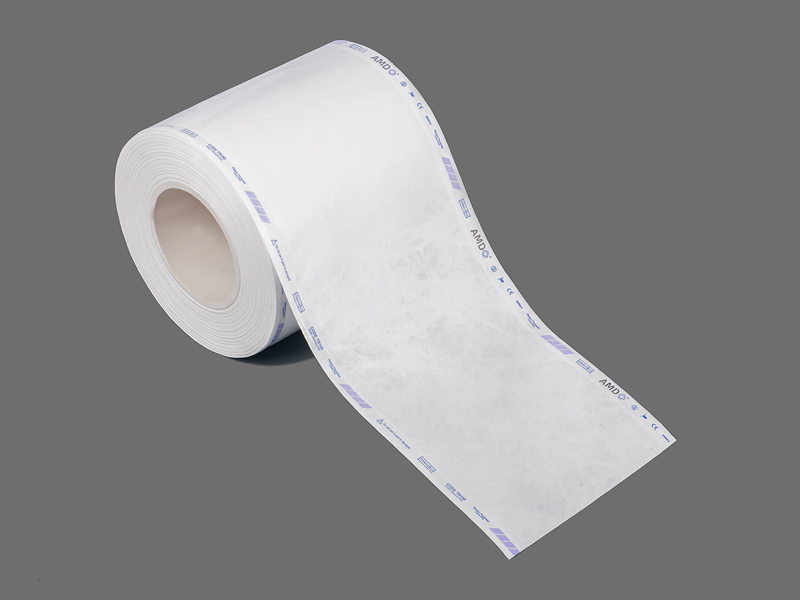
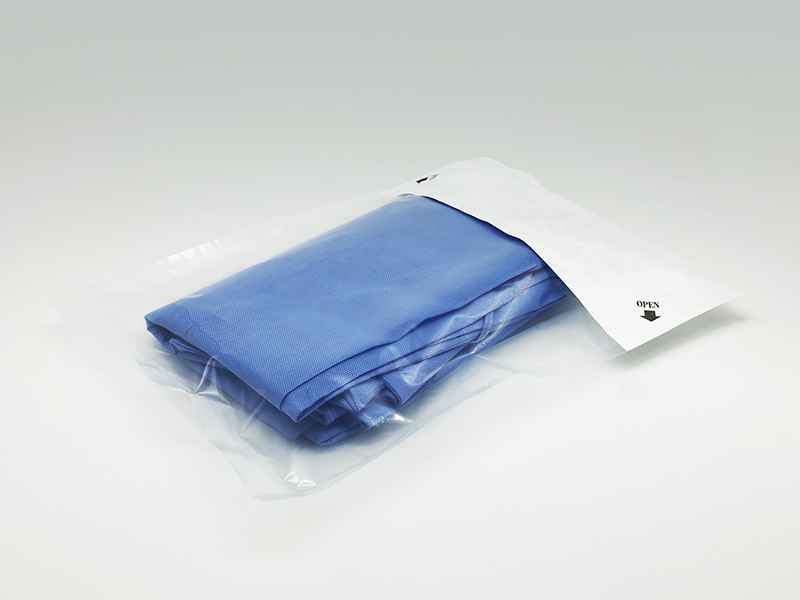
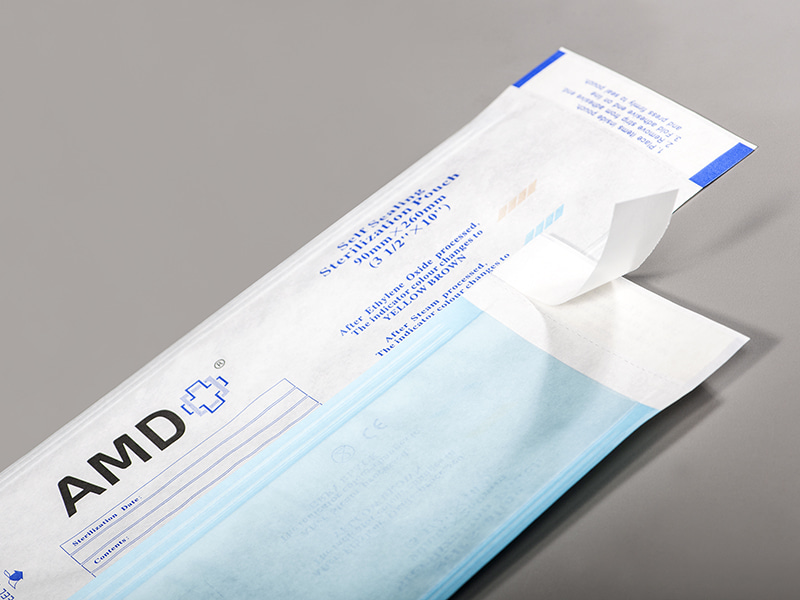
A heat-sealing pouch is a single-use package constructed to allow sterilant penetration during processing while maintaining a microbial barrier after sterilization. Typically built from a combination of transparent film and medical-grade paper, the pouch is closed using a calibrated heat sealer that produces uniform edges and consistent closure strength. Because the seal itself becomes a critical control point, features such as multiple seal rails and visible process indicators are often included to support predictable performance during handling and transport. These are not cosmetic details: packaging that tears, peels poorly, or lacks clear indicators can create rework, delay patient care and complicate traceability.
Materials and construction: what the product pages describe
According to the supplier's product information, the pouch combines a reinforced transparent PET/CPP film with a medical-grade paper backing. The film provides visual inspection of contents while the paper forms a breathable barrier for sterilant access. Many of the product entries emphasize a multi-line seal design, commonly implemented as three equally spaced seal rails, to improve package integrity during sterilization cycles and subsequent handling. Process indicator prints and marked opening directions are typically provided to simplify staff verification and aseptic presentation. The manufacturer also identifies compliance with commonly cited standards and quality systems in their technical literature.
How design choices translate into day-to-day practice
Small differences in package anatomy often have outsized effects once instruments are moving through a busy central sterile department. The following practical outcomes are commonly reported by users and described in industry commentary:
- Consistent sealing reduces rework. A heat sealer calibrated to the specific film-paper combination produces predictable seals; that predictability reduces the number of packages that fail inspection after process cycles.
- Visible windows cut down handling. Transparent film lets technicians confirm content without opening the package, which saves time and keeps sterile stocks intact.
- Opening cues support aseptic transfer. Marked peel directions and chevron patterns can make the presentation of sterile instruments faster and less error-prone at the point of use.
These operational effects feed into larger measures of service performance: fewer interrupts to sterilization schedules, clearer stock rotation, and less waste from damaged packs.
Heat-sealing versus self-seal: pick the right tool for the workflow
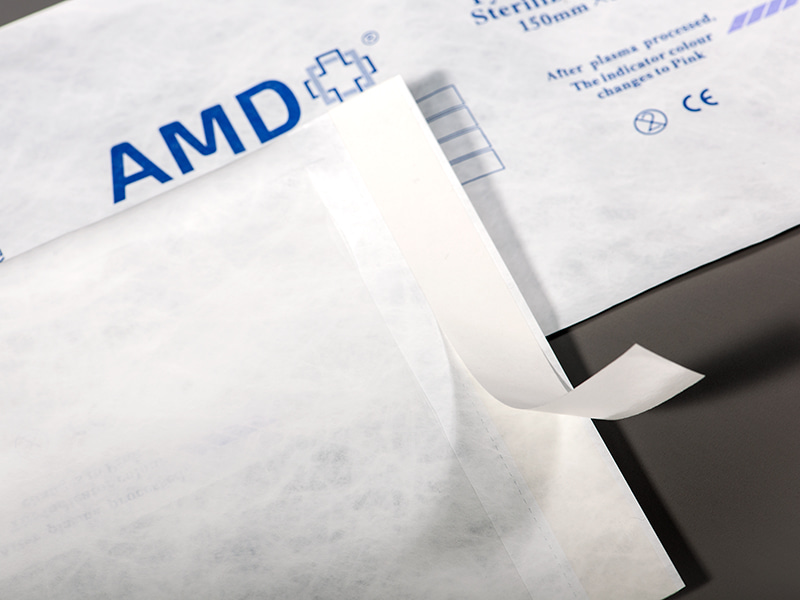
Facilities commonly choose between heat-sealed pouches and adhesive, self-sealing alternatives.
| Consideration | Heat-sealing pouch | Self-sealing pouch |
|---|---|---|
| Equipment | Requires a heat sealing device | No machine needed |
| Seal uniformity | Sealer-controlled for consistency | Relies on adhesive integrity |
| Throughput suitability | Often better for routine, high-volume loads | Convenient for small-volume or point-of-care use |
| Opening behavior | Usually clean peel when properly sealed | Simple peel but variable depending on adhesive and storage |
Neither system is universally preferable; the choice depends on volume, staff training, and service patterns. Where batch consistency and high throughput are priorities, heat sealing is often favored by sterile processing teams. Conversely, clinics that need flexibility and minimal equipment sometimes opt for the adhesive option.
Compliance and standards: what to look for in documentation
Purchasing teams should treat packaging documentation as an essential part of the supplier dialogue. Key items to request or confirm include:
- Statements that align the product with recognized sterilization packaging standards and indicator classifications.
- Manufacturing quality system certifications such as ISO 13485 or third-party audit statements.
- Instructions for use and validated recommendations on how the packs behave under different sterilization cycles.
Manufacturers that publish clear test references and traceability instructions make it easier for hospitals and clinics to validate acceptance criteria during audits and accreditation reviews. The HopewayAMD site lists relevant conformity references and quality credentials in its product descriptions and corporate pages.
Sterilization compatibility: common methods and how packaging performs
Packages are chosen in part for their compatibility with the sterilization method used by a facility. Typical methods include steam, ethylene oxide (EO), low-temperature hydrogen peroxide plasma and others used for sensitive items. While manufacturer literature provides the intended scope for a given pouch, independent instructions for use published by established brands and suppliers describe validated cycles and handling recommendations—helpful references when evaluating performance under real operating conditions. Always consult the product IFU and your sterilizer's validated cycles before routine use.
Traceability, labeling and process control
Traceability is a growing focus in supply chain governance. Products that are easy to label and that accept batch or lot marking reduce the friction of inventory control and post-market surveillance. Considerations in this area include:
- Space for labeling. Adequate printable area for date, operator initials, load or batch number.
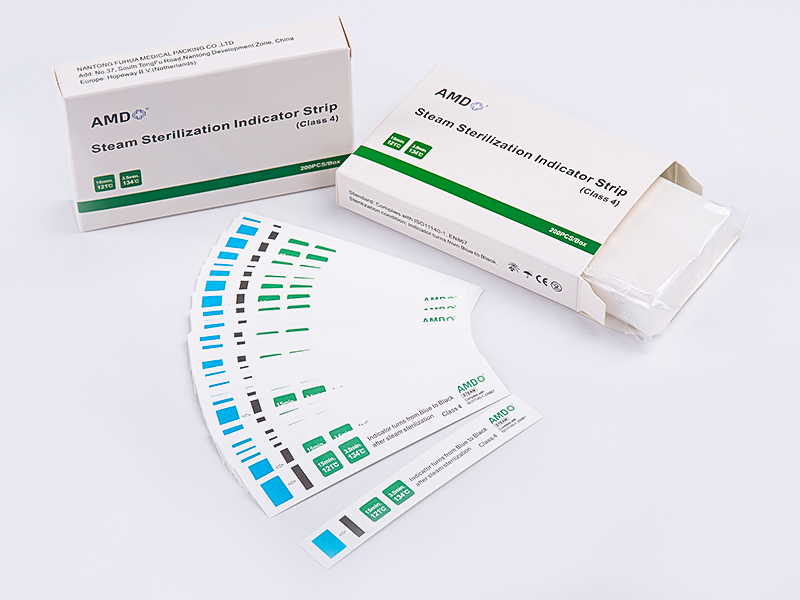
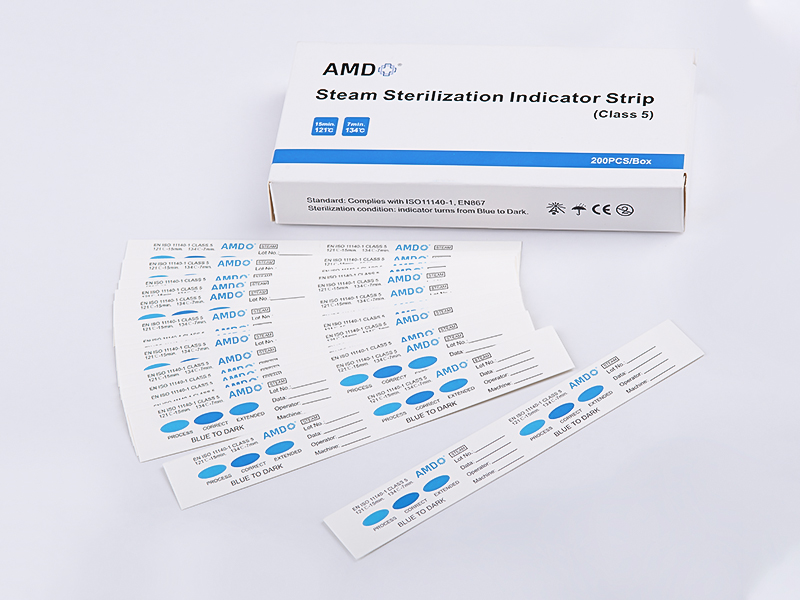
- Indicator clarity. Clear, stable prints for sterilization indicators that will not fade in storage.
- Batch coding. Supplier willingness to include production lot information that aids recall or investigation processes.
These elements reduce administrative overhead when facilities track instrument lifecycles or investigate deviations.
Sustainability and lifecycle considerations
Waste and resource impacts are now a regular part of procurement conversations. Sterile barrier material is single use by design, but there are ways to reduce the ecological footprint without weakening infection control:
- Optimized pack sizing. Choosing sizes that match instruments reduces excess packaging.
- Material choices. Suppliers are exploring lower-impact film formulations and paper sources with certification.
- Reduced waste handling. Clear guidance on disposal that helps facilities separate recyclable components where permitted.
Sustainability efforts should still be evaluated against sterilization integrity requirements; infection prevention cannot be compromised. However, lifecycle thinking can inform smarter purchasing and inventory planning. Industry commentary and supplier updates reflect steady interest in more sustainable packaging pathways.
Where a heat-sealed pouch shows its strengths: three use cases
- Central sterile processing in hospitals. When many trays and instrument sets are processed daily, the repeatability of heat-sealed edges and the ability to control seal parameters often outweigh the need for on-the-fly adhesive closure. The consistency can reduce rejected packs and improve throughput.
- Dental and outpatient clinics. Settings that perform frequent, predictable procedures benefit from pouches that are easy to inspect and open, with minimal extra handling at the point of care. The visible film helps staff confirm contents quickly.
- Laboratories and research units. When mixed or oddly shaped instruments must be packaged, the flexibility of the reel-to-pouch process paired with controlled sealing reduces jammed cycles and unexpected failures. Suppliers that offer a range of sizes and clear guidance make this easier for users.
Practical questions procurement teams should ask vendors
To judge whether a specific pouch design is right for a facility, procurement professionals can ask focused operational and verification questions:
- Can you provide instructions for use and validated sealing parameters for the specific film-paper pairing?
- Which standards and certificates back the product claims?
- Do you offer sample packs and size ranges for on-site evaluation?
- What shelf life and storage conditions do you recommend?
- Is there a sustainability policy for the materials used and is any recycling guidance provided?
Answers to these queries will help teams move beyond marketing language to practical performance expectations.
Common handling pitfalls and how packaging design helps avoid them
Even well-made pouches can be compromised by routine mistakes. The frequent problems include insufficient sealing time or pressure, rough handling during transport, and storage in humid conditions that alter adhesive behaviors. Features that reduce those risks include reinforced seal rails, clear peel guides, and material choices that tolerate typical environmental variations. Training and routine equipment maintenance are equally important: a good seal is the product of both material design and human practice.
Cost considerations: not just unit price
Comparing prices between pack types requires a broader view than the sticker number per pouch. Total cost of ownership can include:
- Equipment amortization for heat sealers.
- Reduced rework and fewer sterilizer cycles due to better package integrity.
- Labour savings from faster inspection and presentation.
- Waste disposal and potential recycling costs.
When facilities model these factors, a product that initially appears more expensive per unit may be justified by lower downstream costs or fewer disruptions.
Evaluating supplier transparency and service
Beyond the physical product, supplier behavior matters. Helpful supplier traits include timely technical documentation, willingness to support validation runs, accessible customer service for troubleshooting, and a reliable supply chain. Publicly available information such as quality system certificates and product IFUs is a useful screen when building a shortlist of vendors. The manufacturer's website provides many of these resources for reference.
Practical checklist for a pilot trial
Before adopting a new pouch across a service line, run a small-scale trial using this checklist:
- Select representative instrument sets for the trial.
- Seal with the recommended equipment settings and record parameters.
- Run through your standard sterilization cycles and inspect seals after processing.
- Test opening behavior and aseptic presentation at point of use.
- Track rejection rates, operator feedback and any handling incidents for a two- to four-week period.
- Compare total time and waste metrics against current packaging.
A methodical trial clarifies whether the new product actually integrates with your procedures.
Frequently asked questions (brief)
Q: Will a heat-sealed pouch work with my sterilizer?
A: Check the pouch's IFU and your sterilizer's validated cycles. Modern pouches are intended for common sterilization methods, but confirmation is essential.
Q: Do all heat sealers give the same result?
A: No. Seal quality depends on the sealer model, maintenance status and operator training. Calibration against the pouch material is important.
Q: Are there size options?
A: Suppliers commonly offer multiple sizes and reel-to-pouch formats to fit different instruments; verify availability before placing a large order.
Small packages, tangible effects
A sterilization pouch is a deceptively powerful element in clinical logistics. The material pairing, seal design and usability details influence daily routines, traceability and waste streams. When a facility evaluates a heat-sealed option sold through the HopewayAMD website or other suppliers, the reliable approach combines documentary review, hands-on trials and an eye to lifecycle impacts. Questions about standards alignment, sealing parameters and real-world handling behavior should guide the decision, ensuring that the chosen pack supports sterilization integrity and workflow efficiency for the teams that depend on it.



 ‘s-Gravenweg 542, 3065SG RotterdamThe Netherlands
 +31 (0)10 254 28 08