
 English
 Français
 Deutsch
 Nederlands
Sterile packaging often sits quietly in the background of healthcare and pharmaceutical work. It is not always visible, yet it plays a steady role in keeping items clean before use. Among the many formats used today, the AMD Tyvek 1073B/HDPE bag reel has gained attention for how it supports steam sterilization workflows.
This material combination brings together structure and breathability. It also allows packaging teams to adapt bag sizes during production rather than relying only on pre-formed pouches. That flexibility shapes how facilities plan their daily operations.
Content
- 1 What is an AMD Tyvek 1073B/HDPE bag reel?
- 2 Why combine Tyvek 1073B with HDPE film?
- 3 How does the reel format change packaging workflows?
- 4 How does it support steam sterilization processes?
- 5 What role does strength play in packaging performance?
- 6 How does sealing influence the final package?
- 7 Where is this type of packaging commonly used?
- 8 How does it contribute to production efficiency?
- 9 What factors influence material choice in sterile packaging?
- 10 How does it fit into cleanroom environments?
- 11 How does it handle items with complex shapes?
- 12 What makes it suitable for breathing bag applications?
- 13 How does it support handling and storage?
- 14 How does it align with changing production needs?
What is an AMD Tyvek 1073B/HDPE bag reel?
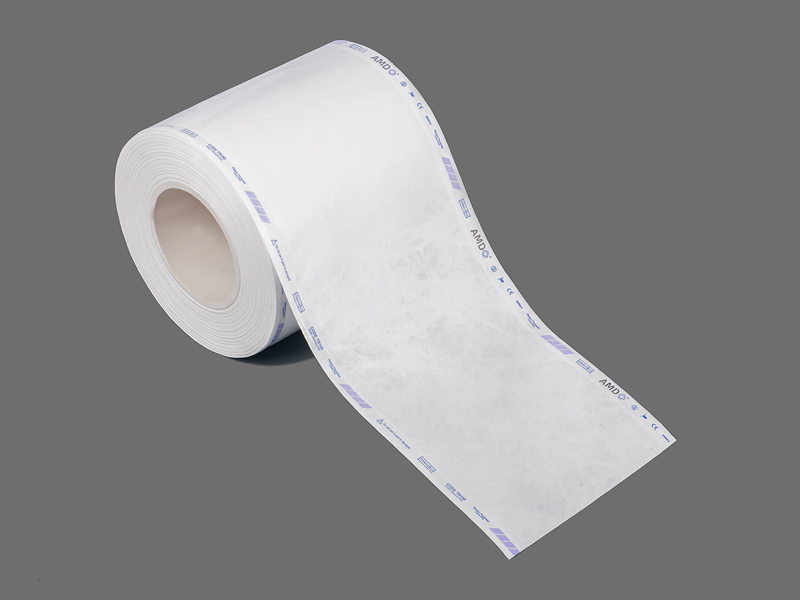
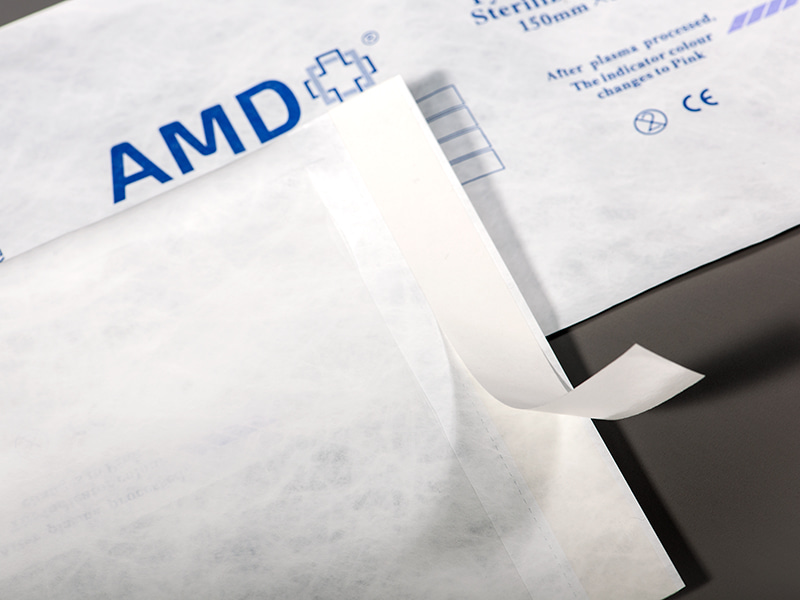
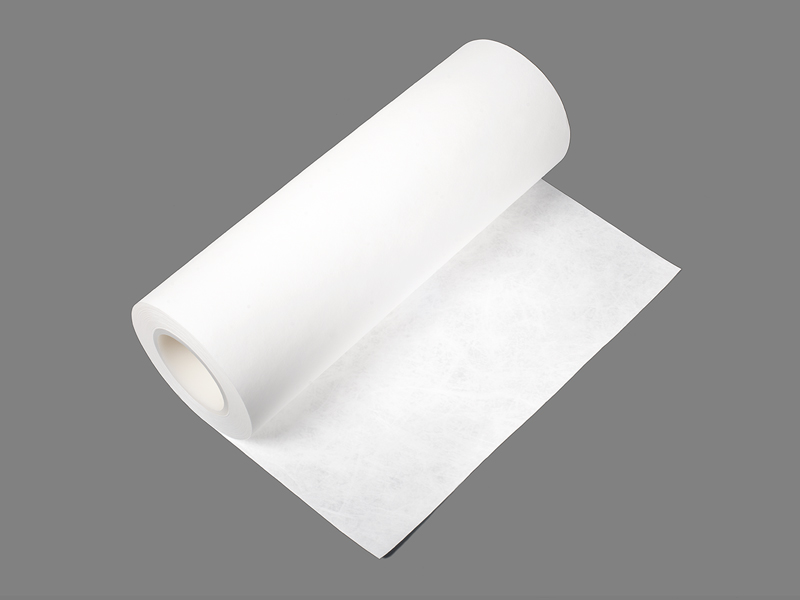
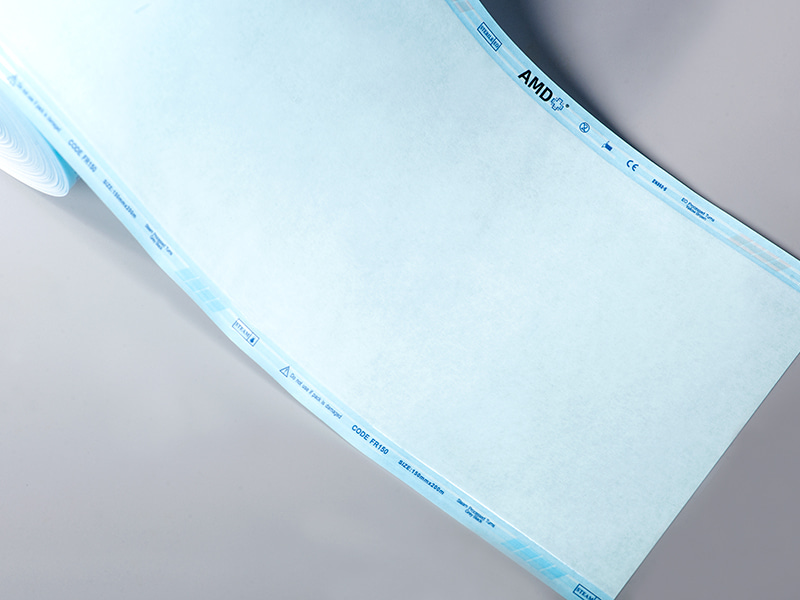
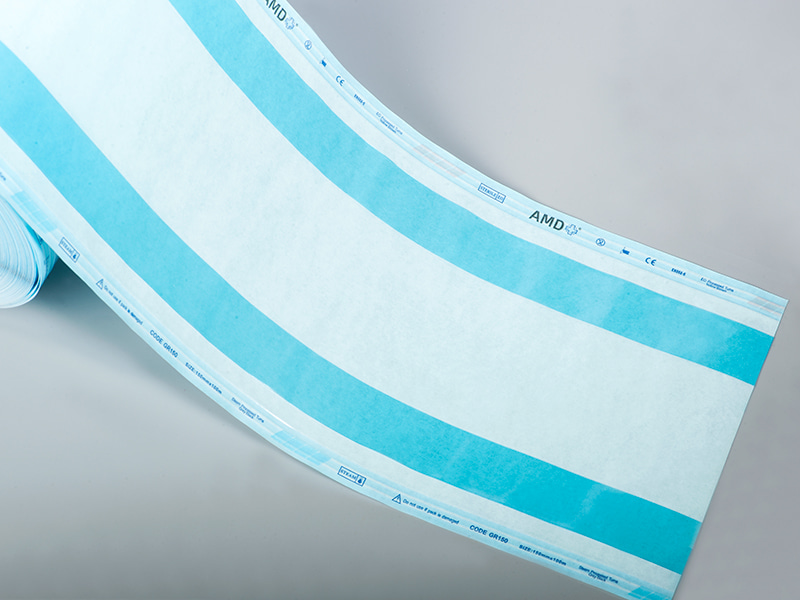
An AMD Tyvek 1073B/HDPE bag reel is rolltype packaging material engineered for sterile barrier packaging. It is manufactured under strictly controlled production conditions with a duallayer structure: one side is medicalgrade Tyvek 1073B, and the other is semitransparent HDPE film.
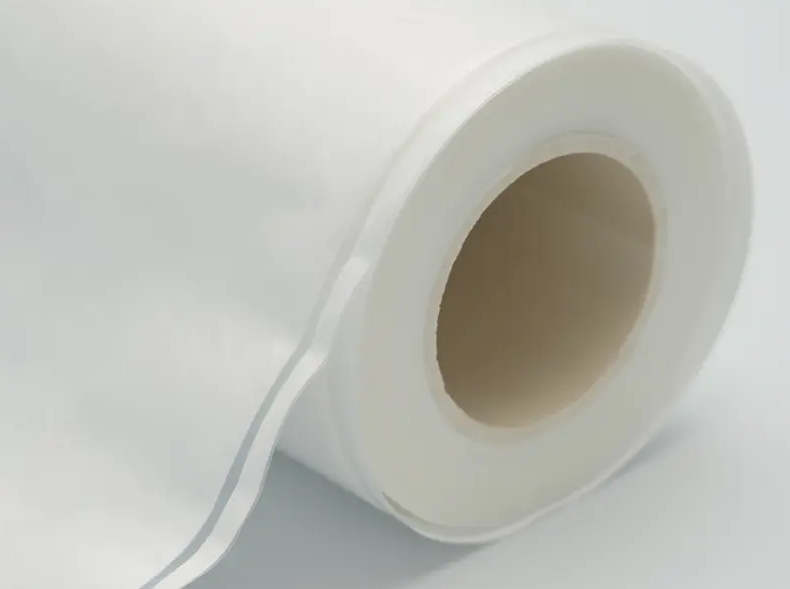
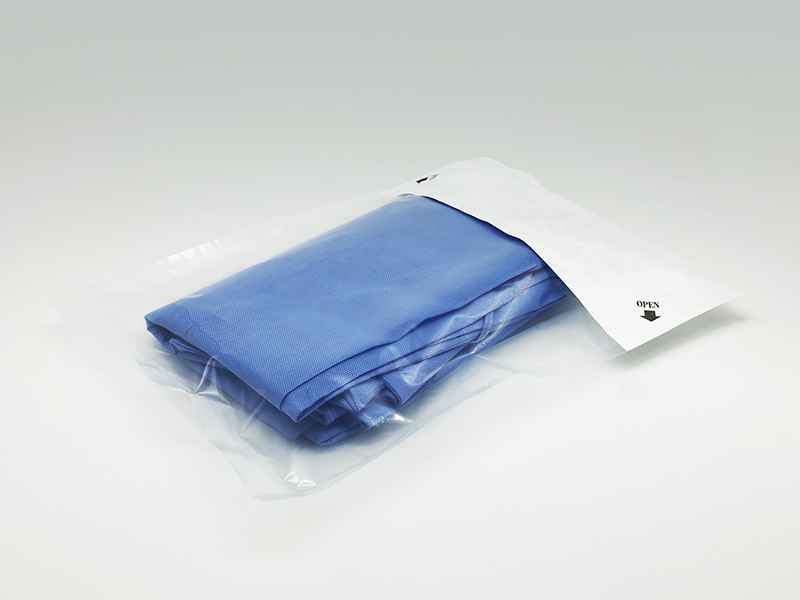
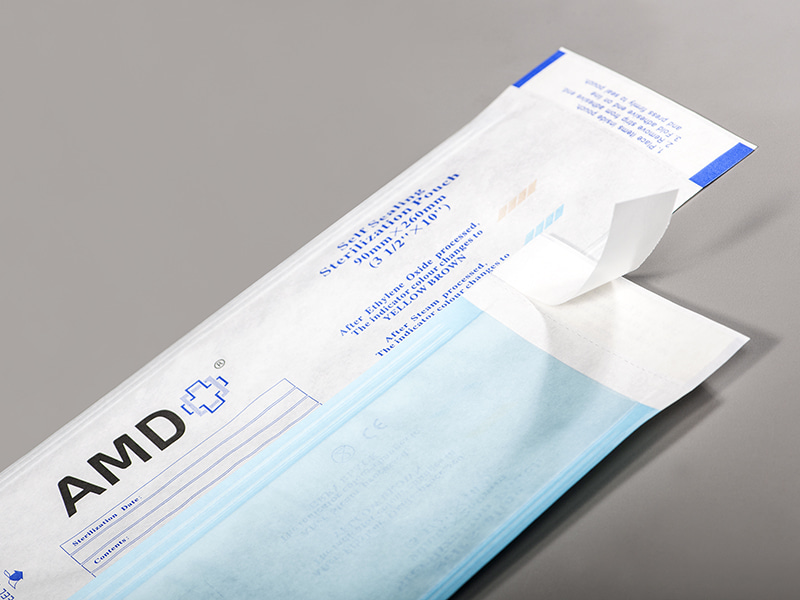
As it comes in reel form, workers can cut the material into custom lengths according to actual needs. After cutting, both edges can be heatsealed to make closed pouches for holding items that require sterilization treatment.
Different from fixedsize premade packaging, reelbased material allows flexible size adjustment. The same roll can pack tiny components and largersized products alike, which reduces the variety of packaging materials needed onsite during production.
Why combine Tyvek 1073B with HDPE film?
Matching Tyvek 1073B with HDPE film is designed to combine complementary performance advantages, instead of relying on a single material feature.
Tyvek 1073B has a unique fibrous structure. It lets air and sterilization agents pass through smoothly while keeping out pollutants, which ensures effective sterilization and keeps contents clean afterward.
HDPE film offers visibility and structural support. Staff can check packaged items directly without opening the pouch, and its flat surface supports stable heat sealing.
Used together, one layer enables proper gas flow for sterilization, while the other ensures safe containment. This material combination works exceptionally well for steam sterilization processes, where steady penetration of sterilants and sufficient drying are both essential.
How does the reel format change packaging workflows?
Packaging workflows often depend on speed and consistency. The reel format introduces a different rhythm compared to pre-made pouches.
Instead of selecting from fixed sizes, operators cut the material as needed. This allows better use of space. It also reduces leftover material from oversized packaging.
The process usually follows a simple pattern:
- Unwind the reel
- Cut to the desired length
- Seal one end
- Insert the product
- Seal the other end
This sequence can be integrated into automated or semi-automated systems. It supports continuous operation without frequent stops to switch packaging formats.
The reel also simplifies inventory management. A single roll can serve multiple product types, which reduces storage complexity.
How does it support steam sterilization processes?
Steam sterilization works by letting heat and moisture go through packaging to sanitize products inside. To make this happen, packaging materials must let steam flow through easily, while keeping outside contaminants out.
The Tyvek 1073B layer takes care of this critical function. It allows steam to move freely in and out during the sterilization cycle. After treatment finishes, it creates a protective shield that stops bacteria and other pollutants from entering the sealed pouch.
HDPE film does not let air pass through easily, so it keeps products safely enclosed inside the bag. The bonded seal between Tyvek 1073B and HDPE is extremely important; it cannot split or come loose during sterilization or longterm storage afterwards.
This twomaterial design also handles poststerilization drying problems well. Trapped moisture inside the package leads to condensation, which ruins sterility. The matched material setup lets extra moisture escape quickly, balancing effective sterilization with proper dry storage conditions.
What role does strength play in packaging performance?
Sterile packaging is not just for maintaining cleanliness. It also needs to withstand various external impacts during daily handling, long-term storage and logistics transportation to protect internal products.
Tyvek 1073B boasts toughness and tear resistance. It does not easily break even when wrapping parts with sharp edges or irregular shapes. This makes it highly suitable for packaging common accessories like rubber stoppers, plastic caps and fragile glass components in medical production.
The HDPE film complements the structural performance of the packaging. It can fix the overall shape of the pouch, avoid deformation and keep the internal enclosed space stable at all times.
The two-layer structure works together to greatly reduce product damage caused by extrusion, friction and collision during handling and transit. More importantly, it can effectively protect the sealing edge from damage, which is the key to maintaining the long-term sterile state of the packaging.
How does sealing influence the final package?
Sealing is one of the critical procedures in sterile pouch production. The quality of the seal directly determines whether the packaging can remain intact and sterile throughout sterilization processing and subsequent shelf storage.
This reel-type packaging material adapts to most mainstream industrial heat sealing equipment. Workers fuse the Tyvek and HDPE layers together by heating the edges of the material to form a complete, uninterrupted sealing line.
Factories can flexibly choose sealing methods according to actual production demands. Impulse sealing is often used for small-batch, precise packaging tasks, while continuous band sealing is more suitable for large-volume, high-efficiency assembly line production.
Standard and uniform sealing brings two core advantages. On the one hand, it ensures the package is tightly closed and free from contamination before use. On the other hand, it allows staff to open the pouch smoothly and cleanly during operation without producing tiny debris that could pollute sterile products.
Where is this type of packaging commonly used?
This packaging is widely adopted in workplaces where regular sterilization procedures are standard practice, mainly for pharmaceutical parts and various medical supplies.
Typical realworld applications cover:
- Packing rubber stoppers and plastic caps
- Storing smallsized components prior to assembly
- Preparing products to go through sterilization cycles
- Keeping sterilized components safely stored longterm
Thanks to its reelbased design, it can accommodate products of various sizes and irregular shapes. It works equally well for smallbatch runs and highvolume mass production.
How does it contribute to production efficiency?
Efficiency in packaging does not depend on one factor alone. It is shaped by material handling, workflow design, and equipment compatibility.
The AMD Tyvek 1073B/HDPE bag reel contributes in several ways:
- Reduces the need for multiple pouch sizes
- Supports continuous packaging processes
- Simplifies material storage
- Allows flexible production planning
These aspects help create a smoother flow in production environments. They also reduce interruptions caused by packaging changes.
What factors influence material choice in sterile packaging?
Selecting packaging materials involves several considerations. The choice depends on the type of product, the sterilization method, and the handling process.
A simple overview can be seen below:
| Consideration | Role in Packaging |
|---|---|
| Breathability | Allows sterilizing agents to pass through |
| Strength | Protects contents during handling |
| Sealability | Ensures closure during sterilization |
| Visibility | Supports inspection without opening |
| Flexibility | Adapts to different product sizes |
The AMD Tyvek 1073B/HDPE combination addresses these points in a balanced way. It does not focus on a single feature but supports multiple needs within one structure.
How does it fit into cleanroom environments?
Materials like this are typically manufactured inside strictly regulated production spaces. Cleanroom standards cut down airborne particles and impurities that can get trapped during production.
This aligns directly with the purpose of sterile packaging. Even though final sterilization happens at a later stage, starting with lowcontamination raw materials leads to more reliable finished products.
Reelform packaging also works well within cleanroom workflows. It can be smoothly incorporated into automated packaging lines running under controlled, lowparticle conditions.
How does it handle items with complex shapes?
Many parts to be packaged feature irregular forms, such as sharp edges, protruding corners or uneven surfaces.
The Tyvek layer offers good flexibility. It bends and wraps around varied contours without tearing easily, keeping the packaging fully intact.
HDPE film brings structural stability. It keeps the pouch from collapsing while still letting staff view the packaged items clearly.
Thanks to this dualmaterial setup, one single reel can pack many different shaped components, removing the need to switch packaging types for individual products.
What makes it suitable for breathing bag applications?
In some packaging contexts, airflow is important. The term "breathing bag" is often used to describe materials that allow gas exchange during sterilization.
Tyvek 1073B supports this function through its structure. It allows sterilizing agents to pass through while maintaining a barrier afterward.
This makes it suitable for packaging items that require exposure to steam or other sterilizing conditions. The material supports both entry and exit of these agents during the cycle.
How does it support handling and storage?
After sterilization, packages often move through several stages. They may be transported, stored, or handled multiple times before use.
The strength of the material helps prevent damage during these stages. The sealed edges help maintain closure.
The semi-transparent film allows visual checks without opening the package. This supports inspection processes and reduces unnecessary handling.
How does it align with changing production needs?
Production environments do not remain static. Batch sizes, product types, and workflow designs can change over time.
The reel format offers a degree of adaptability. It allows packaging teams to adjust bag sizes without changing materials.
This supports a more flexible approach to production. It also helps facilities respond to shifts in demand without major changes to packaging systems.
 ‘s-Gravenweg 542, 3065SG RotterdamThe Netherlands
 +31 (0)10 254 28 08