
 English
 Français
 Deutsch
 Nederlands
When people think about medical devices, attention usually goes to the product itself. Packaging often stays unnoticed. However, before a medical device reaches a healthcare environment, the package has already taken on several responsibilities.
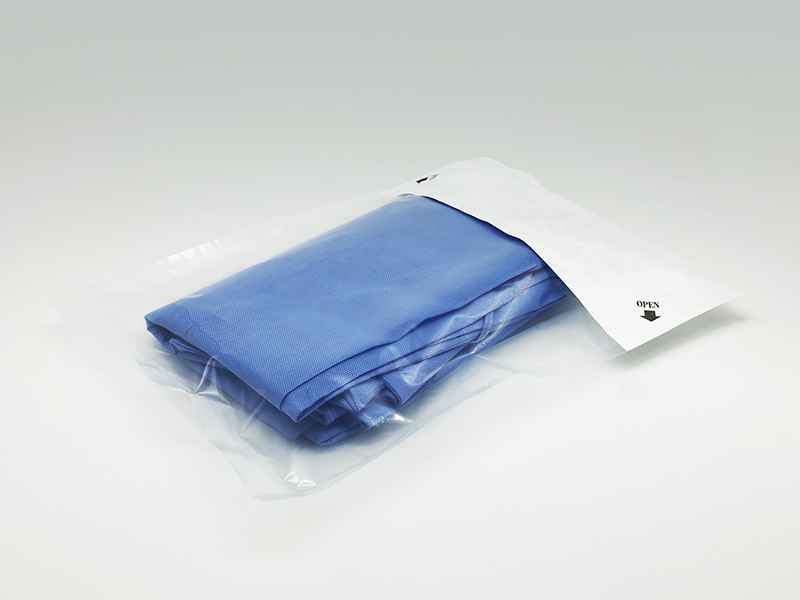
A medical pouch needs to protect the product, support storage, and make handling easier. It also needs to fit into the workflow of hospitals, clinics, and medical facilities.
This is why medical packaging has become an important part of healthcare manufacturing.
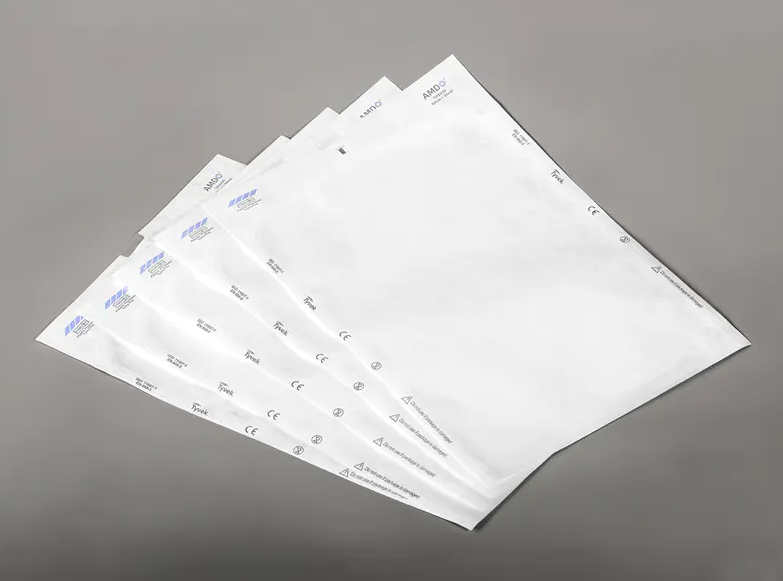
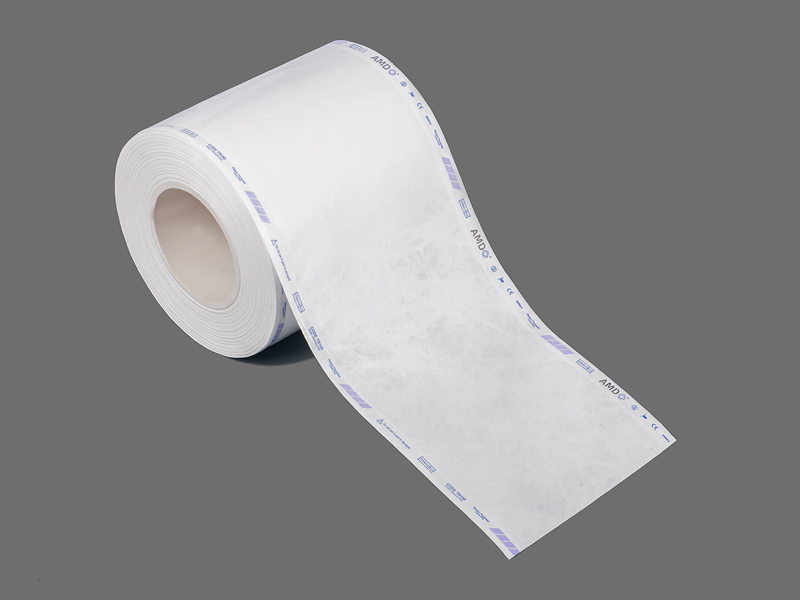
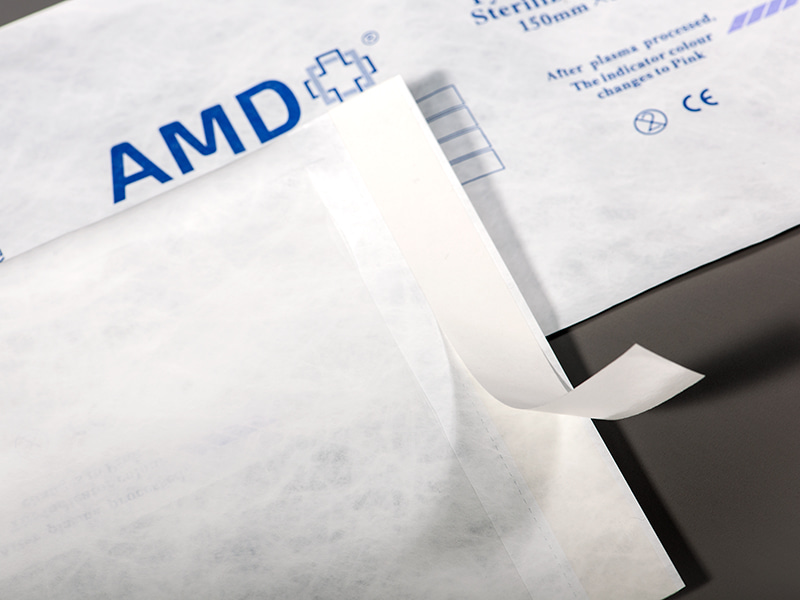
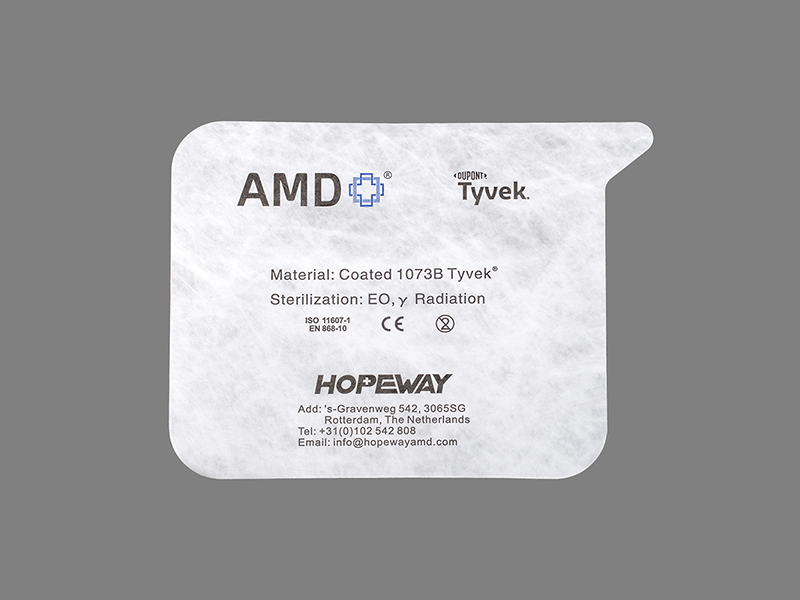
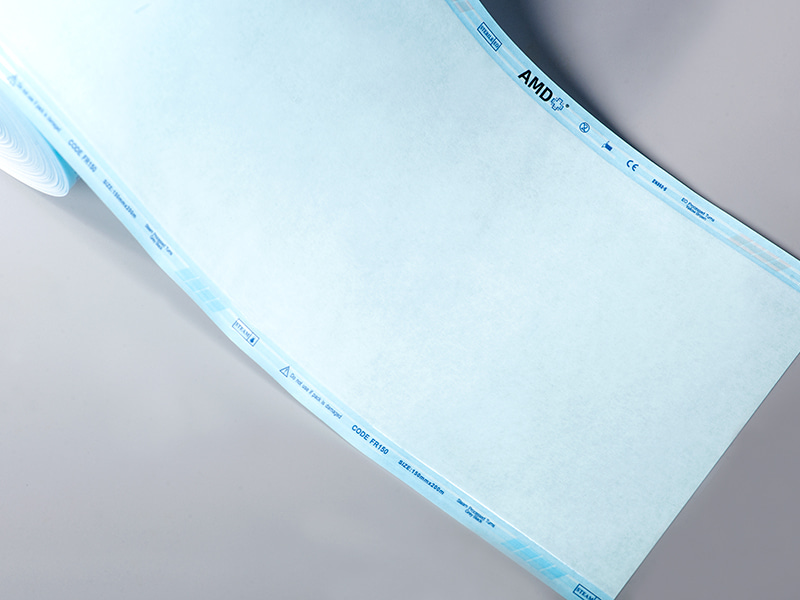
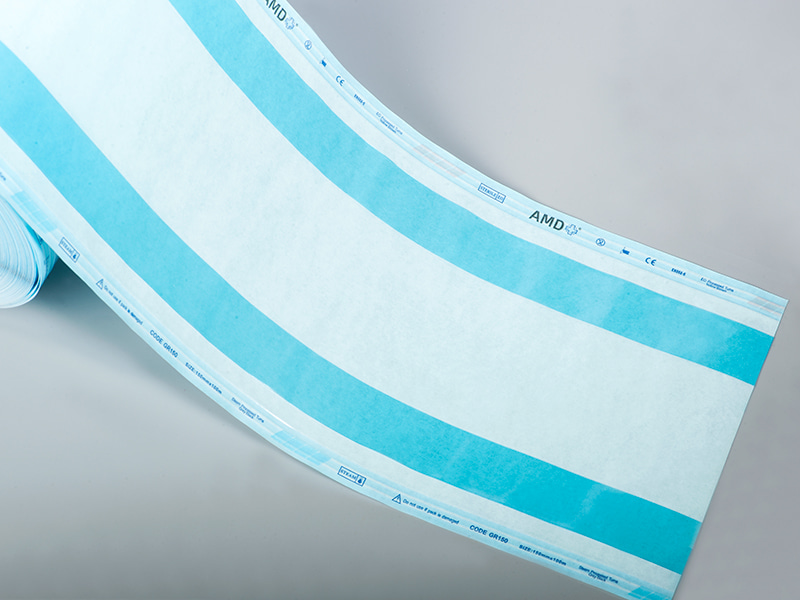
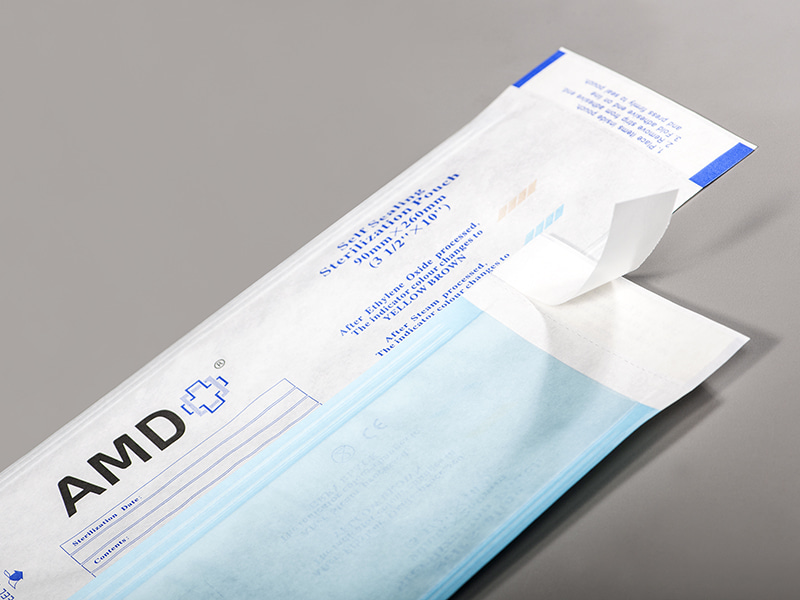
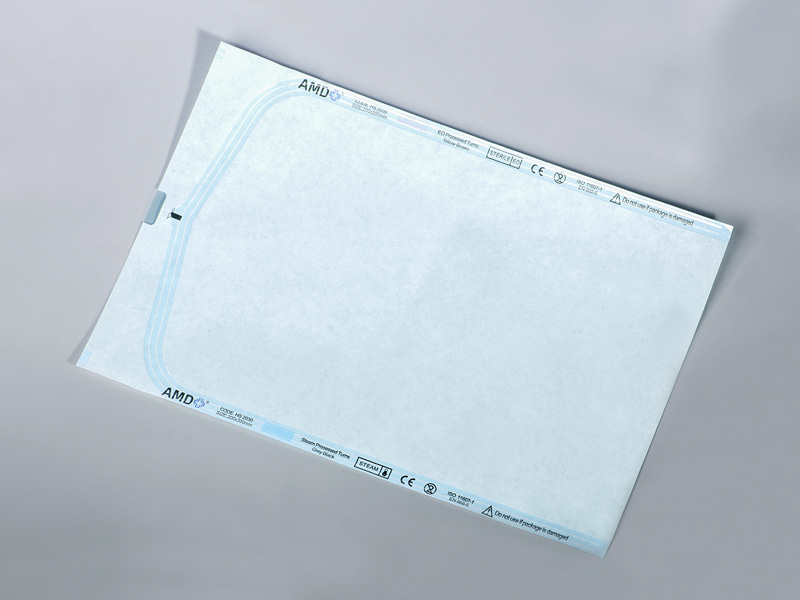
Tyvek pouches for medical devices are widely used in different packaging applications because they provide a practical way to protect products while supporting daily medical operations. Their production involves careful planning, material selection, forming, sealing, and inspection.
The manufacturing process is not simply about creating a pouch. It involves understanding how medical devices move from production to use.
As medical products continue to develop, packaging manufacturers are also changing their methods. They are paying more attention to flexibility, product protection, and easier handling.
Content
- 1 Why Are Tyvek Pouches Used for Medical Device Packaging?
- 2 How Does Material Preparation Affect Tyvek Pouch Production?
- 3 What Steps Are Involved in Making Tyvek Pouches?
- 4 How Are Tyvek Pouches Formed and Sealed During Manufacturing?
- 5 How Is Quality Managed During Tyvek Pouch Production?
- 6 How Do Tyvek Pouches Adapt to Different Medical Device Applications?
- 7 Why Is Medical Packaging Production Moving Toward More Flexible Methods?
Why Are Tyvek Pouches Used for Medical Device Packaging?
Medical devices are different from ordinary consumer products. Many devices require packaging that can maintain product condition during transportation and storage.
A package needs to do more than hold an item. It creates a protective space around the product and helps reduce possible outside influences during handling.
Tyvek pouches have become a common option in medical packaging because they combine practical design with protective functions. They can be used for different types of medical products and can be adapted according to packaging needs.
The popularity of these pouches is connected with several factors:
| Packaging Feature | Why It Matters |
|---|---|
| Material structure | Helps create a suitable protective environment |
| Package design | Matches different medical device shapes |
| Easy handling | Supports healthcare workers during use |
| Stable production | Helps maintain consistent package quality |
Medical packaging is closely related to safety and convenience. A well-designed pouch can make the process easier for both manufacturers and users.
The demand for reliable medical packaging has encouraged more attention toward pouch manufacturing methods. Companies are not only looking at the final appearance of packaging. They are also considering how the package performs throughout the product journey.
How Does Material Preparation Affect Tyvek Pouch Production?
Everything starts with raw material prep when making Tyvek pouches.
Before any production run kicks off, packaging makers first map out what each medical device actually needs. Different instruments call for unique pouch builds and custom designs to match their specifications.
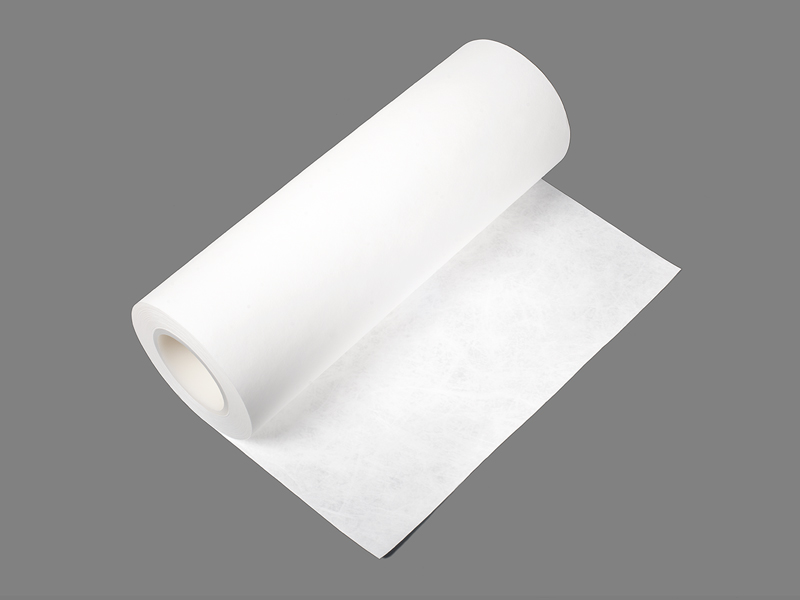
Tyvek pouches rely on layered composite materials, with every single layer carrying a separate, vital job to get the packaging performance right.
Medical packaging follows far stricter rules than regular consumer packaging, so raw materials have to be managed with extra care from the start.
Factories weigh up these core points while prepping materials:
- What kind of medical tool will go inside the pouch
- How much barrier and sterile protection the device demands
- How simple the pouch should be for staff to tear open in hospitals
- Temperature, humidity and handling conditions during storage and shipping
The materials you pick set the tone for every later production step.
If raw stock isn't fit for the device's intended use, cutting, sealing and finishing all become far trickier down the line. That's why manufacturers spend plenty of time testing and validating materials well before mass production begins.
Crafting medical Tyvek pouches means striking a careful balance. Pouches have to shield devices properly without becoming cumbersome for everyday clinical handling.
What Steps Are Involved in Making Tyvek Pouches?
The production of Tyvek pouches includes several connected stages. Each stage contributes to the final package quality.
The process usually begins with pouch design. Manufacturers need to understand the size, shape, and handling requirements of the medical device before creating the package.
After the design is confirmed, materials are prepared and converted into the pouch structure.
During production, manufacturers focus on creating a stable package form. The materials need to work together properly so the finished pouch can meet the needs of medical applications.
The general production process includes:
Material Preparation
Materials are checked and arranged according to the planned pouch design.
Pouch Forming
The prepared materials are shaped into the required package structure.
Sealing
Different parts of the pouch are connected to create a complete package.
Inspection
Finished pouches are checked to ensure they meet production expectations.
Although the process may appear simple from the outside, each step requires attention. Medical packaging cannot rely only on appearance. The internal quality of production also matters.
How Are Tyvek Pouches Formed and Sealed During Manufacturing?
The forming stage gives the pouch its basic structure. This is where flat materials become a usable package.
The production team needs to ensure that the materials are positioned properly and that the pouch design matches the intended medical device.
After forming, the sealing process connects different sections of the package.
Sealing is an important part of pouch production because it influences the overall condition of the package. A properly produced pouch needs to maintain its structure during storage and transportation.
Manufacturers usually pay attention to several areas:
Material connection
The different materials need to work together as one complete package.
Package appearance
A clean and organized appearance is important for medical environments.
Production consistency
Each pouch should follow the same production requirements.
The sealing stage requires both equipment support and production experience. Machines can handle repeated production activities, while workers monitor the process and manage quality control.
This combination allows manufacturers to maintain a stable production environment.
How Is Quality Managed During Tyvek Pouch Production?
Quality management plays an important role in medical packaging production.
A medical pouch needs to meet expectations before it reaches the healthcare field. Manufacturers need to check the package throughout the production process instead of waiting until the final stage.
Quality checks may focus on different areas, including material condition, pouch appearance, sealing results, and overall production consistency.
A structured inspection process helps manufacturers identify possible issues earlier.
| Quality Check Area | Production Focus |
|---|---|
| Material condition | Confirm suitable packaging materials |
| Pouch structure | Maintain proper package shape |
| Sealing process | Check package connection quality |
| Final appearance | Ensure clean and organized presentation |
Quality control is not only about finding problems. It is also about improving production methods.
Manufacturers often review their processes and make adjustments based on production experience. Over time, this helps create more stable packaging solutions.
For medical device companies, reliable packaging is part of product responsibility. The pouch surrounding the device becomes an important connection between manufacturing and healthcare use.
How Do Tyvek Pouches Adapt to Different Medical Device Applications?
Medical devices come in many forms. Some are small and simple. Others have more complex structures.
Because of these differences, packaging solutions cannot follow only one fixed approach.
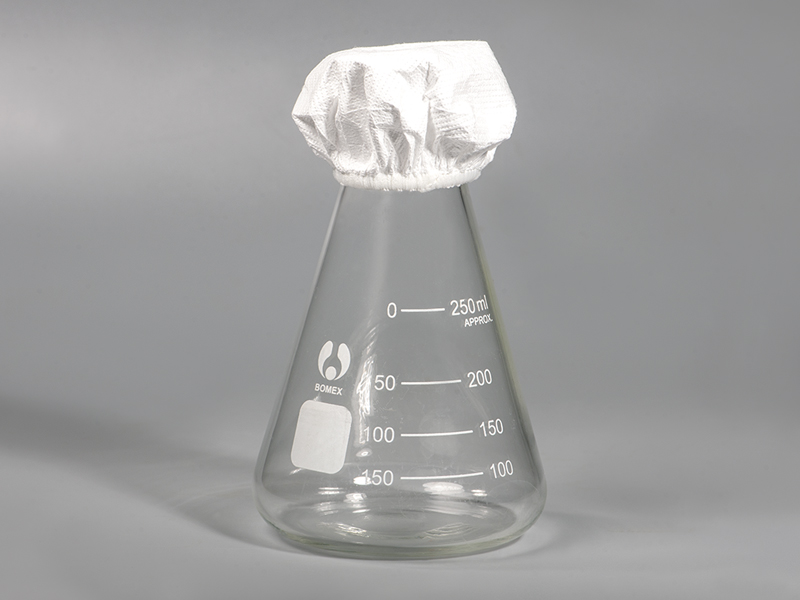
Tyvek pouches are designed with flexibility in mind. Manufacturers can adjust pouch designs according to different product requirements.
The packaging process may consider:
- Product shape
- Handling method
- Storage needs
- Transportation conditions
This flexibility allows medical packaging manufacturers to serve different application areas.
A pouch designed for one product may not be suitable for another. Understanding the device itself is an important part of creating the right packaging solution.
This is why communication between medical device companies and packaging manufacturers is important.
The packaging is developed around the product, not separated from it.
Why Is Medical Packaging Production Moving Toward More Flexible Methods?
The medical sector never stays static. Fresh medical devices emerge constantly, clinical demands shift, and factory production standards keep evolving—all of which reshape how medical packaging gets designed and built.
Packaging makers are on the hunt for production setups that can quickly adjust to all these ongoing shifts.
That's why flexibility has become a top priority for medical packaging manufacturers. Factories need systems capable of running multiple product lines without disrupting consistent, reliable output.
Medical-grade Tyvek pouches perfectly illustrate this shift. Their design hits a sweet spot between real-world usability and the flexible production capabilities modern factories rely on.
Moving forward, medical packaging development will keep centering on three core pillars: reliable sterile protection, simple clinical handling, and easy adaptability on production lines. Packaging is far more than just a simple outer wrap for medical tools now. It's a critical piece of the entire product lifecycle, from manufacturing floor all the way to hospital and clinic use.
 ‘s-Gravenweg 542, 3065SG RotterdamThe Netherlands
 +31 (0)10 254 28 08