
 English
 Français
 Deutsch
 Nederlands
When people think about medical products, they usually focus on the devices themselves. Packaging often stays in the background. However, in healthcare manufacturing, packaging is closely connected with product protection and daily handling.
A medical device does not move directly from production to use. It needs to be stored, transported, and prepared before reaching healthcare professionals. During this journey, packaging plays an important role.
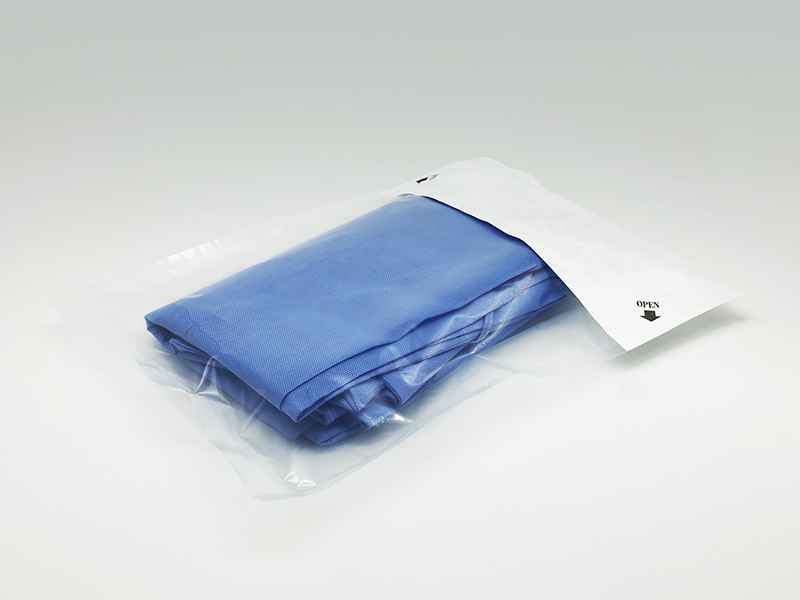
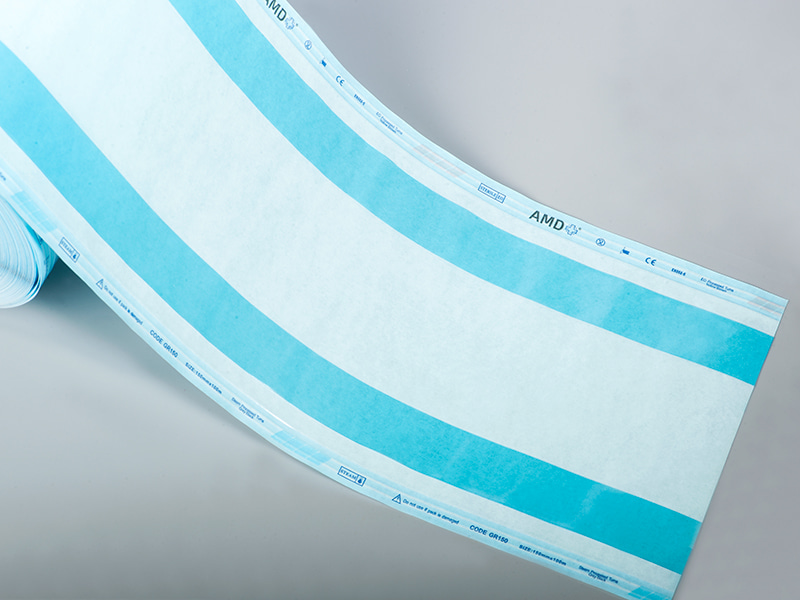
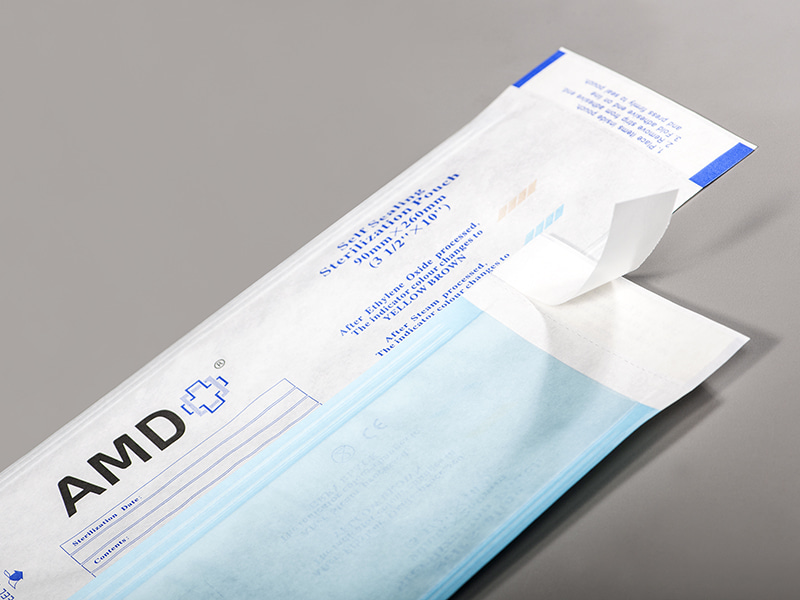
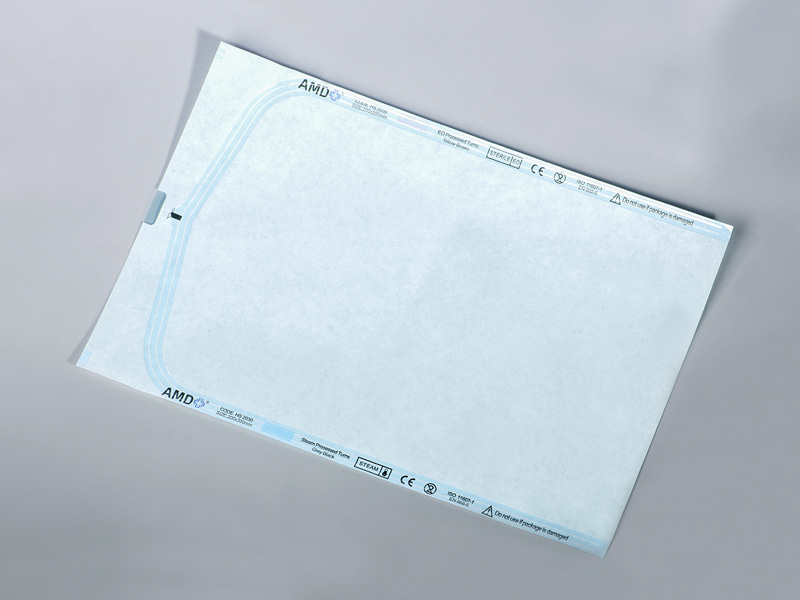
Tyvek medical pouches are designed for this purpose. They are used as protective packaging solutions for different medical products and devices. Their purpose goes beyond simply holding an item. They help create a controlled package environment and support easier handling during medical operations.
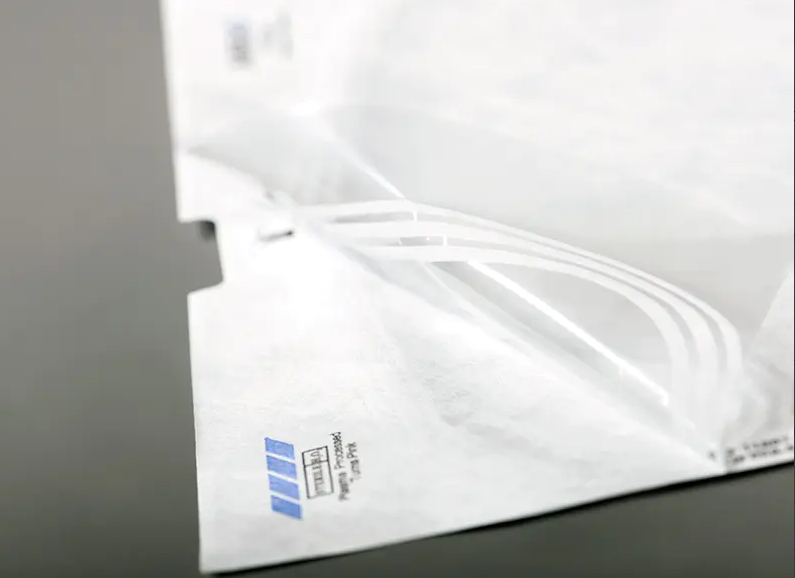
As healthcare products become more diverse, the role of medical packaging continues to change. Manufacturers are paying more attention to packaging materials, design flexibility, and production methods.
Understanding what Tyvek pouches are and why they are used can help explain the development of modern medical packaging.
Content
- 1 What Are Tyvek Medical Pouches ?
- 2 Why Are Tyvek Medical Pouches Used for Medical Devices?
- 3 How Do Tyvek Medical Pouches Support Sterile Packaging Needs?
- 4 How Are Tyvek Medical Pouches Different From Ordinary Packaging?
- 5 What Factors Should Manufacturers Consider When Choosing Tyvek Medical Pouches?
- 6 How Is The Production Process of Tyvek Medical Pouches Developed?
- 7 How Are Tyvek Medical Pouches Supporting The Future of Healthcare Packaging?
What Are Tyvek Medical Pouches ?
Tyvek pouches are professional packaging options made exclusively for medical scenarios. In daily healthcare work, they are widely used to store and shield medical devices until they are ready for use.
These pouches are nothing like ordinary storage bags. Every design detail is made to fit real medical and clinical needs. They do not only keep devices safe and intact, but also make product handling and systematic storage much easier for medical staff.
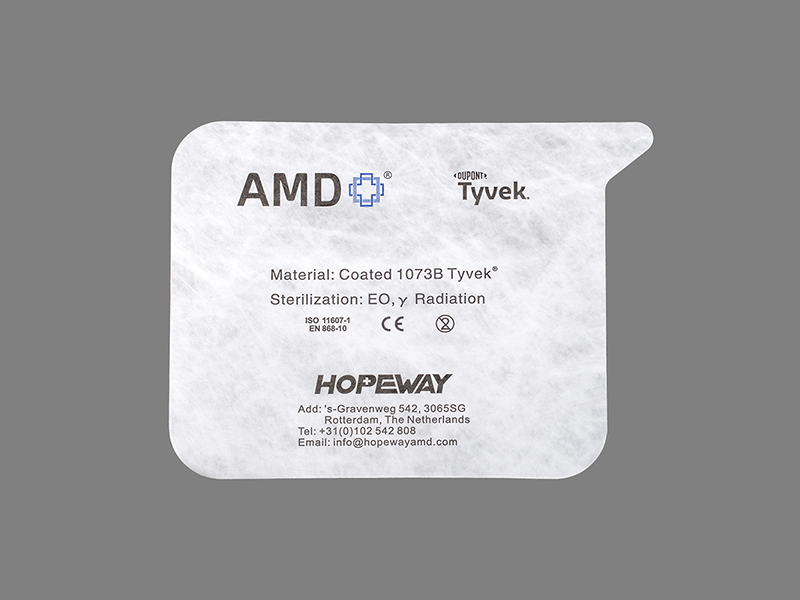
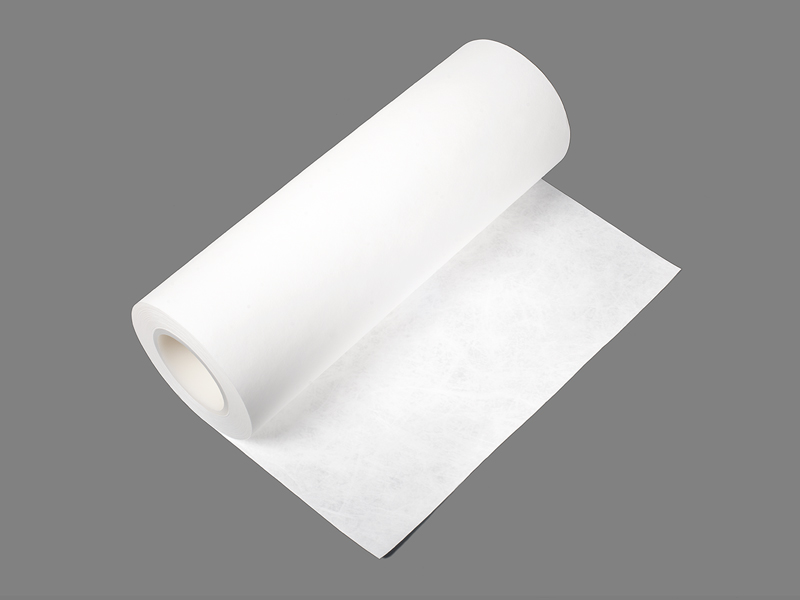
Tyvek pouches are made with a mix of different materials. Each material serves a unique purpose, and they work together to form a stable, fully functional packaging structure that meets medical usage standards.
We never use a fixed design for all products. The look and structure of each pouch is customized according to the actual medical device it packs. Medical tools come in different shapes, require different handling ways, and have varying protection demands.
For small and portable medical devices, we adopt compact packaging designs to save storage space. For larger or more intricate devices, we reserve sufficient space to ensure convenient operation and access. All packaging designs are flexibly adjusted based on the actual needs of different medical products.
| Packaging Element | Purpose in Medical Applications |
|---|---|
| Protective material | Helps maintain product condition |
| Package structure | Supports different product shapes |
| Opening design | Makes handling more convenient |
| Sealed packaging format | Helps protect the product during storage |
The development of Tyvek pouches reflects a larger change in healthcare packaging. Packaging is no longer viewed as a simple outer layer. It has become part of the complete product journey.
Why Are Tyvek Medical Pouches Used for Medical Devices?
Medical instruments need solid protection all the time before clinical use. How well they hold up through storage and shipping directly affects whether they can work properly later on.
That's why picking the right packaging makes such a big difference.
Tyvek pouches have become a go-to choice because they reliably shield all kinds of medical gear. They simplify daily workflows for both packaging factories and hospital staff alike.
What makes them so popular is how they strike a good balance between strong protection and easy usability.
Good packaging has to keep contents safe, yet still let medical staff open and take out items without hassle. Overly complicated packaging only creates extra delays and trouble in busy clinical settings.
When developing medical packaging, producers have to weigh up several key points:
- Barrier protection for instruments
- Long-term storage suitability
- Safe transit through shipping
- Simple, quick opening for users
- Steady, uniform mass production
Tyvek pouches check every one of these boxes, catering to all these separate demands at once.
They're not just built to wrap up a single medical device. They're engineered to suit every step the product goes through, from factory packaging all the way to hospital use.
How Do Tyvek Medical Pouches Support Sterile Packaging Needs?
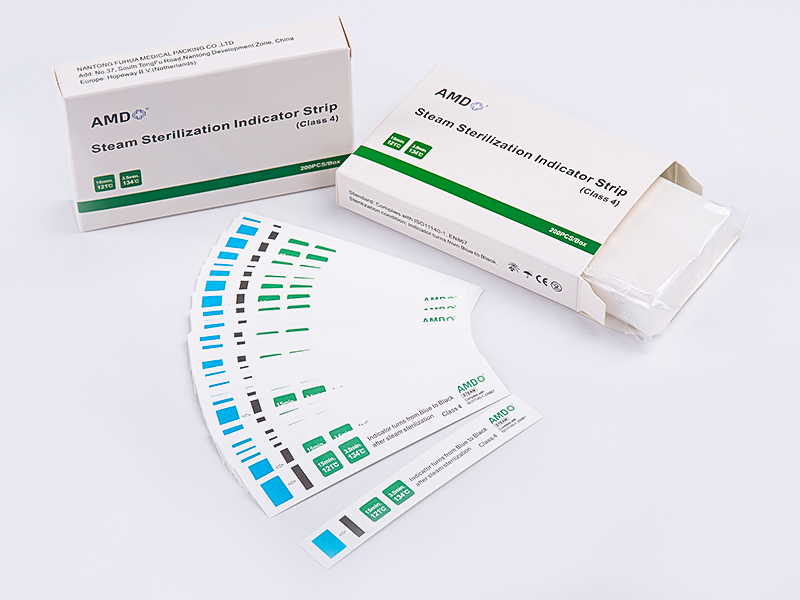
Sterile packaging is an important part of many medical applications. The package needs to help maintain the condition of the product before use.
The role of a sterile package is not limited to the moment of production. It continues throughout transportation and storage.
Tyvek pouches are commonly associated with sterile packaging because they are designed for medical environments where protection and cleanliness are important considerations.
The packaging process involves careful planning. Manufacturers need to consider the relationship between materials, package design, and production methods.
A suitable medical pouch needs to support:
Product protection
The package creates a barrier that helps protect the device during handling.
Storage management
Healthcare facilities need packaging that is easy to organize and manage.
Preparation before use
Healthcare workers need packaging that supports a smooth preparation process.
The connection between packaging and medical safety has become increasingly important. A well-designed pouch supports the complete journey of a medical device.
How Are Tyvek Medical Pouches Different From Ordinary Packaging?
At first glance, a medical pouch may look similar to other types of packaging. However, the purpose behind the design is different.
Ordinary packaging often focuses on appearance, transportation, or basic storage. Medical packaging has additional considerations.
It needs to support healthcare workflows and product protection requirements.
The differences can be seen in several areas:
| Ordinary Packaging | Medical Packaging |
|---|---|
| Focuses mainly on storage and presentation | Focuses on protection and handling |
| Designed for general products | Designed for healthcare applications |
| May have fewer requirements | Requires more production attention |
| Used in everyday environments | Used in controlled medical settings |
Medical packaging requires more planning because the product inside may directly affect patient care.
This is why manufacturers carefully evaluate materials and production methods when creating Tyvek pouches.
The packaging process involves more than creating a container. It involves understanding how the product will be handled from factory production to final use.
What Factors Should Manufacturers Consider When Choosing Tyvek Medical Pouches?
Choosing medical packaging is an important decision for manufacturers. Different products may require different packaging approaches.
A suitable pouch needs to match the product requirements and production environment.
Manufacturers usually consider several areas before selecting a packaging solution.
Product Characteristics
The shape and design of the medical device influence the pouch structure. Packaging needs to fit the product without creating unnecessary difficulty during handling.
Storage and Transportation
Medical products may move through different environments before use. Packaging needs to support this process.
User Experience
Healthcare workers interact with packaging during daily operations. Easy handling is an important part of packaging design.
Production Compatibility
Packaging manufacturers need to ensure that the pouch design works well with production processes.
These considerations show that medical packaging is closely connected with product development.
The pouch is not an independent item. It is part of the complete medical product system.
How Is The Production Process of Tyvek Medical Pouches Developed?
The production of Tyvek pouches involves several stages. Each stage contributes to the final package quality.
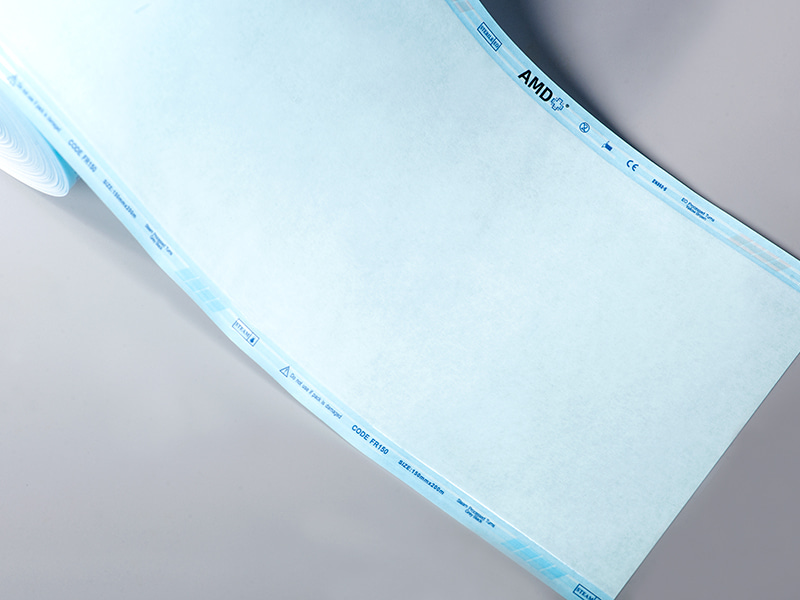
The process usually begins with material preparation. Manufacturers review the required packaging structure and prepare suitable materials.
The materials are then shaped into pouch formats according to product requirements.
After forming, the pouch goes through sealing and inspection processes. These steps help ensure that the finished packaging meets production expectations.
The general production flow includes:
- Material preparation
- Pouch forming
- Sealing process
- Quality inspection
- Final preparation
Although the process may seem straightforward, medical packaging production requires attention at every stage.
Manufacturers need to maintain consistency because medical products depend on reliable packaging.
Production teams also continue improving their methods as customer requirements change.
How Are Tyvek Medical Pouches Supporting The Future of Healthcare Packaging?
Healthcare packaging is changing as medical products become more varied. Manufacturers are looking for packaging solutions that provide protection while remaining practical.
Tyvek pouches represent this movement toward more adaptable packaging.
The future of medical packaging will continue focusing on flexibility, product protection, and easier handling.
Packaging manufacturers are paying more attention to how their products fit into the wider healthcare process.
A medical pouch is no longer only a protective cover. It connects manufacturing, transportation, storage, and medical use.
The development of Tyvek medical pouches shows how packaging continues to become an important part of healthcare product management.
 ‘s-Gravenweg 542, 3065SG RotterdamThe Netherlands
 +31 (0)10 254 28 08