
 English
 Français
 Deutsch
 Nederlands
Content
- 1 Why is medical packaging becoming more focused on system-level organization?
- 2 How does Sterilization Bag Reel Bulk Purchase China support workflow stability?
- 3 Why is bulk purchase from China widely used in medical supply chains?
- 4 How does reel structure improve daily handling efficiency?
- 5 Where is sterilization bag reel packaging commonly applied?
- 6 How does packaging consistency support medical operations?
- 7 Why does storage efficiency depend on packaging format?
- 8 How does bulk supply improve long-term operational continuity?
- 9 What makes sterilization bag reels suitable for scalable systems?
- 10 How does structured packaging flow improve overall system stability?
Why is medical packaging becoming more focused on system-level organization?
Most people see medical packaging as just basic wrapping, but clinics and labs rely on it to keep daily routines running smoothly. From prepping supplies to putting them away, every step works better when packaging fits existing workflows.
If different packages use mismatched sizes and layouts, simple jobs end up taking extra time. Staff have to juggle different dimensions, check if items fit storage racks, and rearrange shelves constantly. All these small delays add up and slow down overall work speed.
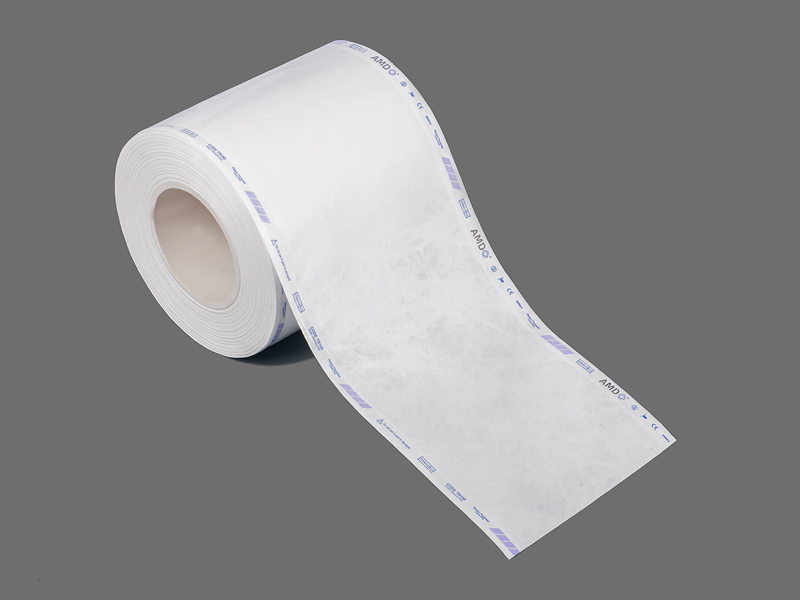
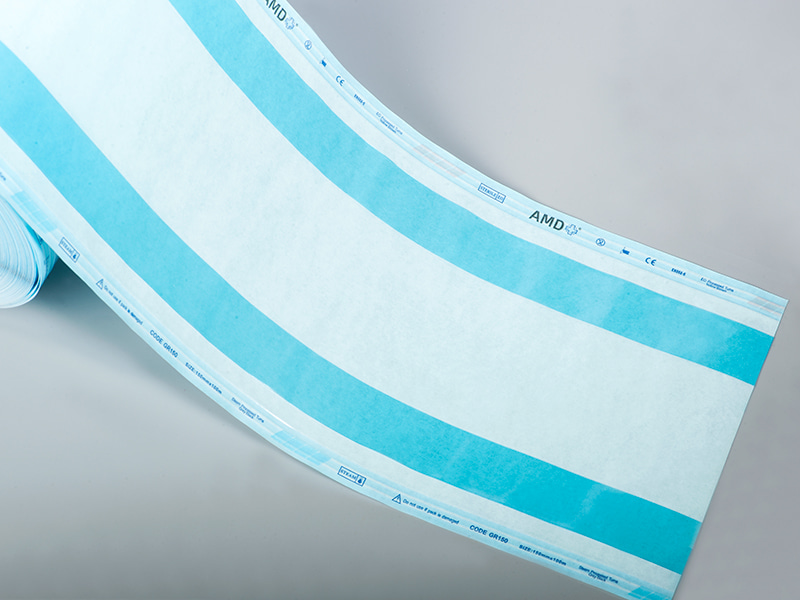
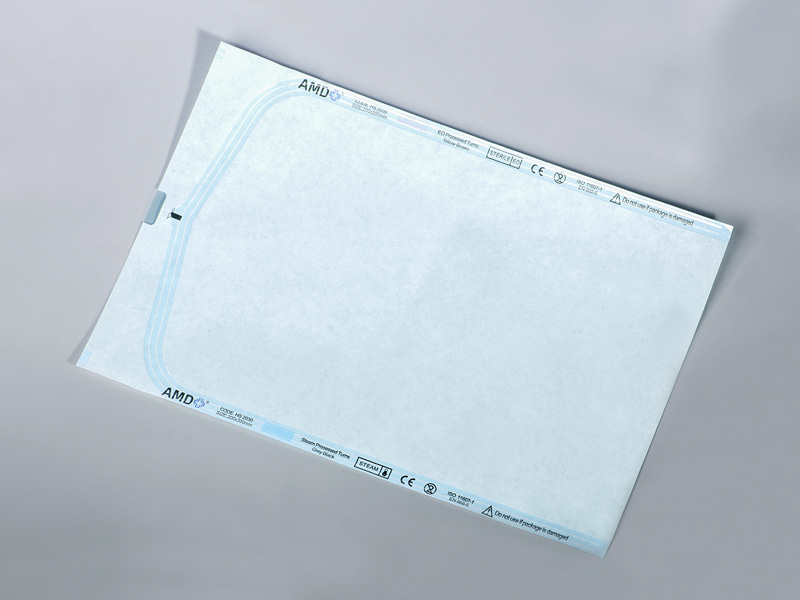
Sterilisation roll bags have grown popular for their uniform, adaptable format. Unlike pre-cut fixed-size pouches, the roll lets users cut packaging to match whatever they're packing. This flexibility cuts down inconsistent packaging use day to day.
How does Sterilization Bag Reel Bulk Purchase China support workflow stability?
In medical environments, workflow is usually repetitive and structured. Items move through a predictable path: preparation, sealing, storage, and later usage. Packaging becomes part of this rhythm.
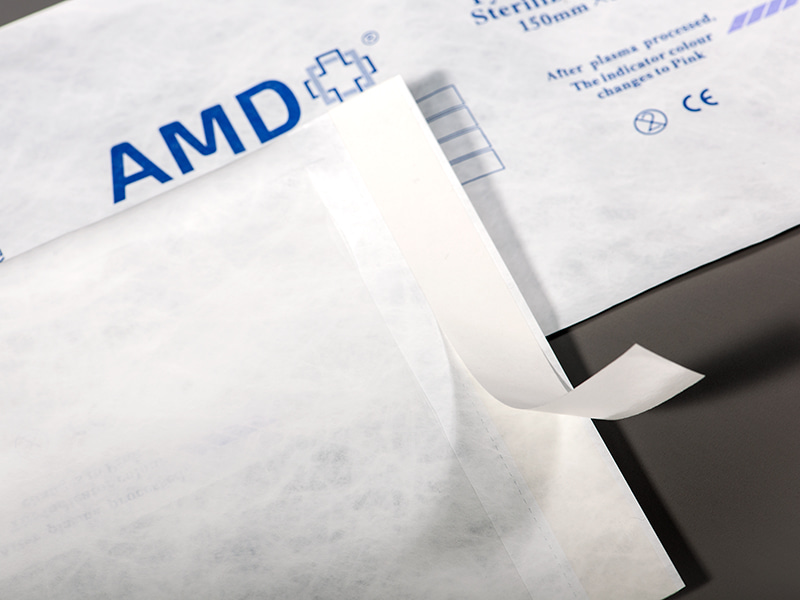
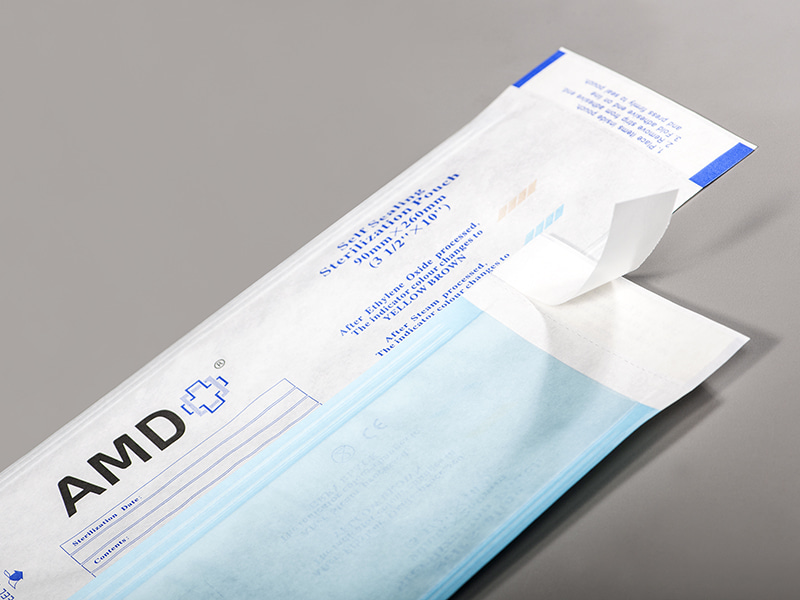
Sterilization bag reels fit into this flow without disrupting existing habits. Users can cut the required length, place items inside, and seal the bag in a straightforward sequence. The process remains similar across different tasks, which helps reduce operational differences between users.
A typical handling flow can be described as:
- Select required length from the roll
- Place the item inside
- Seal the open side
- Move to storage or next procedure
Because the steps remain consistent, the learning curve is low and daily operation becomes more predictable.
Why is bulk purchase from China widely used in medical supply chains?
In global medical supply systems, bulk purchasing is often used to maintain stable availability and reduce frequent procurement cycles. China-based supply networks are commonly involved in this structure due to their large-scale manufacturing and continuous output capability.
However, the key value is not only production volume. More important is the ability to maintain steady supply patterns and consistent packaging formats over time.
Bulk procurement supports three practical needs:
- Continuous availability of materials
- Consistent product structure across batches
- Simplified inventory planning for long-term use
When packaging is sourced in bulk, it becomes easier to build a unified storage and usage system, rather than managing multiple fragmented supply sources.
How does reel structure improve daily handling efficiency?
Packaging reels supply material in one unbroken length. Users no longer grab separate pre-cut pouches, and can cut exactly the length they need right when working.
Staff spend less time picking out different sized pouches before starting work, with far fewer stops while wrapping supplies.
Real workplace benefits include:
- Steadier, uninterrupted work pace
- Less difference in how each staff member packages goods
- Quicker setup of wrapping materials
- Simpler uniform working rules for all team members
All these small gains add up to much smoother daily workflows, particularly in facilities that sterilize and pack supplies all day long.
Where is sterilization bag reel packaging commonly applied?
Sterilization bag reels are used across multiple medical-related environments, each with slightly different workflow requirements but similar organizational needs.
| Application Area | Typical Use Scenario | Packaging Contribution |
|---|---|---|
| Hospital supply rooms | Instrument preparation | Structured packaging flow |
| Clinics | Daily medical supplies | Easy item separation |
| Laboratories | Sample handling | Controlled storage format |
| Storage facilities | Bulk material organization | Clear classification support |
Although the settings differ, the underlying requirement remains consistent: clear organization and predictable handling.
How does packaging consistency support medical operations?
Uniform packaging matters for more than just looks. It lets staff process supplies without confusion during daily clinical work.
When every department uses the same sterilisation reel, everyone follows identical packing steps. Teams don't need repeated training, and inconsistent handling habits become far less common.
Standard packaging also makes communication between different work groups easier. All staff know the same bag layout, so they rarely need extra checks when moving or restocking supplies.
Why does storage efficiency depend on packaging format?
Storage systems in medical environments are often limited by space and high turnover of materials. Packaging format plays a direct role in how efficiently that space is used.
Sterilization bag reels, once cut and sealed, maintain a relatively uniform structure. This helps items align more easily in storage areas and reduces visual disorder.
Key benefits in storage include:
- Easier classification of materials
- Faster retrieval during use
- Reduced confusion between similar items
- More stable shelf organization over time
When packaging format is consistent, storage systems become easier to maintain.
How does bulk supply improve long-term operational continuity?
Medical environments require uninterrupted access to essential materials. Any delay in packaging supply can affect workflow continuity.
Bulk purchasing helps reduce these interruptions by ensuring that materials are available in larger, more stable quantities. Instead of frequent small orders, supply is managed in longer cycles.
This approach supports better planning. Storage space can be organized in advance, and usage patterns become easier to predict.
Over time, this reduces operational uncertainty and helps maintain steady workflow conditions.
What makes sterilization bag reels suitable for scalable systems?
Medical facilities come in all sizes with different operational scales, yet their core packaging demands stay much alike. Sterilization reels fit this wide range well, as staff follow the same basic operating steps wherever they are used.
Small outpatient clinics and large hospital groups carry out the same packing procedures. Operations can expand without overhauling the existing packaging workflow.
Scalability benefits:
- Easily match any daily consumption volume
- No complicated adjustments to standard handling steps
- Uniform working routines at every facility site
- Less training workload and simpler unified operating standards
This flexible design accommodates sustained expansion of medical service systems.
How does structured packaging flow improve overall system stability?
Medical packaging is part of a larger operational chain that includes procurement, storage, preparation, and usage. When packaging is structured and predictable, the entire chain becomes more stable.
Sterilization bag reels contribute to this stability by creating a consistent link between these stages. Their uniform format helps reduce variation in handling and supports smoother transitions between processes.
In bulk supply systems, especially those coordinated through China-based manufacturing networks, this structured approach helps maintain continuity across different levels of demand.
Over time, the result is a more organized, predictable, and manageable medical packaging flow that supports daily operations without unnecessary disruption.


 ‘s-Gravenweg 542, 3065SG RotterdamThe Netherlands
 +31 (0)10 254 28 08