
 English
 Français
 Deutsch
 Nederlands
Sterilization remains a cornerstone in healthcare, laboratories, and medical manufacturing. Ensuring that instruments, trays, and other equipment undergo proper sterilization is critical to prevent contamination and maintain patient safety. One practical solution for monitoring sterilization processes is the use of steam indicator strips tape, which provides a reliable and visual method to track exposure during sterilization cycles.
Content
- 1 Introduction to Steam Indicator Strips Tape
- 2 Applications in Healthcare
- 3 Benefits in Sterilization Monitoring
- 4 Industry Trends
- 5 Economic Considerations
- 6 Case Study: Implementation in a Hospital
- 7 Storage and Handling Guidelines
- 8 Environmental and Regulatory Considerations
- 9 Innovations and Future Outlook
Introduction to Steam Indicator Strips Tape
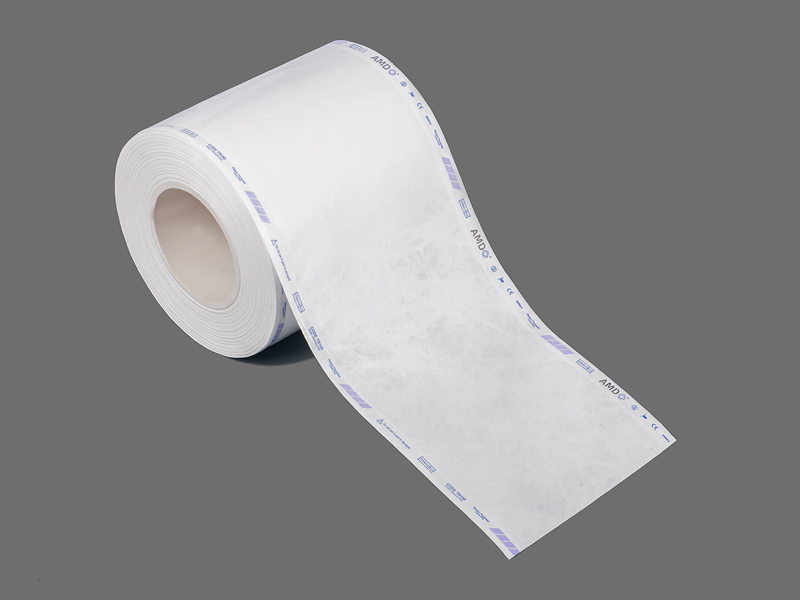
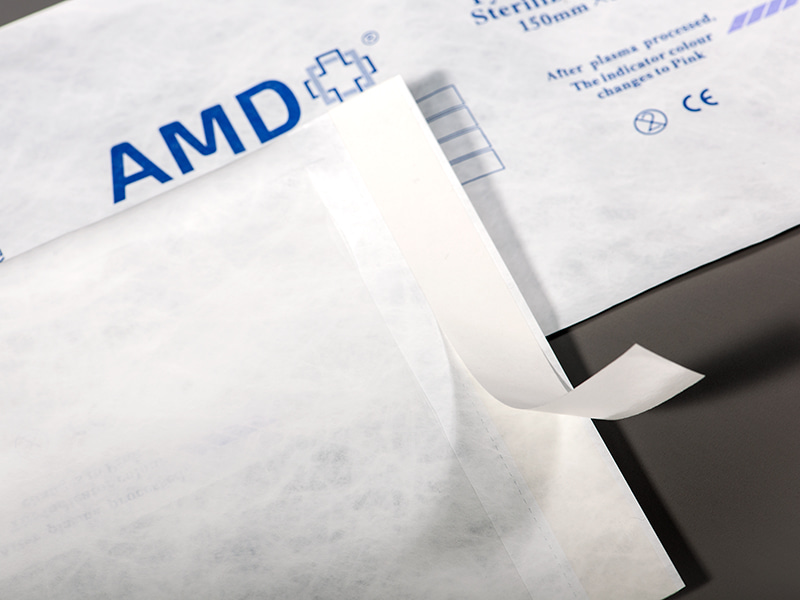
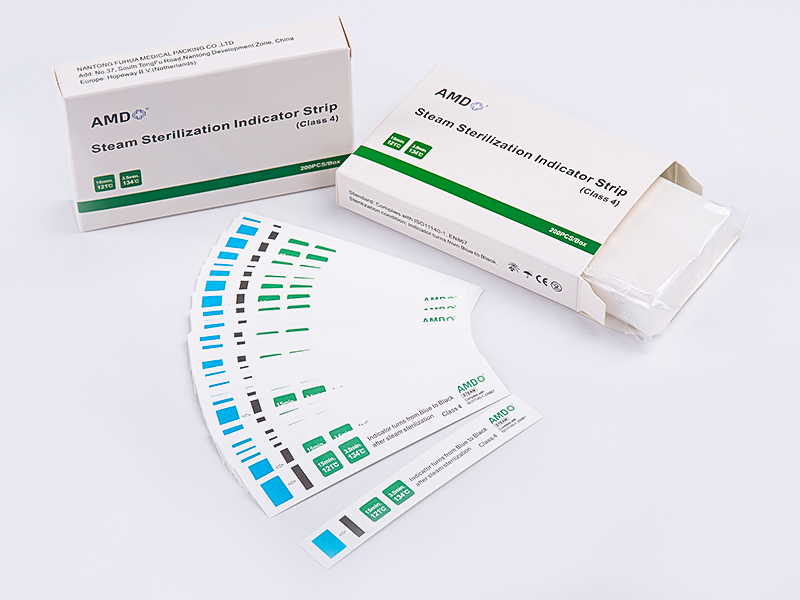
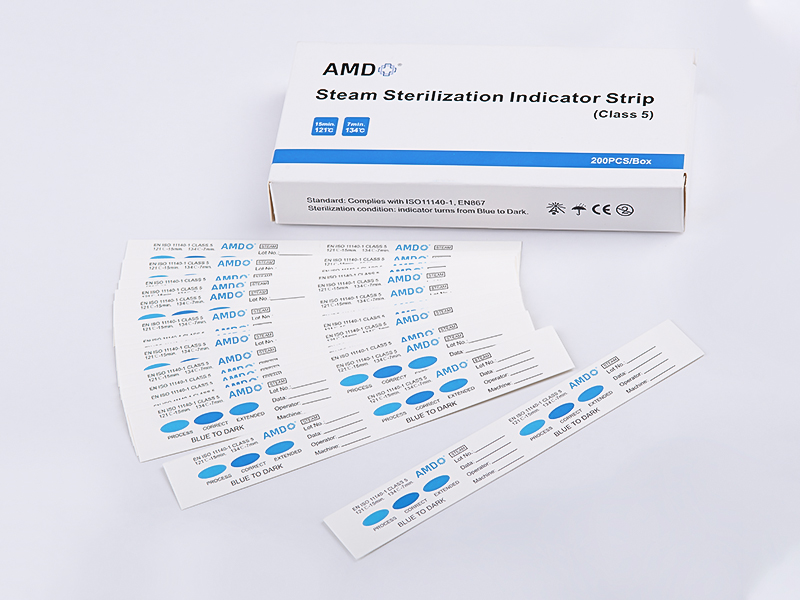
Steam indicator strips tape is designed to deliver a clear visual signal that an instrument or package has been exposed to the necessary sterilization conditions. Unlike electronic monitors or chemical solutions requiring complex handling, these strips are simple to use and cost-effective. They can be applied directly to instrument trays, pouches, or containers, allowing staff to quickly determine whether the sterilization process has been completed.
The materials used in these tapes are engineered to maintain their integrity under high temperature and humidity conditions. They are flexible, adhesive-backed, and compatible with various sterilization equipment, including autoclaves. Their ease of application ensures they can be utilized in a wide range of medical environments, from large hospitals to smaller outpatient facilities.
Applications in Healthcare
In healthcare settings, these strips are widely used in central sterilization departments, surgical units, and laboratories. Hospitals typically place the strips on instrument trays, surgical packs, and reusable equipment. When the sterilization cycle is complete, the tape changes color or displays a visual marker, indicating that the contents are safe for clinical use.
Dental clinics, outpatient surgery centers, and smaller healthcare facilities also benefit from using these indicators. By providing a simple visual confirmation, staff can reduce errors, streamline workflows, and ensure that instruments are ready for patient procedures.
Laboratories handling sensitive samples or research instruments often apply the strips to ensure that all equipment remains sterile before use. In pharmaceutical and medical device manufacturing, the strips serve as an added layer of quality control, verifying that packaging or instruments have undergone sufficient sterilization before leaving the production area.
| Application Area | Typical Usage |
| Hospitals | Monitoring surgical instruments and packs |
| Dental Clinics | Ensuring sterilization of dental tools |
| Laboratories | Checking sterilization of research equipment |
| Medical Device Production | Quality control during instrument packaging |
| Pharmaceutical Facilities | Verifying sterilization in small-scale processes |
Benefits in Sterilization Monitoring
One key advantage of these tapes is the ability to quickly and clearly identify items that have completed sterilization. Staff can inspect packages without opening them, which reduces contamination risks and saves time. This straightforward verification process also supports compliance with hygiene and safety standards.
Operational efficiency is another benefit. The tapes are easy to handle, require minimal training, and integrate seamlessly into existing sterilization workflows. This allows healthcare teams to maintain high safety standards while optimizing time and labor.
The flexible design of these materials accommodates different package shapes and sizes. Unlike rigid indicators, the adhesive-backed strips can be positioned on curved surfaces, wrapped around instruments, or placed in multiple locations on a package, providing more comprehensive monitoring.
Industry Trends
The market for sterilization monitoring tools is evolving in response to stricter hygiene regulations and growing awareness of infection control. Manufacturers are focusing on creating indicators with clear visual changes, robust adhesion, and resistance to environmental factors such as heat, moisture, and handling stress.
Quality control during production has become increasingly important. Advanced testing ensures that each batch reacts consistently, delivering predictable results for healthcare providers. Automated manufacturing processes help minimize variability and ensure compliance with international standards.
Emerging trends include integrating these visual indicators with digital systems for traceability. By linking tape responses with digital records, hospitals and laboratories can simplify audit procedures and improve documentation, providing both operational efficiency and regulatory compliance.
Economic Considerations
Cost-effectiveness is a significant factor in selecting sterilization monitoring materials. These tapes allow precise cutting and placement, which reduces waste and helps facilities manage inventory efficiently. Their durability ensures that a single strip remains effective throughout the required sterilization cycle, providing a practical balance between operational efficiency and cost management.
Healthcare administrators also consider the return on investment. Using reliable indicators reduces the risk of using inadequately sterilized instruments. By combining affordability with consistent performance, the materials support safer and more economical sterilization practices.
Case Study: Implementation in a Hospital
A regional hospital recently adopted steam indicator strips tape in its central sterilization department. The tape was applied to surgical trays, instrument packs, and reusable kits. Staff reported improved workflow efficiency, as visual cues allowed for rapid verification of sterilized items. The use of strips also minimized the risk of using unprocessed instruments, enhancing overall patient safety.
Additionally, the hospital noted improved inventory management. By tracking which items had completed sterilization, staff reduced redundant checks and organized instrument sets more effectively. This example demonstrates how simple tools can have a meaningful impact on both safety and operational efficiency.
Storage and Handling Guidelines
Proper storage is essential to maintain the effectiveness of sterilization strips. They should be kept in a dry, cool environment away from direct sunlight or chemicals that could compromise adhesive or indicator performance. Handling the strips carefully prevents creasing or damage that could affect accuracy.
Staff training is equally important. Personnel should be familiar with proper placement, monitoring, and interpretation of visual cues. Standardized procedures, including visual guides or workshops, can reduce errors and ensure consistency across departments. Regular inspection of strips before use also helps maintain reliability.
Environmental and Regulatory Considerations
Environmental sustainability is increasingly emphasized in medical materials. Some manufacturers are exploring recyclable or biodegradable substrates and adhesives to reduce ecological impact. Compliance with environmental guidelines allows healthcare facilities to meet sustainability objectives without compromising safety or reliability.
Regulatory adherence remains critical. Indicators must conform to national and international standards to ensure compatibility with sterilization processes and safe interaction with medical instruments. Certifications and documented testing provide confidence for healthcare procurement teams, quality control staff, and end-users, supporting both operational safety and audit readiness.
Innovations and Future Outlook
The development of innovative materials for sterilization monitoring is ongoing. Advances include improved visual clarity, stronger adhesion, and integration with digital tracking systems. These developments aim to simplify workflows, enhance traceability, and provide additional layers of assurance in sterilization processes.
Research is also focused on making indicators more versatile, such as combining visual cues with multifunctional features for real-time cycle verification. The adoption of such solutions is expected to grow, driven by increasing healthcare standards and the expansion of healthcare infrastructure globally.
Steam indicator strips tape offers a practical, cost-effective, and reliable solution for monitoring sterilization in medical, laboratory, and manufacturing settings. By providing a clear visual indication of sterilization exposure, these materials support safety, efficiency, and compliance with hygiene regulations.
Healthcare facilities, laboratories, and manufacturers recognize the value of these tools in streamlining workflows, reducing errors, and ensuring that instruments and equipment are safe for use. As material science, sustainability practices, and digital integration continue to evolve, these strips are likely to remain an essential component of modern sterilization management.



 ‘s-Gravenweg 542, 3065SG RotterdamThe Netherlands
 +31 (0)10 254 28 08