
 English
 Français
 Deutsch
 Nederlands
Medical instruments often move through several stages before they are ready for use. Cleaning, inspection, sterilization, storage, and handling all require care. Packaging connects many of these steps. A suitable pouch can help keep an instrument protected after processing and make its status easier to identify.
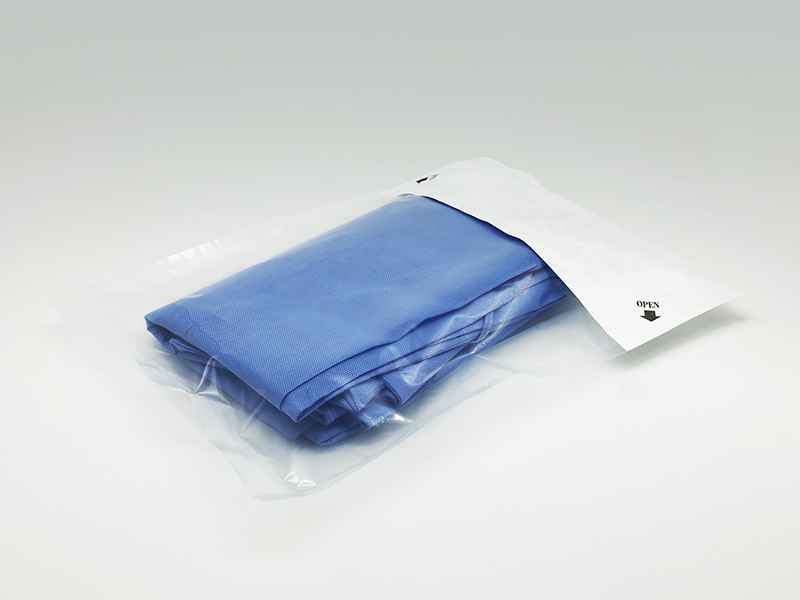
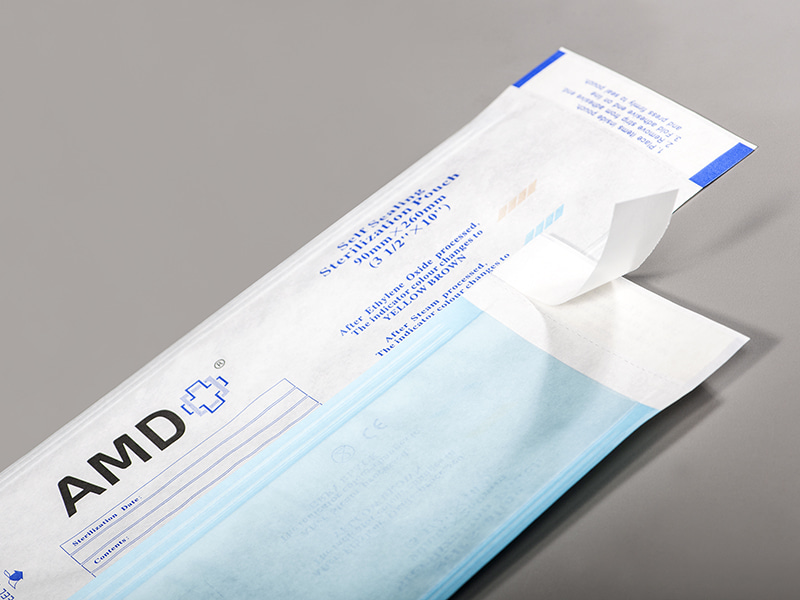
A Sterilization Self Sealing Pouch is designed for this type of workflow. It combines a protective pouch structure with a self-sealing area. This allows an instrument to be placed inside before the package is closed for sterilization. The package can then remain closed during handling and storage when used according to the applicable procedure.
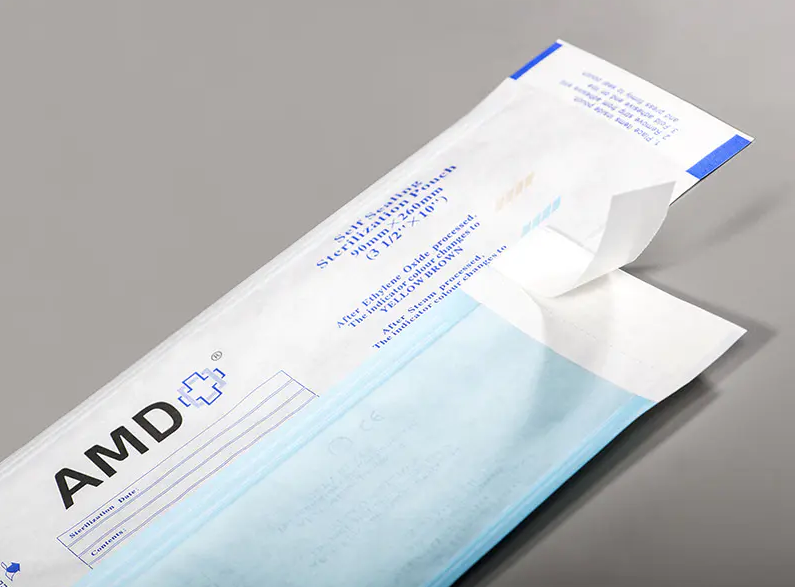
The value of this type of packaging is not limited to keeping dust away. Its design can also help support clean handling, package organization, and visual inspection. For medical facilities and other users, these details can make routine instrument management more orderly.
The pouch itself does not create sterility. The sterilization process, packaging procedure, storage conditions, and handling practices all work together. The pouch is one part of that larger system.
Content
- 1 Why Is Packaging Important for Medical Instruments?
- 2 How Does the Self Sealing Design Protect the Package?
- 3 Can a Sterilization Self Sealing Pouch Help During Sterilization?
- 4 How Does the Pouch Help Protect Instruments After Sterilization?
- 5 Why Does Pouch Material Matter?
- 6 What Common Problems Can Affect Sterilization Self Sealing Pouches?
- 7 How Should Medical Staff Handle and Store These Pouches?
- 8 What Should Buyers Consider When Choosing a Sterilization Self Sealing Pouch?
Why Is Packaging Important for Medical Instruments?
Medical instruments are handled repeatedly. A cleaned instrument may need to be moved from a preparation area to sterilization, then to storage, and later to a treatment area. Every movement creates an opportunity for the package or instrument to be exposed to unwanted contamination.
A sterilization pouch provides a physical barrier around the instrument. When properly sealed and handled, the package can help protect the contents from contact with the surrounding environment.
This is especially useful for small instruments that are easy to organize individually. Rather than placing several items together in an open container, staff can package instruments separately or according to their established workflow.
The package can also make handling easier.
Staff can identify an instrument without touching the instrument itself. The package can be moved, stored, and inspected while the contents remain enclosed.
| Packaging Function | Practical Role |
|---|---|
| Instrument protection | Helps keep the contents separated from the surrounding environment |
| Sealing | Keeps the package closed after preparation |
| Visual identification | Makes the packaged instrument easier to recognize |
| Handling support | Allows staff to move instruments without directly touching them |
| Storage support | Helps organize processed instruments |
| Process indication | Some pouch designs include areas that can support process identification |
These functions work together. A pouch is not simply a bag around an instrument. Its construction needs to fit the way the instrument is prepared, sterilized, stored, and handled.
How Does the Self Sealing Design Protect the Package?
The self-sealing feature is one of the noticeable parts of this type of pouch.
Instead of requiring a separate sealing step with additional equipment, the pouch can be closed using its integrated adhesive area, when the product is designed for that method. This can make routine preparation more convenient.
The sealing area creates a closed package around the instrument. When applied correctly, it helps prevent the opening from being left exposed during later handling.
The quality of the seal matters. A pouch that is not closed properly may not provide the intended level of protection. Staff therefore need to follow the product's instructions for preparing the package and closing the sealing area.
The condition of the pouch also matters.
A damaged package should not simply be treated as usable because the sealing strip appears intact. Tears, punctures, separation, or other visible problems can affect package integrity.
A simple preparation routine can help:
- Select a pouch that is appropriate for the instrument.
- Place the cleaned and prepared instrument inside without damaging the packaging.
- Leave the required sealing area clear.
- Remove the protective layer from the adhesive section according to the instructions.
- Close the pouch carefully and check the seal.
- Inspect the finished package before it enters the next stage.
This process is simple, but consistency is important. Small differences in handling can affect how well the package performs.
Can a Sterilization Self Sealing Pouch Help During Sterilization?
Yes, when the pouch is specifically designed for the intended sterilization process and used according to its instructions.
The pouch needs to work as part of the sterilization workflow. The packaging should allow the sterilization process to reach the contents as intended while maintaining the package structure.
Different sterilization methods have different requirements. A pouch intended for one process should not automatically be assumed to be suitable for another.
This is an important consideration for purchasing teams.
The pouch should have clear information about its intended application. Users should also understand whether the packaging is suitable for the instruments being processed and the sterilization procedure used by the facility.
Some sterilization pouches include an indicator area. This may provide a visible response associated with process exposure. Such an indicator can support package identification, but it should not be treated as independent proof that the contents are sterile.
Sterility depends on the complete process.
Packaging is part of that process. It does not replace proper equipment operation, process monitoring, cleaning, preparation, or established release procedures.
How Does the Pouch Help Protect Instruments After Sterilization?
Protection after sterilization is an important part of the packaging role.
Once an instrument has been processed, it may not be used immediately. It can remain in storage until needed. During this period, the package helps separate the instrument from direct contact with the surrounding environment.
A closed pouch can also reduce unnecessary handling.
Staff do not need to pick up the instrument directly just to move it from one location to another. The package becomes the surface that is handled during storage and transport.
Visual inspection can also be easier when the pouch allows the contents to be seen.
A transparent section may allow staff to identify the instrument without opening the package. This can reduce unnecessary opening and make inventory management more convenient.
The package can also carry information such as identification marks or processing information when the product and workflow allow it.
These features are useful in busy environments. Staff often need to identify instruments quickly without disrupting their storage arrangement.
Why Does Pouch Material Matter?
The material used in a Sterilization Self Sealing Pouch affects how the package behaves during preparation, processing, storage, and handling.
A pouch needs to remain suitable throughout the intended workflow. It should be practical to handle before sterilization and should maintain its package integrity afterward when used as directed.
Many sterilization pouches use a combination of packaging materials rather than relying on one material alone. One side may provide visibility, while another part provides support and allows the intended sterilization process to interact with the package contents.
The material also affects how easily the pouch can be opened when the instrument is needed.
A medical worker should be able to open the package without unnecessary difficulty or rough handling. The opening process should fit the facility's established clean handling procedure.
| Material Consideration | Why It Matters |
|---|---|
| Strength | Helps the package withstand normal handling |
| Visibility | Can make instrument identification easier |
| Seal compatibility | Supports package closure |
| Sterilization suitability | Allows the pouch to be used with its intended process |
| Opening behavior | Supports controlled access to the instrument |
| Surface condition | Helps maintain clear package identification |
The material should always be considered together with the intended application. A pouch suitable for one type of instrument or process may not be appropriate for every situation.
What Common Problems Can Affect Sterilization Self Sealing Pouches?
Packaging problems can occur at different stages.
One common issue is an incomplete seal. This may happen when the sealing area is contaminated, folded, or not pressed properly. An incorrect closure can weaken the package's protective function.
Another issue is overfilling.
When an instrument is too large for the selected pouch, the package may become difficult to close. Excessive pressure can also create unnecessary stress on the packaging material.
Sharp instruments require particular attention. Their edges may damage the pouch if they are inserted carelessly or positioned in a way that places pressure against the packaging.
Storage can create additional concerns.
Pouches should be kept in conditions recommended by the manufacturer. Heavy objects should not be placed on packages in a way that could crush or damage them. Staff should also inspect packages before use rather than assuming that a previously intact package remains unchanged.
Common warning signs can include:
- Visible tears or holes.
- A damaged or separated seal.
- Unusual wrinkles around the sealing area.
- Unclear identification markings.
- Evidence of improper storage or handling.
- Packaging that does not match the intended sterilization process.
When a package appears damaged or unsuitable, established facility procedures should determine what happens next.
How Should Medical Staff Handle and Store These Pouches?
Correct handling continues after sterilization.
Staff should avoid unnecessary contact with the package. Pouches should be handled in a way that reduces the risk of tearing, puncturing, or disturbing the seal.
Storage arrangements should also support package protection.
Processed pouches should be placed in an organized storage area that follows the facility's established requirements. They should not be squeezed into spaces where the packaging may become damaged.
A simple storage routine may include:
Keep packages organized.
A clear arrangement makes it easier to find the required instrument without repeatedly moving other packages.
Inspect before use.
Staff can check the package for visible damage before opening it.
Avoid unnecessary handling.
The fewer unnecessary movements a package receives, the lower the chance of accidental damage.
Protect the sealing area.
The closed section should remain intact during storage and movement.
Follow facility procedures.
Storage and handling requirements should match the sterilization system and packaging instructions used by the facility.
These habits are not complicated. Their value comes from being applied consistently.
What Should Buyers Consider When Choosing a Sterilization Self Sealing Pouch?
Purchasing teams often look at convenience, packaging construction, intended sterilization method, and handling requirements together.
The pouch should match the instruments being packaged. Small instruments may require a different pouch format from larger or irregularly shaped items. The package should provide enough room for safe placement without creating unnecessary empty space.
The sealing method also deserves attention. A self-sealing design can simplify routine preparation, but the adhesive area needs to be easy to identify and use correctly.
Buyers can consider the following areas:
| Buying Factor | Question to Consider |
|---|---|
| Intended use | Is the pouch designed for the required sterilization process? |
| Instrument compatibility | Can the instrument fit without stressing the package? |
| Seal design | Is the closing process clear and practical for staff? |
| Visibility | Can users identify the contents when needed? |
| Package integrity | Is the pouch suitable for normal handling and storage? |
| Indicator function | Does the product provide process-related visual information when required? |
| Instructions | Are storage, use, and handling directions clear? |
| Supplier support | Can the supplier provide appropriate product information? |
The purchasing decision should also reflect the facility's existing workflow.
A pouch that is easy to use in one setting may require different handling in another. Staff training, instrument types, sterilization practices, storage arrangements, and package inspection procedures all influence how the product fits into daily work.
For medical packaging teams, the focus is therefore not only on the pouch itself. The real question is how the Sterilization Self Sealing Pouch works within the complete path from cleaned instrument to packaged, processed, stored, and ready-for-use equipment.

 ‘s-Gravenweg 542, 3065SG RotterdamThe Netherlands
 +31 (0)10 254 28 08