
 English
 Français
 Deutsch
 Nederlands
Steam sterilization is widely used to prepare reusable medical instruments and other items for safe use. The process may appear straightforward from the outside. Items are cleaned, packaged, placed into a sterilizer, and processed with steam.
Behind that simple workflow is a process that needs careful control.
A sterilizer can be operating without obvious problems while an issue exists inside a load. Packaging may affect steam access. Loading practices can influence how the sterilizing agent reaches different items. Equipment conditions can also change over time. For these reasons, simply running a cycle is not enough to confirm that the process has worked as intended.

Steam sterilization monitoring provides a way to check what is happening during and after the process. It gives healthcare workers useful information about equipment operation, exposure conditions, and the effectiveness of the sterilization process.
The Centers for Disease Control and Prevention recommends using mechanical, chemical, and biological monitoring as part of routine sterilization control. Each method provides a different type of information, so they work better as parts of one monitoring approach rather than as isolated checks.
Content
- 1 What Does Steam Sterilization Monitoring Actually Check?
- 2 Why Is Monitoring More Reliable Than Simply Running a Sterilization Cycle?
- 3 How Do Mechanical Indicators Support Steam Sterilization Monitoring?
- 4 What Role Do Chemical Indicators Play?
- 5 Why Are Biological Indicators Important?
- 6 How Can Monitoring Help Detect Problems With Packaging and Loading?
- 7 What Happens When a Monitoring Result Shows a Problem?
- 8 How Does Regular Monitoring Support Better Sterilization Practices?
What Does Steam Sterilization Monitoring Actually Check?
Steam sterilization monitoring is not simply a matter of checking whether a machine has completed its cycle. It involves several types of checks that look at different parts of the process.
Mechanical monitoring focuses on what the sterilizer reports during operation. Healthcare workers may review information shown on the equipment display, gauges, or cycle records. This helps identify whether the expected conditions were reached during the process.
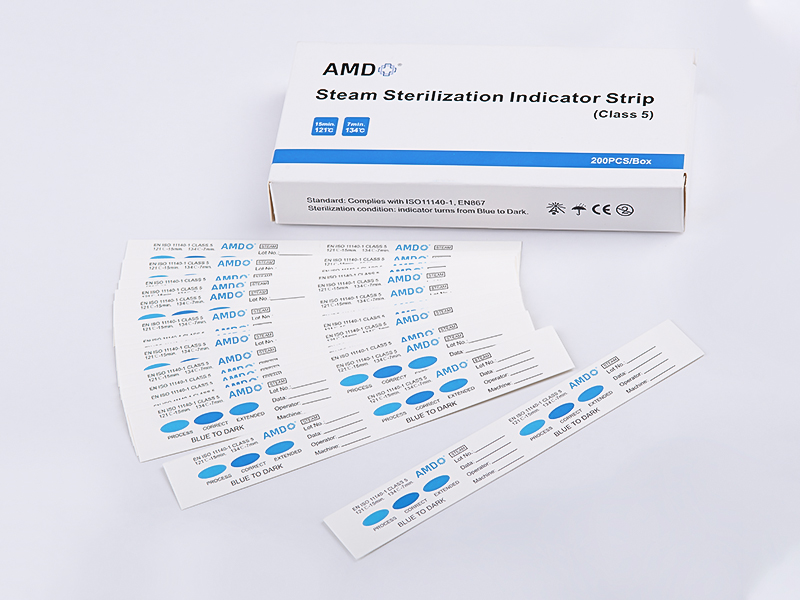
Chemical monitoring looks at whether an indicator has responded to the sterilization process. A visible change can show that the item or package has been exposed to the intended conditions. Internal indicators can also provide information about whether the sterilizing agent reached the inside of a package.
Biological monitoring takes another approach. It uses resistant microorganisms to challenge the sterilization process. A successful result provides evidence about the process's ability to inactivate those microorganisms. This makes biological indicators an important part of sterilization quality control.
These methods answer different questions. Mechanical monitoring looks at equipment conditions. Chemical monitoring shows exposure. Biological monitoring provides a direct challenge to the microbial killing ability of the process.
Why Is Monitoring More Reliable Than Simply Running a Sterilization Cycle?
A completed cycle does not automatically mean that every item inside the sterilizer received adequate treatment.
The condition of the equipment matters. So does the way instruments are cleaned, packaged, and loaded. Air removal, steam access, packaging materials, and operator practices can all influence the process. CDC guidance notes that problems can be associated with factors such as incorrect operation, improper loading, inadequate cleaning, and unsuitable packaging.
Monitoring creates an additional layer of control. Instead of assuming that the process worked because the cycle ended normally, staff can review evidence from the cycle and the indicators.
This distinction is important in busy healthcare environments. Staff may process many instrument sets during a normal working day. A monitoring system gives them a repeatable way to identify possible problems.
It also helps prevent an issue from remaining unnoticed. If an indicator does not respond as expected, the item can be held for review instead of being sent directly into service.
The value of monitoring is therefore not limited to detecting major equipment failures. It can also help identify smaller changes in the process before they become more difficult to manage.
How Do Mechanical Indicators Support Steam Sterilization Monitoring?
Mechanical monitoring provides information about the sterilizer itself. Depending on the equipment, this information may appear through displays, gauges, printouts, or electronic records.
The purpose is straightforward. Staff need to know whether the cycle followed the intended process. If the recorded conditions do not match the required conditions, the affected items should not simply be treated as successfully sterilized.
Mechanical monitoring can also provide an early warning. A change in the cycle record may suggest an issue with the equipment, operation, or steam supply. This allows staff to investigate the problem before continuing normal processing.
The benefit of mechanical information is that it can be reviewed during or immediately after a cycle. It can therefore help operators respond to problems without waiting for another type of monitoring result.
However, mechanical monitoring has limits. It tells staff about the conditions reported by the sterilizer. It does not independently demonstrate that microorganisms inside every package have been destroyed.
That is why mechanical monitoring should be combined with other forms of monitoring rather than used on its own. CDC guidance recommends routine use of mechanical, chemical, and biological monitors for steam sterilization.
What Role Do Chemical Indicators Play?
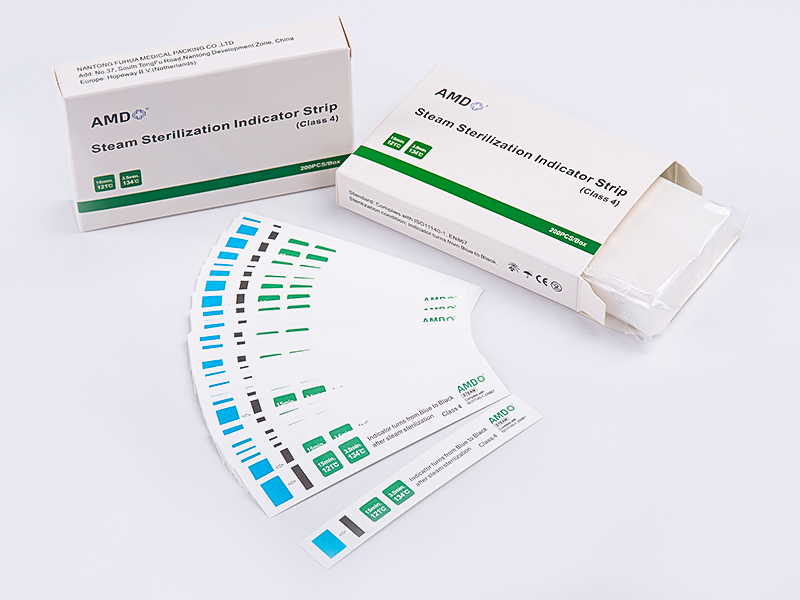
Chemical indicators provide a simple visual way to check exposure to the sterilization process.
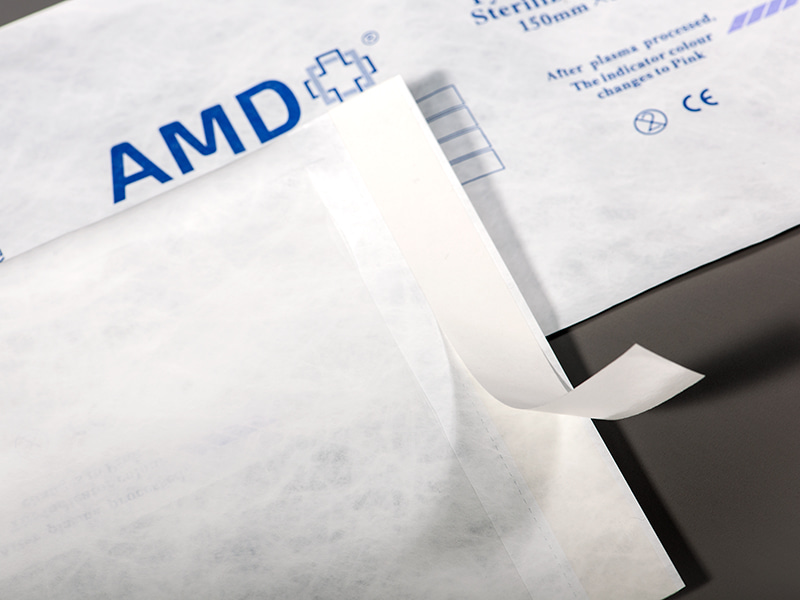
Many indicators are designed to change appearance when exposed to certain sterilization conditions. The change can help staff determine whether a package has gone through the process and whether the sterilizing agent has reached the intended location.
External indicators can help identify packages that have been processed. Internal indicators can provide additional information about conditions inside the package. CDC guidance recommends internal chemical indicators for packages and notes that an external indicator is also useful when the internal indicator cannot be seen from outside.
This is particularly useful because the outside of a package cannot always tell the whole story. A package may look normal even when conditions inside it were not adequate.
Chemical indicators therefore provide another checkpoint between sterilization and use.
They should not, however, be treated as proof of sterility by themselves. A chemical response indicates exposure to the conditions the indicator is designed to detect. It does not directly measure the destruction of microorganisms.
This difference is important when interpreting monitoring results. A package that shows an expected color change should still be evaluated within the wider sterilization monitoring system.
Why Are Biological Indicators Important?
Biological indicators provide a different type of evidence. Instead of responding only to physical or chemical conditions, they use resistant microorganisms to challenge the sterilization process.
For steam sterilization, biological indicators are designed around microorganisms that are resistant to the process. If the indicator shows that the test organisms have survived, the result signals that the sterilization process needs investigation.
This makes biological indicators particularly valuable for quality assurance.
A biological indicator does not mean that every item in a load has been individually tested. Instead, it provides evidence about whether the sterilization process was capable of achieving the intended microbial kill under the test conditions.
CDC guidance recognizes biological indicators as an important way to monitor sterilizer effectiveness and recommends routine biological monitoring for steam sterilizers.
The result also needs to be interpreted together with other monitoring information. A positive biological indicator does not automatically explain why a problem occurred. Staff may need to review the equipment record, chemical indicators, loading practice, packaging, and operating procedures.
This broader review can help distinguish a process problem from an issue involving testing or handling.
How Can Monitoring Help Detect Problems With Packaging and Loading?
Sterilization does not happen in isolation. Items must be prepared in a way that allows the sterilizing agent to reach the surfaces that need treatment.
Packaging is part of that process. If a package is unsuitable or damaged, it can affect the ability to achieve and maintain the intended sterile condition. CDC guidance emphasizes that packaging should be compatible with the sterilization process and able to maintain a barrier after processing.
Loading practices also matter. Items should be arranged according to the established procedures for the sterilizer and the type of load. Poor loading can interfere with steam access and may create conditions that are not reflected by a simple visual check.
Monitoring can bring attention to these issues. For example, an unexpected chemical indicator result may encourage staff to review how a package was prepared or positioned.
The purpose is not to blame a single step. Sterilization is a connected workflow. Cleaning, packaging, loading, processing, unloading, and storage all influence the condition of the final product.
A monitoring program helps connect these stages.
What Happens When a Monitoring Result Shows a Problem?
A failed or unexpected monitoring result should not be ignored. It should trigger an established response based on the type of result and the facility's procedures.
For example, if mechanical information suggests that the sterilizer did not reach the required conditions, the affected items should not be treated as ready for use. Chemical indicators can provide another warning when their expected response does not occur.
A positive biological indicator requires particular attention. CDC guidance recommends taking the sterilizer out of service while the situation is investigated and repeating appropriate biological testing. If additional tests remain positive, the affected items may need to be considered nonsterile and reprocessed.
The response should include more than simply repeating a test. Staff may need to review how the sterilizer was operated, how items were prepared, whether the correct indicator was used, and whether equipment maintenance is needed.
Documentation is also important. Monitoring records can help establish what happened during a cycle and support decisions about affected loads.
A clear response process turns monitoring from a passive record-keeping task into an active quality control tool.
How Does Regular Monitoring Support Better Sterilization Practices?
Routine monitoring helps create consistency.
Without regular checks, small changes can be difficult to notice. Staff may become accustomed to normal equipment behavior and overlook gradual changes. A monitoring routine creates defined points where the process can be reviewed.
It also supports staff training. New operators can learn what information needs to be checked and how unexpected results should be handled. Experienced staff can use the same records to identify recurring issues.
Record keeping has another practical benefit. If a problem is discovered later, previous monitoring information can help trace the affected process. CDC recommendations include keeping records related to mechanical, chemical, and biological monitoring as part of sterilization quality control.
This creates a clearer connection between an individual load and the process used to prepare it.
Regular monitoring can also encourage better equipment maintenance. If cycle records or indicator results show repeated irregularities, the facility has a reason to investigate instead of waiting for a larger failure.
The goal is not to create more paperwork. It is to make the sterilization process easier to observe, understand, and manage.
For healthcare facilities, that distinction matters. Sterilization is part of patient-care preparation, and monitoring provides evidence that the process is being controlled rather than simply assumed to be successful.








 ‘s-Gravenweg 542, 3065SG RotterdamThe Netherlands
 +31 (0)10 254 28 08