
 English
 Français
 Deutsch
 Nederlands
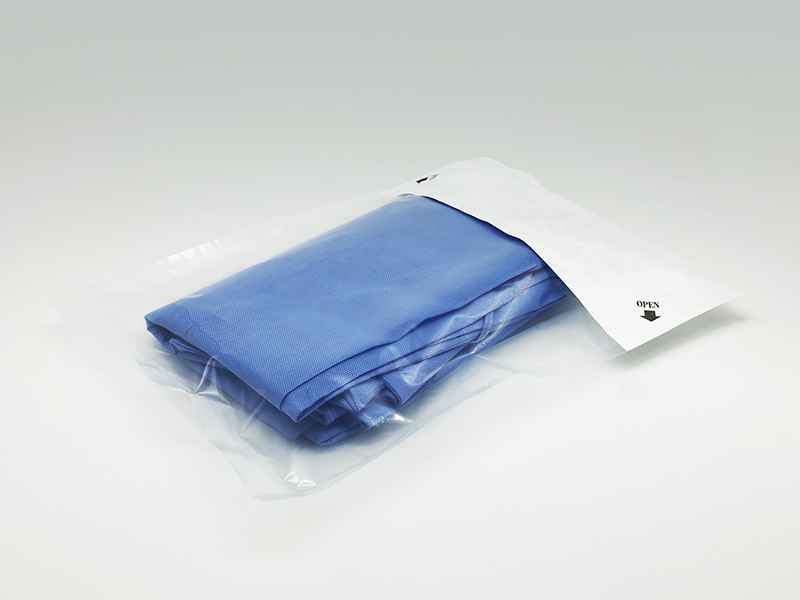
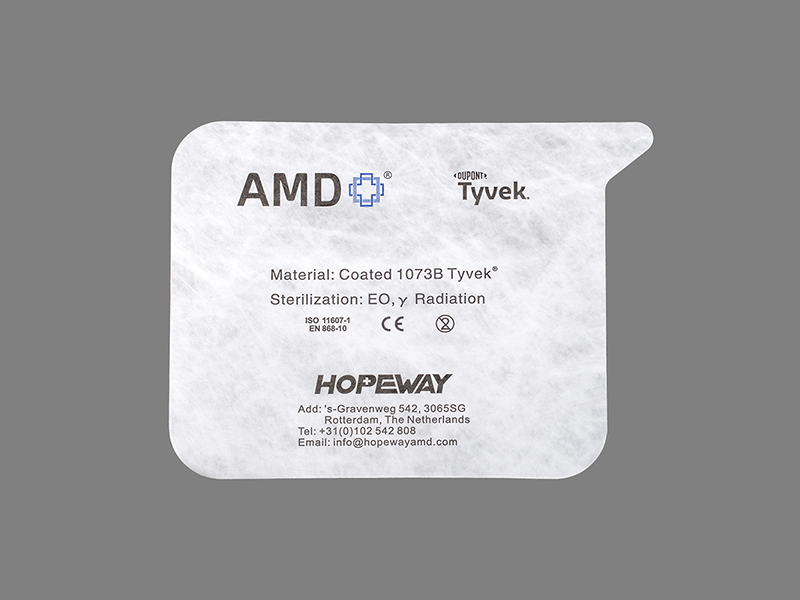
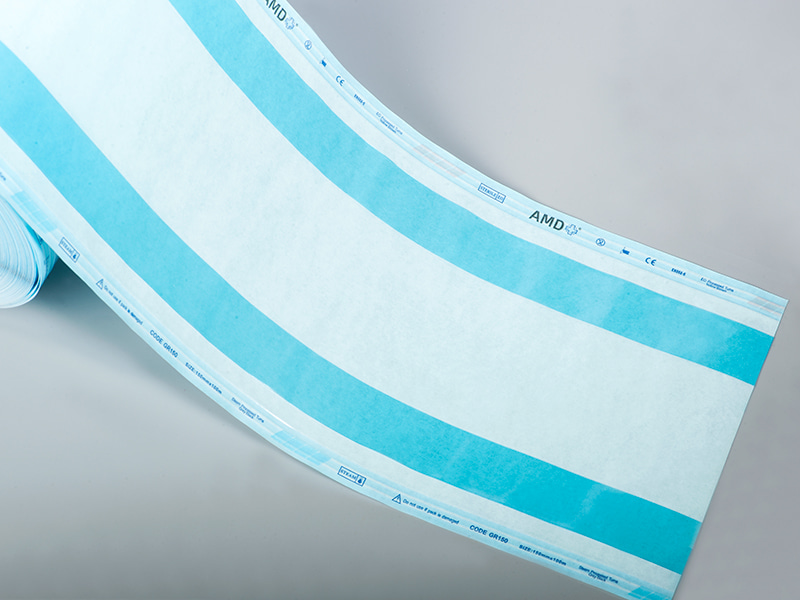
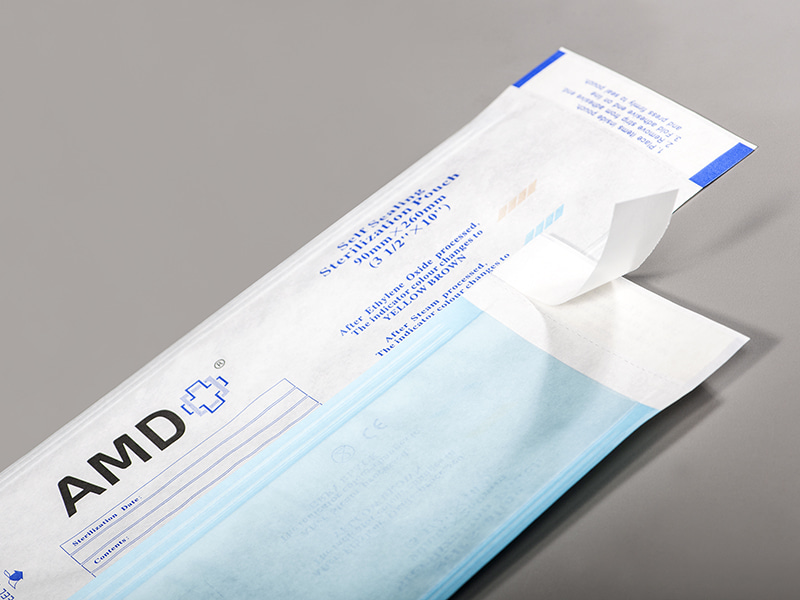
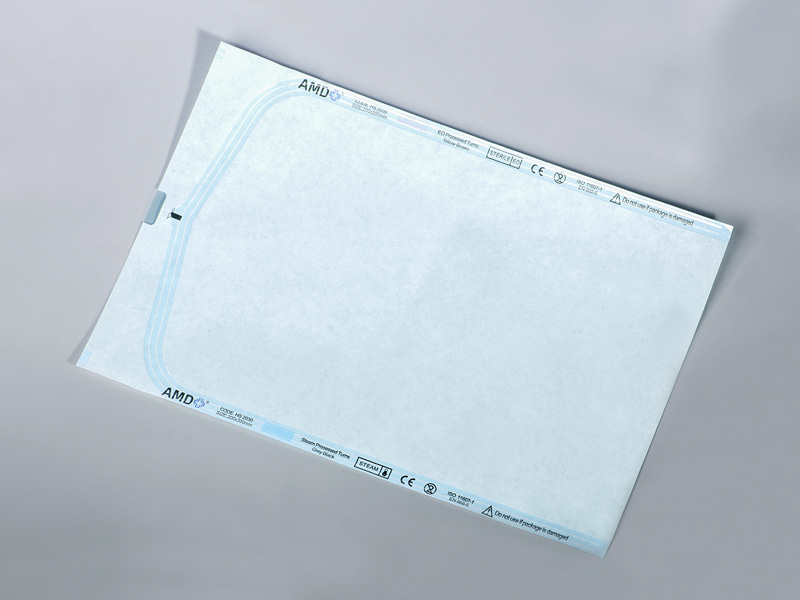
Tyvek breathing bags are used in environments where clean packaging and controlled storage conditions are important. They are designed to allow airflow while still maintaining a protective barrier for packed items. Because of this structure, their storage conditions directly affect performance.
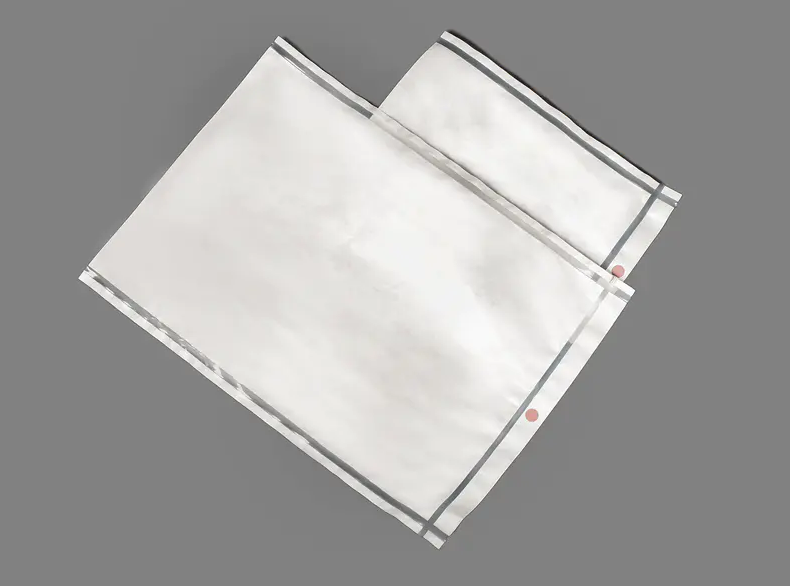
Proper storage is not complicated, but it requires attention to environment, handling, and organization. When stored correctly, these bags maintain their physical stability and functional consistency over time.
Content
- 1 Why Does Proper Storage Matter For Tyvek Breathing Bags?
- 2 What Kind Of Environment Is Suitable For Storage?
- 3 How Should Tyvek Breathing Bags Be Organized?
- 4 What Is The Best Way To Handle Bags During Storage?
- 5 How Should Stacking Be Managed?
- 6 How Does Moisture Affect Storage Quality?
- 7 Why Is Cleanliness Important In Storage Areas?
- 8 How Should Bags Be Protected From Physical Pressure?
- 9 What Role Does Storage Time Play In Material Condition?
- 10 How Does Proper Storage Support Operational Efficiency?
- 11 How Do Small Storage Habits Influence Long-Term Quality?
Why Does Proper Storage Matter For Tyvek Breathing Bags?
Storage conditions can influence the condition of packaging materials before they are even used. Tyvek bags rely on a stable surface structure to maintain their protective and breathable qualities.
If exposed to unsuitable conditions, such as excessive pressure, moisture, or dust, the surface may lose consistency. Even if the bag is not in active use, environmental factors can still affect its usability later.
Proper storage helps preserve material integrity. It also reduces the risk of handling issues during later stages of packaging or sealing processes.
In practical terms, good storage habits support reliability when the bags are finally put into use.
What Kind Of Environment Is Suitable For Storage?
A stable environment is one of the important factors in storing Tyvek bags. The storage area should remain clean, dry, and free from unnecessary contamination sources.
Dust accumulation can affect surface cleanliness. Moisture can influence material stability over time. Direct exposure to strong light or heat sources may also change physical characteristics gradually.
A controlled indoor space is usually preferred. Airflow should be balanced so that the environment remains fresh without creating strong air turbulence that could affect stored materials.
Keeping the storage space simple and consistent helps maintain overall product quality.
How Should Tyvek Breathing Bags Be Organized?
Organization plays an important role in maintaining condition. Bags should be stored in a way that prevents bending, folding, or unnecessary pressure on the material surface.
Flat stacking is often used to keep shape consistency. When items are stacked evenly, weight distribution remains balanced, reducing the chance of deformation.
It is also useful to separate different batches or types if multiple formats are stored together. This helps avoid confusion during use and keeps handling more efficient.
A clear organization system also makes inventory management easier, especially in busy working environments.
What Is The Best Way To Handle Bags During Storage?
Handling practices are closely linked to storage quality. Even when conditions are ideal, improper handling can affect material condition.
Tyvek bags should be handled with clean and dry hands or appropriate tools when necessary. Direct contact with dirty or wet surfaces should be avoided.
When moving stored bags, it is better to lift and place them gently rather than dragging or compressing them. This helps maintain surface structure and reduces stress on the material.
Careful handling ensures that the stored condition remains stable until the bags are needed.
How Should Stacking Be Managed?
Stacking is a common storage method, but it should be done with attention to balance and pressure distribution. Uneven stacking can to unnecessary stress on lower layers.
It is better to avoid excessive height in stacking. Moderate and stable layers help maintain shape without applying too much pressure.
| Storage Practice | Purpose | Result on Material Condition |
|---|---|---|
| Flat stacking | Maintain shape stability | Reduced deformation risk |
| Layer separation | Avoid mixing different batches | Easier organization |
| Controlled height | Limit pressure load | Better long-term integrity |
| Clean surface base | Prevent contamination | Improved cleanliness retention |
These simple practices help maintain balance between storage efficiency and material protection.
How Does Moisture Affect Storage Quality?
Moisture is one of the key factors that can influence packaging materials. Tyvek bags are designed for controlled airflow, but excessive moisture in storage conditions may still affect surface quality.
Humidity can gradually influence material texture or create uneven surface conditions if exposure continues over time. It may also affect how the material behaves during later use.
To reduce these effects, storage areas should remain dry and stable. Sudden environmental changes should be avoided where possible.
Maintaining consistent conditions helps preserve the intended performance of the material.
Why Is Cleanliness Important In Storage Areas?
Clean storage conditions help maintain the surface quality of Tyvek bags. Dust and small particles can settle on surfaces and affect cleanliness during later handling.
A clean environment reduces the need for additional cleaning before use. It also helps maintain a more predictable condition across stored materials.
Regular cleaning of storage areas supports long-term stability. Even simple cleaning routines can make a noticeable difference in maintaining packaging quality.
Clean surroundings also improve efficiency when selecting and using stored materials.
How Should Bags Be Protected From Physical Pressure?
Physical pressure during storage can affect material structure. Tyvek bags should not be stored under heavy or uneven loads.
Pressure may cause bending or surface distortion, which can affect later handling. Even if the material appears unchanged externally, internal structure may be influenced over time.
To prevent this, storage systems should distribute weight evenly. Shelving or flat storage surfaces are often used to support consistent pressure control.
Protecting stored materials from unnecessary force helps maintain long-term usability.
What Role Does Storage Time Play In Material Condition?
Storage duration can influence material condition if environmental factors are not controlled. Over extended periods, small environmental effects may gradually accumulate.
This does not necessarily mean the material becomes unusable, but it highlights the importance of stable conditions. Consistency in storage practices helps reduce variation over time.
Rotating stock can also help ensure that older materials are used first, reducing long-term storage impact.
Time management in storage is often part of overall material handling strategy.
How Does Proper Storage Support Operational Efficiency?
When Tyvek bags are stored correctly, they are easier to access and use when needed. This reduces delays in preparation and improves workflow efficiency.
Organized storage allows faster selection of materials. Clean and well-maintained packaging reduces the need for additional preparation steps before use.
In environments where packaging is part of daily operation, storage quality directly influences workflow smoothness.
Efficient storage systems help reduce unnecessary handling time and improve overall coordination.
How Do Small Storage Habits Influence Long-Term Quality?
Small habits often have a cumulative effect on storage quality. Simple actions such as maintaining cleanliness, avoiding pressure, and organizing materials properly all contribute to long-term stability.
Even minor improvements in handling or storage routines can help preserve material condition over time.
Consistency is more important than complexity. When storage practices remain stable, results tend to be more predictable.
Tyvek breathing bags, like many packaging materials, benefit from steady and controlled storage environments that support their intended function without unnecessary variation.

 ‘s-Gravenweg 542, 3065SG RotterdamThe Netherlands
 +31 (0)10 254 28 08