

 English
 Français
 Deutsch
 Nederlands
Infection control is not a single step in medical or laboratory work. It is more like a chain of small routines that need to stay consistent. Cleaning, sterilizing, handling, storing, and using instruments all connect to each other in a continuous flow.
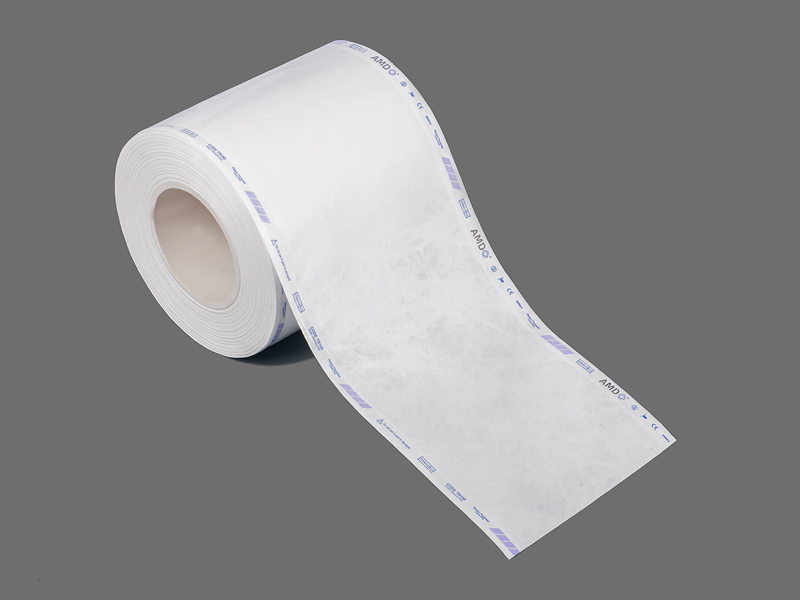
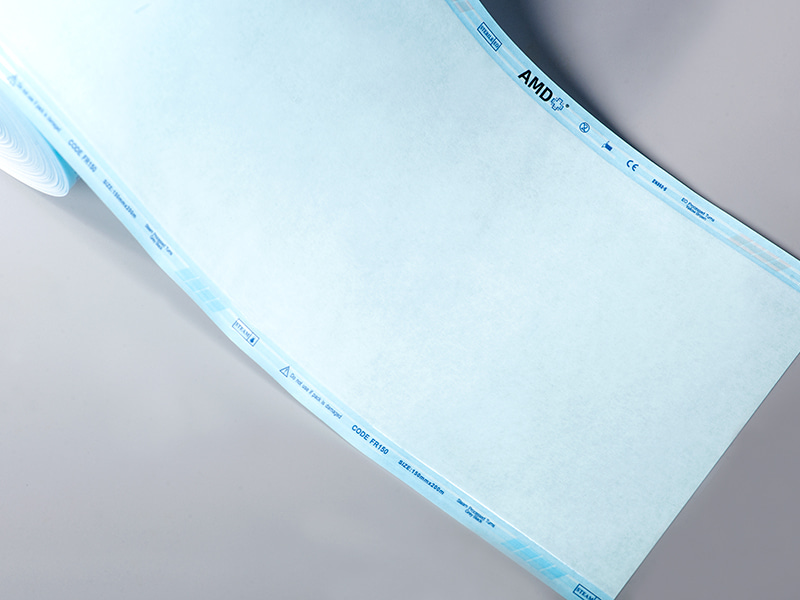
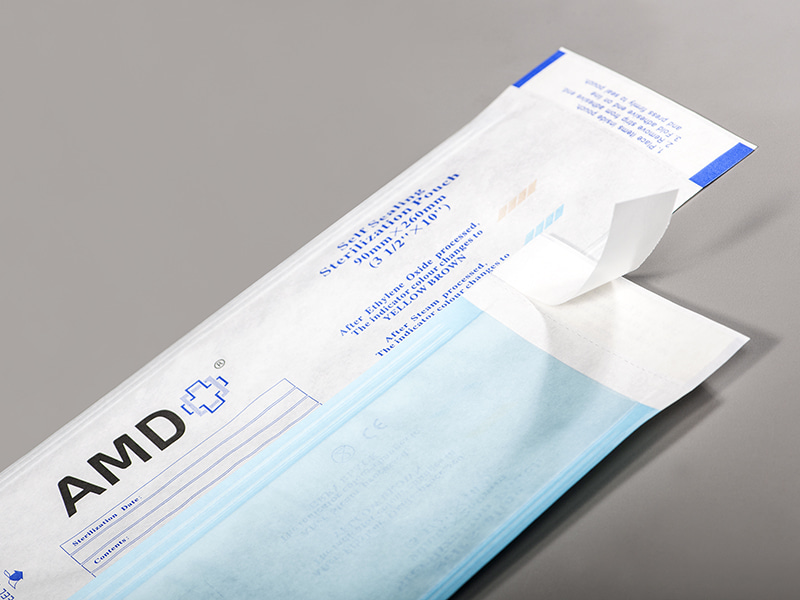
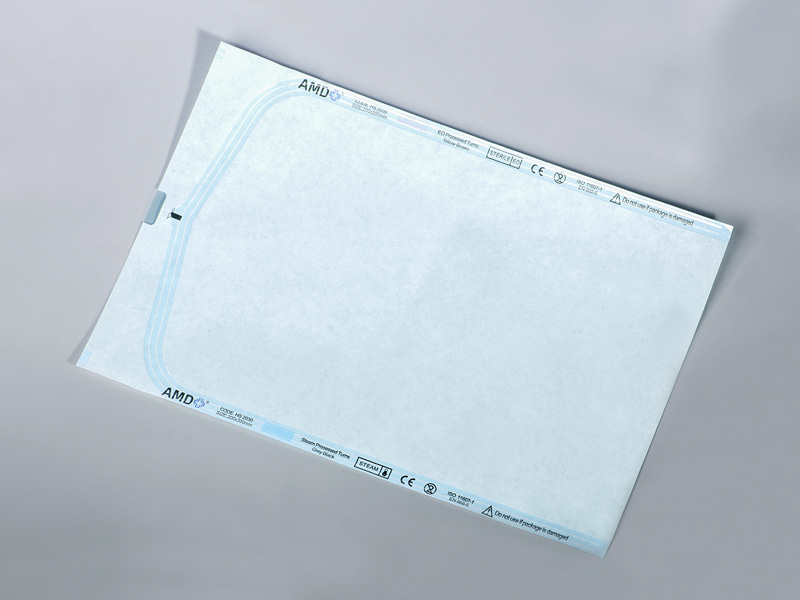
Packaging sits in between sterilization and actual use. It does not create sterility, but it helps hold that condition for a period of time. Sterilization gusseted rolls are one of the materials often used in this stage.
They look simple at first. A roll of flexible material, folded along the sides. But once used in real environments, their function becomes more noticeable.
Content
- 1 What is a sterilization gusseted roll in real working conditions?
- 2 Why packaging is closely tied to infection control?
- 3 How the gusseted structure behaves during use?
- 4 How sealing becomes part of infection control?
- 5 How they appear in daily workflow?
- 6 How contamination risk is reduced during handling?
- 7 Why material behavior cannot be ignored?
- 8 How storage becomes more organized with gusseted rolls?
- 9 Why this packaging style remains widely used?
- 10 How it fits into the wider infection control process?
What is a sterilization gusseted roll in real working conditions?
In practice, this type of packaging is used when instruments need to be protected after sterilization or prepared before storage.
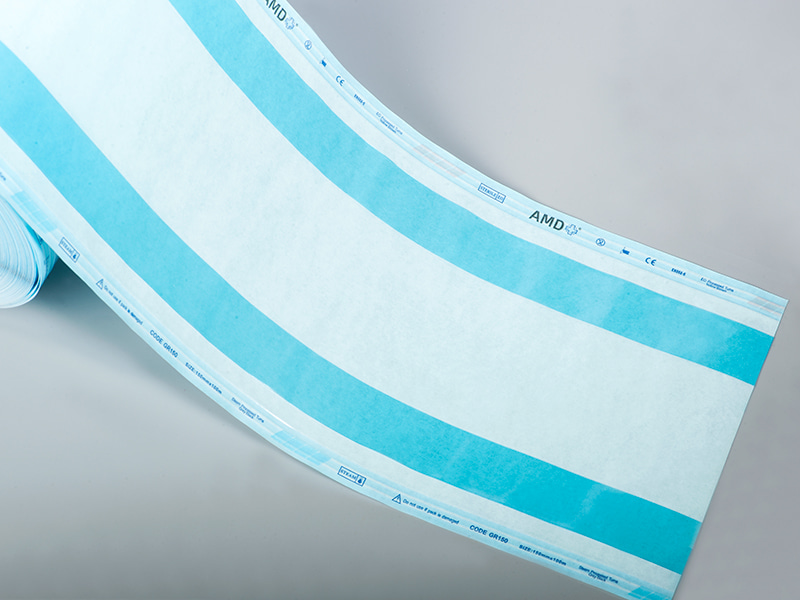
The gusseted side means the material is folded inward, creating extra space when opened. This is not just a design detail. It changes how items sit inside the packaging.
Instead of pressing the item flat, the material allows a more open internal space. This is useful when instruments are not perfectly flat or have different shapes.
In daily use, it is commonly seen as:
- wrapping material for sterilized tools
- storage cover after processing
- transport protection layer
- separation barrier in clean areas
The role is simple, but it appears in many small steps across the workflow.
Why packaging is closely tied to infection control?
Sterilization does not end when the machine stops. The condition can still change afterward depending on how the item is handled.
That is where packaging becomes relevant.
If there is no barrier, even a clean surface can be exposed again through air contact or handling. So packaging is used as a kind of "holding layer" to keep the condition stable.
In real environments, it helps with things like:
- reducing direct exposure to surroundings
- limiting unnecessary contact during movement
- keeping items separated from non-clean zones
- holding sterilized condition until use
It is less about adding complexity, and more about preventing accidental exposure.
How the gusseted structure behaves during use?
The folded side design is often overlooked, but it changes how the packaging performs.
When the roll is opened, the sides expand outward slightly. That extra space allows items to sit without being squeezed.
In actual use, this leads to a few noticeable effects:
- instruments are less likely to press against the packaging surface
- sealing along edges becomes more stable
- different shapes can be placed without forcing adjustment
- internal space feels more balanced after closure
| Observation | Practical effect |
|---|---|
| Folded side opens | Extra internal room |
| Flexible material | Easier placement |
| Edge structure | More stable sealing |
| Expanded space | Less pressure on items |
These are not theoretical benefits. They show up during routine handling.
How sealing becomes part of infection control?
Once an item is placed inside, the sealing stage becomes the sensitive part of the process.
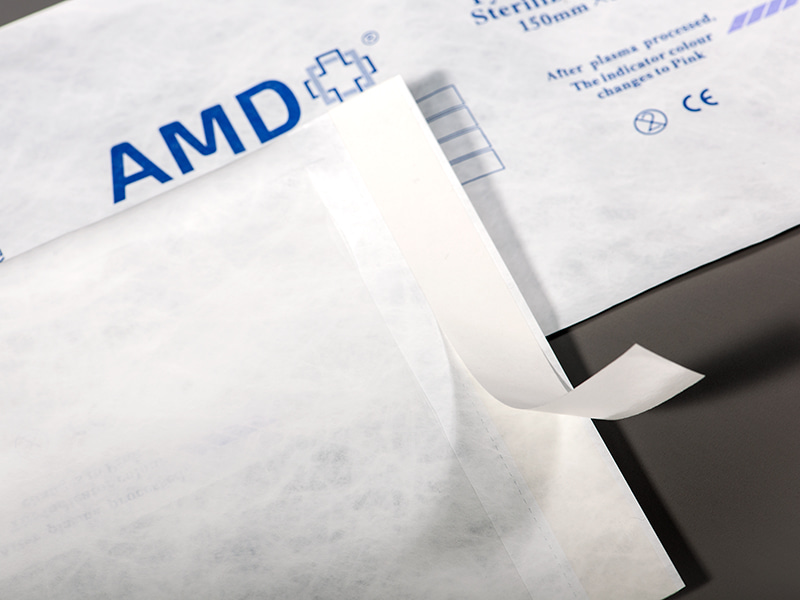
The seal is what separates the inside from everything outside. If it is uneven or weak, the protection is no longer reliable in the same way.
Sterilization rolls are used because they allow a consistent sealing line along the edges. After sealing, the package is meant to stay closed until it is intentionally opened.
In practice, sealing supports:
- keeping external air away from the contents
- maintaining condition during storage time
- reducing exposure during transport or movement
- separating clean and non-clean handling zones
Even small inconsistencies in sealing can become noticeable later in storage.
How they appear in daily workflow?
In real sterile processing areas, packaging is not a one-time task. It repeats throughout the day as items move through different stages.
Sterilization gusseted rolls fit into this routine without needing major adjustments.
They are used because:
- they come in continuous roll form
- they can be cut according to item size
- they work for different instrument shapes
- they reduce the need for switching packaging types
Over time, this makes the workflow feel more steady and predictable.
How contamination risk is reduced during handling?
Even after sterilization, handling is still a point where contamination can happen. Movement between areas, temporary placement, or storage changes all introduce contact risk.
Packaging reduces this exposure.
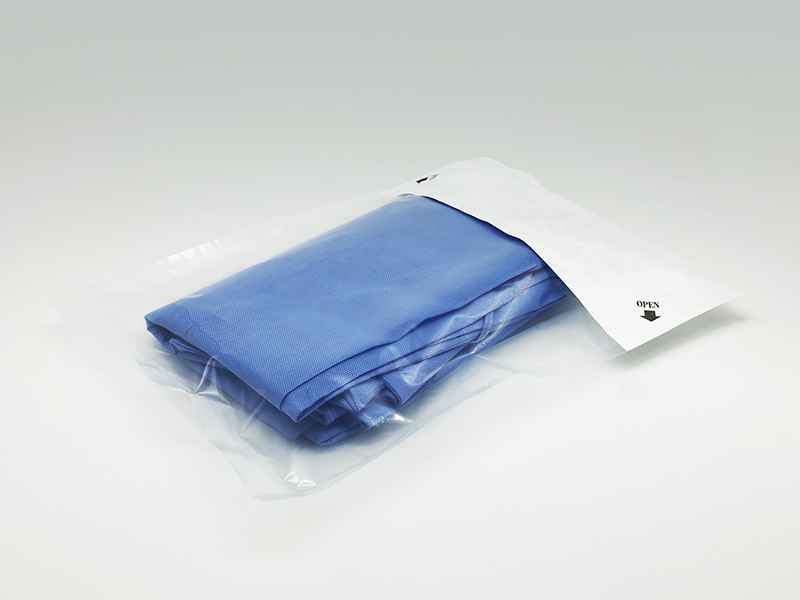
With gusseted rolls, the item stays enclosed, which means:
- less direct touch during transport
- fewer open exposures during storage
- reduced handling before use
- controlled separation from surroundings
It does not eliminate risk entirely, but it reduces unnecessary contact points.
Why material behavior cannot be ignored?
Packaging performance is not only about shape. The material itself determines how stable the barrier remains during use.
In practice, materials are expected to behave consistently under handling conditions.
That includes:
- resisting small tears during movement
- holding seal shape after closure
- staying stable in storage environments
- allowing clear visual inspection of contents
If the material weakens or behaves unpredictably, the protective function becomes less reliable.
So material stability is closely tied to infection control performance.
How storage becomes more organized with gusseted rolls?
Sterile storage areas depend heavily on order. Items are often stored for different periods and must remain identifiable.
Once sealed, gusseted roll packaging helps items keep a consistent shape. This makes storage easier to manage visually and physically.
In practice, it supports:
- more structured stacking
- easier separation of item types
- less frequent handling before use
- clearer visual identification
Because items remain enclosed, storage does not become a mix of loose tools.
Why this packaging style remains widely used?
There are many packaging formats available, but gusseted rolls are still commonly used because they adapt to everyday variation.
They work well when:
- instrument sizes are not identical
- workflows repeat throughout the day
- storage times vary
- handling frequency is high
Instead of changing packaging methods for different situations, one system can cover multiple needs.
How it fits into the wider infection control process?
Infection control is not a single action. It is a sequence of connected steps. Each step depends on the one before it.
Sterilization gusseted rolls sit in the middle of that sequence, between sterilization and actual use.
Their role is mainly to:
- keep sterilized items protected after processing
- reduce exposure during movement
- support safer storage conditions
- maintain separation until use
They do not create sterility. They help preserve it for a period of time while the item moves through real working environments.
 ‘s-Gravenweg 542, 3065SG RotterdamThe Netherlands
 +31 (0)10 254 28 08