
 English
 Français
 Deutsch
 Nederlands
Medical device packaging plays a role that extends far beyond appearance. A package needs to protect its contents while also supporting handling, storage, sterilization, transportation, and eventual opening. For products that need to remain sterile until use, packaging becomes an important part of the overall product system.
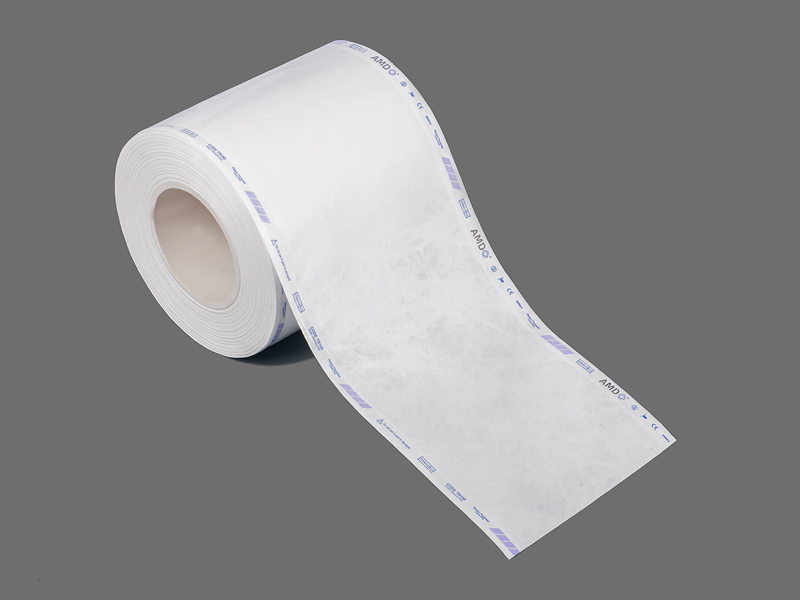
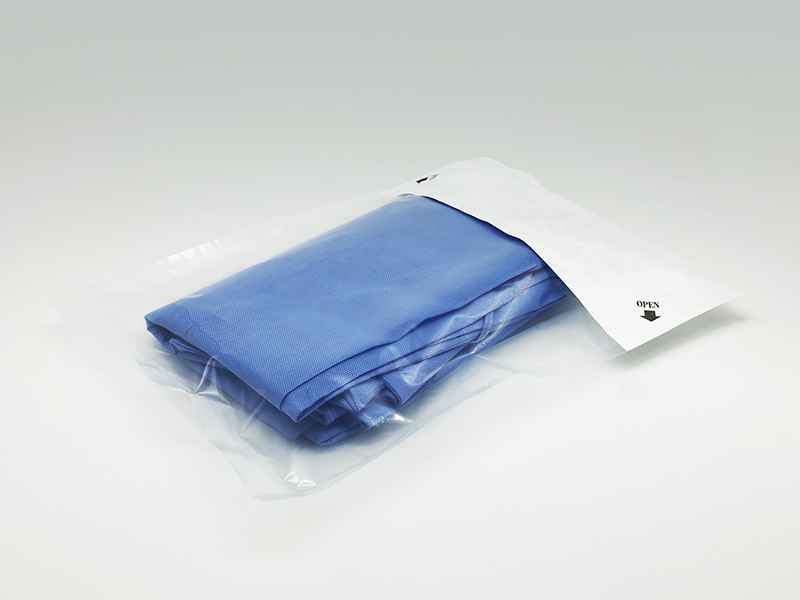
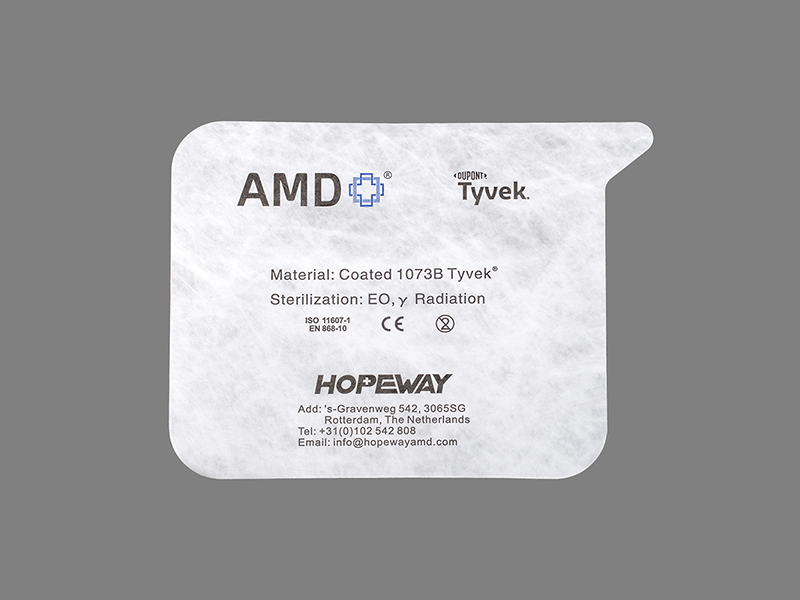
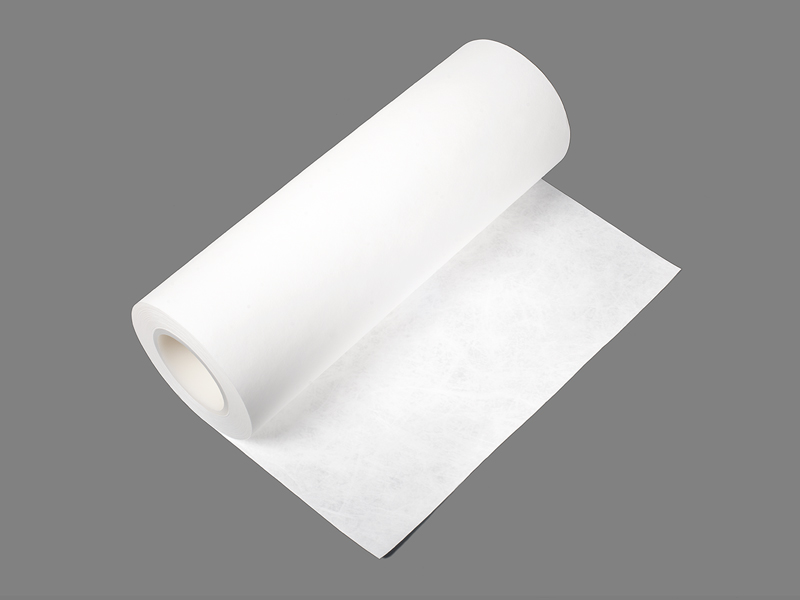
Tyvek medical device packaging has attracted attention in this area because it combines several useful characteristics in one packaging material. It is commonly used in sterile barrier packaging and can be found in formats such as pouches, lids, and other medical packaging structures.
The material has a distinctive balance of strength, flexibility, cleanliness, and breathability. These characteristics can help packaging designers address different needs without making the package unnecessarily complicated.
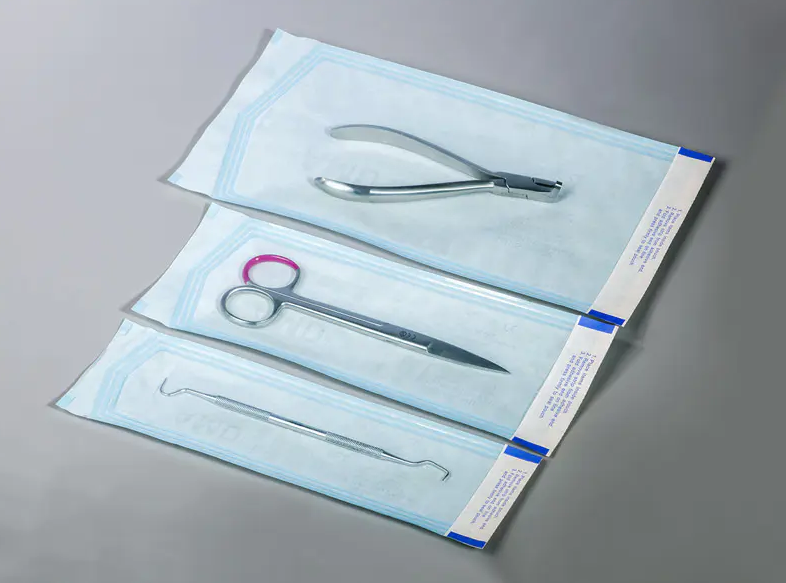
The value of Tyvek is not limited to protecting a medical device from physical contact. The package also needs to work throughout the product journey. It may move through manufacturing, sterilization, storage, distribution, and preparation for use.
Each stage places different demands on the packaging.
For manufacturers and packaging teams, understanding these demands can make it easier to decide where Tyvek may fit within a medical device packaging strategy.
Content
- 1 Why Is Packaging Material Important for Medical Devices?
- 2 How Can Tyvek Help Support Sterile Barrier Packaging?
- 3 What Makes Tyvek Useful for Handling and Transportation?
- 4 How Does Tyvek Support Easier Package Opening?
- 5 Why Is Cleanliness Important in Medical Device Packaging?
- 6 Can Tyvek Work With Different Sterilization Processes?
- 7 How Can Tyvek Support Different Medical Device Packaging Formats?
- 8 What Should Manufacturers Consider Before Choosing Tyvek Packaging?
- 9 How Is Tyvek Influencing the Development of Medical Device Packaging?
Why Is Packaging Material Important for Medical Devices?
Medical devices can vary greatly in shape, size, surface, and intended use. Some are simple products. Others contain delicate parts or have surfaces that need careful protection.
The package provides a controlled space around the device. It can help separate the product from external conditions and support the intended sterile presentation when the packaging system has been properly designed and validated.
This makes material selection an important part of packaging development.
A material that is suitable for general consumer packaging may not provide the characteristics needed for medical products. Medical packaging must be considered as part of a wider system that includes the device, packaging design, sealing method, sterilization process, storage conditions, transportation, and opening procedure.
Tyvek has become relevant because its physical characteristics can support several of these needs.
It is lightweight and flexible, yet it can provide resistance to tearing and puncturing when used appropriately. It also has a structure that allows certain sterilization processes to work through the packaging while providing a barrier against microorganisms after sterilization.
The exact performance depends on the complete packaging system. Material choice alone does not determine the final result.
How Can Tyvek Help Support Sterile Barrier Packaging?
One of the main reasons Tyvek is used in medical device packaging is its role in sterile barrier systems.
A sterile barrier package is designed to keep a sterilized product protected until the package is opened for use. The packaging must provide an appropriate barrier while also allowing the selected sterilization process to take place.
Tyvek can support this balance because its structure allows sterilizing agents to pass through while helping prevent microorganisms from passing back into the package under appropriate conditions.
This characteristic can be useful for medical devices that require terminal sterilization.
The packaging system still needs to be properly designed and validated. Seals, closures, package configuration, device shape, and the selected sterilization process can all influence performance.
This means Tyvek should not be viewed as a standalone guarantee of sterility. The complete package needs to be evaluated as a system.
For manufacturers, this distinction is important. A material may have suitable characteristics, but the final package must still meet the requirements of the intended medical device and processing conditions.
What Makes Tyvek Useful for Handling and Transportation?
Medical devices rarely remain in one location.
After packaging, products may move through manufacturing areas, storage facilities, distribution channels, and healthcare environments. During these stages, packages can experience handling, movement, stacking, and contact with other products.
Packaging needs to remain intact throughout this journey.
Tyvek has a combination of flexibility and resistance to tearing that can be useful in these situations. It can help reduce the risk that ordinary handling will damage the sterile barrier when the packaging has been appropriately designed.
This characteristic can be particularly relevant for products with unusual shapes or edges. A rigid package may not always be the convenient format for every device.
Flexible packaging can adapt more naturally to certain product configurations.
The package still needs appropriate protection for the specific device. Tyvek is not a substitute for thoughtful package design. The relationship between the device and the packaging material remains important.
Manufacturers may therefore consider factors such as:
| Packaging Consideration | Why It Matters |
|---|---|
| Material Strength | Helps the package withstand routine handling |
| Flexibility | Allows packaging to accommodate different product shapes |
| Barrier Performance | Supports protection of the packaged device |
| Seal Quality | Helps maintain package integrity |
| Package Design | Influences how the device is protected during movement |
| Opening Method | Affects how the sterile product is presented for use |
These elements work together rather than independently.
How Does Tyvek Support Easier Package Opening?
A medical device package can be protective while still being difficult to open. That can create problems in healthcare environments.
Medical professionals may need to access packaged devices quickly and carefully. The package should open in a controlled manner without creating unnecessary disruption.
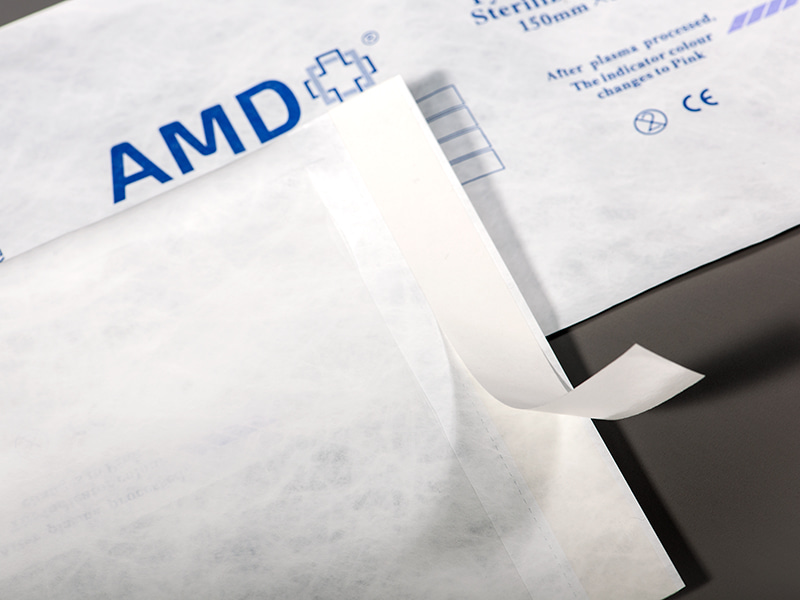
Tyvek can support packaging designs that provide a clean and controlled opening experience when combined with suitable sealing and package construction.
The opening process can also influence the presentation of the device.
A package that opens cleanly may help reduce unwanted movement of the product during preparation. It can also make it easier for staff to identify the device and transfer it into the required working environment.
Peelable packaging is one example of a format where material characteristics can be important. The package needs to separate in a controlled way while maintaining the required barrier before opening.
The exact opening behavior depends on the complete package design. Seal construction, material combinations, and processing conditions all have an effect.
For this reason, packaging developers need to evaluate opening performance together with barrier performance rather than treating them as separate goals.
Why Is Cleanliness Important in Medical Device Packaging?
Medical products require careful attention to contamination control.
The packaging itself should not introduce unnecessary particles or contaminants into the product environment. This is especially relevant when the package is intended for a sterile medical device.
Tyvek has a relatively low-lint structure compared with many conventional fibrous materials. This characteristic can support clean packaging applications when the material is properly converted and handled.
Clean manufacturing practices remain essential.
A suitable material cannot compensate for poor handling conditions. Packaging production, storage, sealing, sterilization, and transportation all need appropriate controls.
The final package is the result of the entire process.
For manufacturers, this means material selection should be considered alongside the cleanliness requirements of the medical device and its intended application.
Different devices may have different sensitivity to particles, residues, or environmental exposure. The packaging strategy should reflect those differences.
Can Tyvek Work With Different Sterilization Processes?
Sterilization compatibility is another important consideration.
Medical devices can be exposed to different sterilization methods depending on their materials, design, and intended use. Packaging needs to work with the selected process without losing its required protective characteristics.
Tyvek is used with several sterilization approaches in medical packaging applications. Its structure can allow sterilizing agents to interact with the packaged device while supporting the sterile barrier function after processing.
However, compatibility should not be assumed simply because the material is commonly used in medical packaging.
Each packaging system requires appropriate evaluation.
The device, package configuration, sealing process, and sterilization method can affect the final outcome. Changes to any of these elements may require additional assessment.
This is why medical device manufacturers typically consider packaging and sterilization together during product development.
The goal is to create a package that supports the complete process rather than performing well in only one stage.
How Can Tyvek Support Different Medical Device Packaging Formats?
Medical devices come in many forms, so one packaging format cannot meet every need.
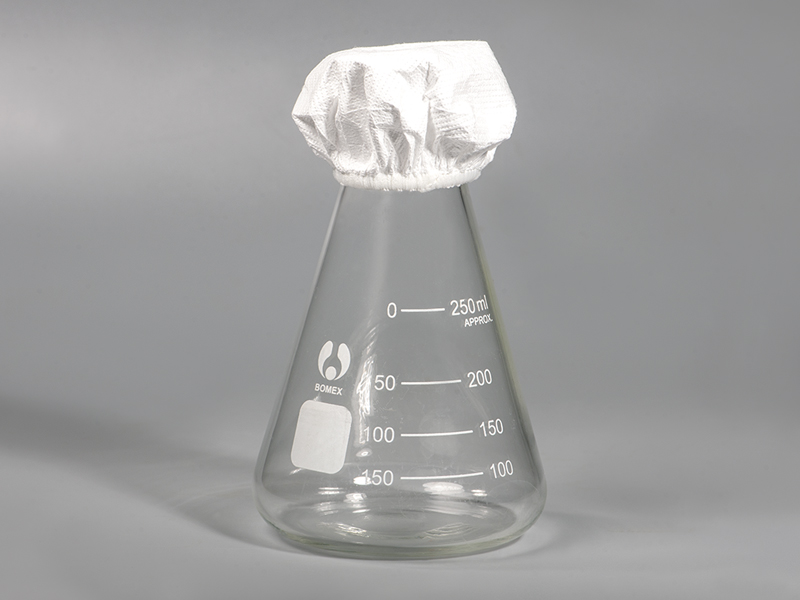
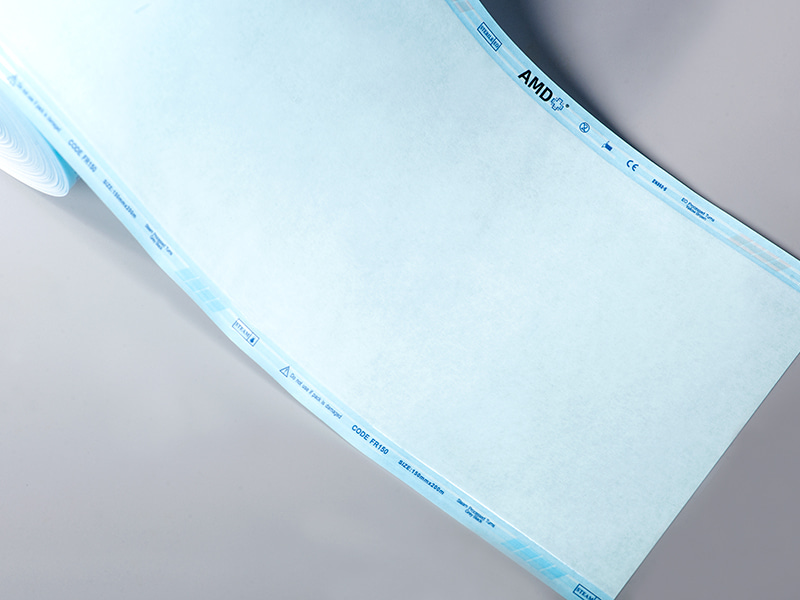
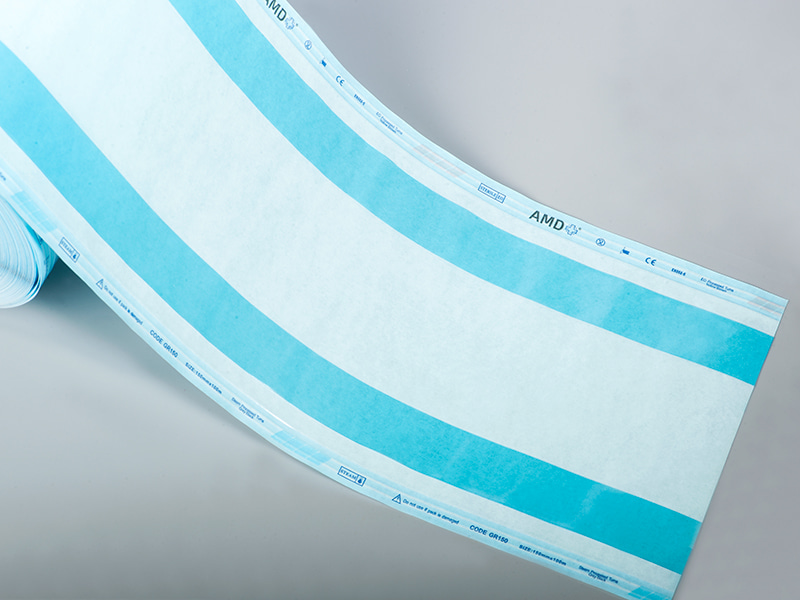
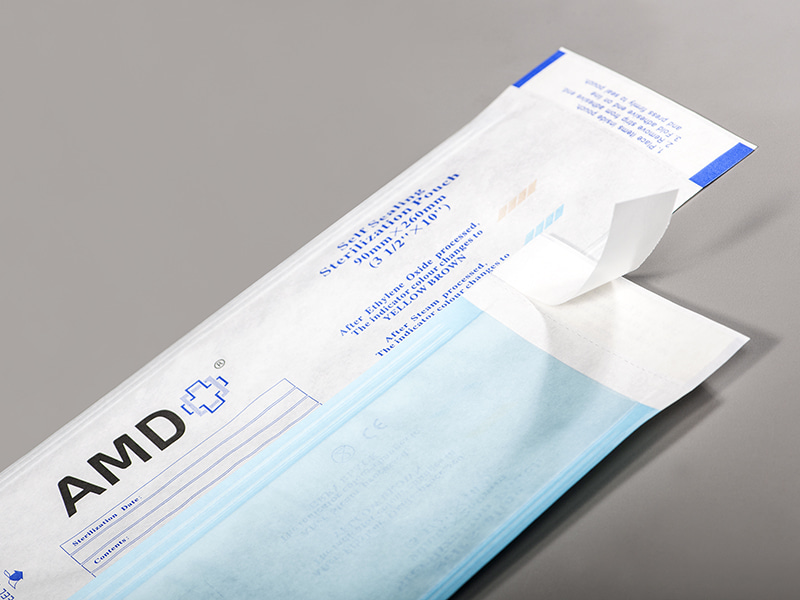
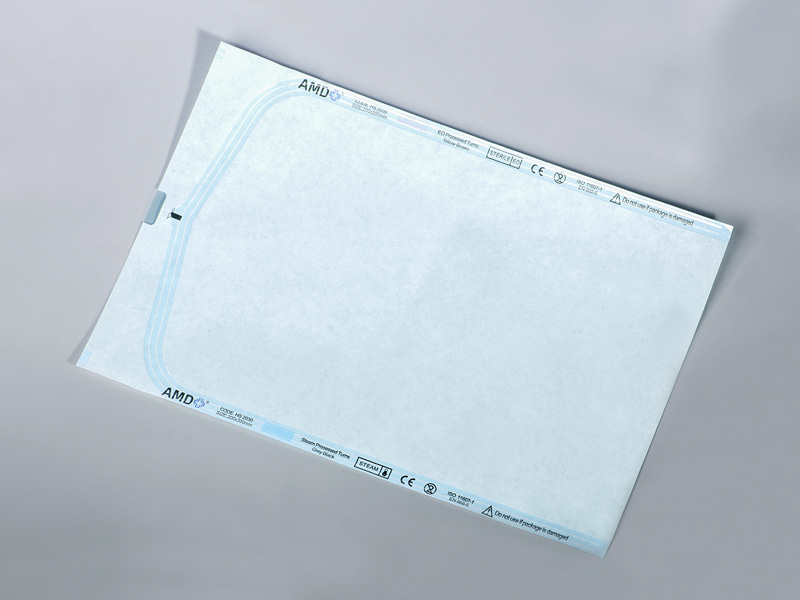
Tyvek can be incorporated into different packaging structures. Pouches are one common example. In some applications, Tyvek may also be used as a lid or breathable layer within a rigid package.
This flexibility allows packaging designers to consider the shape and handling requirements of the medical device.
A flat device may suit a pouch format. A product with a more complex shape may require a different package structure. Devices that need additional physical support may be placed in a tray with a Tyvek lid.
The packaging format can also affect storage and transportation.
Flexible pouches may require less space than certain rigid structures. Rigid formats can provide additional physical support for products that need it.
Neither approach is suitable for every device.
The important question is how the packaging format interacts with the product and the intended use environment.
| Packaging Format | Potential Application Consideration |
|---|---|
| Flexible Pouch | Suitable for devices that can be protected in a flexible package |
| Tray With Lid | Provides a structured space for devices that need support |
| Formed Packaging | Can accommodate selected device shapes |
| Combination Packaging | Allows different packaging materials to work together |
The actual selection depends on the device, sterilization process, handling requirements, and packaging validation.
What Should Manufacturers Consider Before Choosing Tyvek Packaging?
Material selection should begin with the medical device rather than the packaging material.
Manufacturers can look at the complete product journey and identify what the package needs to accomplish at each stage.
Several questions can help organize the evaluation:
What does the device need protection from?
The answer may include physical damage, contamination, moisture, or other environmental factors.
How will the device be sterilized?
The packaging needs to be compatible with the selected sterilization process.
How will the product be transported?
Packaging should account for normal handling and distribution conditions.
How will the package be opened?
The opening method should support the needs of the people who will use the device.
What packaging format fits the device?
A pouch, tray, lid, or combination structure may be considered depending on the product.
How will the package be sealed?
The sealing system is an important part of the sterile barrier and needs to work with the selected materials.
What storage conditions are expected?
The package should be evaluated within the conditions expected during storage and distribution.
These questions can help prevent a narrow approach to packaging selection.
A material may appear suitable based on one characteristic, but medical device packaging requires a broader assessment.
How Is Tyvek Influencing the Development of Medical Device Packaging?
The wider packaging industry is paying more attention to materials that can combine protection with practical handling.
Medical device packaging is part of this movement.
Manufacturers are looking for packaging structures that can protect products while also supporting efficient handling and a clear opening experience. Packaging teams are also considering material use, package design, and waste management as part of product development.
Tyvek can fit into this discussion because it offers a combination of properties that can support different packaging formats.
Its flexibility can help with package design. Its resistance to tearing can support handling. Its structure can support certain sterilization processes. Its clean-opening characteristics can be useful when medical staff need controlled access to packaged devices.
These features do not remove the need for testing and validation.
Medical packaging remains a highly controlled area. Packaging materials and finished systems need to be evaluated according to the requirements of the specific application.
For manufacturers, the practical value of Tyvek lies in how its characteristics can work within a complete packaging system.
The material is only one part of the picture. The medical device, packaging design, sealing method, sterilization process, storage conditions, transportation environment, and opening procedure all influence how the final package performs in real use.
 ‘s-Gravenweg 542, 3065SG RotterdamThe Netherlands
 +31 (0)10 254 28 08